By Joujou Chawla
Most parks don't have a story worth telling. Osage Station Park in Danville, CA is an exception. Its 35 acres sit on land that traces directly to the agricultural heritage of the San Ramon Valley, its name carries the legacy of a ranch that once grew a distinctive fruit tree from the American Midwest, and its playground was deliberately designed around the history of the Southern Pacific Railroad that once ran directly through this part of Danville. For buyers considering the Greenbrook and Danville Station neighborhoods, understanding what this park represents — and why it matters — adds a layer of appreciation for what makes this corner of town so enduring.
Key Takeaways
- Osage Station Park takes its name from the Osage Orange Ranch that once occupied this land, and three original Osage Orange trees still stand in the park.
- The park's Old West-themed playground is a direct tribute to the Southern Pacific Railroad, which ran through this corridor from 1891 until its abandonment in 1978.
- The Iron Horse Regional Trail — built on the former Southern Pacific right-of-way — runs near Osage Station Park, connecting the park physically to Danville's broader rail history.
- The park's memorial rose garden, annual pruning demonstrations, and community sports leagues have made it a genuine civic anchor for the surrounding Greenbrook and Danville Station neighborhoods.
The Osage Orange Ranch: Where the Name Comes From
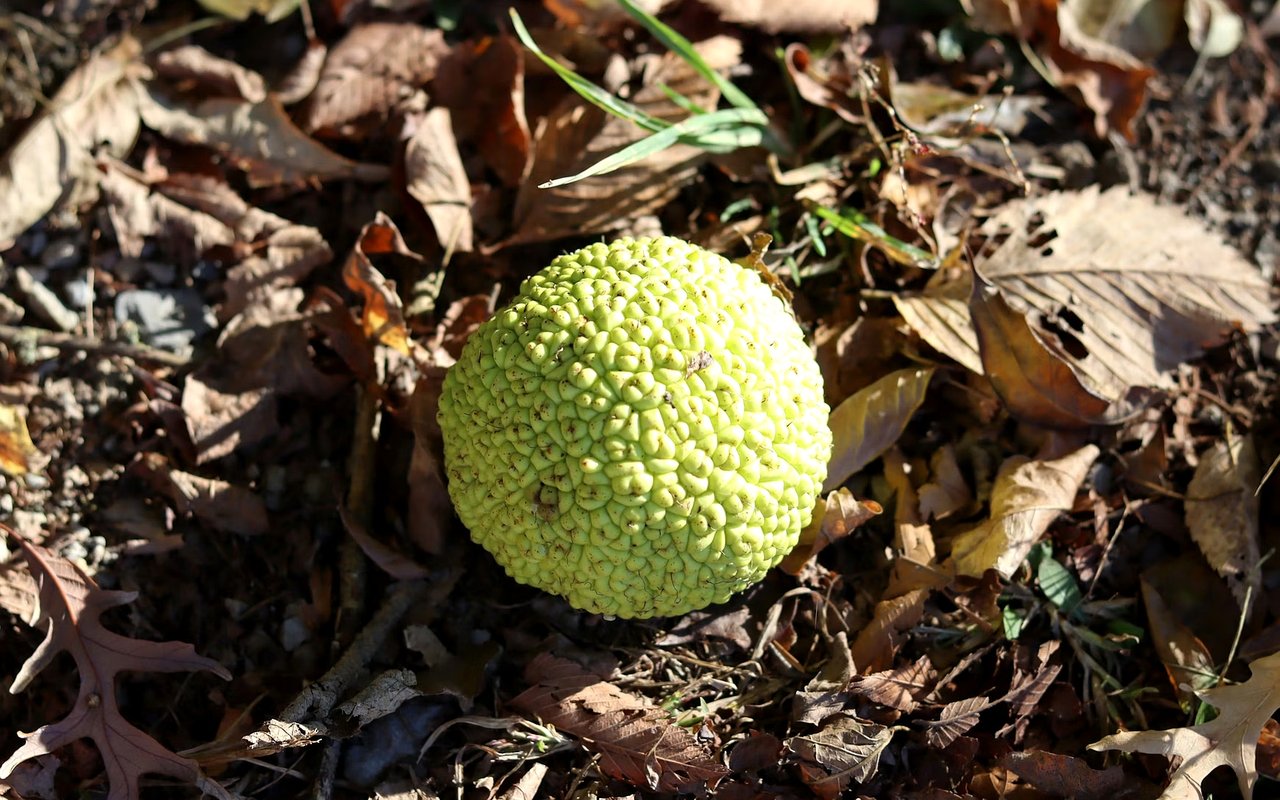
The name Osage Station Park traces to a ranch that once grew Osage Oranges — a distinctive fruit-bearing tree native to a small region of the south-central United States, historically associated with the Osage Nation of present-day Oklahoma and Arkansas. The Osage Orange, also known as hedge apple or horse apple, was widely planted across the American Midwest in the 19th century as natural fencing and windbreaking. Its presence in the San Ramon Valley speaks to the agricultural experimentation that defined California ranching during Danville's early settlement period.
Three of the original Osage Orange trees from that ranch still stand in the park today — a tangible living connection to the land's agricultural past that predates the surrounding neighborhoods by generations. The park is located at 816 Brookside Drive and remains open daily from 5 a.m. to 10 p.m., but those three trees quietly anchor its identity in a way that no amenity map fully captures.
Three of the original Osage Orange trees from that ranch still stand in the park today — a tangible living connection to the land's agricultural past that predates the surrounding neighborhoods by generations. The park is located at 816 Brookside Drive and remains open daily from 5 a.m. to 10 p.m., but those three trees quietly anchor its identity in a way that no amenity map fully captures.
The Agricultural Roots of Osage Station Park
- Named for the Osage Orange Ranch that once occupied the land before residential development
- Three original Osage Orange trees still standing in the park — a direct living link to the site's agricultural history
- The Osage Orange (Maclura pomifera) is native to the south-central United States and was widely used for natural fencing during the 19th century
- Danville's broader agricultural heritage — as a farming and ranching community through the late 19th century — is reflected in the park's origins
The Railroad Connection: Why It's Called "Station" Park
The word "Station" in Osage Station Park is not incidental. The Southern Pacific Railroad established its right-of-way through the San Ramon Valley in 1891, running freight and passenger service from Avon (near Martinez) south through Walnut Creek, Alamo, and Danville to San Ramon and eventually Pleasanton. Osage was a named station stop along that line — a small depot serving the ranching operations and residents of this part of the valley.
Passenger service on the line ended in 1934 as automobiles displaced rail travel. Freight service continued for decades after, but by 1973 fewer than 500 rail cars per year were using the line, and by 1978 Southern Pacific received approval to abandon it entirely. The East Bay Regional Park District acquired the right-of-way and established the Iron Horse Regional Trail in 1986 — a 32-mile paved multi-use trail that now runs from Concord to Pleasanton, passing near Osage Station Park along the way.
That history is embedded directly into the park's design. The children's playground was intentionally themed around the Old West railway era — a tot play area modeled after a Western train station complete with clock tower, passenger platform, and play train; a youth area designed as a rambling frontier town with a bank, hotel, saloon, and jail; and complementary elements including a mining-themed spring rider, flashing railroad crossing arms, and a rubber-surfaced mesa for climbing.
Passenger service on the line ended in 1934 as automobiles displaced rail travel. Freight service continued for decades after, but by 1973 fewer than 500 rail cars per year were using the line, and by 1978 Southern Pacific received approval to abandon it entirely. The East Bay Regional Park District acquired the right-of-way and established the Iron Horse Regional Trail in 1986 — a 32-mile paved multi-use trail that now runs from Concord to Pleasanton, passing near Osage Station Park along the way.
That history is embedded directly into the park's design. The children's playground was intentionally themed around the Old West railway era — a tot play area modeled after a Western train station complete with clock tower, passenger platform, and play train; a youth area designed as a rambling frontier town with a bank, hotel, saloon, and jail; and complementary elements including a mining-themed spring rider, flashing railroad crossing arms, and a rubber-surfaced mesa for climbing.
The Railroad History Embedded in the Park
- Osage was a named Southern Pacific Railroad station stop along the San Ramon Branch Line, established in 1891
- Passenger service ended in 1934; freight service continued until the line was abandoned in 1978
- The Iron Horse Regional Trail was built on the former Southern Pacific right-of-way in 1986 and runs near the park
- The Old West-themed playground is a deliberate tribute to the railway history that gave the park its name
- The Museum of the San Ramon Valley, housed in the restored 1891 Southern Pacific Depot at 205 Railroad Avenue, preserves the broader regional railroad history
What the Park Means for the Community Today
The historical layers of Osage Station Park are real, but what makes it matter to residents is simpler and more immediate: it functions as a genuine community anchor for the Greenbrook and Danville Station neighborhoods. The park's Little League program draws families to the four baseball diamonds through spring and summer game days. The six soccer fields support active youth leagues throughout the season. The tennis courts and sports facilities are regularly reserved through the Town of Danville.
The memorial rose garden — one of the most distinctive features of any park in the East Bay — is maintained by the Town and hosts annual rose pruning demonstrations that draw residents who treat it as a seasonal tradition. Twenty picnic tables and five barbecue pits near the children's play area make it a natural destination for birthday parties, neighborhood gatherings, and weekend afternoons. The paved perimeter walking path circles the park's athletic fields and provides a quiet loop that residents use daily.
The memorial rose garden — one of the most distinctive features of any park in the East Bay — is maintained by the Town and hosts annual rose pruning demonstrations that draw residents who treat it as a seasonal tradition. Twenty picnic tables and five barbecue pits near the children's play area make it a natural destination for birthday parties, neighborhood gatherings, and weekend afternoons. The paved perimeter walking path circles the park's athletic fields and provides a quiet loop that residents use daily.
How the Park Serves the Community Today
- Little League baseball program active through spring and summer game days at four diamonds
- Six soccer fields supporting youth and adult leagues with field rental available through the Town
- Four tennis courts and two pickleball courts available for rental through Danville Recreation Services
- Memorial rose garden with annual pruning demonstrations hosted by the Town of Danville
- Paved perimeter walking path for daily use by neighborhood residents
- Twenty picnic tables and five barbecue pits available near the children's play area, rentable for private events
FAQs
Why is it called Osage Station Park?
The name combines two pieces of local history. "Osage" refers to the Osage Orange Ranch that once occupied the land, growing a distinctive Midwestern fruit tree that three original specimens still represent in the park today. "Station" refers to the Osage stop along the Southern Pacific Railroad's San Ramon Branch Line, which passed through this part of Danville from 1891 until the line's abandonment in 1978.
How does Osage Station Park connect to the Iron Horse Trail?
The Iron Horse Regional Trail was built directly on the former Southern Pacific Railroad right-of-way after the line was abandoned in the late 1970s. The trail runs near Osage Station Park and connects the park to a 32-mile multi-use corridor stretching from Concord to Pleasanton — a physical continuation of the same railway history the park commemorates in its name and playground design.
What neighborhoods are closest to Osage Station Park?
Osage Station Park sits within the Greenbrook and Danville Station neighborhoods in southern Danville, near Brookside Drive and Orange Blossom Way. These are among the most consistently in-demand residential areas in town, in part because of the park's direct accessibility from surrounding streets and greenbelts.
Contact Joujou Chawla Today
Osage Station Park Danville is more than a recreational amenity — it is a place with roots that run as deep as any in the San Ramon Valley, and a community gathering point that reflects the best of what makes this part of Danville worth calling home. Joujou Chawla knows these neighborhoods in detail and helps buyers find the right home near the parks, trails, and community anchors that matter most to them.
Browse current Danville homes for sale near Osage Station Park, or contact Joujou Chawla for more information on how to call Danville home.
Browse current Danville homes for sale near Osage Station Park, or contact Joujou Chawla for more information on how to call Danville home.