14,546 people live in Alamo, where the median age is 50.5 and the average individual income is $144,617. Data provided by the U.S. Census Bureau.
Total Population
Median Age
Population Density Population Density This is the number of people per square mile in a neighborhood.
Average individual Income
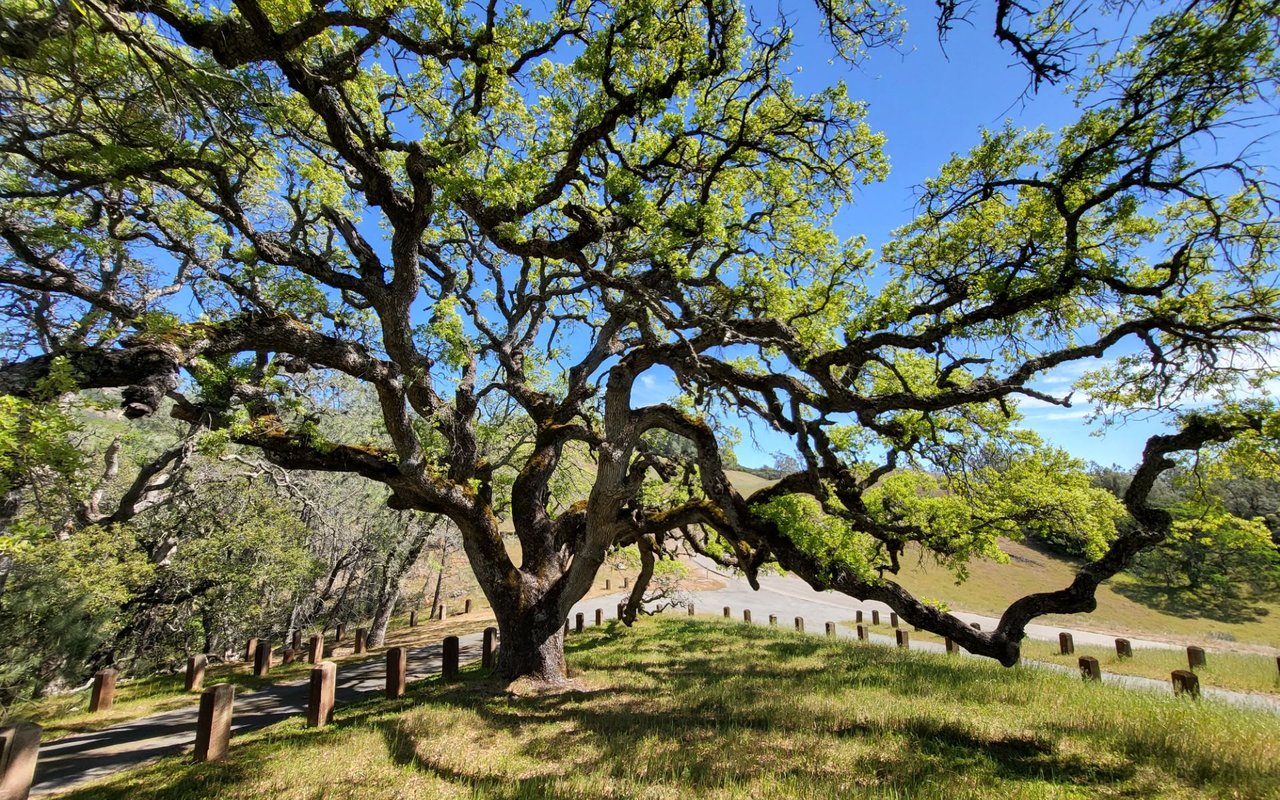
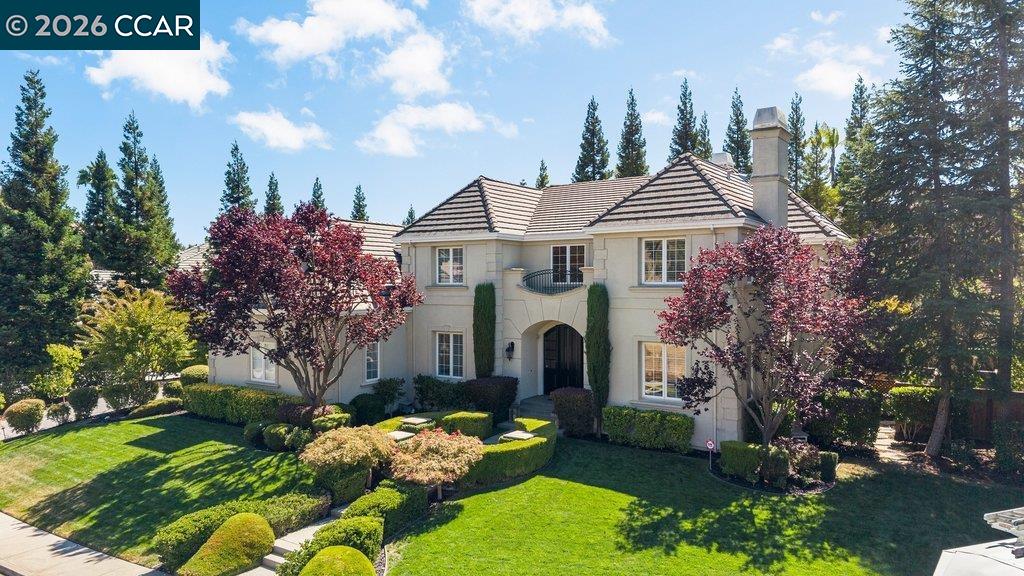
Alamo is one of the Bay Area's most prestigious unincorporated communities, nestled in the rolling hills of Contra Costa County at the base of Mount Diablo. Named after the Spanish word for "poplar tree"—a reference to the cottonwood trees that once lined its creeks—Alamo has evolved from a 19th-century agricultural settlement into an exclusive residential enclave renowned for its spacious estates, exceptional schools, and pastoral character.
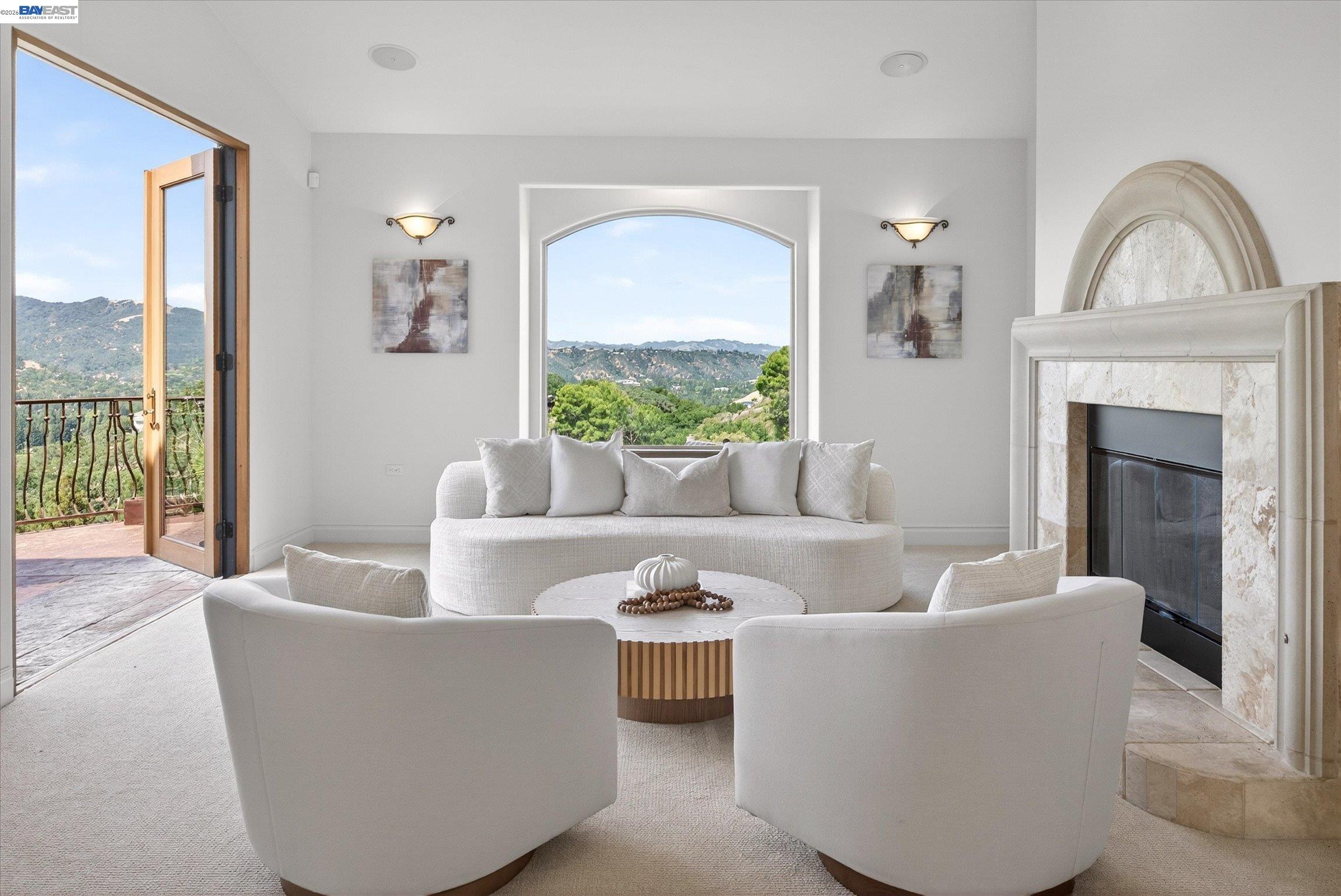
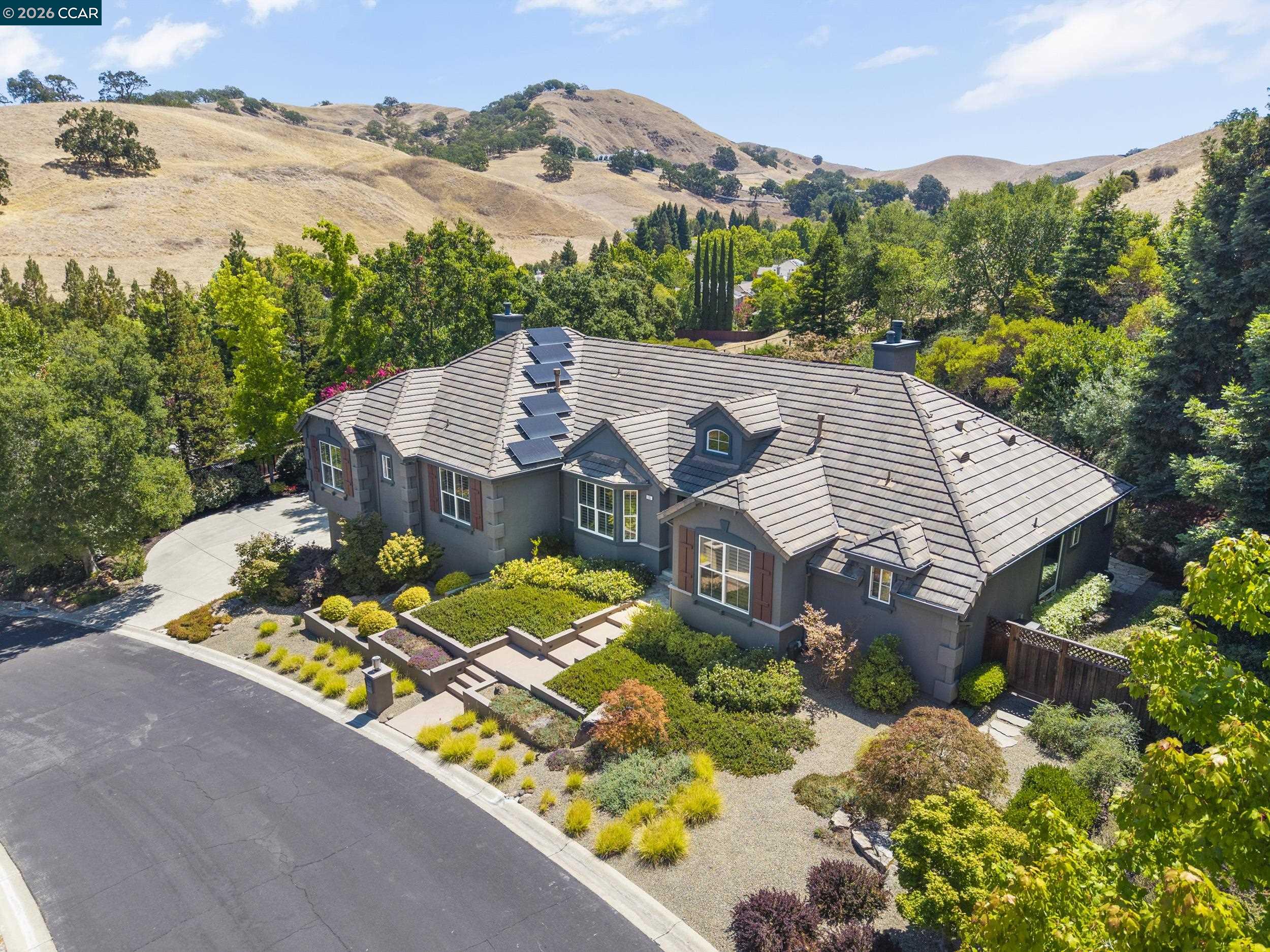
The community exudes a quiet sophistication that distinguishes it from its neighboring towns. Oak-studded hillsides frame panoramic views of Mount Diablo and the San Ramon Valley, while mature landscaping and winding roads create an atmosphere of privacy and permanence. Unlike the more urban-adjacent suburbs of the East Bay, Alamo has deliberately maintained its semi-rural identity—there are no traffic lights, no high-density developments, and no commercial sprawl. This intentional preservation of character has made Alamo one of California's most sought-after addresses for affluent families seeking the combination of world-class amenities, top-tier education, and the tranquility of country living within commuting distance of San Francisco and Silicon Valley.
With a population of approximately 15,000 residents and a median household income exceeding $385,000, Alamo represents the pinnacle of East Bay suburban living. The community attracts successful professionals, executives, and entrepreneurs who value privacy, space, and access to outdoor recreation. Its appeal extends beyond mere affluence—Alamo offers a genuine sense of community, with neighborhood traditions, local events at Alamo Plaza, and a weekly farmers' market that brings residents together in ways that larger, more transient communities cannot replicate.
Alamo occupies a privileged geographic position in central Contra Costa County, strategically situated between the cities of Walnut Creek to the north and Danville to the south along the I-680 corridor. This placement provides residents with the rare combination of immediate freeway access and complete insulation from highway noise and traffic—most Alamo neighborhoods are tucked into canyons and hillsides that feel worlds apart from the nearby arterials. The community spans approximately 18.5 square miles, with the western portions climbing into the Las Trampas hills and the eastern sections extending toward the dramatic western slopes of Mount Diablo.
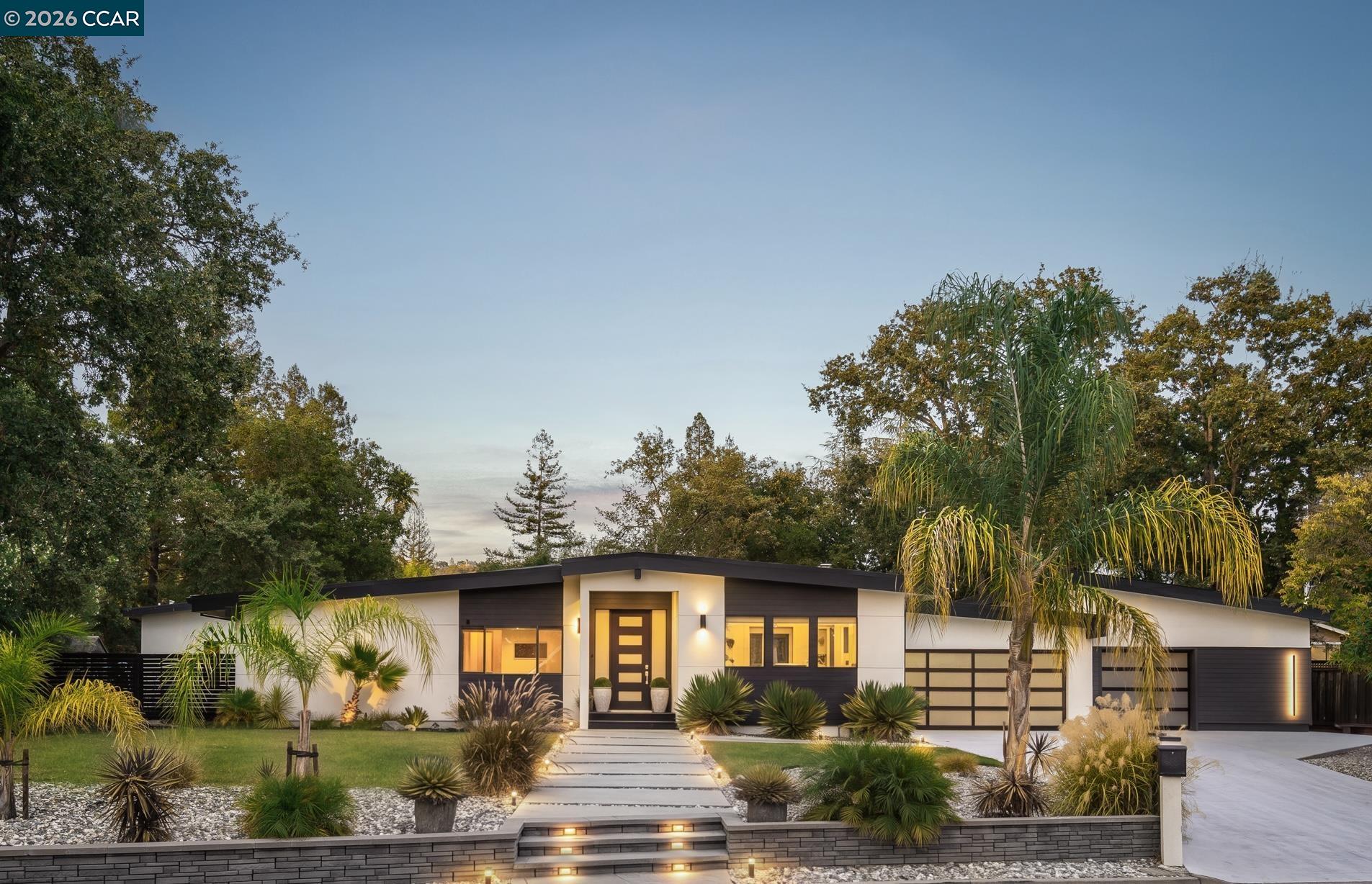
The population density in Alamo is notably low at roughly 700-800 people per square mile, reflecting the community's emphasis on spacious properties and single-family homes on generous lots. This stands in stark contrast to the denser development patterns found in neighboring Walnut Creek and San Ramon. The residential character is predominantly single-family homes, with estate properties ranging from half-acre lots to multi-acre compounds in areas like Westside Alamo and the Stonegate community.
Demographically, Alamo is characterized by established households with higher median ages than surrounding communities. The median age of approximately 50 reflects a population that includes many long-term residents who have raised families in the area and chosen to age in place, as well as affluent professionals in their peak earning years. The community is predominantly white (approximately 75%) with a significant Asian population (approximately 11%), and the educational attainment levels are exceptional—over 73% of adult residents hold bachelor's degrees or higher, with nearly 30% holding graduate or professional degrees. The workforce is heavily concentrated in professional services, finance, healthcare, and technology sectors, with many residents commuting to major employment centers in San Francisco, Oakland, and the Silicon Valley.
The decision to relocate to Alamo typically reflects a specific set of priorities that align with what this community uniquely offers. Unlike buyers drawn to urban walkability or trendy downtown scenes, Alamo's residents are seeking a fundamentally different lifestyle—one built around privacy, space, safety, and access to nature, while maintaining proximity to the cultural and economic resources of the greater Bay Area.
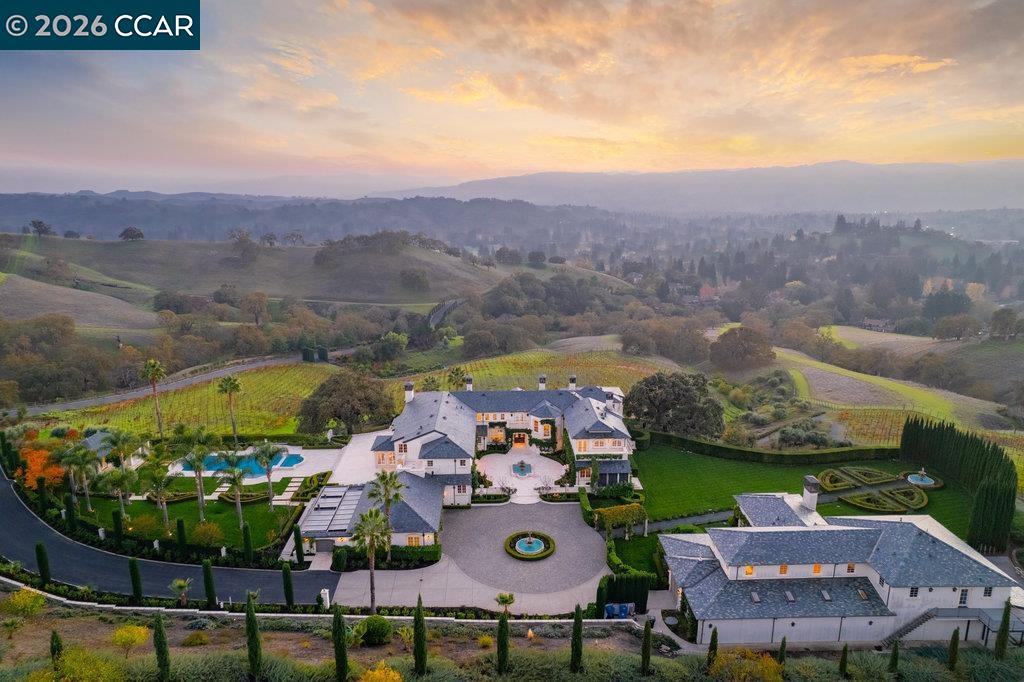
Privacy and Space: Alamo's defining characteristic is its emphasis on spacious, private properties. Most homes sit on lots of half an acre or more, with many estate properties encompassing one to five acres or beyond. This allows for amenities uncommon in Bay Area suburbs: private vineyards, horse facilities, tennis courts, extensive gardens, and genuine separation from neighbors. For families accustomed to the lot-line-to-lot-line development of Peninsula communities or the smaller yards of Lamorinda, Alamo's expansiveness represents a dramatic upgrade in daily living quality.
Safety and Security: Alamo consistently ranks among the safest communities in California. Crime rates are exceptionally low, and the combination of affluent demographics, established neighborhoods, and Contra Costa County Sheriff patrol presence creates an environment where residents routinely leave garage doors open and children play freely in front yards. Many of the most exclusive neighborhoods—including Stonegate, Jones Ranch, and portions of Round Hill—add gated entry for an additional layer of security and privacy.
Proximity to Urban Amenities: Despite its semi-rural character, Alamo is far from isolated. Downtown Walnut Creek—with Broadway Plaza's upscale shopping, diverse dining options, and professional services—is less than five minutes north. Downtown Danville, with its charming small-town atmosphere and excellent restaurants, lies immediately to the south. San Francisco is reachable in 35-45 minutes via BART or car, while Silicon Valley employment centers are accessible via I-680 south. This combination of pastoral living with urban accessibility is nearly impossible to replicate elsewhere in the Bay Area at Alamo's quality level.
Outdoor Recreation Access: Residents can access world-class hiking, mountain biking, and equestrian trails within minutes of their homes. Las Trampas Regional Wilderness, Mount Diablo State Park, and the Iron Horse Trail all border or pass through the community. For families with children who are active in sports, Round Hill Country Club provides tennis, swimming, and golf facilities, while numerous youth sports leagues operate through San Ramon Valley parks and recreation programs.
Alamo is served by the San Ramon Valley Unified School District (SRVUSD), consistently ranked among the top unified school districts in California and the nation. The district's academic performance places it in the top 3% of California unified school districts, with an Academic Performance Index historically exceeding 925 and proficiency rates in English Language Arts and Mathematics that dramatically outpace state averages. Over 94% of SRVUSD graduates attend college or university, with acceptance rates to University of California and California State University systems far exceeding state averages.
SRVUSD has earned the College Board's AP District Honor Roll every year of the program's existence—the only district in the United States to achieve this distinction. Individual schools within the district have received over 80 National Blue Ribbon and California Distinguished School awards since 2010, with SRVUSD earning more National Blue Ribbon School awards than any other district in California in 2022.
Elementary Schools: Alamo Elementary School serves students in grades K-5 with enrollment of approximately 350 students. The school consistently ranks in the top 10% of California elementary schools, with 82% of students proficient or above in mathematics and 77% in English Language Arts—significantly exceeding both district and state averages. Rancho Romero Elementary School, also serving Alamo residents, offers similar academic excellence with strong parent involvement and enrichment programming. Both schools feature low chronic absenteeism rates and serve predominantly affluent student populations with minimal free/reduced lunch eligibility.
Middle School: Stone Valley Middle School serves Alamo students in grades 6-8, providing a rigorous academic program that prepares students for the district's competitive high schools. The school offers accelerated math pathways, robust elective programming, and comprehensive extracurricular activities including competitive academic teams, performing arts, and athletics.
High Schools: Alamo students attend either Monte Vista High School in Danville or San Ramon Valley High School, depending on specific neighborhood boundaries. Both schools rank among the top high schools in California. Monte Vista High School is ranked 93rd in California and offers extensive AP coursework, with participation rates and pass rates that reflect the community's emphasis on academic achievement. Dougherty Valley High School, ranked 27th in California, serves some portions of the district. All SRVUSD high schools offer comprehensive college preparatory programs, competitive athletics, and diverse extracurricular opportunities.
Private School Options: While the public school quality in Alamo is exceptional, families also have access to prestigious private institutions including Athenian School in Danville, Bentley School in Lafayette and Oakland, and numerous parochial options throughout the Tri-Valley and Lamorinda areas.
Alamo's location at the intersection of multiple regional park systems provides residents with extraordinary access to outdoor recreation. The community is bordered by over 10,000 acres of protected open space, offering trail systems that range from gentle paved paths suitable for families with strollers to challenging backcountry routes for serious hikers and mountain bikers.
Las Trampas Regional Wilderness: This 5,342-acre preserve—managed by East Bay Regional Park District—forms Alamo's western boundary and provides the community's most dramatic hiking opportunities. The park features two parallel ridges (Las Trampas Ridge and Rocky Ridge) flanking Bollinger Canyon, with trails offering elevation gains of up to 900 feet and panoramic views extending from Mount Diablo to San Francisco Bay. The Ringtail Cat staging area on Hemme Avenue provides direct neighborhood access to the trail system. Las Trampas is known as "the tough guy of the East Bay Regional Park District" for its challenging terrain and remote character—visitors can spend entire days on its trails without encountering crowds. The preserve supports diverse wildlife including deer, bobcats, and occasional mountain lion sightings, along with spectacular wildflower displays in spring.
Iron Horse Regional Trail: This 32-mile paved multi-use trail runs directly through Alamo, connecting Dublin and Pleasanton to the south with Concord to the north. The trail follows the former Southern Pacific Railroad right-of-way, providing a flat, accessible route for walking, jogging, cycling, and inline skating. For Alamo residents, the Iron Horse Trail serves both recreational and practical purposes—it connects neighborhoods to downtown Danville and Walnut Creek shopping areas, and provides a car-free commute option to Walnut Creek BART station for those willing to bike approximately 4 miles.
Mount Diablo State Park: While not directly within Alamo's boundaries, Mount Diablo State Park is visible from virtually every Alamo property and accessible within a 15-20 minute drive. The 20,000+ acre park offers over 80 miles of trails, from beginner-friendly paths through oak woodlands to strenuous climbs to the 3,849-foot summit. The views from Mount Diablo's peak are among the most extensive in North America—on clear days, visibility extends from the Sierra Nevada to the Farallon Islands. Shell Ridge Open Space, accessible from Alamo's eastern neighborhoods, provides connecting trails to Mount Diablo's western flank.
Eugene O'Neill National Historic Site: Tucked into the Las Trampas hills above Alamo, Tao House was the final home of America's only Nobel Prize-winning playwright, Eugene O'Neill. Here, surrounded by views of Mount Diablo, O'Neill wrote his final masterpieces including Long Day's Journey Into Night and The Iceman Cometh. The National Park Service offers guided tours by reservation, with shuttle service from downtown Danville. For residents interested in cultural attractions, this unique site provides a connection to American literary history within walking distance of some Alamo neighborhoods.
Local Parks: Alamo maintains several community parks including Livorna Park (4.4 acres with gazebo, bocce court, playground, and sports court), Hap Magee Ranch Park (shared with Danville at 1025 La Gonda Way), and school parks at Alamo Elementary and Rancho Romero that open to the public after school hours.
Round Hill Country Club: For residents seeking private recreational facilities, Round Hill Country Club has been the social and athletic hub of Alamo since 1959. The club offers an 18-hole championship golf course (designed by William F. Bell), 15 tennis courts with night lighting, an 8-lane competition swimming pool heated for year-round use, a fitness center, bocce courts, and elegant dining facilities. Membership is private and limited, but club amenities significantly enhance the lifestyle for member families—particularly those with children involved in competitive swimming or tennis programs.
Alamo's commercial footprint is deliberately limited—a reflection of the community's preference for residential character over commercial development. The primary commercial hub is Alamo Plaza, a neighborhood shopping center anchored by Safeway and Rite Aid at the intersection of Stone Valley Road and Danville Boulevard. The plaza, recently revitalized with new murals and community gathering spaces, provides essential daily conveniences including a farmers' market every Sunday from 9 AM to 2 PM. Local businesses at Alamo Plaza include Peet's Coffee, Five Guys, Panera Bread, and various professional services. The center functions as Alamo's unofficial town square—the place where neighbors encounter each other during weekend errands and where community events periodically bring residents together.
For dining, shopping, and services beyond daily necessities, Alamo residents benefit from exceptional proximity to two distinct retail and restaurant destinations. Downtown Danville, immediately to the south, offers a charming walkable main street with upscale boutiques, galleries, and acclaimed restaurants including Bridges Restaurant (a 28-year Bay Area institution), Forbes Mill Steakhouse, Incontro Ristorante, and Danville Harvest. The Danville dining scene emphasizes farm-to-table California cuisine, intimate wine bars, and family-friendly options—perfect for casual weeknight dinners or special occasion celebrations.
Downtown Walnut Creek, approximately five minutes north, provides a more urban retail experience. Broadway Plaza—an open-air upscale shopping center featuring Nordstrom, Macy's, Apple, lululemon, and over 80 premier retailers—offers shopping comparable to San Francisco Union Square without the parking challenges. The center recently added Original Joe's (the legendary San Francisco Italian-American restaurant's first East Bay location), joining existing dining options including True Food Kitchen, Bounty Hunter, and numerous other restaurants. Walnut Creek's downtown extends beyond Broadway Plaza with additional dining, entertainment, and nightlife options along Main Street and Locust Street.
Professional services in Alamo and surrounding areas include Kaiser Permanente medical facilities in Walnut Creek, John Muir Health hospitals, and comprehensive medical specialist offices throughout the Tri-Valley. Legal, financial, and other professional services are readily available in both Walnut Creek and Danville business districts.
Alamo's transportation profile reflects its car-dependent suburban character, but several factors make commuting more manageable than in many Bay Area communities. The community's position along the I-680 corridor provides direct freeway access to major employment centers, while BART accessibility offers an alternative for San Francisco and Oakland commuters willing to incorporate some driving or cycling into their transit routine.
Freeway Access: I-680 runs along Alamo's eastern edge with convenient on-ramps at Stone Valley Road, Livorna Road, and El Pintado Road. This positioning allows residents to reach downtown Walnut Creek in approximately 5 minutes, Oakland in 25-30 minutes (via CA-24), San Francisco in 35-45 minutes (via CA-24 and Bay Bridge), and San Jose/Silicon Valley in 30-45 minutes heading south. The average commute time for Alamo residents is approximately 29 minutes—comparable to or better than many Peninsula and South Bay communities located closer to major employment centers.
BART Access: Walnut Creek BART station, served by the Yellow Line, is approximately 4 miles north of central Alamo—roughly a 10-12 minute drive or 20-25 minute bike ride via the Iron Horse Trail. From Walnut Creek BART, trains reach downtown San Francisco (Powell Street) in approximately 38 minutes, with service running every 15 minutes during peak hours. The station offers paid parking, though spaces fill quickly on weekday mornings. For residents of the Alamo Creek, Monterosso, and Ponderosa Colony neighborhoods, a dedicated Alamo Creek Shuttle provides free commute-hour service to Walnut Creek BART with advance reservation. Pleasant Hill BART station provides an alternative for some northern Alamo neighborhoods.
Commute Realities: While Alamo's location offers multiple commute options, prospective residents should realistically assess their specific employment situation. I-680 experiences significant congestion during peak commute hours, particularly at the CA-24 interchange and through the Sunol Grade heading south. The morning commute to San Francisco can extend to 60-75 minutes during peak traffic, while reverse commutes from the city to Alamo typically run 45-50 minutes. Hybrid work arrangements have become increasingly common among Alamo residents, with many professionals commuting to offices only 2-3 days per week and working from home offices in their spacious Alamo properties the remaining days.
Local Transportation: County Connection bus routes 21 and 5 serve portions of Alamo with connections to Walnut Creek BART and surrounding communities, though service frequency and coverage are limited. For most residents, automobile ownership is essential for daily activities. The average Alamo household owns 3 vehicles, reflecting both the community's affluence and its car-dependent character.
Alamo's real estate market represents one of the most exclusive segments of Bay Area housing, characterized by high price points, limited inventory, and sophisticated buyer demographics. The market dynamics differ substantially from more transactional suburban markets—transactions in Alamo tend to involve families making long-term commitments to the community rather than investors or short-term residents.
Pricing: As of 2025, the median home value in Alamo hovers around $2.4-2.5 million, making it one of the most expensive communities in Contra Costa County. However, this median obscures significant variation—entry-level homes (typically older ranch-style properties on smaller lots) may list in the $1.8-2.2 million range, while premium estates in neighborhoods like Round Hill, Stonegate, and Westside Alamo regularly command $4-8 million or more. The median price per square foot runs approximately $700-825, though this metric varies dramatically based on lot size, views, and property condition.
Market Conditions: Alamo currently operates as a competitive seller's market with approximately 2-3 months of housing inventory—below the 4-month threshold that typically defines market balance. Homes that are appropriately priced and well-presented typically sell within 20-30 days, though this represents a significant slowdown from the 9-day average seen in previous years. The sale-to-list price ratio has historically ranged from 100-105%, indicating that buyers should be prepared to offer at or above asking price for desirable properties.
Inventory Trends: Active inventory in Alamo has increased moderately from pandemic-era lows, with approximately 50-70 single-family homes typically available at any given time. New construction is extremely limited due to the built-out nature of the community and the difficulty of obtaining approvals for subdivisions. Most "new" inventory comes from estate sales, relocations, and occasional custom home projects on the few remaining buildable lots. Ball Estates, a new development in Westside Alamo offering half-acre homesites with approved building plans, represents a rare opportunity for buyers seeking new construction.
Appreciation Trends: Alamo home values have shown steady long-term appreciation, though annual rates have been more modest than some Bay Area markets—approximately 5-6% annually over the past decade. The market demonstrated resilience during 2022-2023's higher interest rate environment, with prices remaining relatively stable while transaction volume declined. Recent data shows prices up approximately 5% year-over-year, suggesting renewed buyer interest as mortgage rate volatility has stabilized.
Buyer Migration Patterns: According to search data from major real estate platforms, approximately 76% of Alamo homebuyers are searching within the San Francisco metropolitan area, indicating strong local demand from families upgrading from starter homes in less expensive East Bay communities or relocating from San Francisco and the Peninsula. Out-of-area interest comes notably from Honolulu, reflecting continued migration from Hawaii to California, as well as from other West Coast metros. When Alamo residents sell, the most common destination metros are Sacramento (retirees or those seeking lower costs of living), Portland, and San Diego.
Purchasing a home in Alamo involves considerations beyond standard real estate due diligence. The community's unique characteristics—including its unincorporated status, environmental factors, and high-value property profile—require buyers to carefully evaluate several specific factors before committing to a purchase.
Wildfire Risk and Insurance: This is arguably the most critical consideration for Alamo buyers. Redfin data indicates that 100% of Alamo properties face some wildfire risk over the next 30 years, with many properties located in high or very high fire hazard severity zones as designated by CAL FIRE. The proximity to Las Trampas Regional Wilderness and the hillside topography create conditions conducive to fire spread. Insurance implications are significant—many standard carriers have exited California wildfire markets, and homeowners in high-risk zones may need to obtain coverage through the California FAIR Plan or specialized carriers at substantially higher premiums. Buyers should obtain insurance quotes before removing contingencies and factor ongoing premium costs (which can exceed $10,000-15,000 annually for high-value hillside properties) into their ownership calculations. Defensible space requirements and fire-resistant landscaping investments should also be anticipated.
Flood Zone Considerations: While Alamo is not generally characterized as a flood-prone area, approximately 20% of properties have minor to moderate flood risk according to First Street Foundation data. Properties near creek beds, at the base of hillsides, or in lower-lying portions of the community should be evaluated for drainage issues, particularly given increasingly intense winter storms. Review FEMA flood maps and consider flood insurance even for properties not in designated flood zones.
HOA and CC&Rs: Many of Alamo's most desirable neighborhoods—including Stonegate, Jones Ranch, Stone Castle Estates, Stonebridge Estates, and portions of Round Hill—are governed by homeowners associations with associated fees, architectural review requirements, and community rules. HOA fees typically range from $150-500 monthly depending on community amenities and gate maintenance requirements. Buyers should carefully review CC&Rs for restrictions on rentals, ADU construction, exterior modifications, and other potential limitations on property use. Some older neighborhoods operate under property owners associations (POAs) with less restrictive requirements.
Property Age and Condition: Alamo's housing stock spans multiple eras—approximately 27% of homes were built between 1940-1969, 56% between 1970-1999, and only about 14% since 2000. Older properties may require significant updating of mechanical systems, electrical panels, plumbing, and roofing. Buyers should budget for potential foundation issues, particularly in hillside homes, and should obtain thorough inspections including geological assessments for properties on or near slopes. Many mid-century homes have been substantially remodeled, but quality varies—verify permit history for any additions or modifications.
School Boundary Verification: While all of Alamo is served by SRVUSD, specific school assignments depend on property location. Buyers with school-age children should verify exact school boundaries for their desired properties, as assignments to particular elementary schools and high schools (Monte Vista vs. San Ramon Valley) may influence home selection. Boundaries can shift, so confirm current assignments directly with the district rather than relying on historical information.
Septic and Well Systems: Some Alamo properties, particularly those on larger lots in more rural portions of the community, may utilize septic systems rather than municipal sewer connections. Wells are less common but exist on some properties. These systems require specific inspections, ongoing maintenance, and may affect ADU development potential.
Property Taxes: Contra Costa County property taxes run approximately 1.1-1.2% of assessed value annually, plus any special assessments or Mello-Roos districts. For a $2.5 million home, annual property taxes will typically exceed $27,000-30,000. Buyers should obtain exact tax estimates from the county assessor and factor these substantial ongoing costs into their budget.
Transaction Speed: Well-priced Alamo properties in desirable neighborhoods can receive multiple offers within days of listing. Buyers should have financing pre-approval in hand, be prepared to act decisively, and consider strategies such as pre-inspections or escalation clauses for competitive situations. Working with an agent who specializes in Alamo and has relationships with local listing agents can provide crucial early access to coming-soon properties.
Selling a high-value property in Alamo requires strategic planning that accounts for the community's distinctive buyer demographics, seasonal market patterns, and the presentation standards expected at luxury price points. The typical Alamo seller has owned their property for 10-20+ years, making the decision to list a significant financial and emotional undertaking.
Optimal Timing and Seasonality: The Alamo market follows predictable seasonal patterns, though less dramatically than some Bay Area submarkets. Spring (March through May) historically produces the highest buyer activity, as families aim to complete purchases before summer and the new school year. Homes listed in spring typically achieve the highest sale prices and fastest transaction times. Summer can be strong through June but softens in July-August as vacation schedules reduce showing activity. Fall brings a secondary peak in September-October as buyers who missed spring inventory re-enter the market. Winter listings (November through February) face reduced buyer pools but also less competition—well-priced properties during this period can attract motivated buyers who appreciate having options during the slower season.
Pricing Strategy: Strategic pricing is critical in Alamo's sophisticated market. Overpricing relative to recent comparable sales typically results in extended days on market and eventual price reductions—both of which can stigmatize a listing. Buyers at this price point are well-informed and will recognize pricing that doesn't align with the property's competitive position. Work with an agent who has deep Alamo experience to analyze recent sales (not just list prices) of truly comparable properties, accounting for differences in lot size, views, condition, and neighborhood prestige. Properties priced appropriately for their condition and location typically sell at or above asking price; overpriced properties often ultimately sell for less than they would have with accurate initial pricing.
Buyer Demographics: Understanding who buys in Alamo helps inform marketing and presentation decisions. The typical Alamo buyer is a professional family with household income exceeding $500,000-750,000, often upgrading from a first home in another East Bay community or relocating from San Francisco or the Peninsula. Many buyers have children approaching or in school age and prioritize the SRVUSD schools. Remote work flexibility has expanded the buyer pool to include technology professionals who previously required Peninsula proximity. Luxury estate buyers (properties above $4 million) may include executives, entrepreneurs, and professionals seeking primary or secondary residences that offer privacy and prestige.
Preparation and Staging: At Alamo price points, buyers expect move-in ready presentation. Professional staging is virtually mandatory and should emphasize the lifestyle the property enables—comfortable living spaces, indoor-outdoor flow, home office functionality, and family accommodation. Consider addressing deferred maintenance before listing: refreshed landscaping, interior painting in current neutral tones, updated lighting fixtures, and professional cleaning can dramatically improve first impressions. Buyers in this market will inspect properties thoroughly, so addressing obvious maintenance issues upfront prevents negotiation leverage and inspection surprises.
Value-Adding Improvements: For sellers considering pre-sale improvements, certain updates consistently generate returns in the Alamo market. Kitchen and primary bathroom modernization (if dated) typically return 70-90% of investment. Outdoor living improvements—including pool/spa updates, outdoor kitchen additions, and landscaping upgrades—resonate strongly with Alamo buyers who prioritize the property's full acreage. ADU addition may add value for certain buyer segments, though the investment should be carefully analyzed against expected returns. Swimming pool additions for properties that lack them can be value-positive in Alamo's climate, unlike markets where pools are viewed as maintenance liabilities.
Disclosure Preparation: California's disclosure requirements are extensive, and thorough preparation helps transactions proceed smoothly. Compile complete permit history for any modifications, document any known issues with property systems, and consider pre-listing inspections (pest, property, roof) to identify and address concerns before buyers discover them. For properties in fire hazard zones, prepare documentation of defensible space compliance and any fire-hardening improvements.
Marketing Considerations: Effective marketing of Alamo properties extends beyond MLS listing. Professional photography (including aerial/drone imagery for estate properties), 3D virtual tours, and lifestyle-focused property videos have become standard expectations. Agent networks and pocket listings can generate pre-market interest, though California disclosure rules limit true off-market sales. Highlight school assignments, proximity to trails and recreation, and specific neighborhood amenities in marketing materials.
Alamo contains several distinct micro-neighborhoods and estate areas that command premium prices and generate exceptional buyer interest. Understanding these variations helps both buyers identify appropriate search areas and sellers position their properties within the community's hierarchy.
Round Hill Country Club: The neighborhoods surrounding Round Hill Country Club—including Roundhill Oaks, Windsor Green, and Regina Woods—represent some of Alamo's most established prestige addresses. Built primarily in the 1960s and 1970s, these areas offer homes from 2,000 to over 5,000 square feet on lots typically ranging from one-third acre to over an acre, many with golf course views or frontage. The proximity to Round Hill's clubhouse and amenities adds lifestyle value for golf, tennis, and swimming-focused families. Recent sales in prime Round Hill locations have ranged from $2.5 million to $5+ million, with the most desirable golf course lots commanding significant premiums. The Round Hill Property Owners Association encompasses 396 residences and is separate from country club membership.
Westside Alamo: The western portion of Alamo, climbing into the foothills toward Las Trampas Regional Wilderness, contains some of the community's most exclusive properties. This area offers the largest lot sizes (often 1-5+ acres), the most dramatic views, and the greatest sense of privacy and removal from suburban development. Neighborhoods here include Bryan Ranch, portions of Stone Valley Road, and various custom home enclaves along private lanes. The trade-off is longer distances to freeway access and daily amenities. Ball Estates, a new development offering half-acre homesites with approved custom home plans, represents a rare new construction opportunity in this coveted area. Westside properties typically command $3-8 million depending on size, views, and improvements.
Stonegate: This gated community at the foot of Mount Diablo offers a luxurious retreat combining security, natural beauty, and modern amenities. Custom homes here were built primarily in the late 1990s through 2000s, ranging from 3,500 to over 8,000 square feet on lots of one-third to one acre. The gated entry, Mount Diablo views, and proximity to Shell Ridge open space trails make Stonegate particularly attractive to families seeking both security and outdoor access. Property values typically range from $3 to $6 million.
Jones Ranch: This gated luxury community was established in the 1990s on the west side of Alamo, near Alamo Plaza. Homes range from 3,000 to nearly 7,000 square feet on half-acre to one-acre wooded lots, offering a combination of privacy and convenience—residents can walk to Alamo Plaza's shops and restaurants. The mature landscaping and established neighborhood character appeal to buyers seeking move-in ready estate properties without the longer drives required in more remote Westside locations.
Stonebridge Estates and Sherman Ranch: Located at the end of Livorna Road, these adjacent communities offer luxury living with Mount Diablo views in a semi-rural setting. Stonebridge homes, built primarily in 1997-1998, range from 3,000 to 5,000+ square feet with three and four-car garages on one-third to half-acre lots. Later custom additions expanded the community with homes reaching 5,000-8,000 square feet. Sherman Ranch offers similar characteristics with its own distinct character. Both communities provide quick access to Livorna Road's I-680 on-ramp while maintaining a secluded, estate-home atmosphere.
Alamo Oaks: For buyers seeking historic character combined with modern updates, Alamo Oaks (located off Stone Valley Road) offers unique appeal. Original homes date from the 1930s-1960s, ranging from 1,300 to 3,000 square feet on expansive lots—some exceeding three acres. Many have been extensively remodeled, and newer additions from the 1970s forward reach 5,000 square feet. The rural atmosphere and the ability to keep horses and other animals on these large parcels attracts buyers seeking genuine country living within the community.
Alamo Springs: Located at the end of La Gonda Way near the Danville border, this secluded community offers custom luxury homes built primarily between 2000-2006 in a serene setting with convenient access to I-680 and downtown Danville. The newer construction and high-end finishes appeal to buyers who prefer contemporary luxury over the vintage character of Alamo's older stock.
Stone Castle Estates: This gated community off Danville Boulevard offers semi-custom homes built between 1999-2001, ranging from 2,900 to 4,200 square feet on half-acre to one-acre lots. The more recent construction dates and gated security appeal to buyers seeking lower maintenance than older estate properties while still enjoying substantial lot sizes and community exclusivity.
White Gate: This established neighborhood is known for its upscale homes and strong sense of community, offering well-maintained properties that appeal to families seeking the Alamo lifestyle without the higher price points of gated communities or Westside estates.
Alamo is not for everyone, nor does it try to be. This is a community that has intentionally preserved its character and positioned itself for a specific type of resident. Understanding whether Alamo aligns with your priorities is essential before investing in this market.
Alamo is ideal for: Affluent families who prioritize exceptional public schools and are willing to pay premium prices to secure SRVUSD education for their children. Empty nesters and established professionals who have earned the ability to trade up from their starter homes and want substantial property without leaving the Bay Area. Executives and entrepreneurs who need San Francisco or Silicon Valley accessibility but refuse to sacrifice living space and privacy for proximity. Outdoor enthusiasts who want world-class hiking, biking, and nature access from their back door, not their car. Families seeking a tight-knit community where neighbors know each other, children can play safely outdoors, and long-term roots matter more than transient convenience. Buyers who value privacy, mature landscaping, and the absence of commercial development over walkability scores and urban amenities. Professionals with hybrid or remote work arrangements who spend fewer days commuting and more days enjoying their homes and surroundings.
For those whose priorities align with what Alamo offers—world-class schools, spacious properties, safety, natural beauty, and community stability—few Bay Area locations can match its combination of lifestyle benefits. The premium prices reflect genuine, sustainable value for residents who intend to put down roots and raise families or enjoy their established years in one of California's most distinguished residential communities. Whether buying or selling, success in the Alamo market requires understanding and embracing what makes this community distinctive.
There's plenty to do around Alamo, including shopping, dining, nightlife, parks, and more. Data provided by Walk Score and Yelp.
Explore popular things to do in the area, including Skylar Haley, House of Fashion Wigs, and Round Hill Tennis Pro Shop.
| Name | Category | Distance | Reviews |
Ratings by
Yelp
|
|---|---|---|---|---|
| Dining | 1.39 miles | 0 reviews | 0/5 stars | |
| Shopping | 1.43 miles | 0 reviews | 0/5 stars | |
| Active | 0.13 miles | 0 reviews | 0/5 stars | |
| Active | 0.18 miles | 0 reviews | 0/5 stars | |
| Active | 1.11 miles | 0 reviews | 0/5 stars | |
| Active | 1.39 miles | 0 reviews | 0/5 stars | |
| Beauty | 0.18 miles | 11 reviews | 5/5 stars | |
| Beauty | 0.84 miles | 5 reviews | 4.4/5 stars | |
| Beauty | 0.84 miles | 0 reviews | 0/5 stars | |
| Beauty | 0.84 miles | 2 reviews | 5/5 stars | |
| Beauty | 1.06 miles | 12 reviews | 5/5 stars | |
| Beauty | 1.39 miles | 36 reviews | 3/5 stars | |
| Beauty | 1.39 miles | 3 reviews | 5/5 stars | |
| Beauty | 1.39 miles | 0 reviews | 0/5 stars | |
| Beauty | 1.39 miles | 0 reviews | 0/5 stars | |
| Beauty | 1.39 miles | 3 reviews | 5/5 stars | |
| Beauty | 1.42 miles | 0 reviews | 0/5 stars | |
| Beauty | 1.42 miles | 0 reviews | 0/5 stars | |
| Beauty | 1.44 miles | 0 reviews | 0/5 stars | |
| Beauty | 1.46 miles | 0 reviews | 0/5 stars | |
| Beauty | 1.46 miles | 0 reviews | 0/5 stars | |
|
|
||||
|
|
||||
|
|
||||
|
|
||||
|
|
||||
|
|
Alamo has 5,181 households, with an average household size of 2.79. Data provided by the U.S. Census Bureau. Here’s what the people living in Alamo do for work — and how long it takes them to get there. Data provided by the U.S. Census Bureau. 14,546 people call Alamo home. The population density is 1,299 and the largest age group is Data provided by the U.S. Census Bureau.
Total Population
Population Density Population Density This is the number of people per square mile in a neighborhood.
Median Age
Men vs Women
Population by Age Group
0-9 Years
10-17 Years
18-24 Years
25-64 Years
65-74 Years
75+ Years
Education Level
Total Households
Average Household Size
Average individual Income
Households with Children
With Children:
Without Children:
Marital Status
Blue vs White Collar Workers
Blue Collar:
White Collar: