1,072 people live in Diablo, where the median age is 37.7 and the average individual income is $102,363. Data provided by the U.S. Census Bureau.
Total Population
Median Age
Population Density Population Density This is the number of people per square mile in a neighborhood.
Average individual Income
Diablo is the kind of place most Bay Area residents have driven past for years without ever realizing it exists. Tucked at the base of its namesake mountain, screened by heritage oaks and accessed by narrow private lanes, it remains one of Northern California's least understood and most coveted addresses. This guide is written for buyers, sellers, and the simply curious who want to understand what actually makes Diablo different—not in the language of a brochure, but from the perspective of someone who has worked these streets for decades.
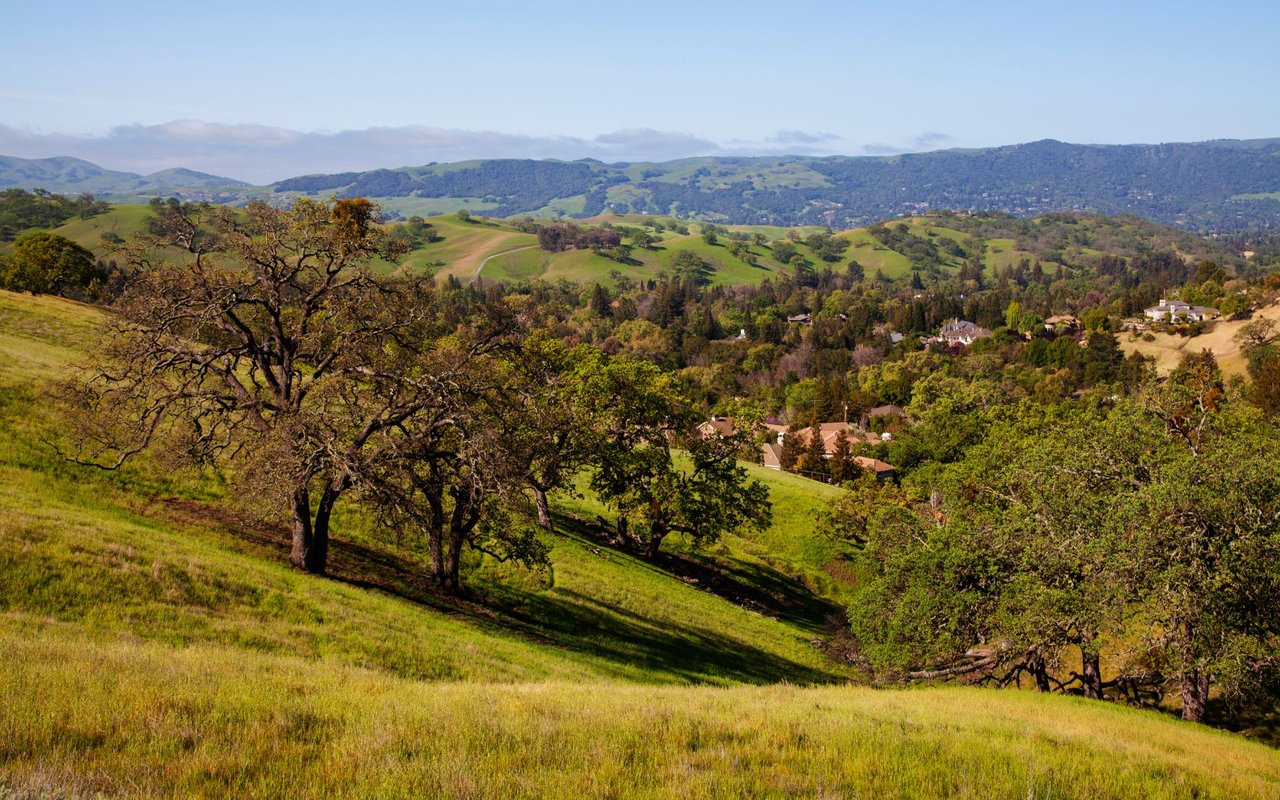
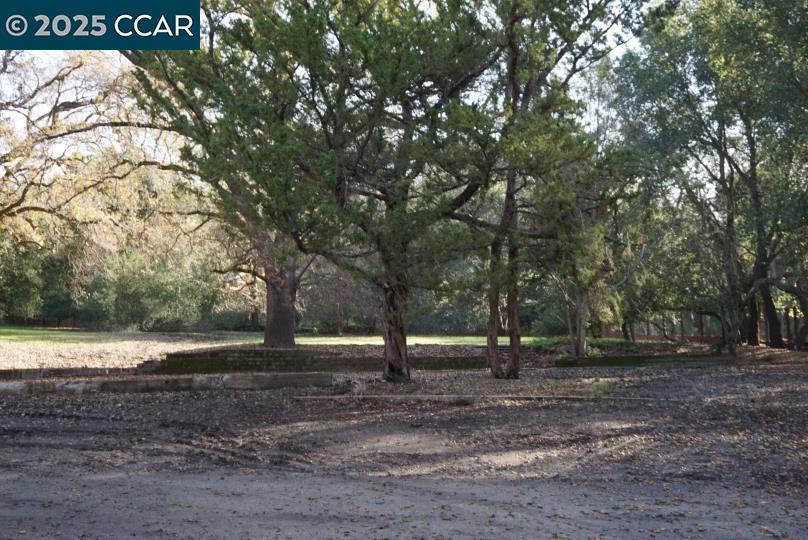
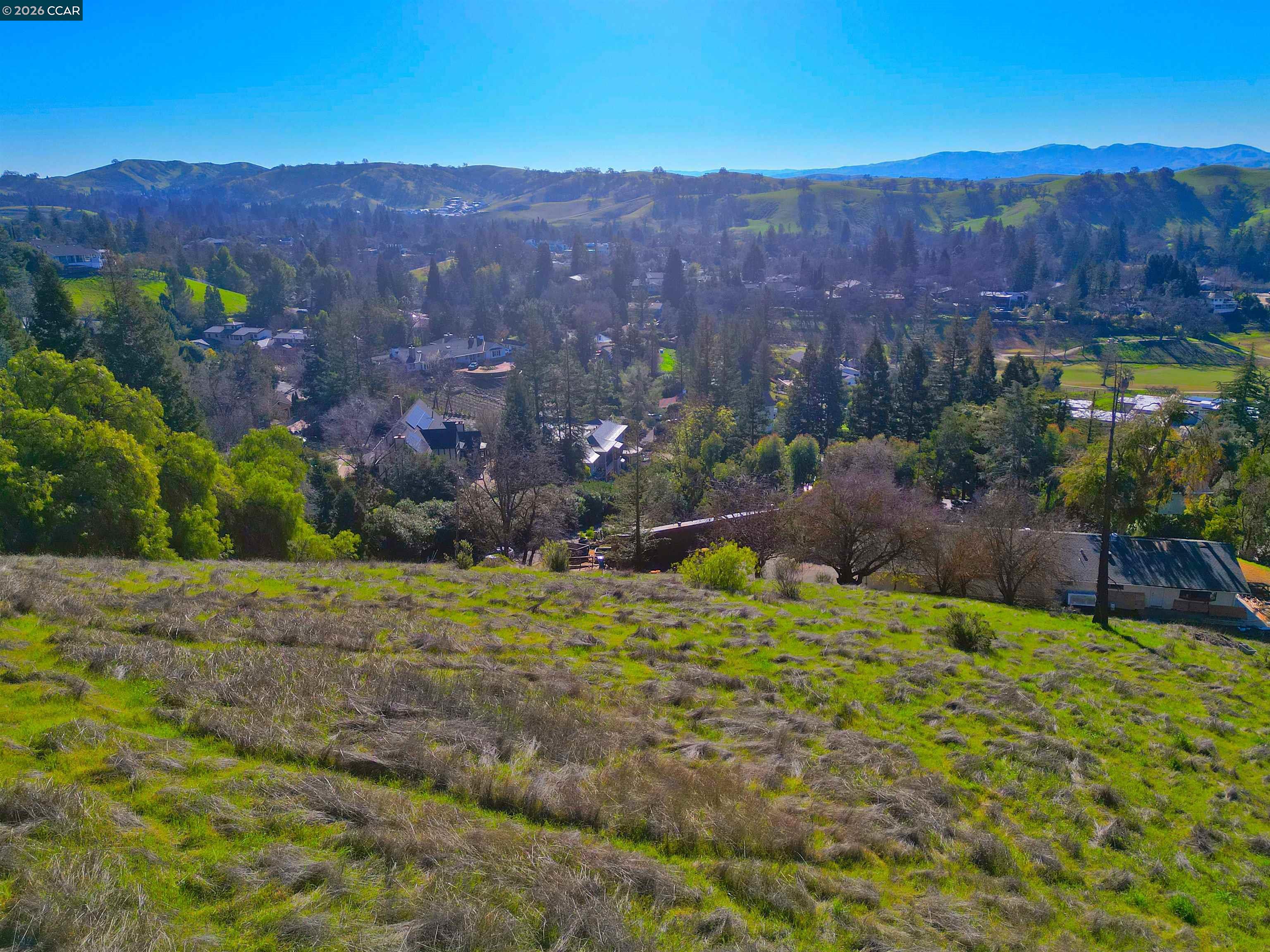
Diablo is an unincorporated community of roughly 1,000 residents spread across about 1.4 square miles directly at the foot of Mount Diablo. What strikes most people first is what isn't here: no strip malls, no stoplights, no commercial corridor of any kind. Aside from the historic country club and a tiny local post office, Diablo has been deliberately kept free of development for over a century.
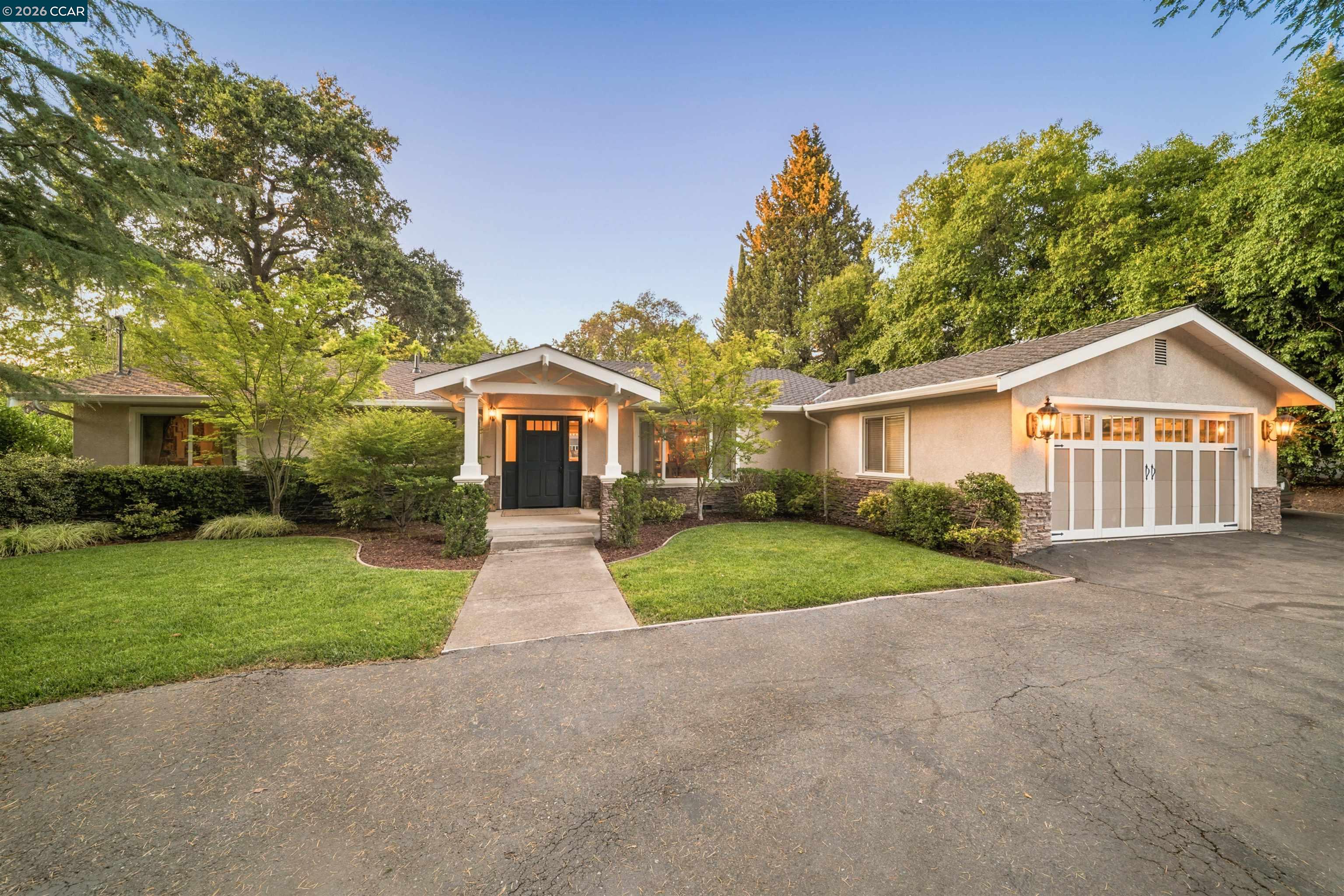
The enclave holds approximately 400 custom estates, and "custom" is the operative word—there is no such thing as a tract home in Diablo. Properties range from meticulously preserved century-old manors to multi-million-dollar modern villas and sprawling ranch estates, many with direct fairway views or perched in the gated foothills. Despite the seclusion, Diablo sits just 2.5 miles from downtown Danville, giving residents a rare combination: rural privacy with the 20,000-acre Mount Diablo State Park as a backyard, and high-end dining, boutique shopping, and top-rated schools only minutes away.
If there is a single word for the Diablo experience, it's insulated—from traffic, from noise, from the churn of the surrounding suburbs, and from the passage of time itself.
Diablo's story follows a distinctly Californian arc: from working ranchland, to high-society playground, to guarded residential enclave.
In the decades following the Gold Rush, the land south of Mount Diablo was used for agriculture and livestock, passing through several owners and operating under names like the Railroad Ranch and the Cook Ranch before becoming the 6,000-acre Oakwood Park Stock Farm by 1890. The property was a diversified operation complete with orchards, grain fields, and a 30-million-gallon reservoir known as Diablo Lake.
The turning point came in 1912, when entrepreneur Robert Noble Burgess purchased the farm with a vision he described as "A Community with an Ideal." Burgess set out to build a summer resort where wealthy San Franciscans could escape the city's relentless summer fog. He converted the original ranch mansion into the club's Inn, turned the billiard hall into the formal clubhouse, and hired golf architects Jack Neville—who would later co-design Pebble Beach—and William Watson to build a premier course. To draw buyers, he coordinated special electric trains nicknamed the "Millionaire Special" to ferry the Bay Area elite out to the valley for dances, parties, and equestrian events. A post office opened in 1916, and affluent families began building permanent summer homes.
World War I strained Burgess's finances and his enterprise dissolved by 1919, but the community's footprint was already set. The opening of the I-680 corridor in 1964 accelerated Diablo's shift from a seasonal retreat into a year-round neighborhood, and in 1961 club members purchased the country club outright to preserve its heritage. Today the community fiercely guards that legacy—the original layout, the private roads, and the quiet elegance Burgess imagined more than a hundred years ago all remain intact.
The Diablo market behaves less like a suburban neighborhood and more like an ultra-luxury niche asset class. Standard metrics—median price, days on market—can be misleading here, because a single sale can move the averages dramatically when only a handful of homes trade in a given year.
Entry-level homes generally start well above $2.5 million, but the true estate market runs considerably higher. Here is how pricing typically breaks down:
| Segment | Approximate Range |
|---|---|
| Entry-level homes | $2.5M+ |
| Median listing (core estate park) | $5M – $6.5M |
| Premier legacy & fairway estates | $7M – $11M+ |
The defining feature of this market is scarcity. With only about 400 homes in the entire community, it is common to find fewer than 10 to 15 actively listed at any one time. Families hold these properties for decades and frequently pass them down through generations, so when a home does come available, it's a genuine local event that draws competitive offers from buyers who have been waiting specifically for a Diablo address.
That dynamic keeps the community firmly in seller's-market territory regardless of broader conditions. Well-priced homes often go pending within 20 to 30 days—fast for the ultra-luxury tier—and the most desirable properties occasionally sell within days, sometimes with contingencies waived. Buyers today place a particular premium on Diablo's large lots, private gates, and the room to add guest cottages, ADUs, or even small private vineyards.
What separates Diablo from neighboring master-planned luxury communities like Blackhawk is the complete absence of repetition. Every home reflects a different era, owner, and architectural intention, and the result is a neighborhood that reads more like an open-air history of California residential design than a development.
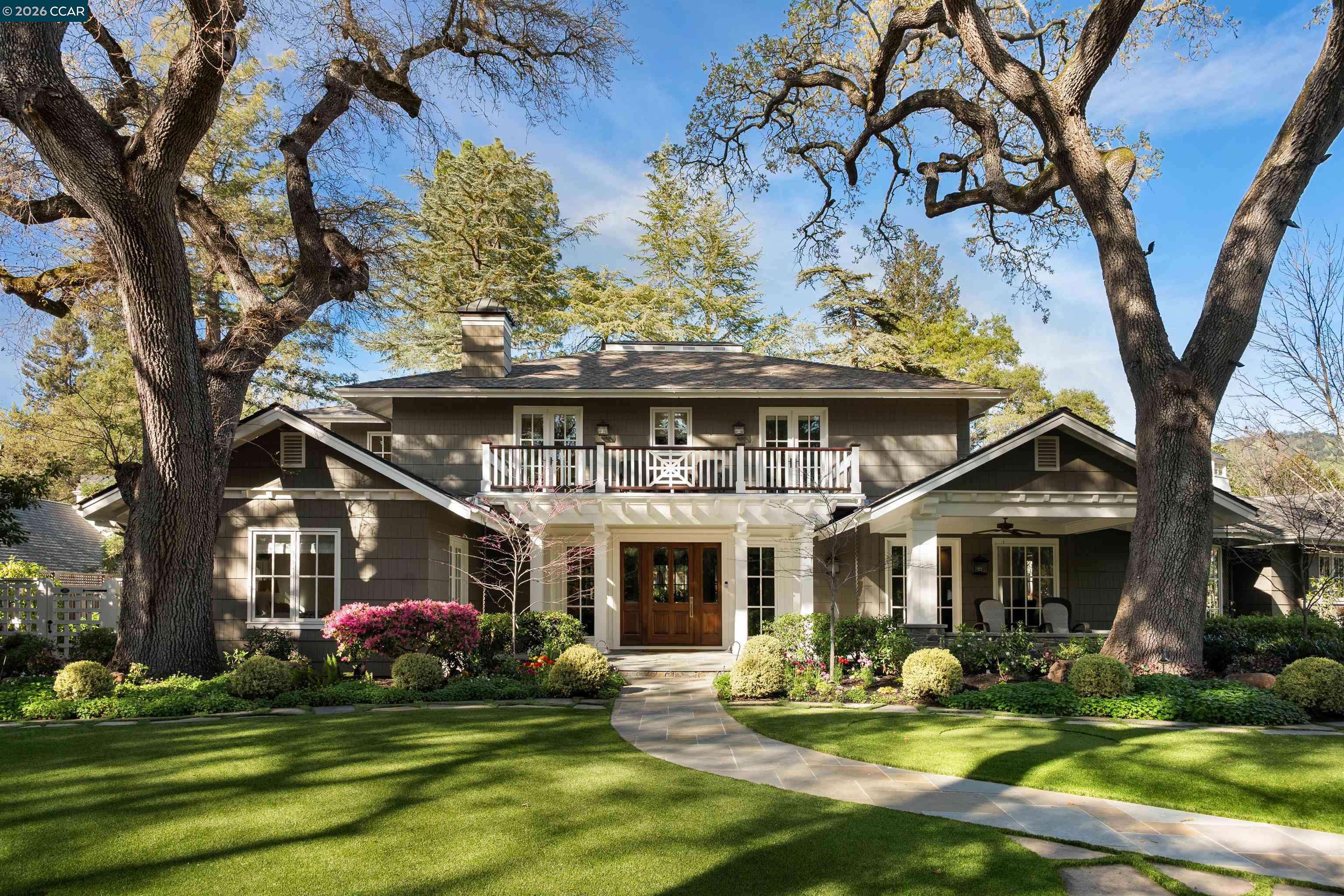
In the lower, flatter sections around the country club, you'll find historic estates dating to the 1910s and 1920s—Classic California Craftsman, Colonial Revival, and English Tudor homes with wrap-around porches, formal gardens, and century-old stone retaining walls. Many were originally built as summer "cabins" for San Francisco's early-20th-century elite and have since been carefully retrofitted with modern luxury interiors while keeping their historic facades intact.
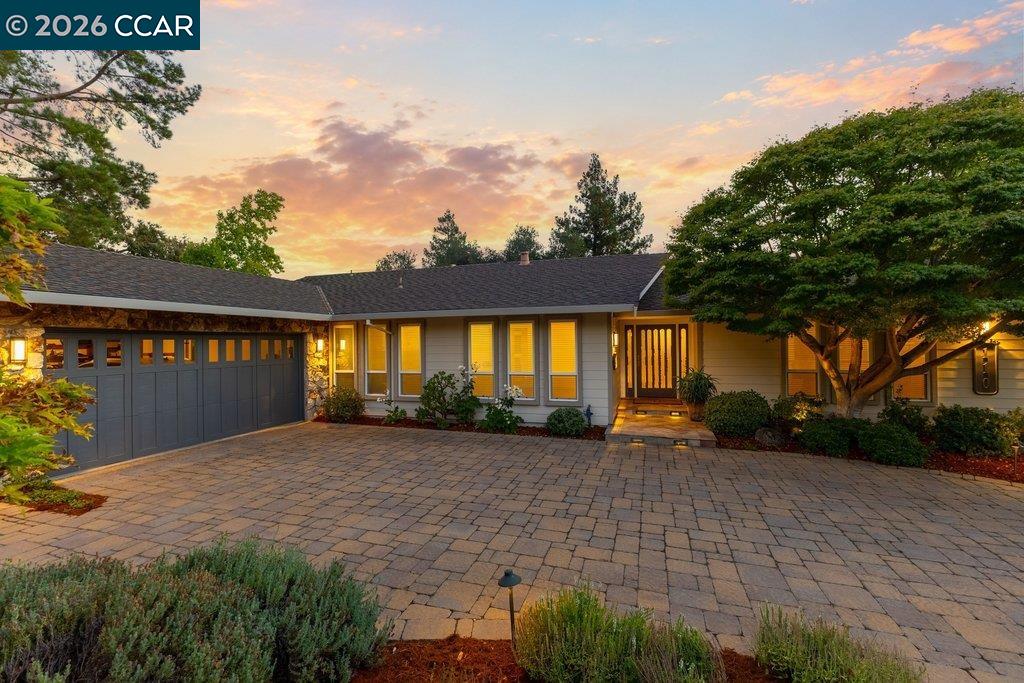
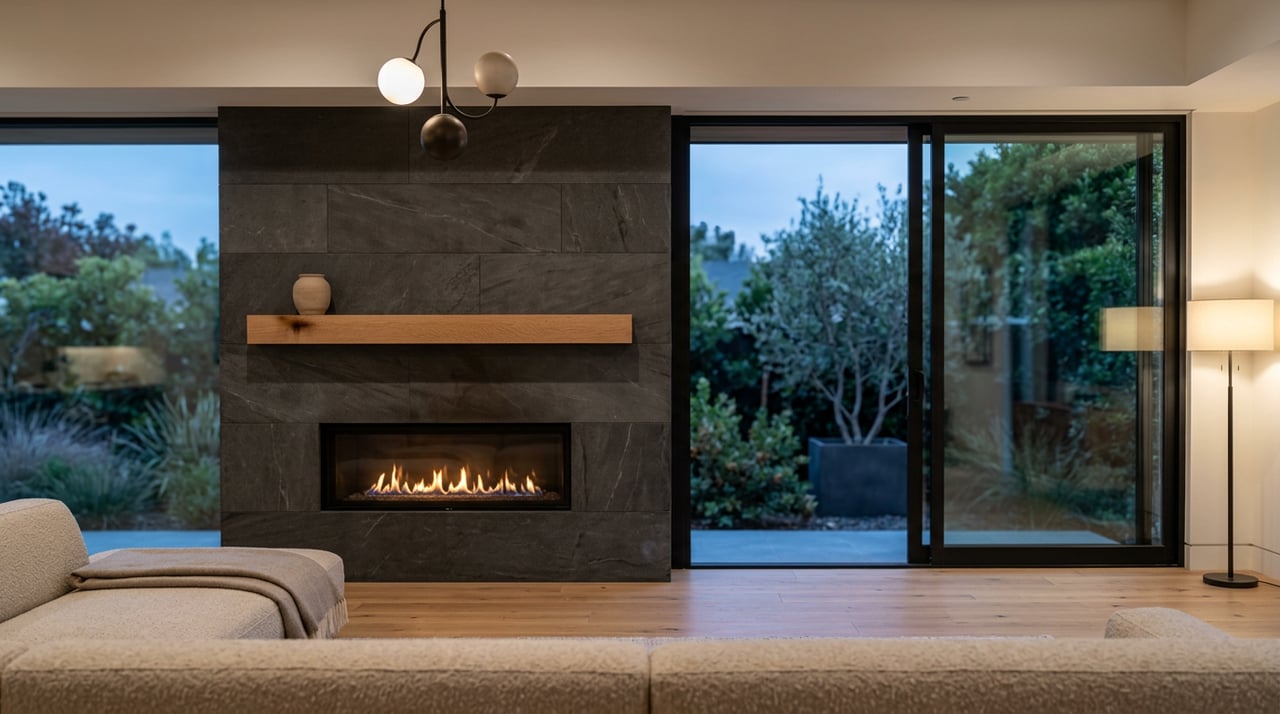
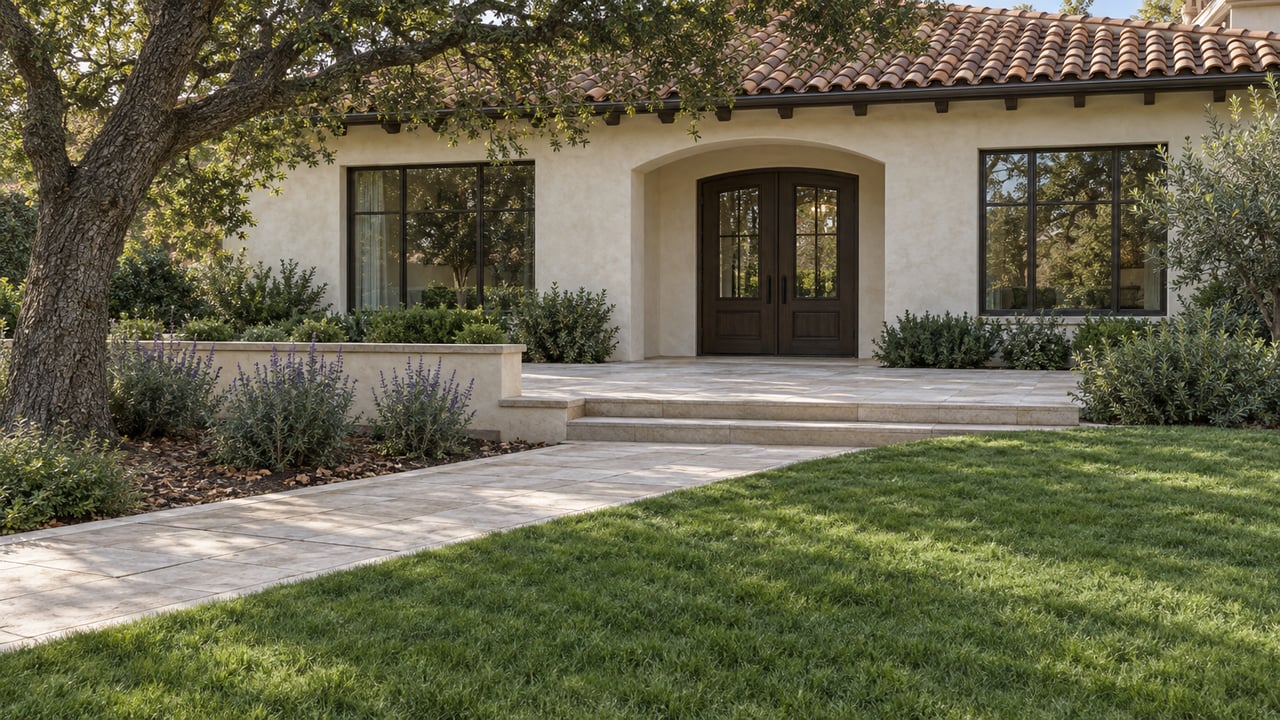
As Diablo matured into a permanent community through the 1950s and '60s, the sprawling California Ranch style took hold, emphasizing indoor-outdoor living with low profiles, wide footprints, and floor-to-ceiling glass framing the fairways and oak canopies. Higher up, in the Mount Diablo Scenic Estates foothills, the architecture turns dramatic and contemporary: Mediterranean and Tuscan-inspired villas with barrel-tile roofs and infinity pools, alongside modernist estates of steel, glass, and clean geometric lines with full smart-home automation.
Across every style, a few signatures recur. Homes are typically obscured from the road by protected heritage oaks and redwoods, and properties routinely feature custom wine cellars—a nod to the nearby Napa and Livermore wine regions—detached guest houses, sweeping motor courts, and outdoor pavilions with full kitchens and fireplaces.
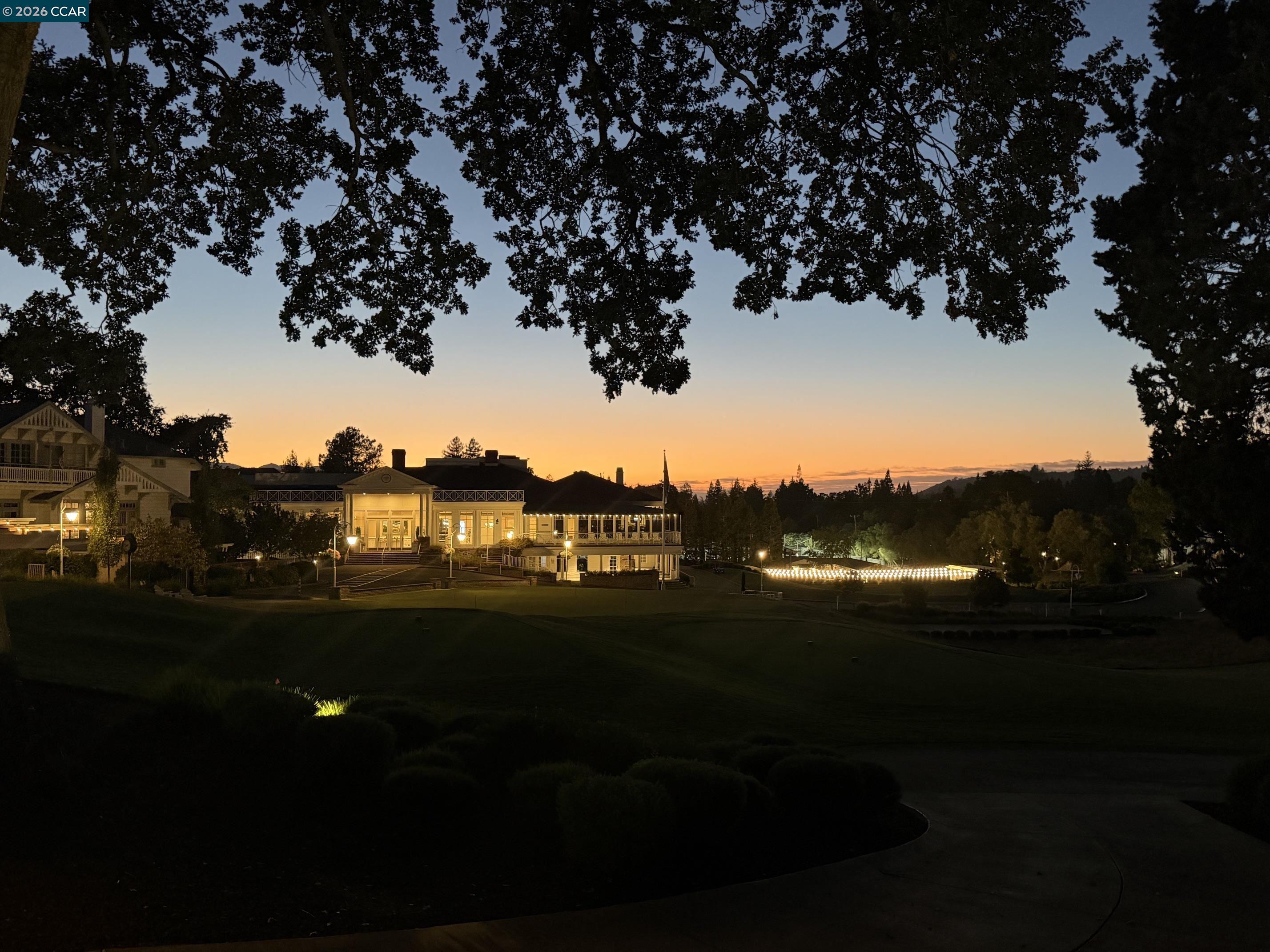
If Diablo has a center of gravity, it's the Diablo Country Club. Founded in 1914 by Robert Noble Burgess, the club isn't simply a recreational amenity—it's the historic foundation the entire community was built around, and it still functions as the neighborhood's social living room.
Its crown jewel is the 18-hole championship golf course, originally co-designed by Jack Neville and William Watson and holding a legitimate place in golf history. The course winds through the neighborhood's private lanes and valley floors, framed by views of Mount Diablo and lined with century-old oaks. To protect that legacy, the club commissioned a multi-million-dollar restoration led by architect Todd Eckenrode, who returned the course to its original 1915 "Golden Age" design while rebuilding it with modern turf, irrigation, and championship playing conditions.
Beyond golf, the clubhouse—adapted from the estate's 19th-century ranch buildings—anchors daily life with a tennis and pickleball complex, a resort-style pool, a fitness center, and multiple dining venues that range from casual patios to formal rooms. For more than a century it has hosted the weddings, holiday traditions, wine tastings, and tournaments that bind generations of Diablo families together. One important note for buyers, which I'll return to later: membership is separate from owning a home here.
Privacy is the real luxury in Diablo, and it's engineered into both the land and the layout. Where most modern luxury developments cluster homes together, Diablo is defined by space. Typical lots run from half an acre to a full acre, while larger foothill and fairway estates span two to five acres or more—a degree of breathing room that's nearly impossible to find elsewhere in the developed Bay Area.
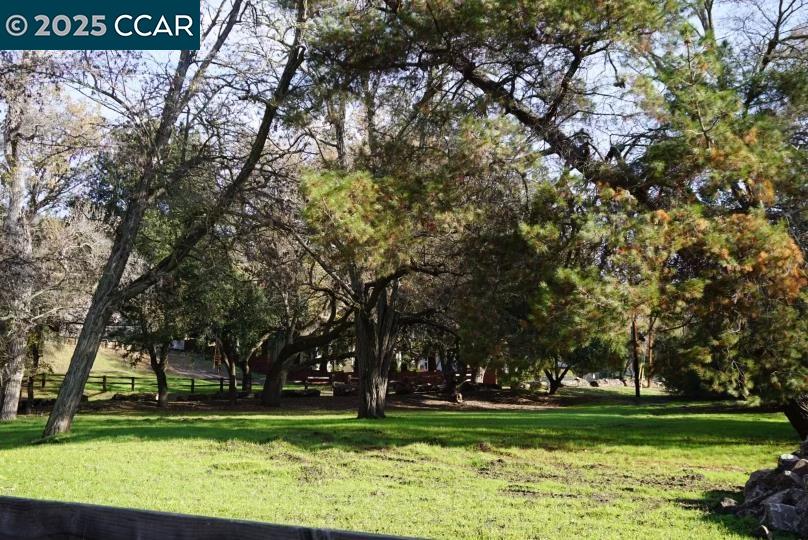
The community's narrow, winding private roads have no sidewalks, streetlights, or standard curbs, a deliberate design that discourages cut-through traffic and preserves a rustic quiet. Homes sit behind long gated driveways, stone walls, and dense mature landscaping, with a canopy of valley oaks, redwoods, and eucalyptus providing natural year-round screening between neighbors.
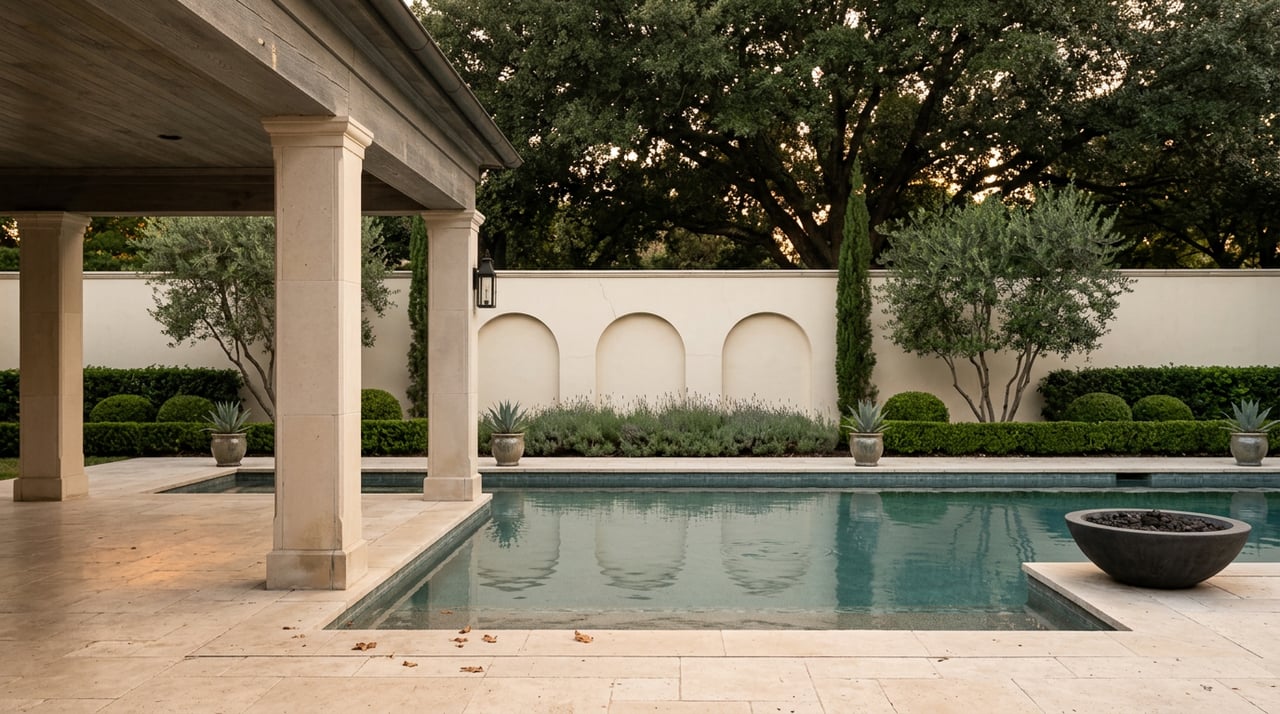
All that acreage allows residents to build what amount to private resort compounds—loggias, outdoor kitchens, infinity pools, tennis or bocce courts, detached guest cottages, home offices, and the occasional hobby vineyard producing a few cases of estate wine. And then there's the golf cart culture: because the community is so tight-knit and centered on the club, it's an everyday sight to see residents driving carts down the lanes to swim practice, a round of golf, or dinner at the club. It's a small detail, but it captures how Diablo actually lives.
For families, school access is one of Diablo's strongest draws. The community is served by the San Ramon Valley Unified School District (SRVUSD), consistently among the highest-achieving and most competitive districts in California.
Because Diablo is small, students attend top-rated public schools just minutes away in Danville:
The location also opens the door to premier private options. The Athenian School, an independent co-ed day and boarding school (grades 6–12) at the base of Mount Diablo, is nationally known for its experiential learning model and international student body, while St. Isidore School in downtown Danville offers a well-regarded K–8 Catholic education.
Diablo's geography is best summed up as secluded yet connected. It sits as a quiet buffer between two busier suburban hubs, offering sanctuary without isolation.
Downtown Danville, about 2.5 miles west, is Diablo's functional anchor—within a five-to-ten-minute drive, residents go from country lanes to the walkable, boutique-lined streets of Hartz Avenue. Blackhawk, roughly 3.5 miles east, adds Blackhawk Plaza, the Blackhawk Museum, a theater, and additional upscale dining and shopping.
For regional travel, the I-680 corridor is reachable in under 10 minutes via Diablo Road or Sycamore Valley Road, connecting north toward Walnut Creek and Concord and south toward San Ramon (home to Bishop Ranch), Pleasanton, and Silicon Valley. On a clear-traffic day, San Francisco is about 45 minutes northwest and San Jose roughly 45 to 50 minutes south. For commuters who prefer rail, both the Walnut Creek and Dublin/Pleasanton BART stations sit about 15 to 20 minutes away.
Few neighborhoods anywhere can claim a 20,000-acre state park as a literal backyard, but Diablo can. Mount Diablo State Park wraps the eastern edge of the community, and the South Gate Entrance runs straight past the neighborhood via South Gate Road—giving residents the kind of immediate wilderness access most visitors drive hours to reach.
The park is a serious draw for the outdoorsy. The climb up Mount Diablo is legendary among cyclists and serves as a premier training ground, while miles of hiking and equestrian trails—including the Wall Point Loop, Juniper Trail, and the 31-mile Diablo Trail system—thread through deep canyons, seasonal waterfalls, and sandstone wind caves. At the 3,849-foot summit, a short drive from the neighborhood, the observation deck on a clear winter day offers views stretching past the Golden Gate to the Farallon Islands and east to the snow-capped Sierra Nevada.
The mountain also shapes daily life in a subtler way: it creates a microclimate that shields the enclave from coastal fog, producing warm, sun-drenched summers and crisp winters. The neighborhood blends into the surrounding oak woodlands and chaparral, and it's routine for residents to share the landscape with black-tailed deer, wild turkeys, quail, and migrating hawks.
Because Diablo is zoned to prohibit commercial development, residents live a kind of hybrid lifestyle—a completely quiet, non-commercial sanctuary that happens to sit minutes from world-class amenities.
For everyday dining, the country club functions as the neighborhood's de facto restaurant, with private dining rooms and view patios serving everything from post-golf burgers to multi-course wine pairings. A short drive down Diablo Road opens up downtown Danville's culinary corridor along Hartz Avenue and the Danville Livery, known for its acclaimed eateries, patio dining, and artisan coffee.
Recreation extends well beyond golf. Tennis and pickleball are central to local life, the club's resort-style pools host the competitive youth swim teams that are a valley summer tradition, and the Iron Horse Regional Trail just west of the neighborhood offers more than 30 paved miles for running, cycling, and dog walking.
The most charming detail of daily life may be the smallest building in town: the historic Diablo Post Office, which sits right at the community's center and offers no home delivery. Residents walk or ride golf carts in to collect their mail, turning a mundane errand into a daily social crossroads. For larger needs, Trader Joe's, Whole Foods, and the luxury retail of Blackhawk Plaza are all only minutes away.
Because Diablo is insulated from the usual suburban turnover, it has developed a distinct resident profile shaped by established wealth, a desire for privacy, and deep multigenerational roots.
Given the cost of entry, the community attracts C-suite executives, prominent East Bay business owners, and successful tech founders who choose Diablo over San Francisco or Silicon Valley precisely because it offers a rural sanctuary within a 10-minute drive of the I-680 corporate corridor. Alongside them is an unusually high concentration of legacy families—long-tenured couples aging in place, and a steady stream of "boomerang" buyers who grew up here, built careers elsewhere, and return to raise their own children in the same environment.
What unites them is a preference for privacy over display. Unlike communities where mega-mansions are built to be seen from the street, Diablo residents tend toward understated luxury, valuing large setbacks, natural screening, and quiet over visibility. The median age skews slightly older—mid-to-late 40s—but the lifestyle is decidedly active, organized around the club's tennis, golf, and swim cultures and a shared enthusiasm for cycling, hiking, and riding on the mountain.
Buying in Diablo is genuinely different from buying standard suburban real estate, and the differences are where deals are won or lost. A few things every prospective buyer should understand:
Much of the market is invisible. A significant share of Diablo transactions happen off-market or as pocket listings. Public portals won't show you everything, so the buyers who succeed here are the ones aligned with a specialized local agent who hears about homes before they ever reach the MLS.
The roads are private. Diablo's iconic winding lanes are owned and maintained by the community, not the county. Property owners are assessed fees to pave and repair them, and buyers should review the road maintenance disclosures carefully and factor those assessments into their carrying costs.
History is protected. If you're buying an older home with plans to tear it down or modernize aggressively, expect scrutiny. Major external modifications must clear rigorous local architectural review, permits can take longer than elsewhere, and constraints on home height, setbacks, and the removal of heritage oaks are strictly enforced.
Club membership is separate. Owning a home in Diablo does not automatically grant access to the Diablo Country Club. Membership requires its own competitive application, vetting, and initiation process. Living next door simply makes the golf-cart commute easier.
Infrastructure varies lot to lot. As a century-old rustic enclave, Diablo doesn't have uniform utilities. While high-speed internet and electricity are standard, some foothill properties rely on private septic systems or specific drainage easements rather than city sewer. Thorough inspection during the contingency period is non-negotiable.
Selling a multi-million-dollar estate in Diablo is not a volume exercise, and standard mass-market tactics tend to fall flat. The buyer pool here prizes legacy, privacy, and architecture over flash, which means the marketing has to be narrative-driven and bespoke.
The most effective approach sells the Diablo story, not just the square footage. Buyers are purchasing into a hundred-year lifestyle legacy, so the emphasis belongs on a home's architectural lineage, its orientation to the mountain microclimate, its mature tree canopy, or its frontage on the country club fairways. Many high-net-worth sellers also prefer discretion, which is why luxury homes here are frequently introduced first as pocket listings or private placements—an approach that builds an aura of exclusivity and lets the property be shown selectively to qualified buyers before it ever hits the open market.
Presentation has to match the caliber of the homes. Because every estate is custom, standard photography rarely captures the scale; cinema-grade drone videography and architectural staging tailored to the home's specific character—whether a 1920s Tudor or a modern foothill villa—make the difference. Finally, smart sellers front-load their due diligence. With private roads, variable utilities, and historic building restrictions in play, having clean, pre-inspected reports ready builds trust with meticulous buyers and keeps deals from unraveling in escrow.
Diablo's real estate ecosystem runs on relationships and on a granular familiarity with the neighborhood's quirks. An out-of-area agent—even a highly accomplished one from San Francisco or Silicon Valley—is at a real disadvantage here, for three reasons.
First, the whisper market. Because so much volume trades off-market, a local expert effectively serves as a living database of upcoming inventory, maintaining daily relationships with residents, legacy families, and club members and often knowing months in advance which homes are likely to come available. Second, the unincorporated nuances. A seasoned local agent can fluidly navigate private road assessments, septic regulations, and utility configurations, and has a track record with the architectural review boards—meaning they can tell a buyer the real timeline of a historic renovation, not the optimistic one. Third, the country club connection. A true Diablo specialist understands the separate, competitive membership process and can introduce incoming buyers into the social fabric, easing the transition into the community's golf-cart culture.
If you're considering buying or selling in Diablo, you want representation that knows this community from the inside—and that's exactly what Joujou Chawla Real Estate provides. As the #1 agent in Blackhawk (2013–2025) and #1 agent in Danville (2022–2025), with more than $2.1 billion in lifetime sales volume, over 1,535 homes transacted, and 42 years of California real estate experience, Joujou and her team bring an unmatched depth of local knowledge to the San Ramon Valley's most exclusive enclaves. That track record translates directly into the off-market connections, architectural-review familiarity, and country-club relationships that buying and selling in Diablo genuinely require.
Whether you're searching for a legacy estate that may never reach the open market, or preparing to position your own Diablo property for a discreet, high-impact sale, the Chawla team offers full-service, concierge-level guidance from first conversation to closing. To start a confidential conversation, reach Joujou Chawla directly at (510) 406-4836 or [email protected], or visit chawlarealestate.com to explore current listings and neighborhood resources.
There's plenty to do around Diablo, including shopping, dining, nightlife, parks, and more. Data provided by Walk Score and Yelp.
Explore popular things to do in the area, including Diablo Fitness Studio, Estakhri Field at Athenian School, and Athenian Sport Camp.
| Name | Category | Distance | Reviews |
Ratings by
Yelp
|
|---|---|---|---|---|
| Active | 0 miles | 0 reviews | 0/5 stars | |
| Active | 0.61 miles | 1 review | 4/5 stars | |
| Active | 0.61 miles | 2 reviews | 3.5/5 stars | |
| Beauty | 0.4 miles | 2 reviews | 5/5 stars | |
|
|
||||
|
|
||||
|
|
||||
|
|
||||
|
|
||||
|
|
Diablo has 385 households, with an average household size of 2.78. Data provided by the U.S. Census Bureau. Here’s what the people living in Diablo do for work — and how long it takes them to get there. Data provided by the U.S. Census Bureau.
Total Population
Population Density Population Density This is the number of people per square mile in a neighborhood.
Median Age
Men vs Women
Population by Age Group
0-9 Years
10-17 Years
18-24 Years
25-64 Years
65-74 Years
75+ Years
Education Level
Total Households
Average Household Size
Average individual Income
Households with Children
With Children:
Without Children:
Marital Status
Blue vs White Collar Workers
Blue Collar:
White Collar: