Welcome to Dublin, CA
Few Bay Area cities have transformed as dramatically over the past two decades as Dublin. What was once a quiet crossroads town has become one of the East Bay's most sought-after addresses, and for good reason. Dublin offers a rare combination that families and professionals spend years searching for: top-ranked schools, direct transit into San Francisco, brand-new construction alongside established neighborhoods, and a location that puts nearly every major Bay Area employment center within reach.
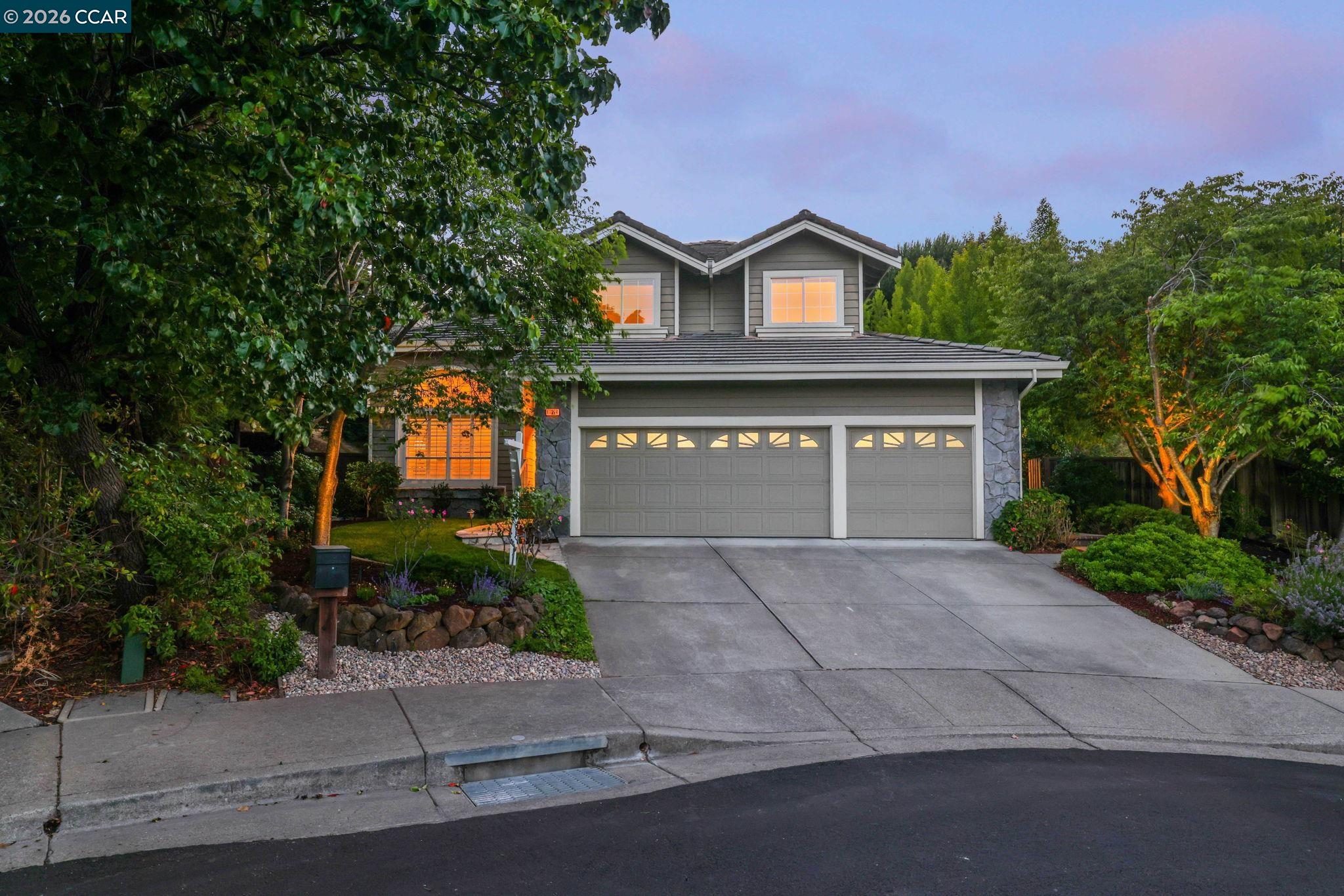
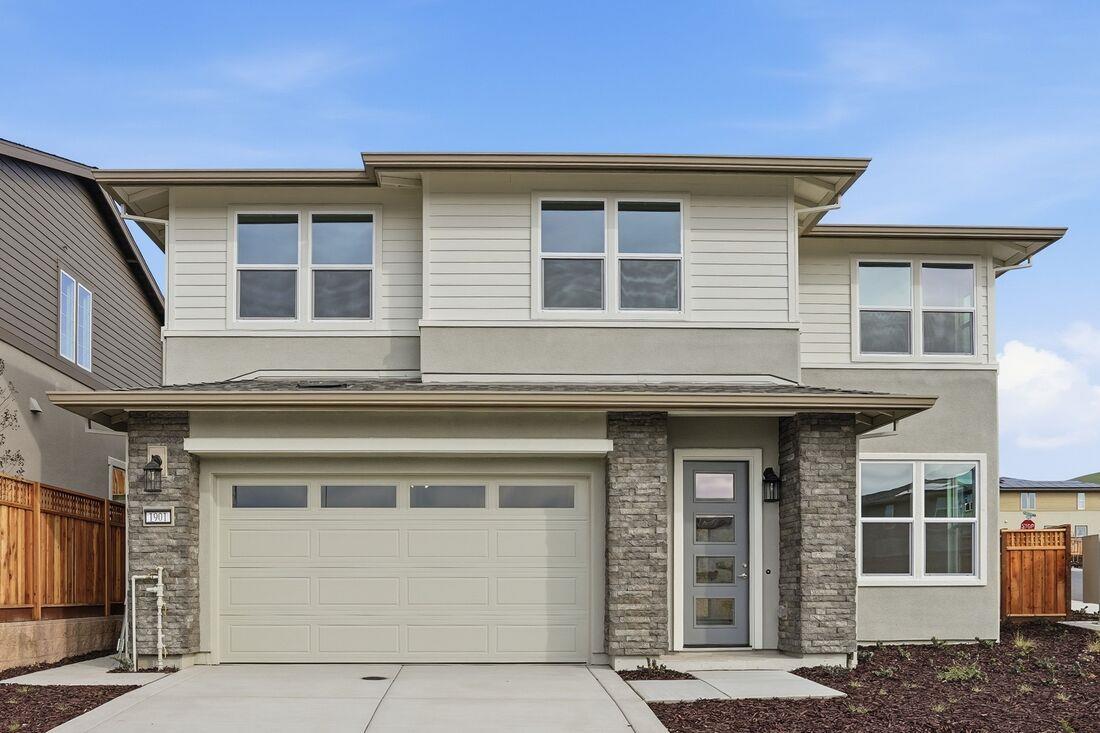
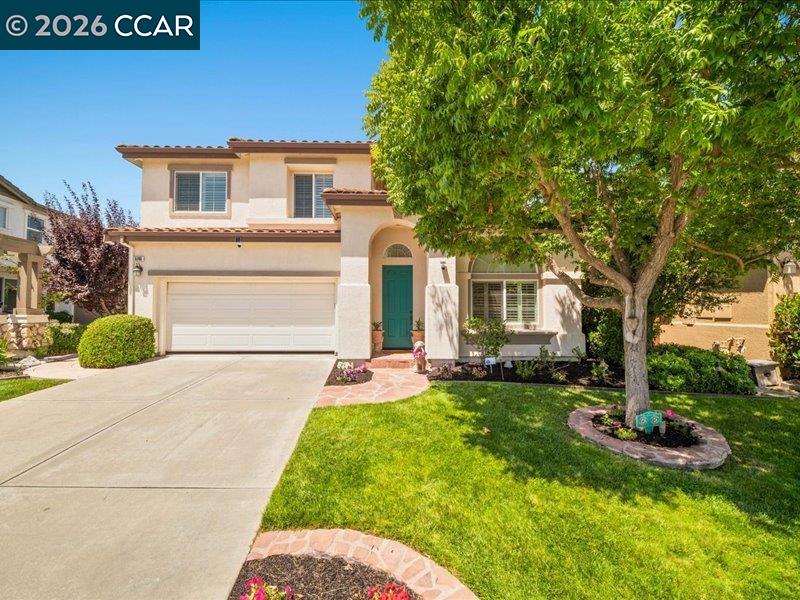
The city today lives a kind of double life. On one side sits Old Dublin, with its mature trees, generous lots, and 1970s-era ranch homes. On the other rises East Dublin, a landscape of master-planned communities, contemporary architecture, and state-of-the-art parks that seem to have appeared almost overnight. Understanding that contrast is the key to understanding Dublin's real estate market, and it's a distinction I'll return to throughout this guide because it shapes almost every buying and selling decision here.
For anyone weighing a move to the Tri-Valley, Dublin deserves serious consideration. It has grown quickly, but it has grown deliberately, and the result is a community that feels both modern and grounded.
Where Dublin Sits in the Tri-Valley and Why Location Drives Value
Dublin occupies what is arguably the most strategic geographic position in the entire Tri-Valley, the region that also includes Pleasanton, San Ramon, Danville, and Livermore. It sits in the Amador Valley of Alameda County at the precise point where Interstate 580, running east to west, crosses Interstate 680, running north to south. This crossroads is not a footnote to Dublin's value. It is the foundation of it.
Because these two major freeways intersect here, residents enjoy direct highway access to virtually every corner of the greater Bay Area: Oakland and San Francisco to the west, Silicon Valley and San Jose to the south, and the Central Valley and Sacramento to the east and north. That reach is what draws professionals who need to be within striking distance of multiple job markets without committing to a single one.
Transit access sharpens the advantage further. Dublin is the only city in the Tri-Valley that hosts two BART stations, Dublin/Pleasanton and West Dublin/Pleasanton, which makes it especially attractive to corporate and tech professionals commuting into downtown San Francisco or Oakland. And then there are the schools. The Dublin Unified School District consistently ranks in the top 5% of districts statewide, which acts as a durable floor under property values. When location, transit, and education all point in the same direction, prices tend to hold. In Dublin, they do.
The Dublin Housing Market: Prices, Inventory, and What's Selling
Dublin's real estate market is active, competitive, and distinctly divided. It behaves as a strong seller's market, with tight inventory and quick sales, but the story shifts depending on which side of the city you're standing in.
On pricing, the median list price sits around $1.7 million, while actual median sales tend to close closer to $1.3 to $1.32 million. Homes generally command between $630 and $700-plus per square foot depending on age and condition. Inventory remains relatively lean, with active listings often hovering under 80 units citywide, and that scarcity keeps steady upward pressure on demand. Well-priced homes move fast, typically going pending within 20 to 28 days, and the most desirable properties in premium school zones frequently secure offers in under two weeks. The market's discipline shows in the numbers: homes sell at roughly a 99.7% sale-to-list ratio, yet correctly priced listings still routinely trigger bidding wars.
What actually sells comes down to geography. Dublin's housing stock splits almost evenly between two sub-markets that attract very different buyers.
Sub-market | Home Characteristics | Typical Buyer |
|---|
East Dublin | Newer master-planned communities, modern multi-story single-family homes, contemporary townhouses and condos | Premium buyers, tech commuters, and families wanting turn-key homes near new schools, parks, and modern HOAs |
West Dublin | Established ranch-style homes from the 1970s and 1980s on larger individual lots | Value-oriented buyers, contractors, and families seeking bigger yards, mature trees, and room to remodel |
There's also a meaningful entry-level story here. While traditional single-family homes carry a median near $1.4 million, modern townhouses and contemporary condos, with a median around $922,000, have become enormously popular. They give first-time buyers access to Dublin's schools and BART without the price tag or upkeep of a large lot, and that demand has made them one of the fastest-moving segments in the city.
Old Dublin vs. East Dublin: Understanding the Two Sides of Town
If you take away one insight from this guide, let it be this: Dublin is really two cities sharing a zip code. An invisible line divides the older, established west and central neighborhoods from the master-planned east, and the two offer entirely different lifestyles, aesthetics, and financial realities.
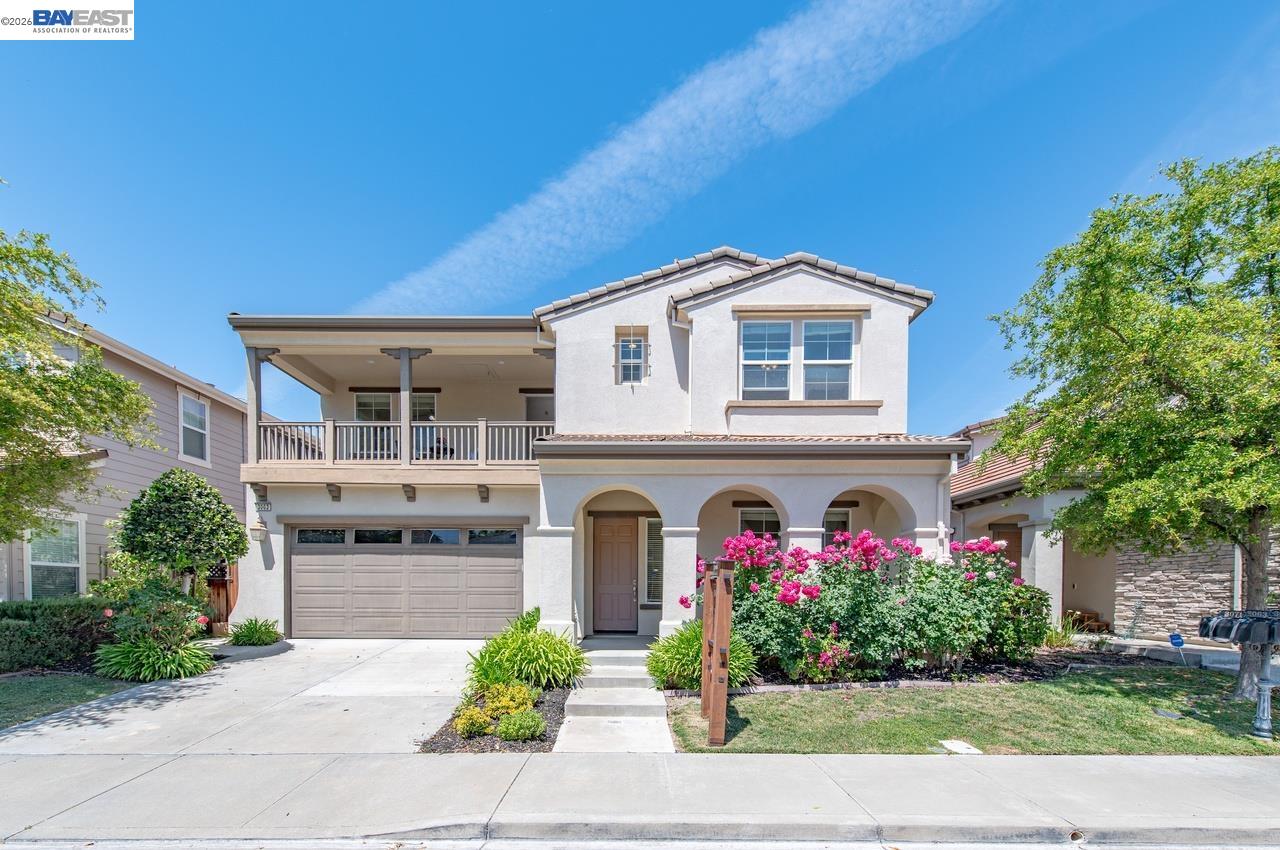
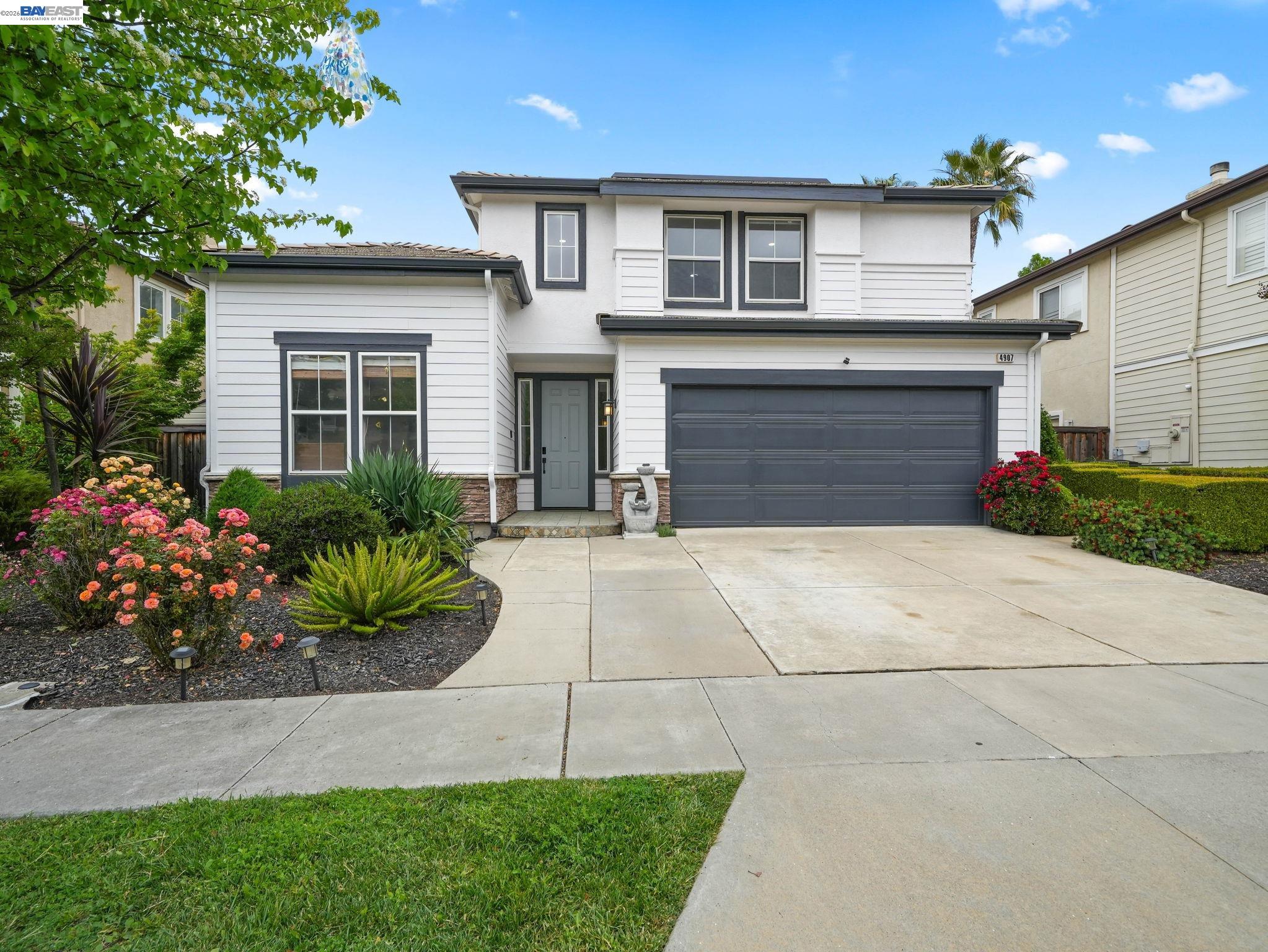
Old Dublin, encompassing the west and central parts of town, represents the city's early suburban roots, largely developed between the 1960s and 1980s. The vibe is mature and relaxed, with leafy streets, full-grown shade trees, and a pleasantly non-uniform look. Homes here are primarily single-story ranch designs and traditional two-story layouts, and they are prized for their generous lots, often 7,000 to 10,000-plus square feet, with deep backyards that are nearly impossible to find on the east side. Old Dublin also offers unbeatable commute proximity, sitting right next to the West Dublin/Pleasanton BART station and the freeway interchange, along with the city's original retail and dining. The trade-off is age. Buyers should budget for updates to roofs, plumbing, electrical, and cosmetics, and accept more segmented floor plans rather than open-concept living.
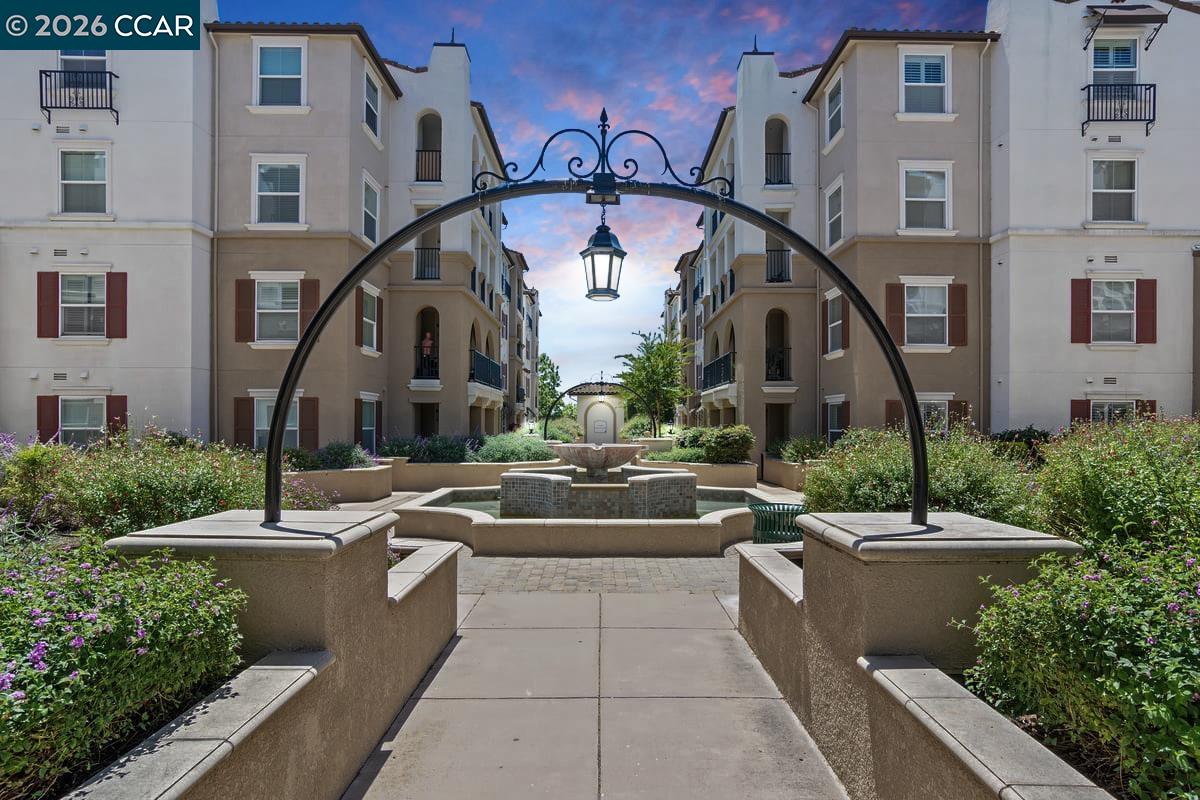
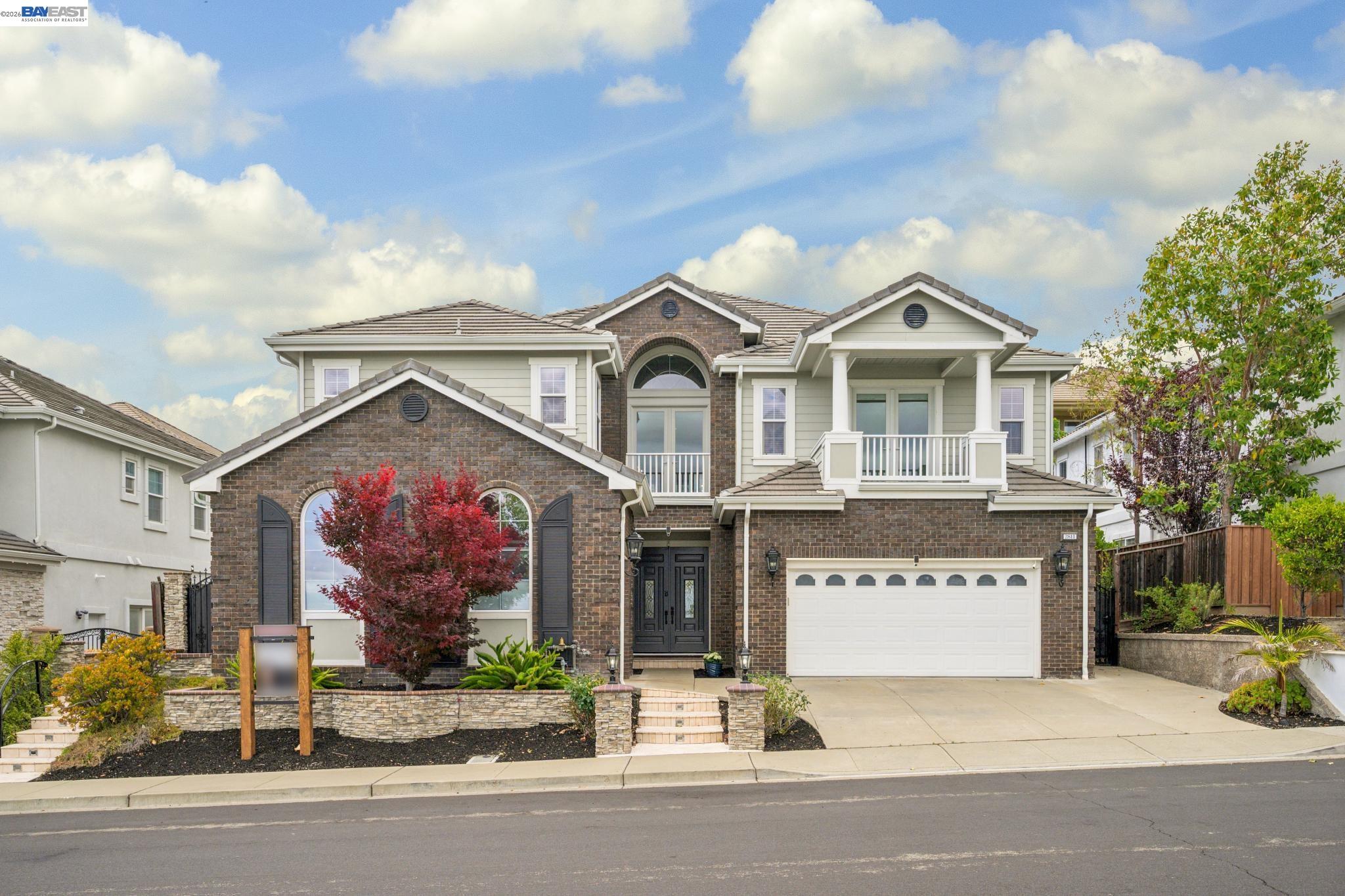
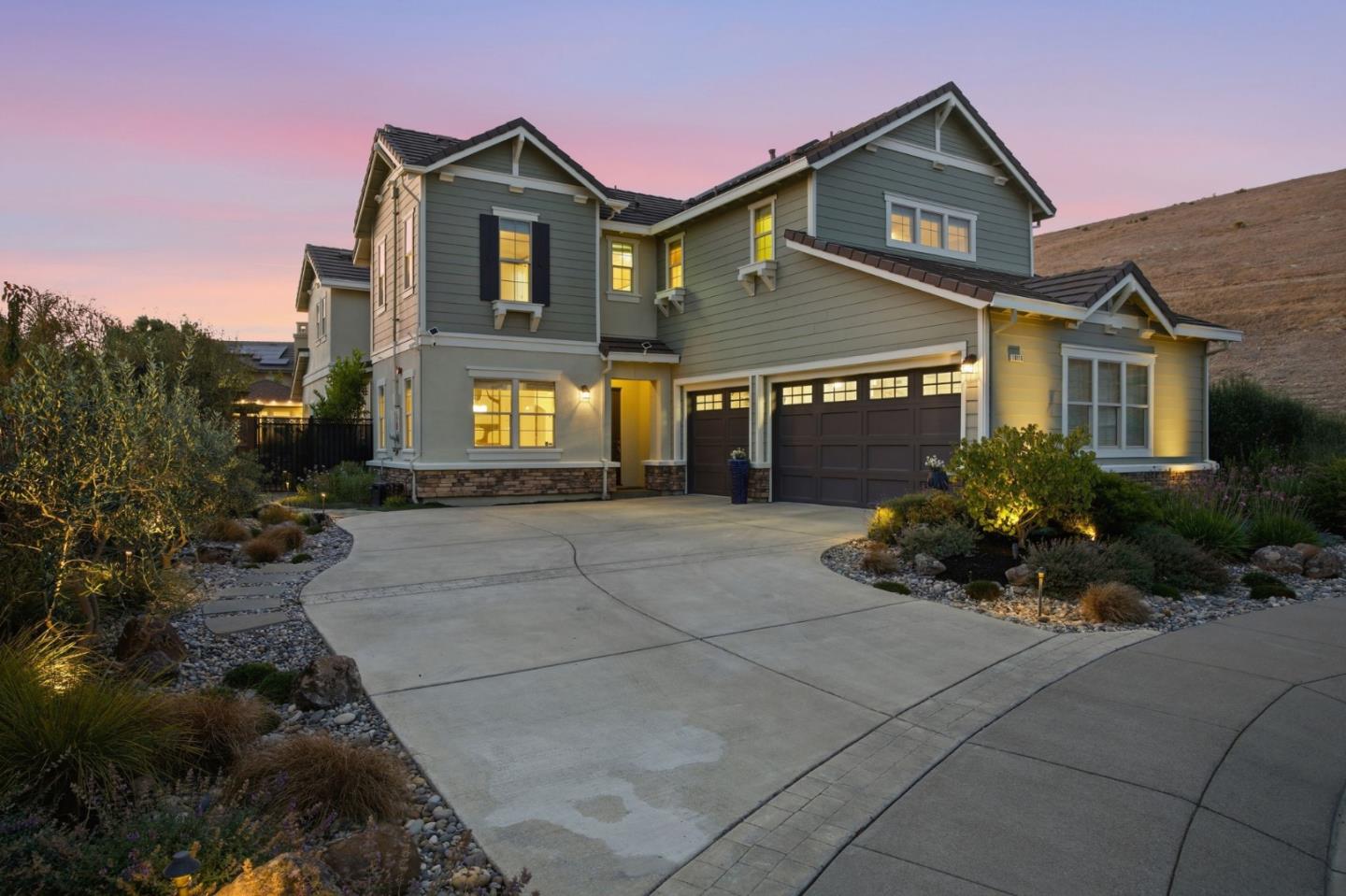
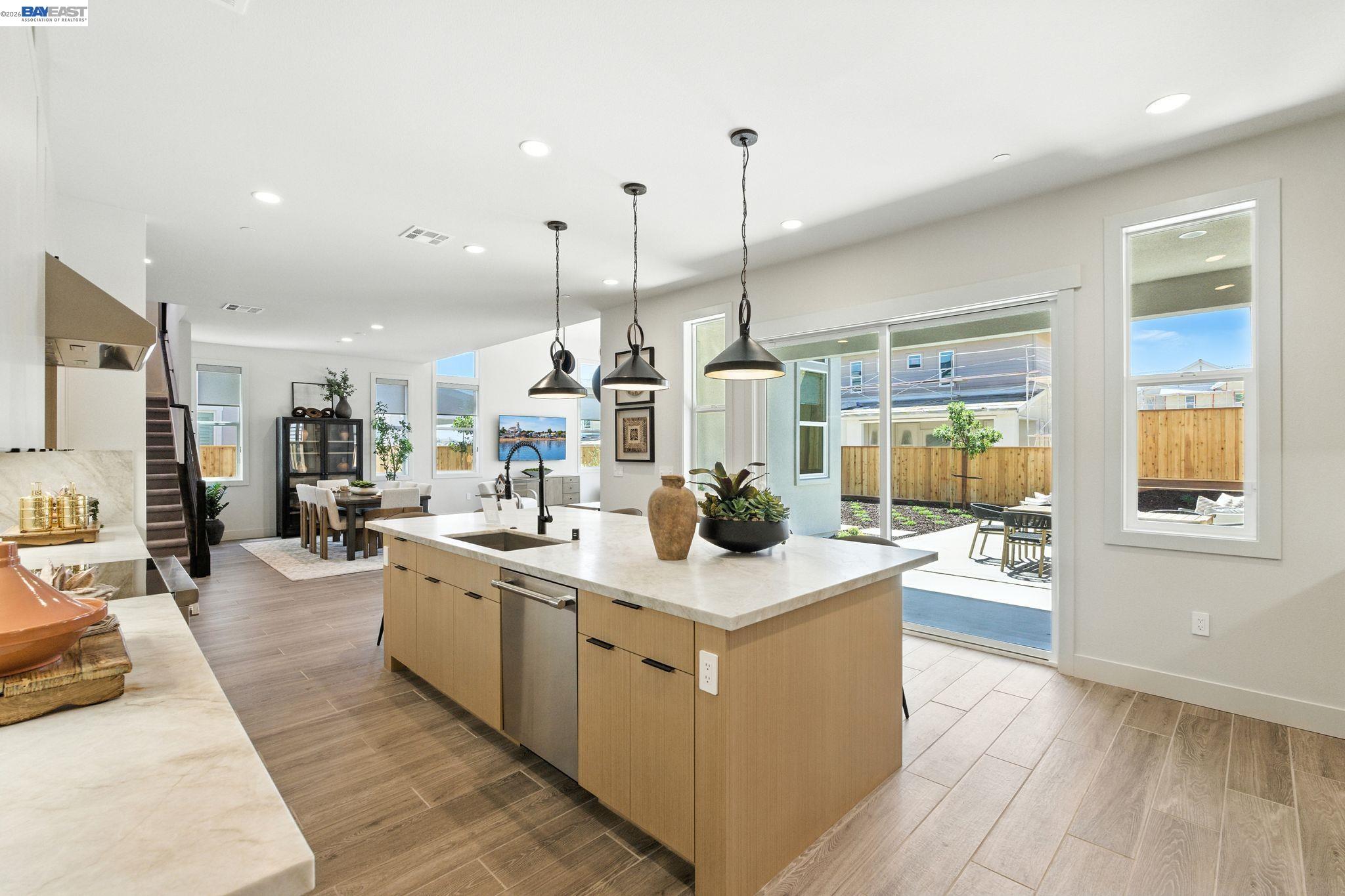
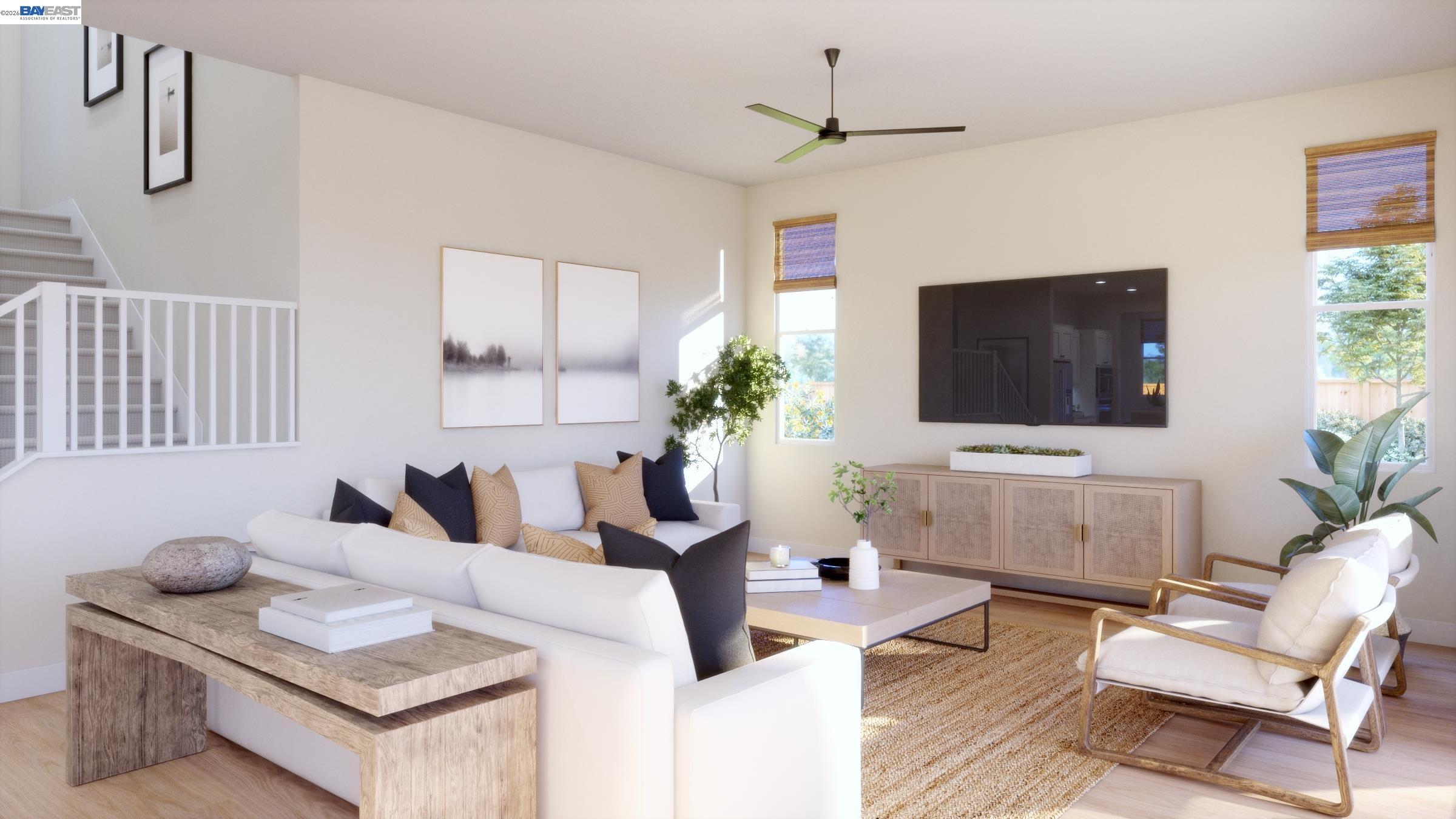
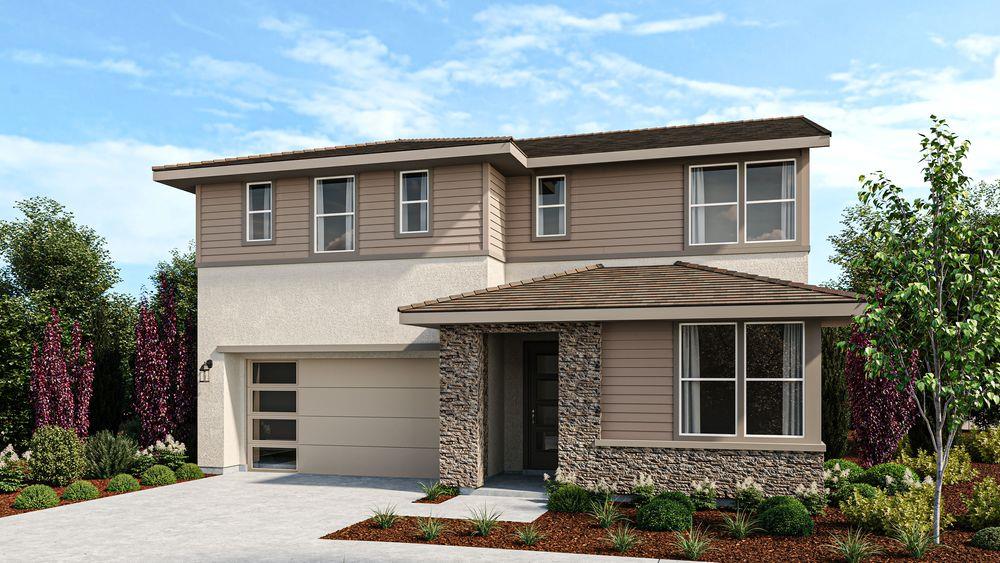
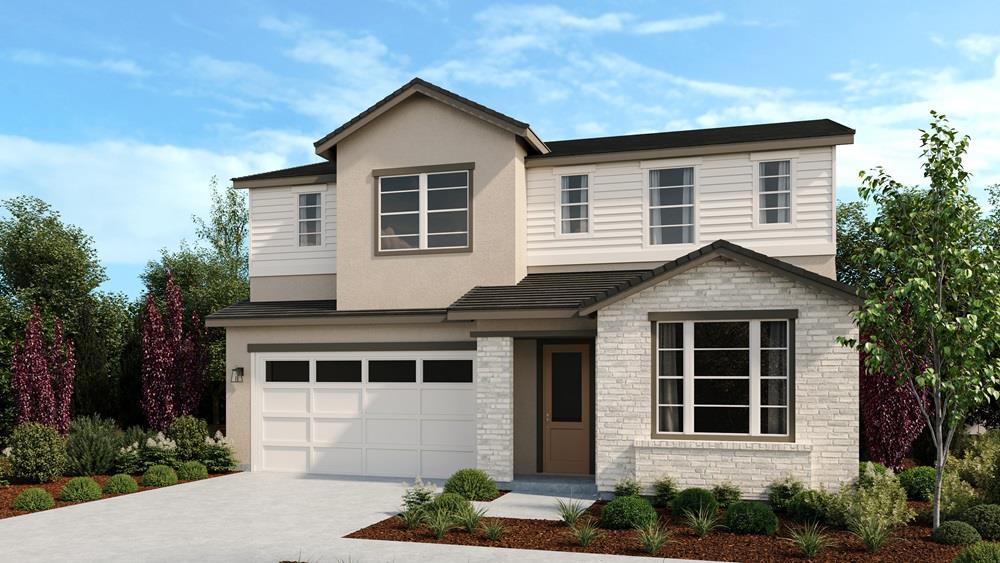
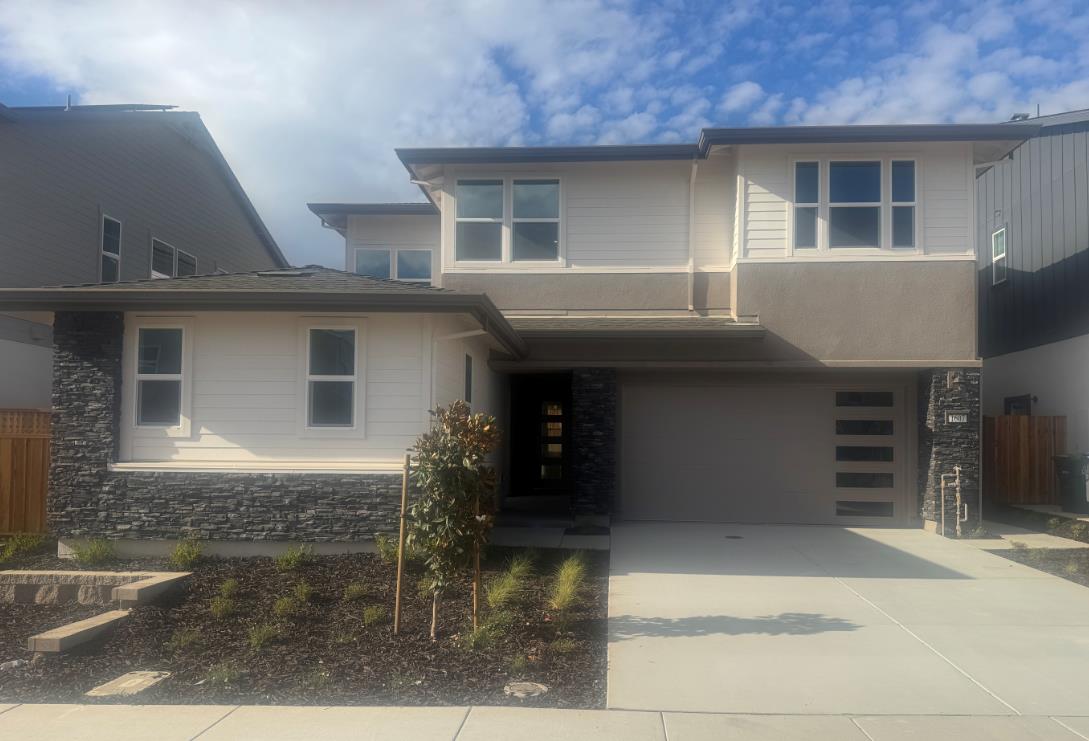
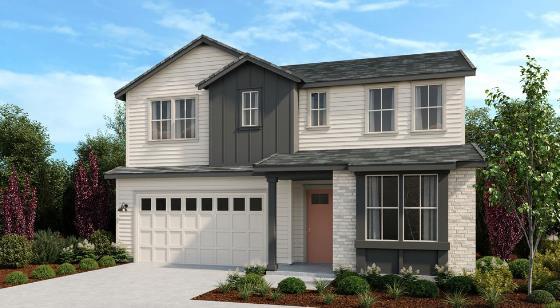
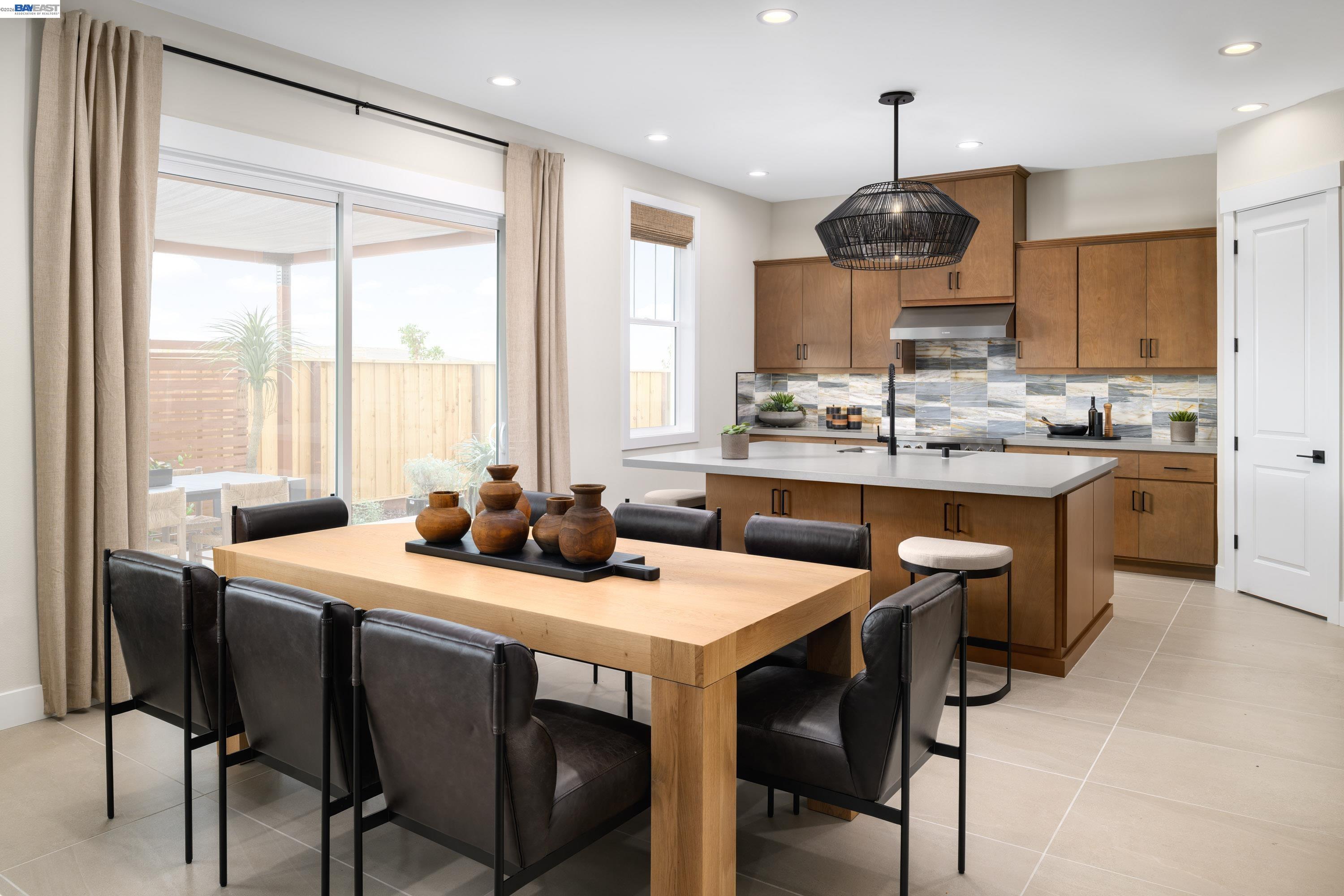
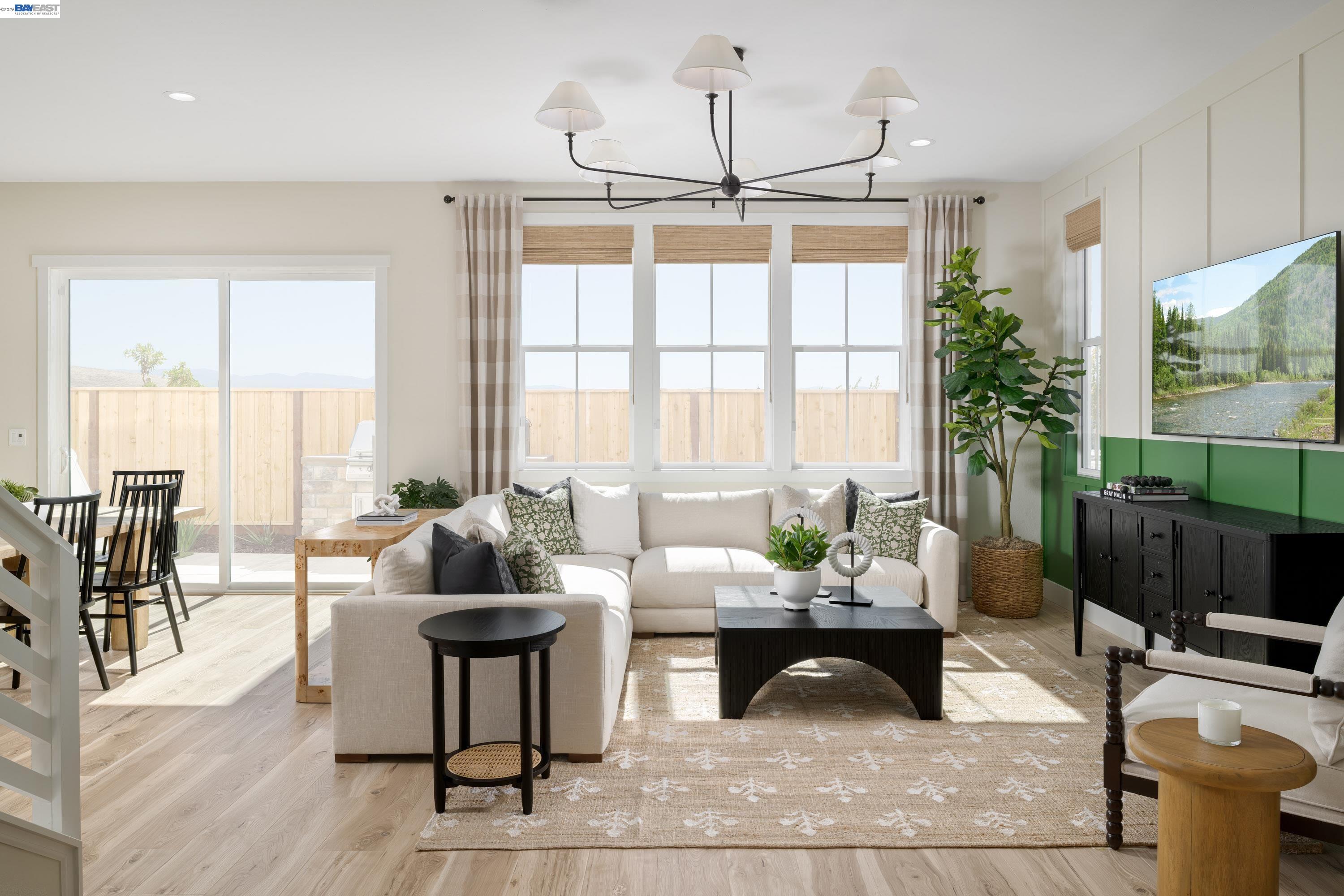
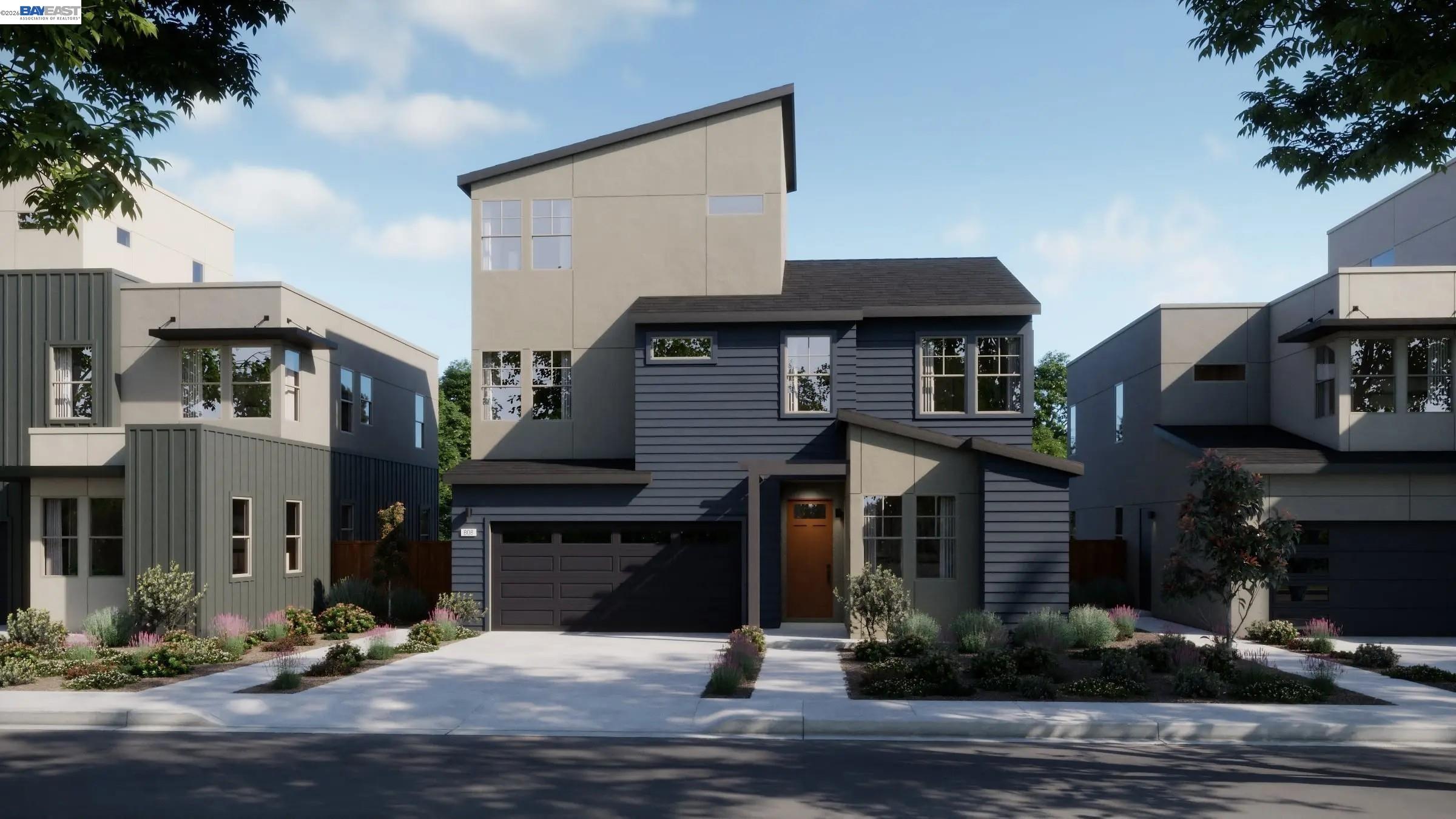
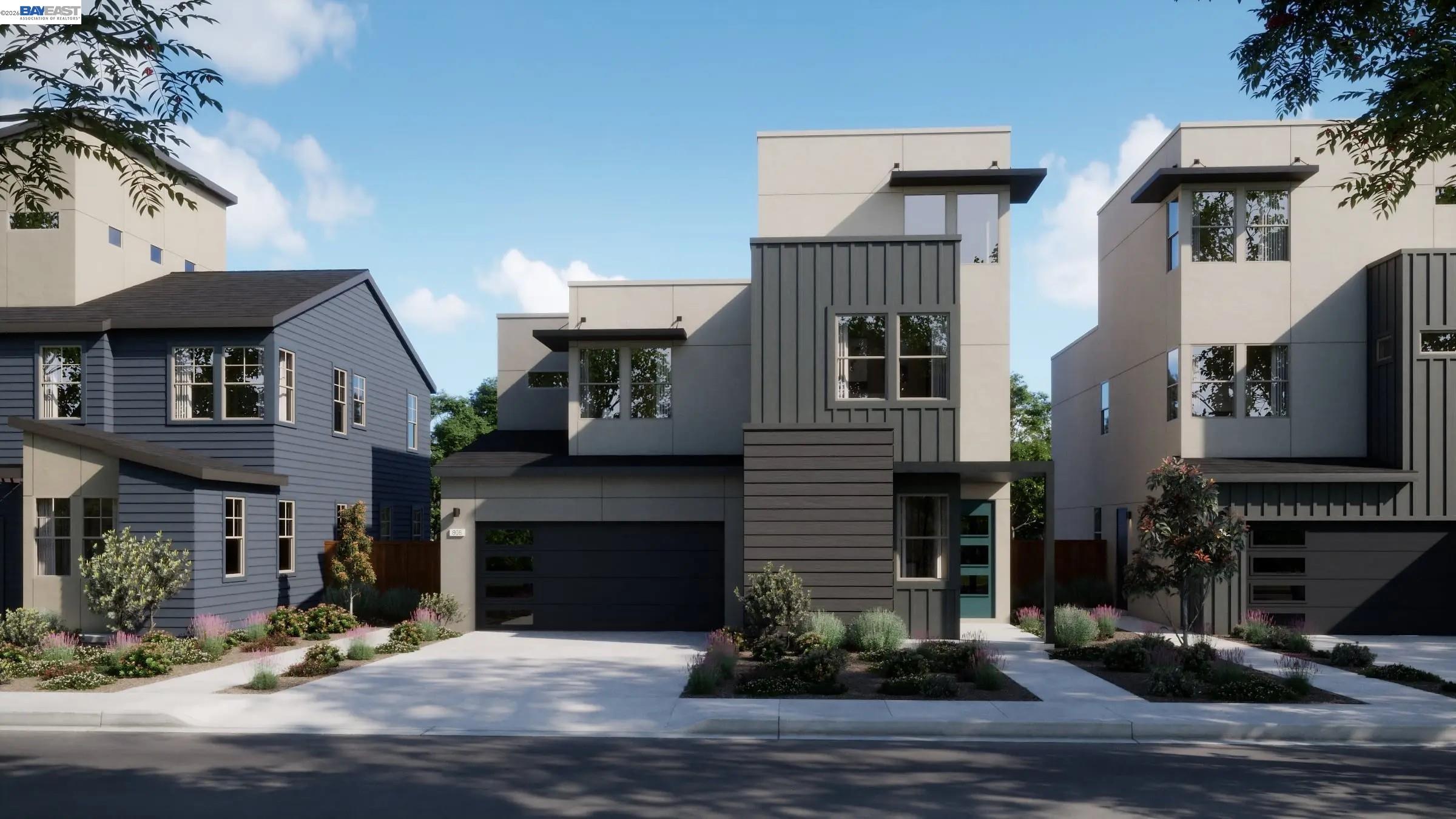
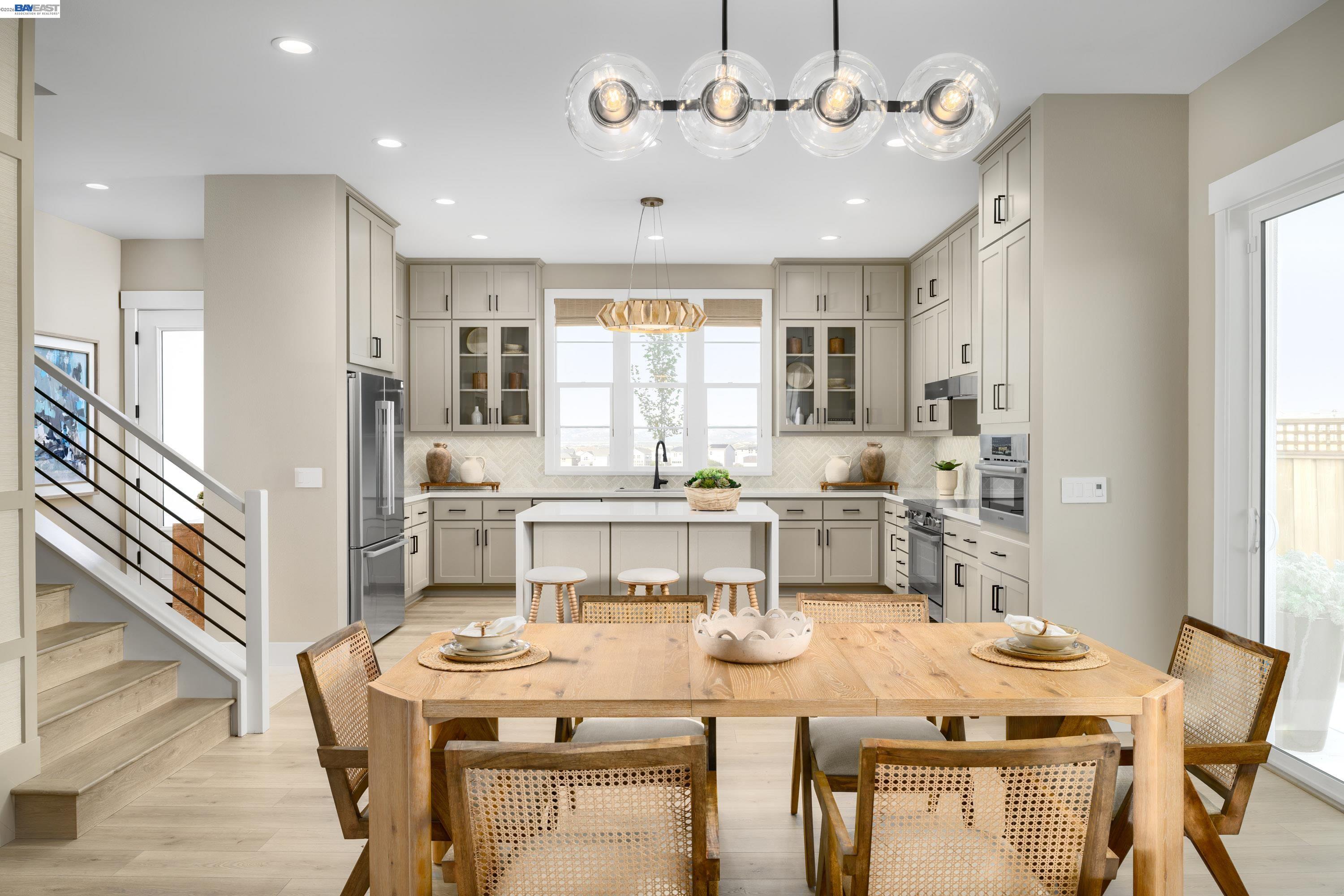
East Dublin tells the opposite story. Built through rapid expansion beginning in the late 1990s and continuing today, it is a master-planned landscape designed for density and convenience. The aesthetic is clean, structured, and distinctly suburban-modern, full of tall multi-story homes, contemporary townhouses, and stylish tri-level condos with high ceilings, energy-efficient construction, and expansive kitchen islands. The appeal is turn-key living with minimal maintenance, plus access to enormous public amenities like Fallon Sports Park and Emerald Glen Park, home to The Wave waterpark, and newly built school campuses. The catch is space. Backyards are frequently compact patios or narrow side yards, and HOA dues are standard, funding the community pools, clubhouses, and greenways that define the area.
Neither side is objectively better. West Dublin rewards those who value land, established character, and lower carrying costs. East Dublin rewards those who want modern design and walk-out-the-door amenities. Knowing which one fits your priorities is half the battle.
Dublin Ranch and the Master-Planned Communities That Define the East Side
The success of East Dublin rests on its master-planned developments, which have genuinely redefined what Bay Area suburban living can look like. These aren't scattered subdivisions. They are cohesive, thoughtfully designed communities, and the largest and most influential of them all is Dublin Ranch.
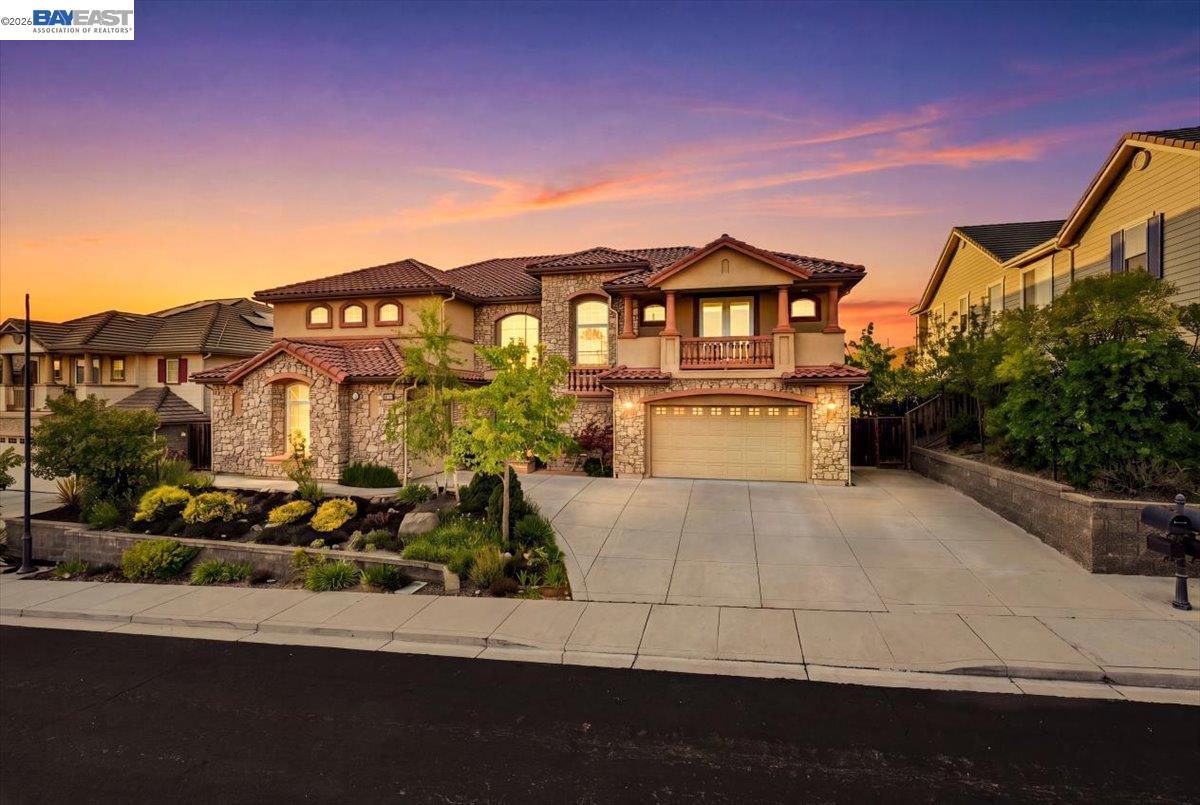
Spanning thousands of acres and launched in the early 2000s, Dublin Ranch was built on a "cradle-to-grave" philosophy, meaning a resident could theoretically move from a starter condo to a grand estate without ever leaving the community. It's organized into distinct villages built by premium developers such as Toll Brothers, Shea Homes, and Standard Pacific. At the top sits Pinnacle Ridge, an exclusive gated enclave of custom-caliber luxury estates reaching up to 6,000 square feet on quarter-acre lots, many overlooking the Dublin Ranch Golf Club. The Highlands and St. Andrews offer prestigious executive-style homes with premium architecture, while Dublin Ranch Villages and Sorrento deliver high-end townhomes and condos with resort-style pools, fitness centers, and clubhouses for low-maintenance living. The whole neighborhood orbits the Dublin Ranch Golf Club, a Robert Trent Jones Jr.–designed public course, and its highly rated schools sit right within the community's boundaries.
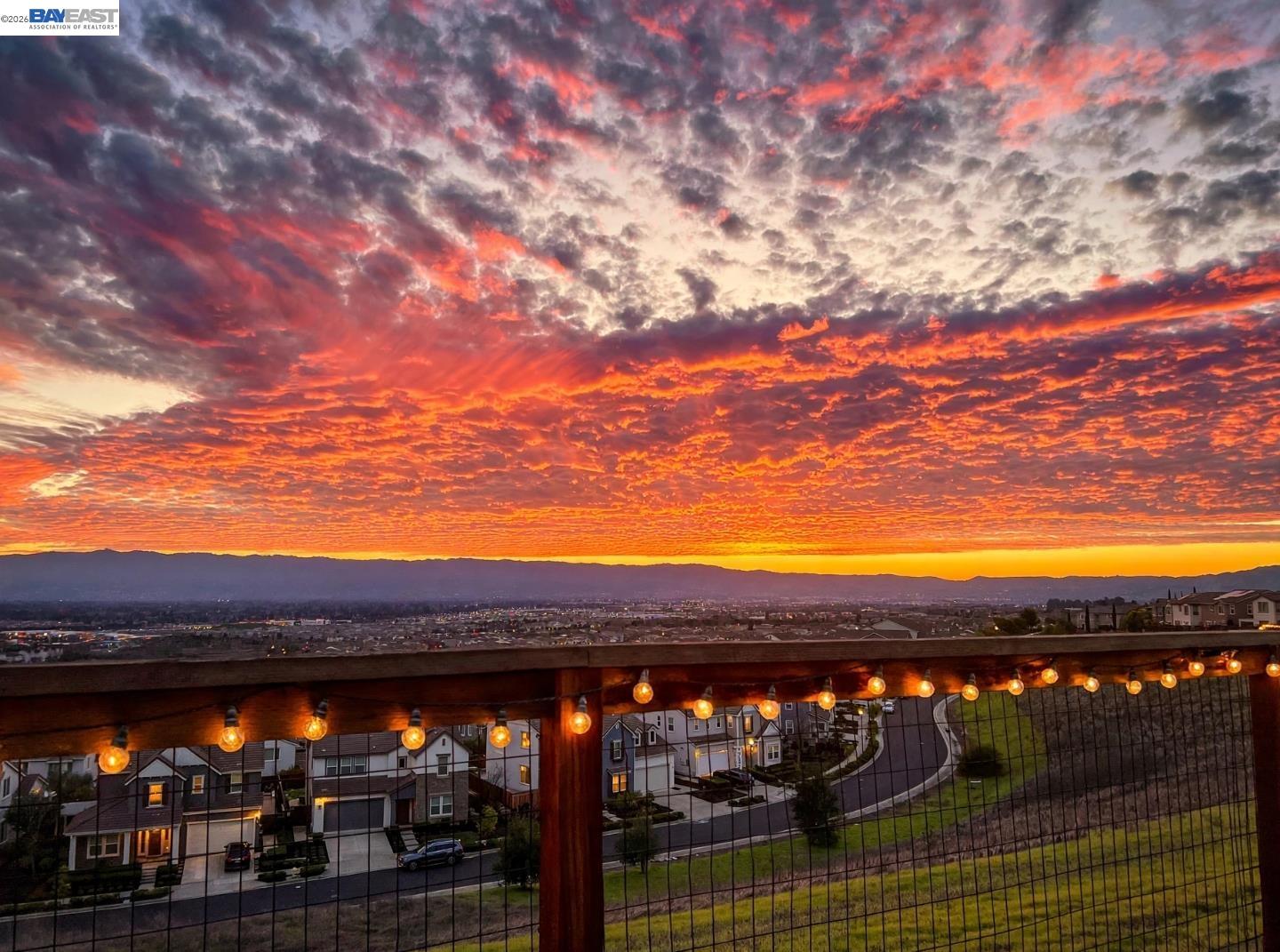
Dublin Ranch may be the pioneer, but newer master plans have continued raising the bar. Wallis Ranch is a gated, wellness-focused enclave anchored by a striking central clubhouse known as The Barn, complete with a fitness center, organic community gardens, a pool, and pocket parks linked by walking trails. Francis Ranch is among the newest hillside developments, currently being built out by premium builders like Trumark Homes, and it's coveted for its elevated position in the eastern hills, offering sweeping Tri-Valley views alongside cutting-edge contemporary layouts. And closer to the central corridor, Boulevard blends urban loft-style townhomes with single-family homes in a highly walkable, transit-oriented plan centered on a 14,500-square-foot recreation center, designed specifically for commuters who want to walk to BART.
New Construction vs. Established Neighborhoods: What Buyers Should Know
Choosing between a brand-new home and an established resale property in Dublin isn't simply a matter of taste. It shapes your monthly costs, your daily lifestyle, and your long-term financial picture, and the differences are larger than most buyers expect.
The biggest surprise usually arrives on the tax bill. Dublin's newer communities, concentrated on the east side and along the new central corridors, are financed in part through Mello-Roos assessments and Community Facilities Districts, bonds that pay for the roads, parks, and schools that made rapid growth possible. These can add roughly $2,000 to $4,000 or more per year to a property tax bill and typically last 20 to 30 years. Combined with supplemental taxes, they push the effective tax rate in newer developments toward 1.3% to 1.5%, above the roughly 1.1% to 1.2% baseline in Alameda County. By contrast, homes in Old and West Dublin generally carry no Mello-Roos at all, which meaningfully lowers monthly carrying costs. What you see is closer to what you pay.
The design contrast is just as stark, and this table lays it out clearly.
| New Construction (e.g., Francis Ranch, Dublin Centre) | Established Neighborhoods (e.g., Silvergate, Echo Park) |
|---|
Layout | 10-foot ceilings, open-concept great rooms, large kitchen islands, multi-story living, built-in smart tech | Traditional segmented floor plans, 8-foot ceilings, distinct dining rooms, single-story options |
Lot Size | Very small; zero lot lines mean compact patios or paved courtyards | Substantial yards of 7,000–10,000+ sq. ft. with mature trees, privacy, and room for pools or ADUs |
Move-In Cost | Higher prices (~$1.6M for townhomes up to $2.5M+ for premium single-family), plus landscaping and window coverings builders rarely include | Lower entry prices, but an upfront remodel budget for aging HVAC, roofs, or dated kitchens |
The honest summary is that new construction sells you convenience and modern design at a premium, with higher ongoing taxes and less land. Established homes sell you space and lower fixed costs, with a renovation project attached. Both are legitimate paths. The right one depends entirely on how you weigh time, money, and outdoor space.
Dublin Unified School District: Enrollment, Boundaries, and Reputation
For a large share of Dublin families, the schools are the whole point, and the Dublin Unified School District earns that devotion. It consistently ranks in the top 5% of public school districts in California, and the underlying numbers back up the reputation. Math proficiency sits around 75% against a statewide average of 34%, reading proficiency reaches roughly 80% against a state average of 47%, and the district maintains an exceptional 97% graduation rate.
That excellence comes with a logistical wrinkle that every buyer needs to understand. Dublin's explosive growth over the past two decades brought unprecedented enrollment, and the district now serves roughly 12,750 students across 16 schools. Because so much housing appeared so quickly on the east side, the district has faced a persistent capacity challenge, and it responds by monitoring and adjusting attendance boundaries regularly.
Here's the practical takeaway, and it matters enough to state plainly: never assume a home feeds into a particular school simply because it's nearby. DUSD uses tight attendance boundaries, and enrollment caps mean a home down the street from a campus could still be assigned elsewhere. The opening of Emerald High School, Dublin's second comprehensive high school, was a major step toward relieving the long-standing overcrowding at Dublin High, and it shifted boundaries in the process. Before you write an offer, always verify a specific address using the district's official school locator, because assignments can change as neighborhoods finish building out.
Commuting from Dublin: BART, I-580/I-680, and Access to Silicon Valley
Dublin's real estate values are anchored heavily by its reputation as one of the East Bay's premier commuter hubs. But the daily reality depends a great deal on where you're headed and how you choose to get there.
For anyone working in downtown Oakland or San Francisco, Dublin offers one of the most reliable commutes in the entire Bay Area. The city's two stations, Dublin/Pleasanton on the east border and West Dublin/Pleasanton serving the west and central side, sit at the eastern end of BART's Blue Line, which means Dublin riders almost always get a seat on morning trains. A trip to downtown San Francisco runs about an hour, and transit-oriented neighborhoods like Boulevard let residents walk straight to the platform rather than fight for station parking.
Drivers enjoy the same geographic blessing with a few well-known headaches. I-580, running east-west, carries heavy commuter traffic from the Central Valley, and westbound backups toward the Bay Bridge begin as early as 6:00 AM. I-680, running north-south, is the main artery to Contra Costa County in the north and Silicon Valley in the south. Both freeways offer FasTrak Express Lanes that can save solo drivers 10 to 20 minutes during peak hours in exchange for a toll.
The South Bay commute deserves special attention, since so many Dublin residents work for employers like Apple, Google, and NVIDIA. That journey runs down I-680 South over the Sunol Grade, a notorious morning choke point, though a major reconstruction project at the I-680/SR-84 junction has meaningfully eased the evening return trip. Expect roughly 45 to 60 minutes to North San Jose or Santa Clara if you leave by 7:00 AM, and 60 to 90 minutes to Cupertino or Mountain View during peak rush. One local nuance worth knowing: if you commute south, living in West Dublin closer to I-680 can shave 10 to 15 minutes of local street traffic compared to living deep within East Dublin's master plans.
Parks, Trails, and the Outdoor Lifestyle in Dublin
For a city that grew this fast, Dublin has been unusually protective of its open space. It's walkable, bike-friendly, and sits minutes from genuinely rugged nature, and three destinations define the outdoor experience.
Emerald Glen Park in East Dublin is the community's undisputed centerpiece. Its headline attraction is The Wave, a multi-million-dollar waterpark with a slide tower, splash zone, and indoor pool that becomes the summer hub for local families. Beyond the water, the park hosts the city's popular seasonal Thursday-night Farmers' Markets, outdoor concerts, expansive sports fields, skate parks, and illuminated walking paths, making it as much a gathering place as a recreation ground.
For anyone who runs, rides, or walks, the Iron Horse Regional Trail is a beloved piece of East Bay infrastructure. Fully paved and stretching more than 32 continuous miles along a former Southern Pacific Railroad corridor, it runs from Pleasanton north to Concord. It passes directly by the Dublin/Pleasanton BART station, which makes it genuinely practical for bike-to-transit commuters, and a striking 230-foot grade-separated bridge, the Dublin Overcrossing, carries pedestrians and cyclists safely over busy Dublin Boulevard.
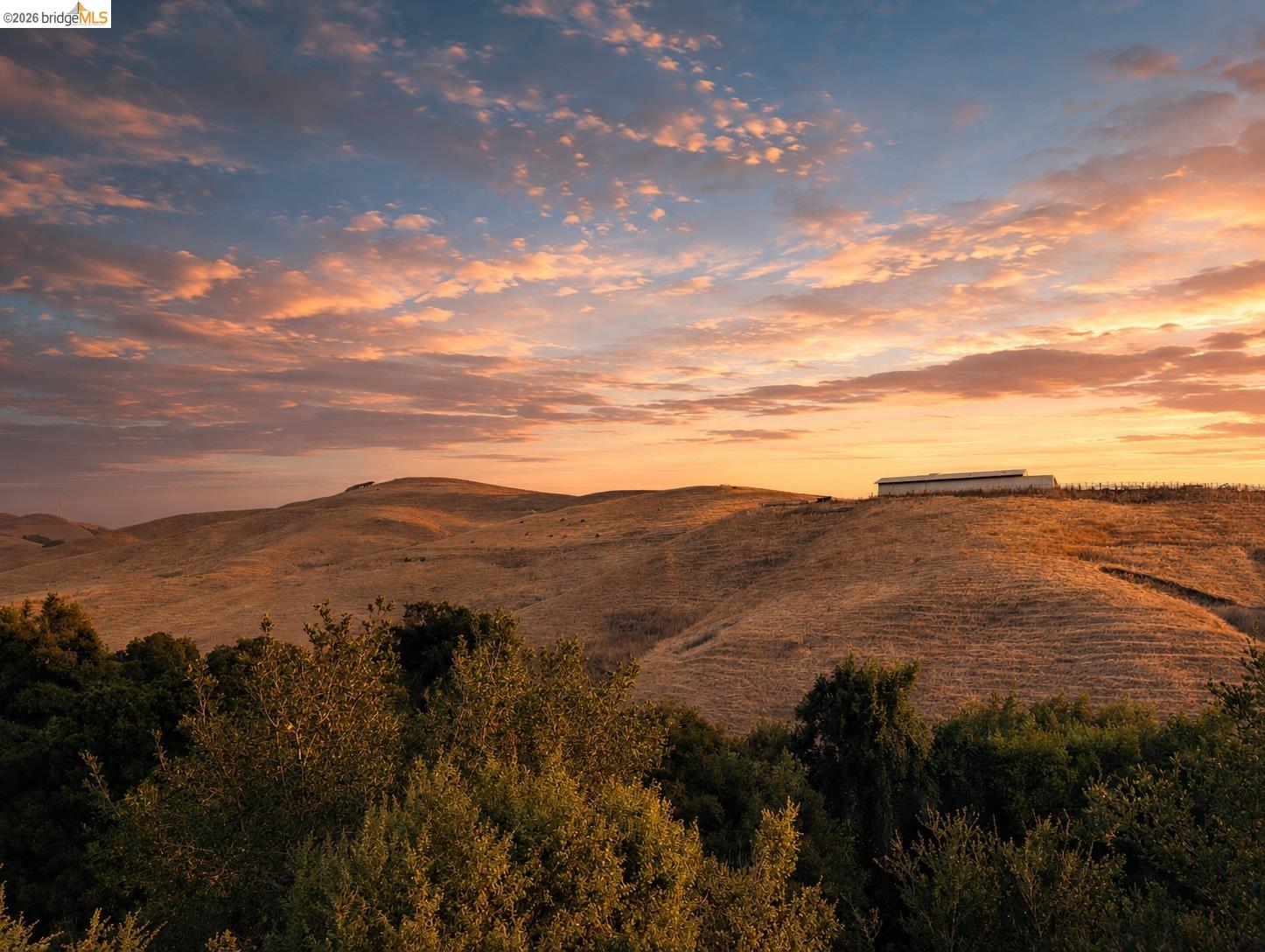
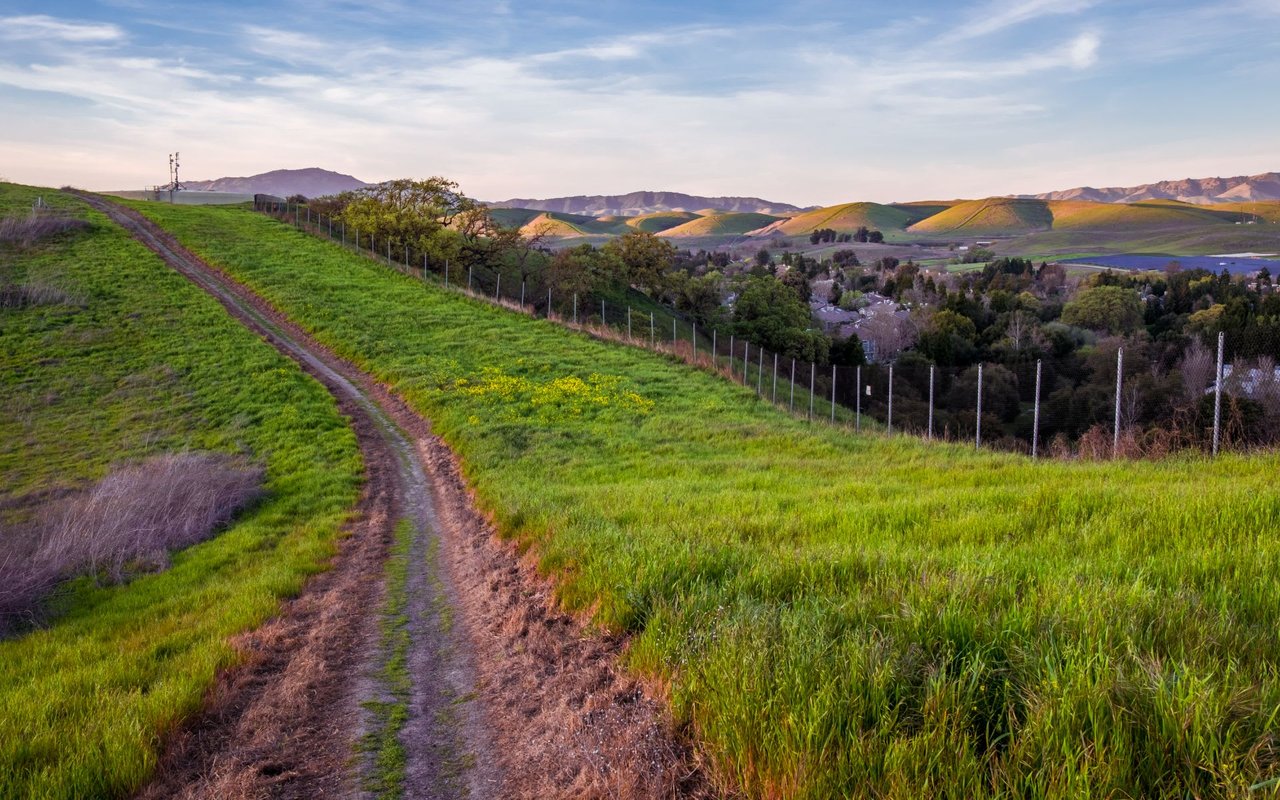
And when you want to trade manicured lawns for wild California hills, Dublin Hills Regional Park sits right on the western edge of town. Its 650-plus acres of undeveloped grassland deliver steep, rolling terrain and a serious workout, rewarded at the top with panoramic views across the Tri-Valley and out to Mount Diablo. It's especially spectacular in spring, when the hills turn vivid green and the wildflowers come out.
Shopping, Dining, and Everyday Amenities Across the City
Dublin's commercial life mirrors its housing: organized, convenient, and modernizing fast. Rather than a single traditional Main Street, the city's retail is anchored by large, high-quality power centers spread along the Dublin Boulevard corridor. Hacienda Crossings, near the I-580/I-680 split, is a sprawling lifestyle center with retail anchors like Target, Best Buy, and Barnes & Noble alongside a Regal IMAX theater complex. Persimmon Place offers a more upscale, eco-conscious take on daily errands, headlined by a flagship Whole Foods Market, Nordstrom Rack, and popular fast-casual dining. And the ambitious Dublin Centre development is finally giving the city the walkable core it long lacked, with pedestrian promenades, local boutiques, and cafés.
The dining scene has changed even more dramatically. For years Dublin leaned on standard suburban chains, but recent arrivals have pulled respected operators out of San Francisco and the South Bay. Marufuku Ramen, the celebrated San Francisco Hakata-style tonkotsu house, drew immediate crowds when it expanded here. Dishdash, the acclaimed family-owned Middle Eastern group from Silicon Valley, took over a large footprint at Hacienda Crossings to bring scratch-made Mediterranean cooking to the East Bay. And Dublin has quietly become a serious dim sum destination, with newer spots like Pearl Bay Manor joining the long-established Koi Palace. Reflecting the Tri-Valley's growing diversity, the area is also served by exceptional international grocers, including 99 Ranch Market and major South Asian markets like Apna Bazar and India Cash & Carry, which make specialty shopping effortless.
How Dublin Compares to Pleasanton, San Ramon, and Livermore
Buyers exploring the Tri-Valley almost always cross-shop these four neighboring cities. All of them share strong safety records and top-tier schools, but each has a genuinely distinct personality, and understanding those differences is the fastest way to figure out where you belong.
Against Pleasanton, the contrast is old-world charm versus modern momentum. Pleasanton is defined by tradition: a historic, highly walkable downtown Main Street, the Alameda County Fairgrounds, and established tree-lined neighborhoods. Its homes carry a "city premium," generally trending higher in price per square foot with larger lots but older architecture. Dublin, by comparison, offers far more selection in the turn-key townhouse and contemporary condo tier, and while both cities share the BART terminus, Dublin's two in-city stations give it a slight edge for true walk-to-transit access.
Against San Ramon, the story is two master-planned cities with one key difference. San Ramon is anchored by Bishop Ranch, a massive corporate park hosting major employers, with its retail centered on the chic outdoor City Center Bishop Ranch. Both cities excel at modern master plans, San Ramon's Gale Ranch and Windemere against East Dublin's Dublin Ranch, but San Ramon has no BART station of its own, making it entirely car-dependent for regional transit. San Ramon wins for those working locally or driving straight down I-680 to the South Bay; Dublin wins decisively for anyone who wants a one-seat train ride into San Francisco.
Against Livermore, it comes down to space and budget versus proximity. Livermore is the relaxed "wine country" of the East Bay, with more than 50 local vineyards, a rustic downtown, and an identity shaped by the Lawrence Livermore National Laboratory. It's typically the most affordable Tri-Valley option, and for the price of a dense East Dublin townhouse, a Livermore buyer can often land a single-family home on a substantial lot. The trade-off is distance: sitting furthest east, Livermore drivers face the longest I-580 commutes, and transit riders must drive or bus to reach Dublin's BART stations.
What Buyers Need to Know Before Purchasing in Dublin
Buying well in Dublin takes a mix of financial discipline and local knowledge. This is a competitive, balanced-to-strong seller's market, and three realities catch buyers off guard more than any others.
First, don't take list prices at face value. A common local tactic is to list a home 5% to 10% under actual market value to spark a bidding war. The median sale-to-list ratio hovers right around 99% to 100%, but desirable homes in premium school zones still regularly close well over asking with multiple offers. Your best defense is to study comparable closed sales from the last 30 to 60 days rather than active listing prices, because those closed numbers reveal your true purchasing power.
Second, calculate the full cost of new construction. If you're drawn to the sleek East Dublin developments in Francis Ranch or Wallis Ranch, the mortgage is only part of the equation. Mello-Roos and CFD assessments that fund the area's new schools, parks, and roads can easily add $2,500 to $4,000 or more per year to your tax bill, and master-planned communities carry monthly HOA fees that reduce your effective borrowing power. Beautiful amenities are rarely free.
Third, respect the fluidity of school boundaries. DUSD is uniformly excellent, but its boundaries shift because of rapid growth. Even a home directly down the street from a specific school can be capped out and reassigned once enrollment fills, and the opening of Emerald High School to relieve Dublin High has already moved lines. Always enter a prospective address into the district's official locator before writing an offer, and never rely solely on the school data shown on listing sites.
Selling Your Dublin Home: Positioning for Today's Market
Dublin remains a magnet for tech-sector families migrating east from Silicon Valley in search of space and top schools. But today's buyers are analytical and sensitive to interest rates, so netting top dollar requires a deliberate strategy built around three priorities: presentation, pricing, and commission.
Start with staging for the buyer you actually have. Dublin's core buyer pool consists of dual-income, tech-adjacent households, busy professionals who have little appetite for renovation projects. Turn-key wins here, which means focusing on high-impact cosmetic upgrades: neutral paint, modern light fixtures, and professional staging are essentially non-negotiable. If your home already includes future-proof features like an EV charger, solar panels, a dedicated home-office nook, or integrated smart-home tech, put them front and center in your marketing, because these are exactly what 2026 buyers are hunting for.
Then nail the pricing. In this market, pricing even slightly too high can cause a home to sit, and a listing that lingers past the 30-day mark quickly loses its shine and invites price reductions. A fresh Dublin listing often goes pending within 20 to 28 days, and the surest path to that outcome is pricing slightly below the most recent comparable sales. That creates a genuine sense of value, drives foot traffic through your open houses, and generates the multiple-offer scenario that gives sellers real leverage.
Finally, structure your commission thoughtfully. With industry commission standards shifting, how you set up your listing agreement matters more than ever. Because Dublin buyers are heavily represented by local agents, offering a competitive buyer-side commission, typically in the 2% to 2.5% range, keeps your home fully visible and appealing to the large pool of qualified, agent-represented buyers actively searching the Tri-Valley.
Work With a Local Dublin Real Estate Expert
Navigating a market as nuanced as Dublin's, where the difference between two sides of the same city can mean tens of thousands of dollars in taxes and an entirely different lifestyle, is exactly where deep local experience pays for itself. That's where our team comes in. Joujou Chawla brings 42 years of California real estate experience and a track record that speaks for itself: the #1 agent in Blackhawk from 2013 to 2025 and in Danville from 2022 to 2025, with more than $2.1 billion in lifetime sales and over 1,535 homes transacted. If you're thinking about buying or selling in Dublin or anywhere across the East Bay and San Ramon Valley, we would be glad to put that expertise to work for you. Reach out to Joujou Chawla Real Estate at (510) 406-4836, by email at [email protected], or online at chawlarealestate.com to start the conversation.