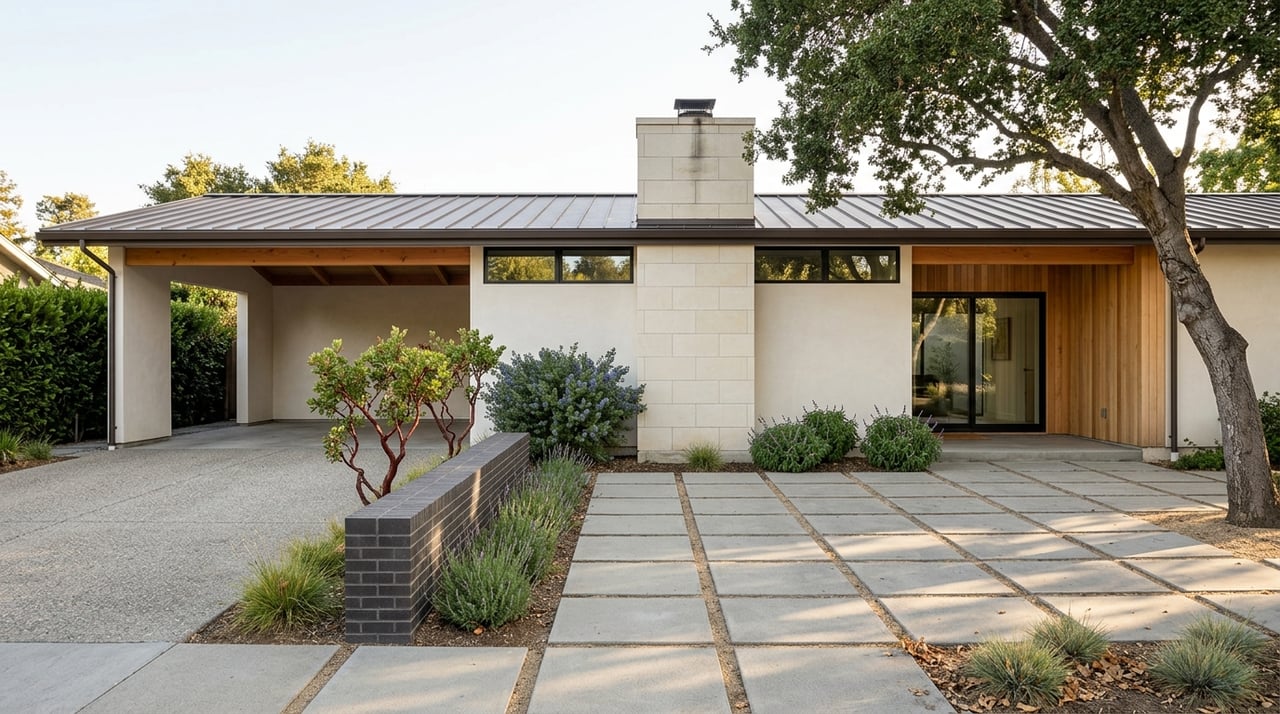
If you are drawn to clean lines, easy indoor-outdoor living, and homes that feel connected to the land, Orinda should be on your radar. This is a market where ranch and mid-century homes are not just a passing style trend. They are part of the city’s architectural identity, and they often sit on lots where slope, trees, light, and views shape daily life as much as square footage does. In this guide, you will learn how these homes typically live, where to focus your search, and what to check before you buy. Let’s dive in.
Why Orinda Stands Out
Orinda has real architectural credibility for buyers who love ranch and mid-century design. The city’s landmark list includes the Buehler House by Frank Lloyd Wright, the Nelson House by Richard Neutra, and the Paul Hamilton House. Its residential design-review materials also make clear that preserving Orinda’s semi-rural character is a core goal.
That matters because the setting is part of the appeal. In Orinda, homes are often shaped by hillsides, wooded ridges, and view corridors. If you want a house that feels tied to its lot rather than dropped onto it, this local design framework can be a big advantage.
What the Market Looks Like
Orinda is a premium market, and that affects how you should approach a search for architectural homes. Bay East’s May 2026 detached-home report showed 38 active listings, 22 sales, a median sale price of $2.25 million, about $818 per square foot, roughly 15 days on market, and average sales at 103% of list price.
In practical terms, that points to a fast-moving environment where presentation, condition, and lot quality can have a major impact. A well-preserved ranch or a thoughtfully updated mid-century home may attract strong attention, especially when the layout and site work well together.
How Ranch Homes Live
Ranch Style Basics
California ranch homes are usually one story with a long, low profile. They often include overhanging eaves, natural materials, and a layout that separates public living areas from private bedroom spaces.
For many buyers, that means convenience. You may get simpler day-to-day living, easier movement between rooms, and a layout that feels casual rather than formal.
Why Buyers Like Ranch Homes
Ranch homes often appeal to buyers who want one-level living and a straightforward floor plan. The connected or loosely connected kitchen, dining, and living areas can make the home feel relaxed and functional.
In Orinda, this style can also pair well with flatter or gentler lots. If your priority is ease, usability, and a strong connection to a backyard or patio, ranch homes are often the cleanest fit.
How Mid-Century Homes Live
Mid-Century Features to Expect
Mid-century modern, sometimes described in California as California modern, grew out of postwar design ideas focused on light, new materials, and indoor-outdoor flow. Common features include simple massing, flat or low-pitched roofs, large expanses of glass, sliding glass doors, and integrated outdoor living spaces.
These homes were also designed to respond to lot shape and slope. That makes them especially relevant in Orinda, where topography can be a defining part of the property.
What Daily Life Feels Like
A mid-century home often prioritizes light, openness, and the relationship between interior rooms and the landscape. Instead of focusing only on room count, these homes tend to emphasize views, deck access, and how the house sits on the site.
If you enjoy architectural character and want a home that feels visually connected to trees, hillsides, or sky, a mid-century property may offer that experience better than a more conventional layout.
Where to Focus Your Search
Orinda has distinct residential pockets, and that matters because topography and lot patterns vary quite a bit across the city. Your best fit will depend on whether you value one-level ease, wooded privacy, architectural character, or newer construction.
Glorietta, Ivy Drive, and Central Areas
City housing materials identify Glorietta, Ivy Drive, Country Club, Wagner Ranch, and North Orinda as distinct residential areas. Glorietta and Central Orinda are described as having an eclectic mix of ranch-style and contemporary properties, while Ivy Drive is noted for classic ranch-style and mid-century homes in a wooded setting.
These areas can be a good starting point if you want established homes with architectural variety. They may also offer a clearer path to the ranch-home lifestyle many buyers picture when they think of classic East Bay living.
Del Rey and Sleepy Hollow
Del Rey and Sleepy Hollow tend to be more terrain-driven and wooded. Del Rey is described as having low forested hillsides with upscale ranch homes and mid-century modern properties, while Sleepy Hollow includes a mix of ranch, craftsman, colonial, and modern homes across a broad neighborhood footprint.
For buyers, that often means more privacy and a stronger relationship to landscape and views. It can also mean that the lot itself deserves as much attention as the house.
Wilder as the Newer-Build Option
If you like Orinda but do not want an older ranch or original mid-century home, Wilder offers a very different option. The city describes Wilder as a planned development in Gateway Valley with 245 home sites on more than 1,500 acres, along with a community park, ball fields, clubhouse, swimming and fitness facilities, and a trail network.
Construction of new single-family residences there is almost complete. For buyers who prefer newer construction and planned amenities, Wilder stands apart from the older architectural fabric found elsewhere in Orinda.
What to Check Before You Buy
Buying a ranch or mid-century home in Orinda is not just about style. It is also about understanding what the lot, the permitting history, and the city’s design rules may mean for your future plans.
Design Review Can Shape Renovations
Orinda’s residential design-review rules are important if you hope to expand or significantly update a home. New homes, additions over 1,000 square feet, new second-story projects, and certain other work require design review.
Special design review can also apply to lots with an average slope of 20 percent or more, ridgeline overlay lots, and small or narrow lots under 5,000 square feet or under 50 feet wide. The city’s standards prioritize views, light, air, and the preservation of wooded ridges and hillsides.
Permit History Matters
With older homes, records can be just as important as design. The city notes that soils reports are required for all new homes, retaining walls over 3 feet generally need permits, and creek setbacks can range from 0 to 45 feet depending on creek type.
Buyers can use Contra Costa County ePermits to review permit history or request approved original plans. If you are considering a ranch with additions or a hillside mid-century home, this should be part of your due diligence process.
Hillside Conditions Deserve Close Review
In Orinda, hillside living can be beautiful, but it adds complexity. Slope, drainage, retaining walls, access, and the relationship between the structure and the land can affect both your ownership experience and any future project plans.
For some properties, the house, mature trees, and views all interact with design review. The city may require story poles and arborist input for projects involving landscaping or view impacts.
Wildfire Readiness Is Part of Ownership
Wildfire preparedness is a core part of owning property in Orinda. The Moraga-Orinda Fire District requires year-round compliance with exterior wildfire hazard abatement standards, including defensible-space zones from 0 to 5 feet, 5 to 30 feet, and 30 to 100 feet from the structure.
For buyers, that means wildfire management is not an occasional task. It is part of ongoing homeownership, especially on wooded or hillside parcels.
Which Style Fits Your Goals?
If you want simple daily living, one-level convenience, and a layout that often works well for a broad range of needs, ranch homes may be the better fit. They tend to offer a practical rhythm that feels easy and approachable.
If you care more about light, views, architectural character, and a stronger connection to the lot, a mid-century or hillside home may be more compelling. You may also need to be more comfortable with site complexity, design-review rules, and ongoing property management.
Neither choice is better across the board. The right fit depends on how you want to live, how much project complexity you can take on, and whether your priorities lean toward convenience, design, or setting.
A Smart Buying Strategy for Orinda
In Orinda, the best purchase is often the home where architecture, lot, and future flexibility all align. A beautiful living room with walls of glass may lose some of its shine if the slope, permit history, or design-review constraints do not match your goals.
That is why it helps to evaluate each property in layers:
- Style: Does the home truly deliver the ranch or mid-century features you want?
- Site: How do slope, privacy, trees, and views affect daily living?
- Condition: Have past additions or improvements been properly handled?
- Future plans: Could design review affect your remodeling ideas?
- Ownership reality: Are you comfortable with wildfire abatement and hillside maintenance?
A thoughtful approach can help you avoid buying only for looks. In a market like Orinda, the most successful buyers balance architectural appeal with practical due diligence.
If you are exploring Orinda ranch or mid-century homes and want experienced guidance on evaluating style, setting, and resale potential, Joujou Chawla can help you navigate the East Bay market with clarity and care.
FAQs
What makes Orinda a strong market for ranch and mid-century homes?
- Orinda has documented architectural significance, including landmarked modernist homes, and a local design framework that emphasizes semi-rural character, hillsides, views, light, and outdoor relationships.
What is the difference between an Orinda ranch home and an Orinda mid-century home?
- Ranch homes are typically one story with a long, low layout and easy public-to-private flow, while mid-century homes often emphasize glass, indoor-outdoor living, simple forms, and a stronger response to slope and site.
Which Orinda areas are known for ranch and mid-century homes?
- Glorietta, Ivy Drive, Country Club, Wagner Ranch, North Orinda, Del Rey, and parts of Sleepy Hollow are all relevant areas to explore, with varying mixes of flatter lots, wooded settings, and hillside orientation.
What should buyers check before purchasing a hillside home in Orinda?
- Buyers should review design-review triggers, permit history, retaining walls, creek setbacks, slope-related issues, and how trees, views, and access may affect future use or renovation plans.
Do Orinda remodeling plans often require design review?
- Yes, certain projects such as new homes, additions over 1,000 square feet, new second-story work, and some projects on steep, ridgeline, narrow, or small lots may require design review.
Is wildfire maintenance part of owning a ranch or mid-century home in Orinda?
- Yes, the Moraga-Orinda Fire District requires year-round exterior wildfire hazard abatement, including defensible-space zones around the structure.