If you are thinking about buying in Diablo, you are not just choosing a house. You are choosing a small, historic community with its own rhythms, local institutions, and lifestyle expectations. That can feel exciting and a little complex at the same time, especially if you are comparing Diablo with places like Blackhawk, Alamo, or West Side Danville. This guide will help you understand what makes Diablo distinct, what to review before you write an offer, and how to approach this very limited market with confidence. Let’s dive in.
Why Diablo Feels Different
Diablo is a very small unincorporated community in Contra Costa County with about 900 residents and roughly 400 homes. It was established in the early 1900s and is still defined by large lots, mature oak trees, elegant homes, and the historic Diablo Country Club.
That size matters when you shop here. Diablo is not a large subdivision with a predictable stream of listings. It is a low-turnover, premium micro-market where each home can have a very different story, layout, lot condition, and ownership history.
Another key difference is governance. Local affairs involve the Diablo Property Owners’ Association, the Diablo Community Services District, and the Diablo Municipal Advisory Council. For you as a buyer, that means ownership in Diablo is about both the property and the community structure around it.
Diablo Is Not Blackhawk
Many buyers cross-shop Diablo and Blackhawk, but they offer very different living experiences. Diablo Country Club describes Diablo as a village-like setting, while Blackhawk HOA describes Blackhawk as a planned unit development with staffed or electronic entrances and private roads.
That distinction matters in daily life. Blackhawk offers a more formal gated-community framework, while Diablo has a historic, small-community feel with layered public charges, voluntary community contributions, and a country club presence at its center.
If you are deciding between the two, it helps to think beyond square footage. You are really comparing ownership structures, street feel, pace of life, and how much historic character you want in the mix.
What Homes In Diablo Are Like
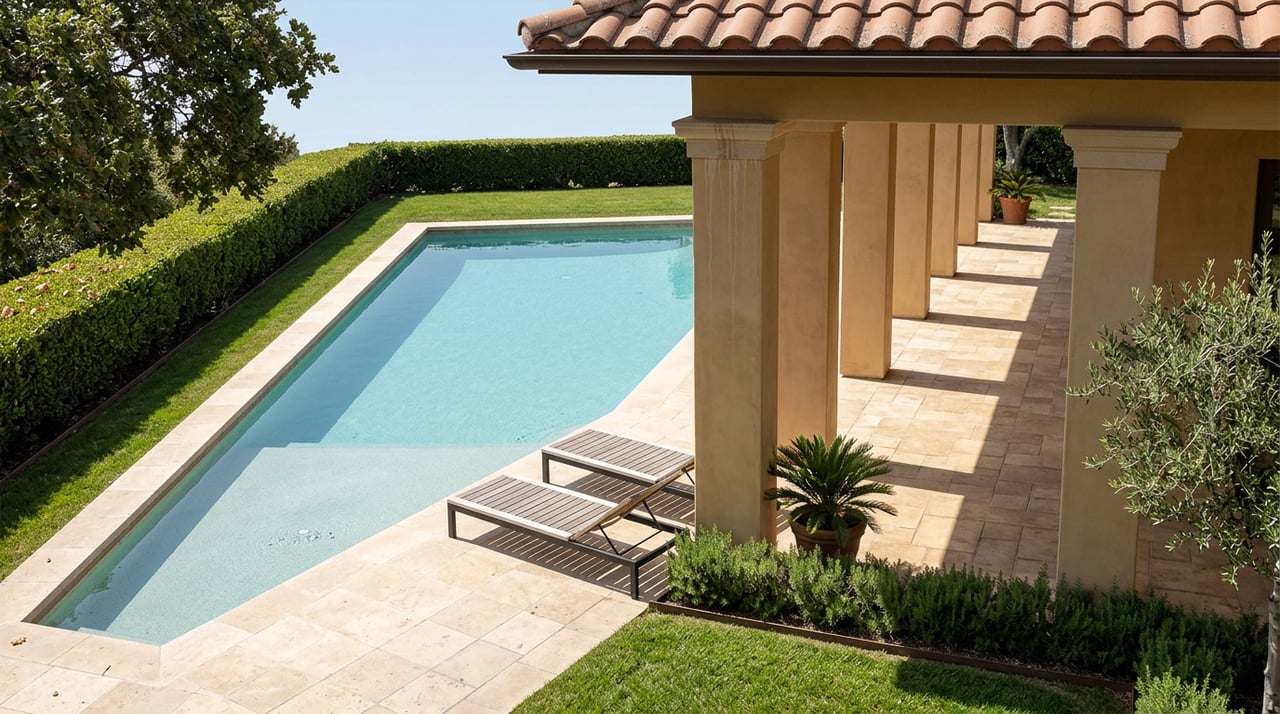
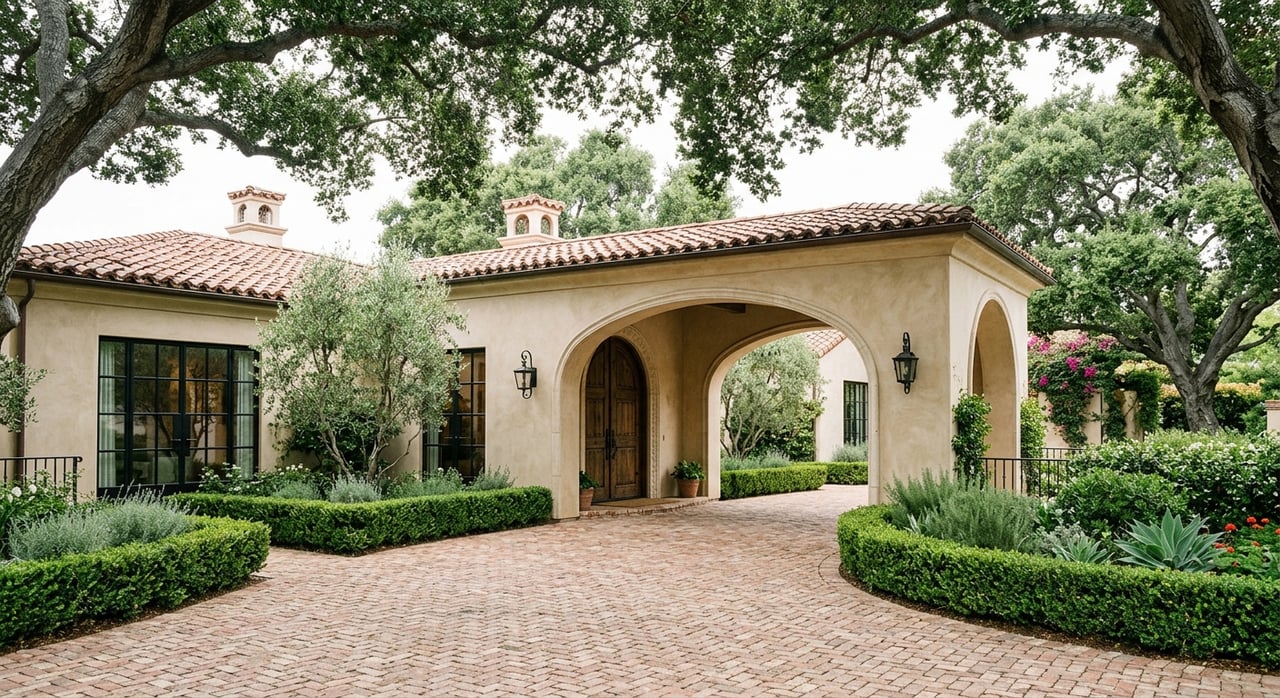
One of Diablo’s biggest appeals is that it does not feel uniform. According to the Diablo Property Owners’ Association, the community includes everything from architect-designed estates to simple summer cottages that were later expanded into full-time homes.
That history still shows up in the housing stock. Early homes often had sleeping porches, and many originally lacked heat or kitchens. Over time, some properties were extensively updated, while others kept more of their historic character.
The county’s Historic Resources Inventory identifies the Diablo Historic District as covering the entire Diablo area. It also notes that English Tudor remains prevalent in at least one contributing property, which gives you a sense of the area’s architectural variety and historic depth.
Why Historic Character Matters To Buyers
Historic character can be a major reason people fall in love with Diablo. At the same time, it can affect what you can change after closing.
Contra Costa County says many projects require planning approval before building permits, including all residential units, and design review applies in special areas such as historic districts. In practical terms, that means remodels, additions, ADUs, and exterior changes may involve more review than buyers expect.
Before you assume you can rework a floor plan, expand the footprint, or modernize the exterior, verify the property’s permit history and whether it is considered a contributing historic resource. In a place like Diablo, renovation potential should be confirmed early, not guessed at later.
Diablo Country Club And Daily Lifestyle
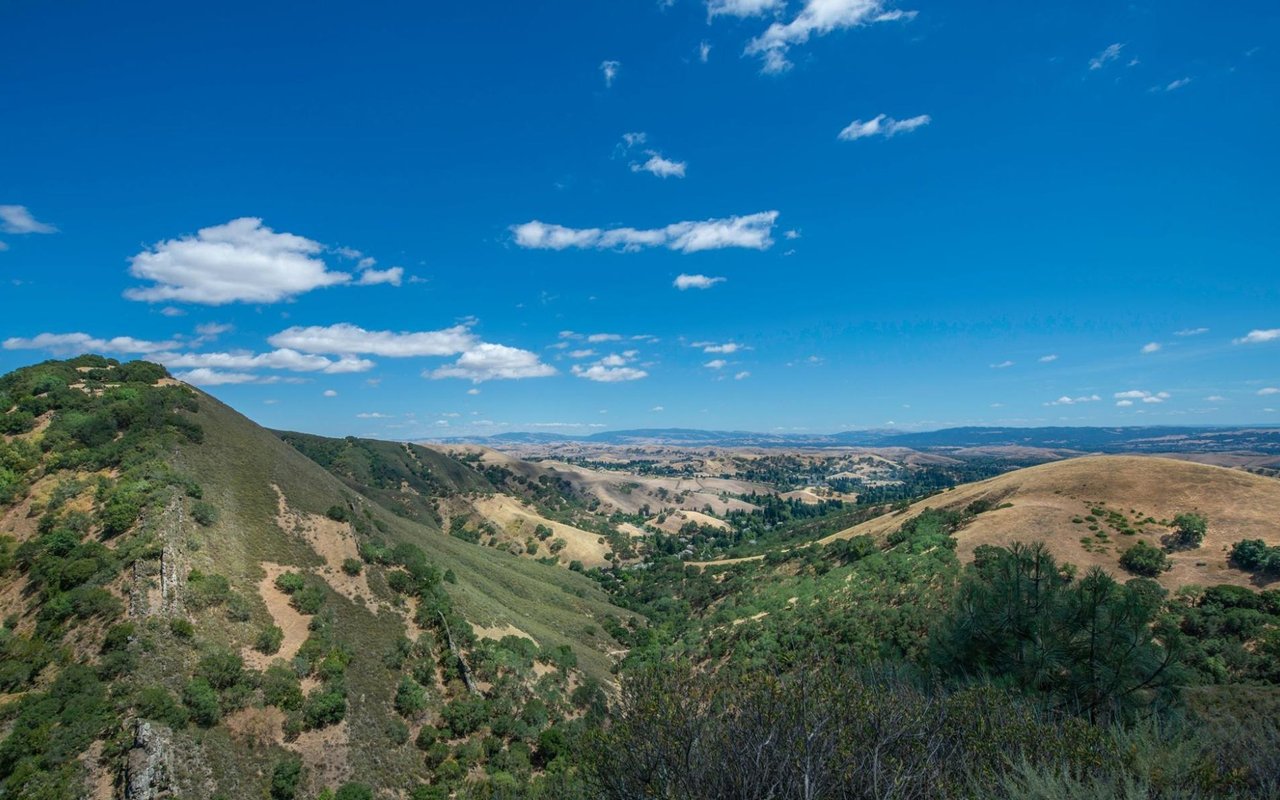
For many buyers, Diablo Country Club is part of the appeal. The club offers golf, racquets, fitness, aquatics, dining, and social programming, and its 18-hole course sits at the base of Mount Diablo.
The club offers several membership categories, including Regular Proprietary, Young Professional Executive, Sports, and Social. Proprietary members receive equity redemption and voting privileges, while younger-member tiers are offered with a reduced financial commitment.
What the public materials do not provide is a published dues schedule. If club access matters to you, confirm current initiation costs, dues, membership rules, and admissions requirements directly with the club before you move forward.
Is Club Membership Required?
This is one of the smartest questions you can ask early. Buyers should not assume membership is included with the home, required with the purchase, or automatically available.
Because public club information directs prospects to membership sales rather than listing exact pricing and admission rules, you will want clarity on the current process. If club use is central to your lifestyle, treat that conversation as part of your home search, not an afterthought.
In some cases, buyers love Diablo for its architecture, privacy, and setting regardless of club participation. In other cases, the club is a key part of the value equation. The right answer depends on how you plan to live there.
Ownership Costs To Review Carefully
In Diablo, your monthly and annual carrying costs may include more than mortgage and standard property taxes. The Diablo Community Services District provides security as well as maintenance for roads, bridges, culverts, and Kay’s Trail.
For fiscal year 2025-26, the district’s special tax was set at $814.52 for improved parcels and $157.52 for unimproved parcels, collected on the county tax roll. The district’s audited financial statements also state that its main revenue sources include ad valorem property taxes and the Measure B special tax.
The Diablo Property Owners’ Association is also worth understanding. It says it is not a traditional HOA, but a community organization supported by annual resident contributions, with its public site referencing a $200 contribution that supports entrances, patriotic flags, holiday decor, socials, history walks, the directory, the newsletter, and welcome baskets for new residents.
Practical Details Buyers Should Know
Diablo ownership comes with a few day-to-day details that are easy to miss if you only focus on the house itself. The DPOA notes that the Diablo Post Office does not provide home delivery, so residents rent P.O. boxes.
The same community information explains that streets are narrow, parking is constrained, and owners are responsible for creek and encroachment issues. Those details may sound small, but they can affect how a property functions for guests, contractors, future improvements, and everyday convenience.
Before you buy, it is smart to understand how mail, road access, parking, and lot maintenance work in practice for the specific home you are considering. In a historic community, those operational details can vary more than they would in a newer neighborhood.
What The Market Looks Like Right Now
Diablo is a tiny, premium market, so every listing gets a lot of attention. Over the three months ending April 2026, Redfin reported a median sale price of $2.94 million, with only 5 homes sold and a median of 5 days on market.
Redfin classifies Diablo as somewhat competitive, with average homes selling for about 1% above list price and hot homes about 9% above list price. Because only a few homes trade, the price trend can move sharply when just one or two notable sales close.
That is why broad averages only tell part of the story here. In Diablo, the specifics of the lot, history, architecture, condition, and renovation path can matter as much as the headline median.
How Diablo Compares Nearby
Nearby communities help put Diablo into context. Alamo’s median sale price was $2.60 million with 48 homes sold and a 10-day median market time, while West Side Danville was $2.64 million with 8 homes sold and 8 days on market.
Danville overall was $1.82 million with 107 homes sold, 12 days on market, and a 101.3% sale-to-list ratio. Blackhawk’s median sale price was $2.40 million in April 2026.
These comparisons show why Diablo stands apart. It is not just expensive. It is far smaller, more historic, and more individualized than the broader surrounding markets.
Offer Strategy In A Small Historic Market
Because inventory is limited, opportunities in Diablo may not come along often. That means preparation matters.
Before you write, make sure you understand the property’s district-related costs, any community contributions, permit history, club membership questions, and likely renovation constraints. In a market this small, the best buying decisions are usually made before the offer deadline, not during escrow.
It also helps to stay realistic about competition. Even though Diablo is classified as somewhat competitive, well-positioned homes can move quickly, and a unique property may attract buyers who have been waiting a long time for the right fit.
A Smart Diablo Buying Checklist
If you are serious about buying in Diablo, keep this checklist handy:
- Confirm whether Diablo Country Club membership is optional, available, or relevant to your goals
- Ask for current club dues, initiation costs, and admissions details directly from the club
- Review what yearly charges appear on the county tax bill
- Understand any DPOA contribution expectations
- Verify permit history for past work on the property
- Ask whether the home is within the Diablo Historic District as a contributing resource
- Check what remodels, additions, ADUs, or exterior changes may require county or historic review
- Clarify how mail delivery works for the property
- Review parking, road access, creek maintenance, and encroachment responsibilities
Why Local Guidance Matters In Diablo
In a standard resale neighborhood, buying can be mostly about price, condition, and terms. In Diablo, you also need to weigh history, lifestyle, governance, recurring costs, and what you may or may not be able to change over time.
That is why local market knowledge matters so much here. A buyer who understands the nuance of Diablo can move more confidently, ask better questions, and avoid surprises after closing.
If you are considering a home in Diablo, the right guidance can help you compare options clearly and evaluate the full picture, not just the listing photos. When you are ready to explore Diablo with a local, strategic approach, connect with Joujou Chawla.
FAQs
What makes buying a home in Diablo different from buying in Blackhawk?
- Diablo is a historic, village-like community with about 400 homes, while Blackhawk is a planned unit development with private roads and staffed or electronic entrances.
What should buyers know about Diablo Country Club membership?
- Buyers should confirm directly with the club whether membership is optional, what categories are available, and what the current dues, initiation costs, and admissions rules are.
What annual costs should buyers expect in Diablo?
- In addition to mortgage and property taxes, buyers should review the Diablo Community Services District special tax and any annual Diablo Property Owners’ Association contribution.
What renovation questions matter when buying a historic Diablo home?
- Buyers should verify permit history, ask whether the property is a contributing historic resource, and confirm whether planned changes could trigger county planning or historic design review.
What practical ownership details are important in Diablo?
- Buyers should ask how P.O. box mail service works, whether streets and parking may affect access, and what responsibilities come with creek maintenance or encroachment issues.
How competitive is the Diablo real estate market right now?
- Over the three months ending April 2026, Diablo had a median sale price of $2.94 million, 5 homes sold, and a median of 5 days on market, which reflects a small but active premium market.