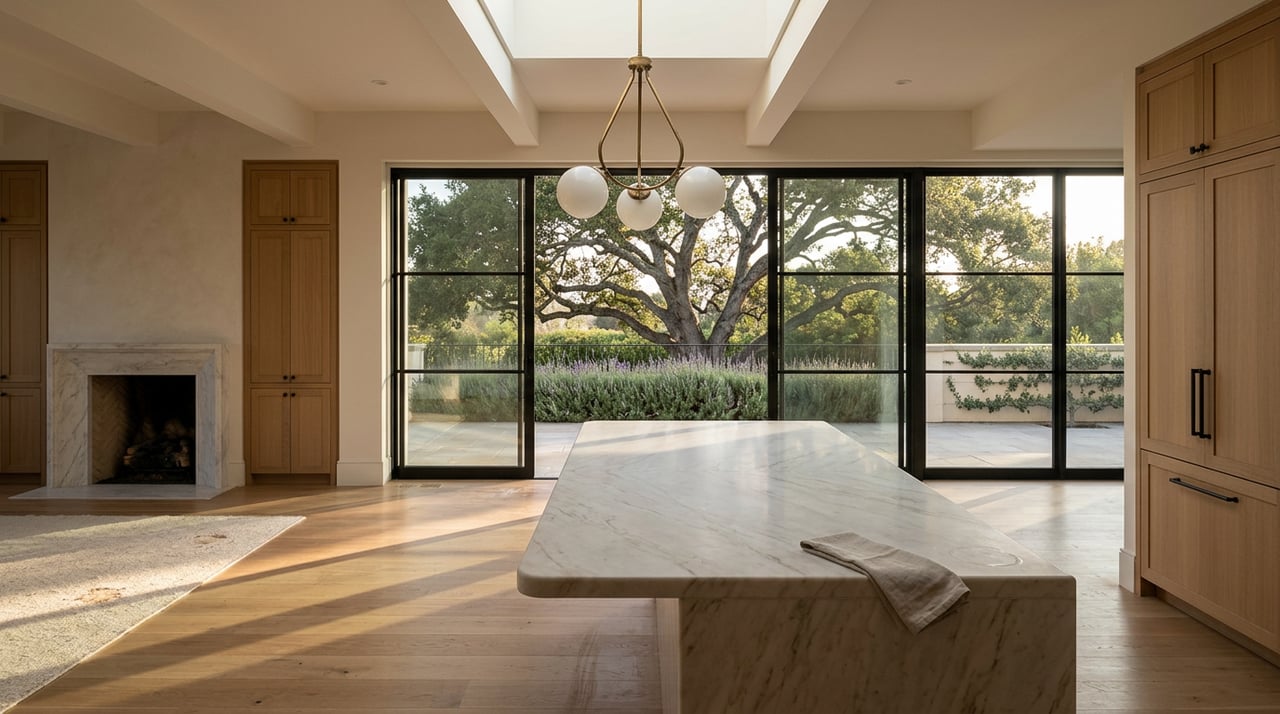
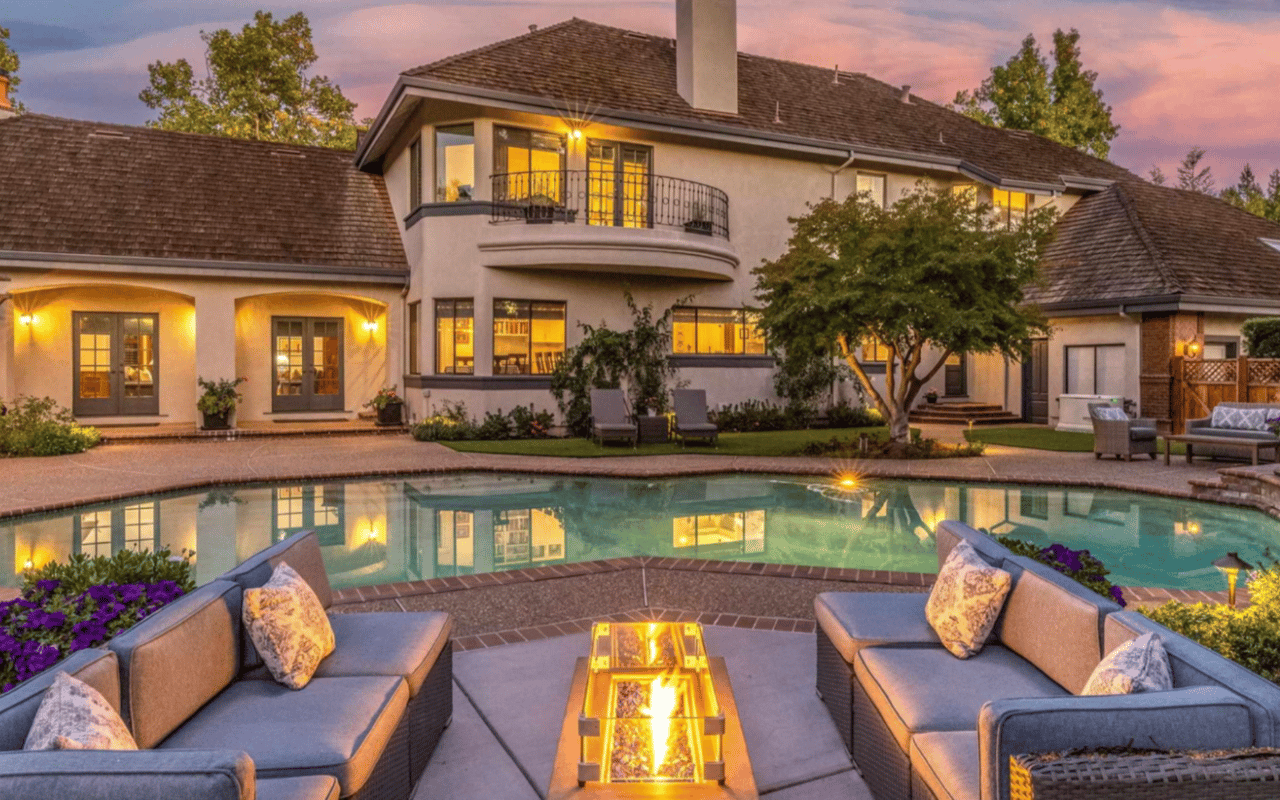
Welcome to Orinda, CA
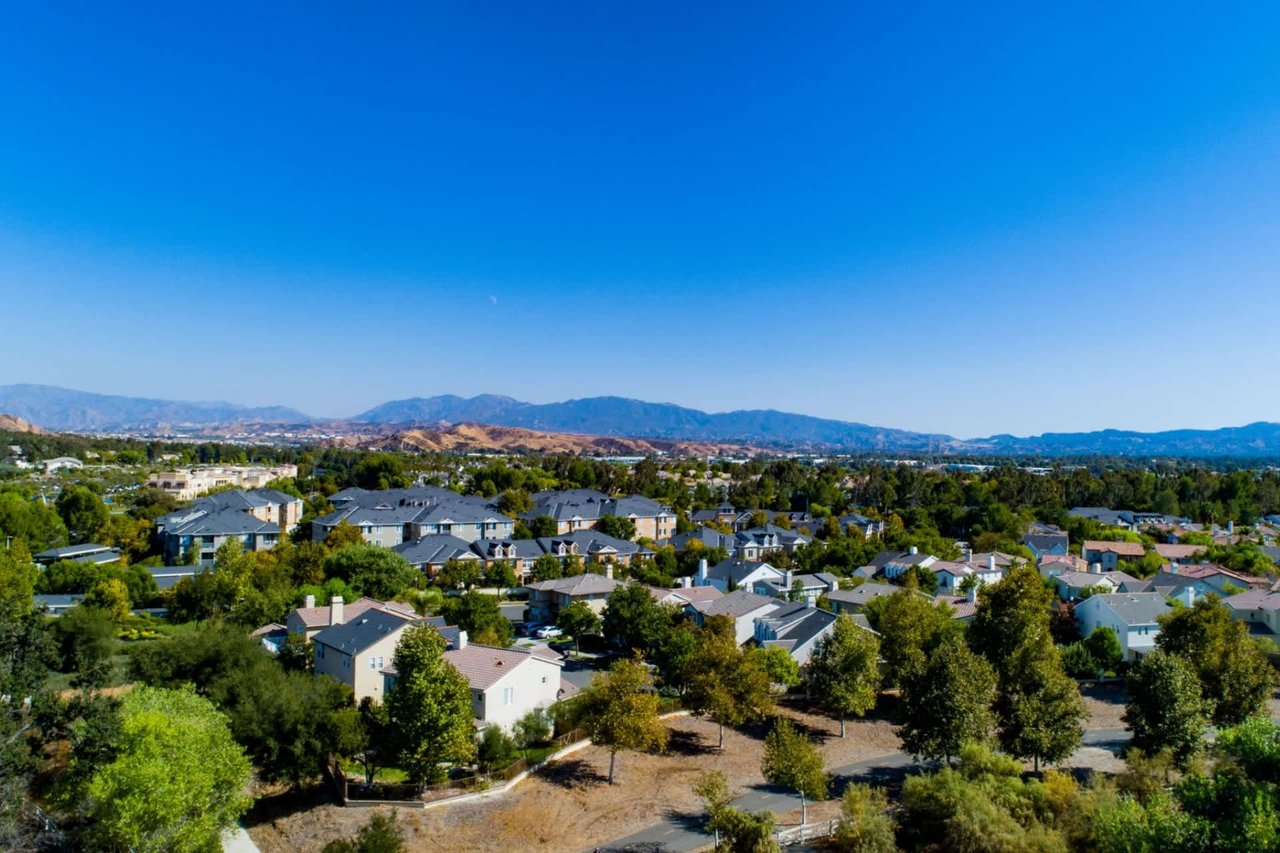
Orinda is an affluent, family-oriented city of approximately 19,500 residents nestled in the oak-studded hills of Contra Costa County, just 17 miles east of San Francisco. Part of the prestigious "Lamorinda" area (Lafayette, Moraga, and Orinda), this 12.8-square-mile community offers a rare combination of suburban tranquility and urban accessibility.
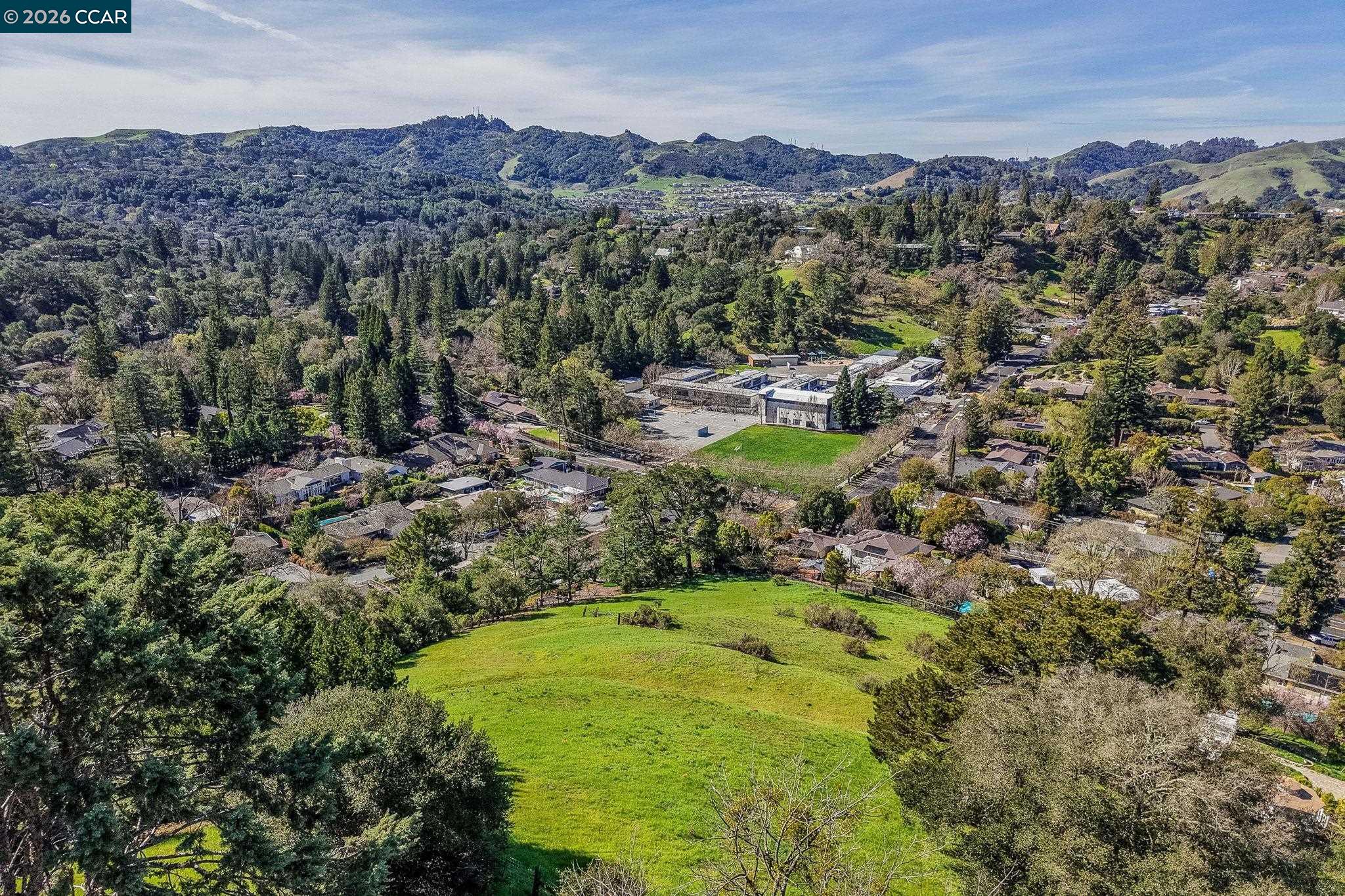
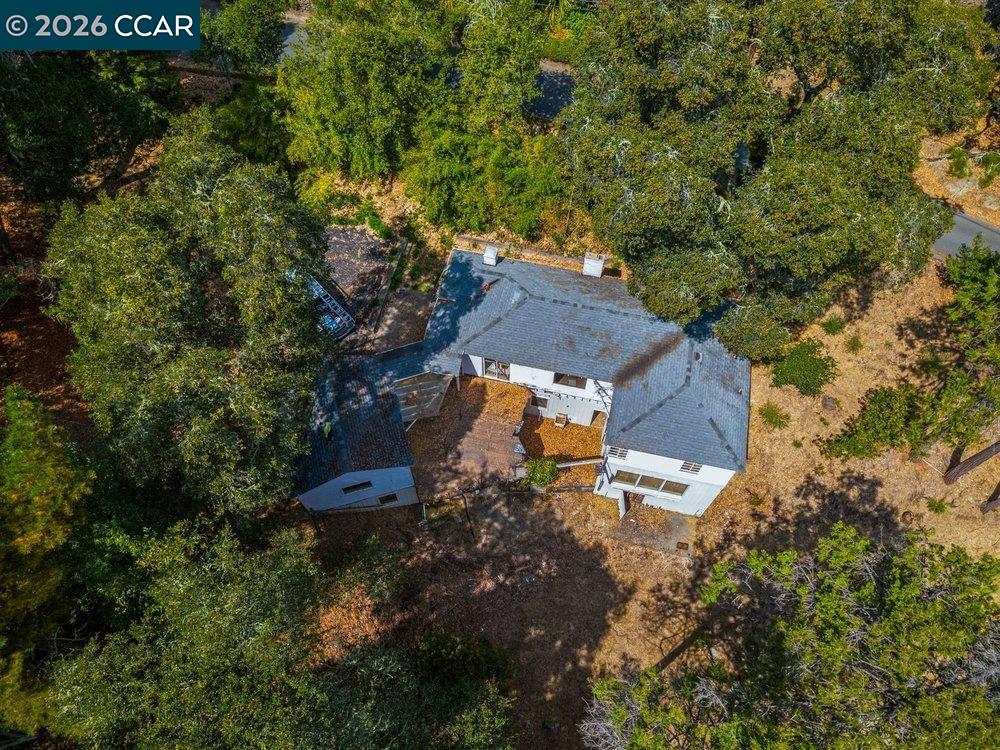
The city is defined by its rolling hills, mature oak trees, and winding residential streets that create a semi-rural atmosphere despite its proximity to major Bay Area employment centers. Orinda consistently ranks among California's safest and most desirable places to live.
Who Lives Here: Orinda attracts highly educated professionals and families seeking top-tier public schools, safety, and natural beauty. The median household income exceeds $250,000, and over 80% of adults hold bachelor's degrees or higher. The median age is 49, reflecting a mix of established families and empty nesters.
The Appeal: Residents enjoy award-winning schools, extensive trail systems, a charming downtown with the historic Orinda Theatre, and a 30-minute BART commute to San Francisco. The city's warm Mediterranean climate is notably sunnier than foggy San Francisco, protected by the Berkeley Hills.
History
Orinda's land was originally part of four Mexican land grants, including Rancho Laguna de los Palos Colorados and Rancho Acalanes. The area remained rural ranching territory and a summer cabin retreat for San Francisco residents throughout the 19th century.
The city's distinctive name comes from Alice Marsh Cameron, who in the late 1800s named her family's estate after Katherine Philips, a 17th-century English poet known as "The Matchless Orinda." The Moraga Adobe, built in 1841 by Joaquin Moraga, remains the oldest standing building in the East Bay.
The opening of the Caldecott Tunnel in 1937 transformed Orinda from a remote retreat to a commuter-accessible suburb. The art deco Orinda Theatre opened in 1941, becoming a cultural anchor. Post-war development brought waves of families seeking quality schools and spacious lots, with most homes constructed between 1950 and 1970.
After decades of gradual development, Orinda officially incorporated as a city on July 1, 1985, with Richard G. Heggie serving as its first mayor. This local control allowed residents to preserve the community's semi-rural character while managing growth.
Real Estate Market Snapshot
Orinda's real estate market is characterized by high prices, limited inventory, and strong buyer demand.
Median Sale Price: $1.9 million to $2.0 million (as of late 2025), representing approximately 19% year-over-year appreciation. Premium neighborhoods like North Orinda and Orinda Downs see median prices of $2.65 million to $3.0 million.
Price Per Square Foot: $750 to $1,040 depending on neighborhood and condition.
Days on Market: Properties typically sell within 7 to 44 days. Summer months see the fastest sales (often under two weeks), while winter listings may take longer.
Inventory: Consistently low, with typically 50 to 80 active listings at any given time. The market sees approximately 250 to 300 transactions annually.
Market Conditions: Generally a seller's market due to strong demand and limited supply. Homes in excellent condition and prime locations frequently receive multiple offers and sell above asking price. During peak season, over 90% of homes sell at or above list price.
Types of Homes Available
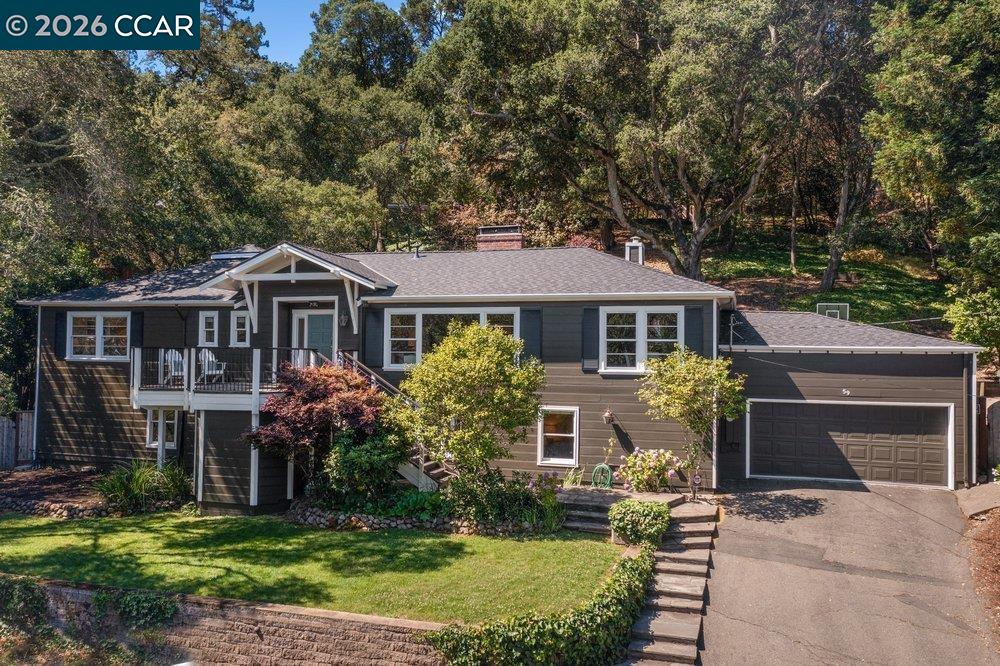
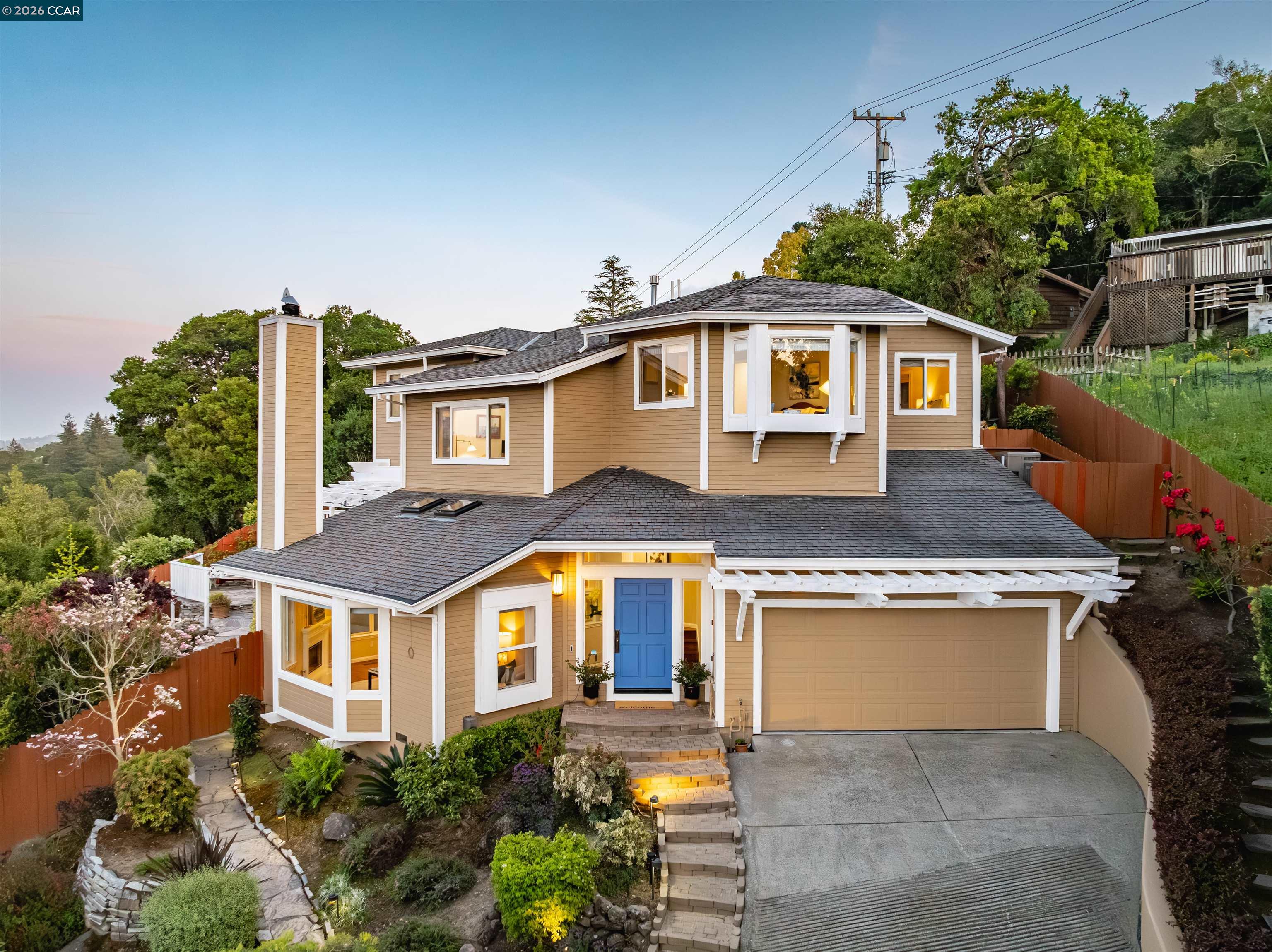
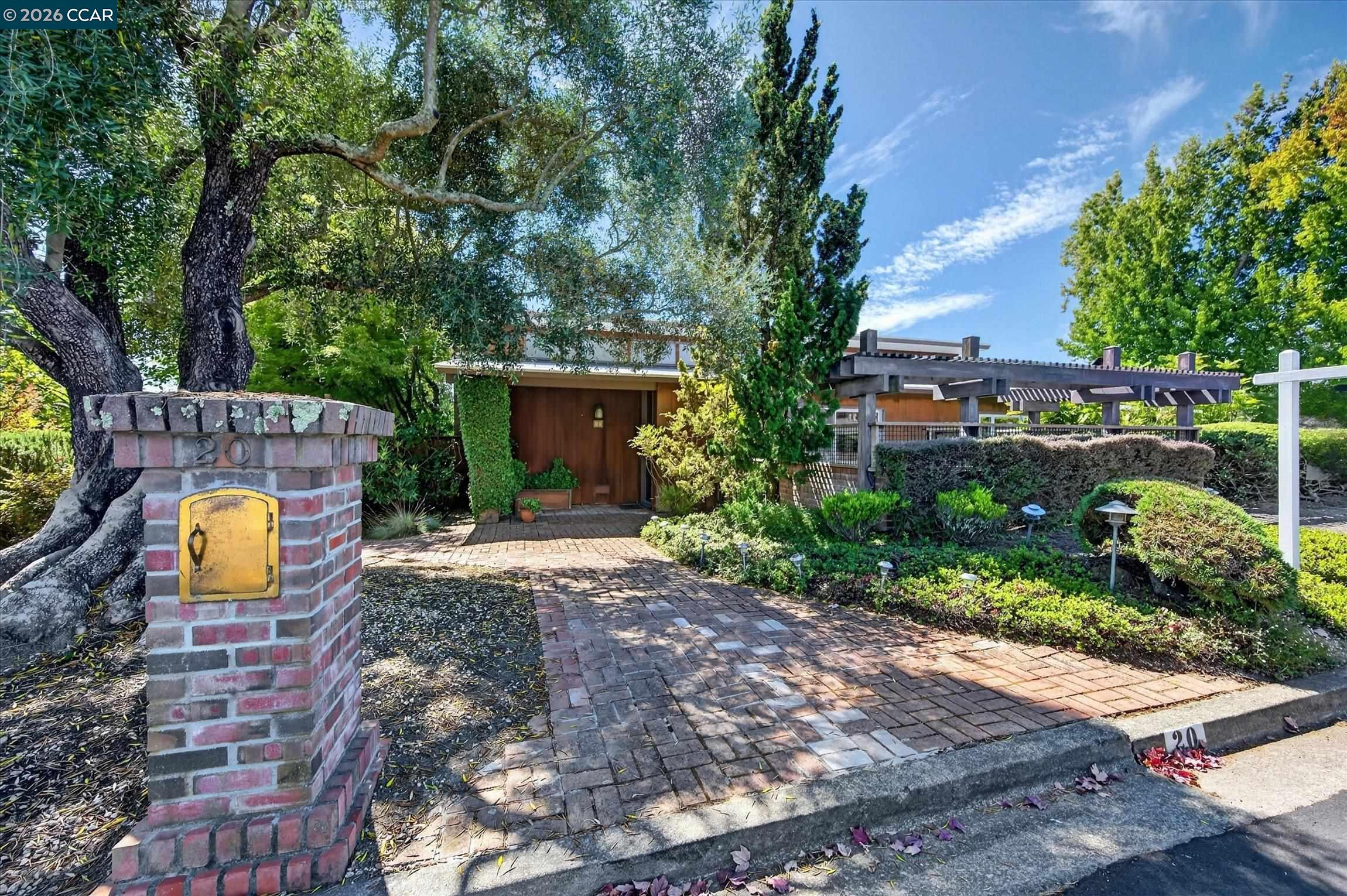
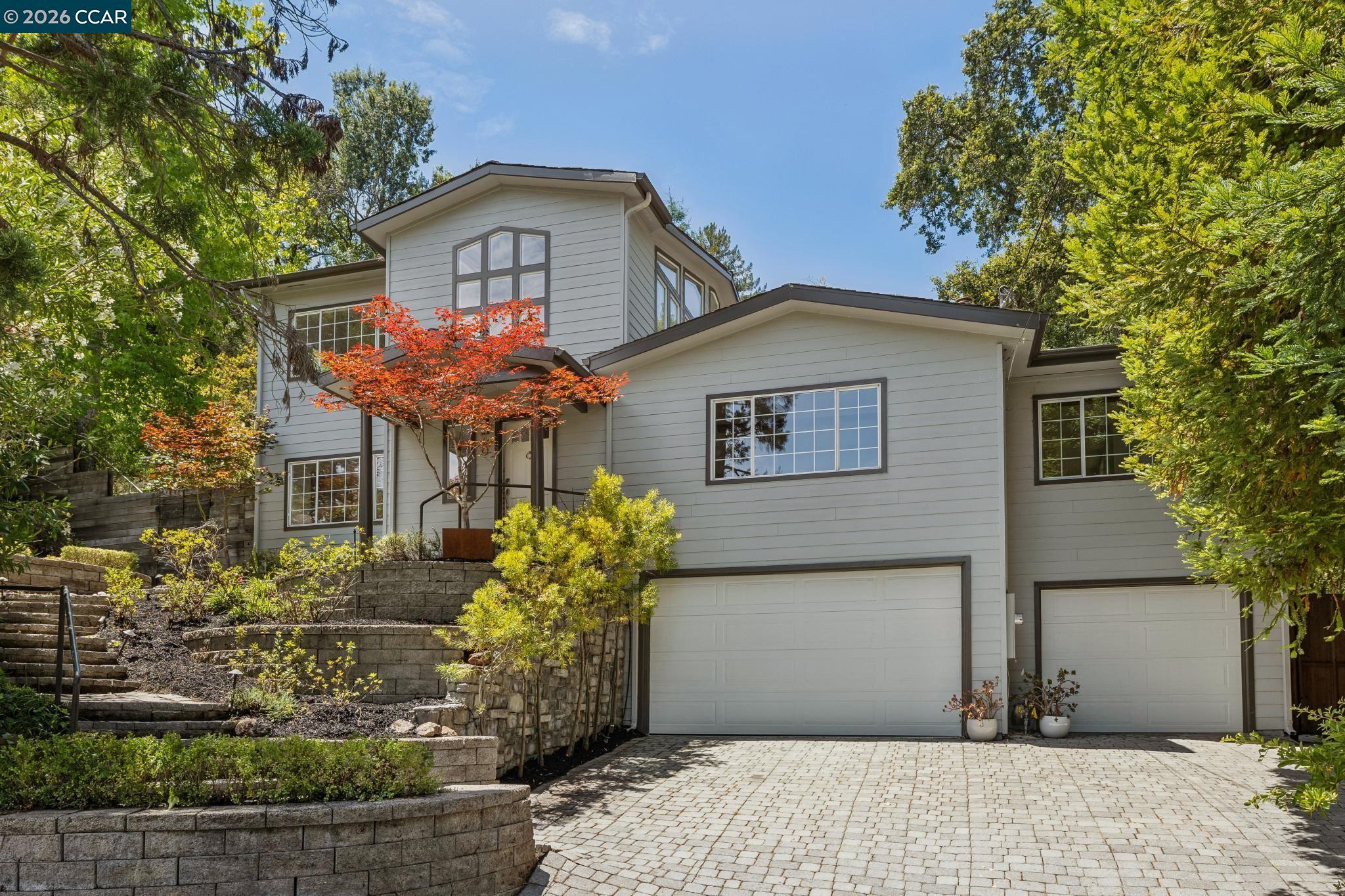
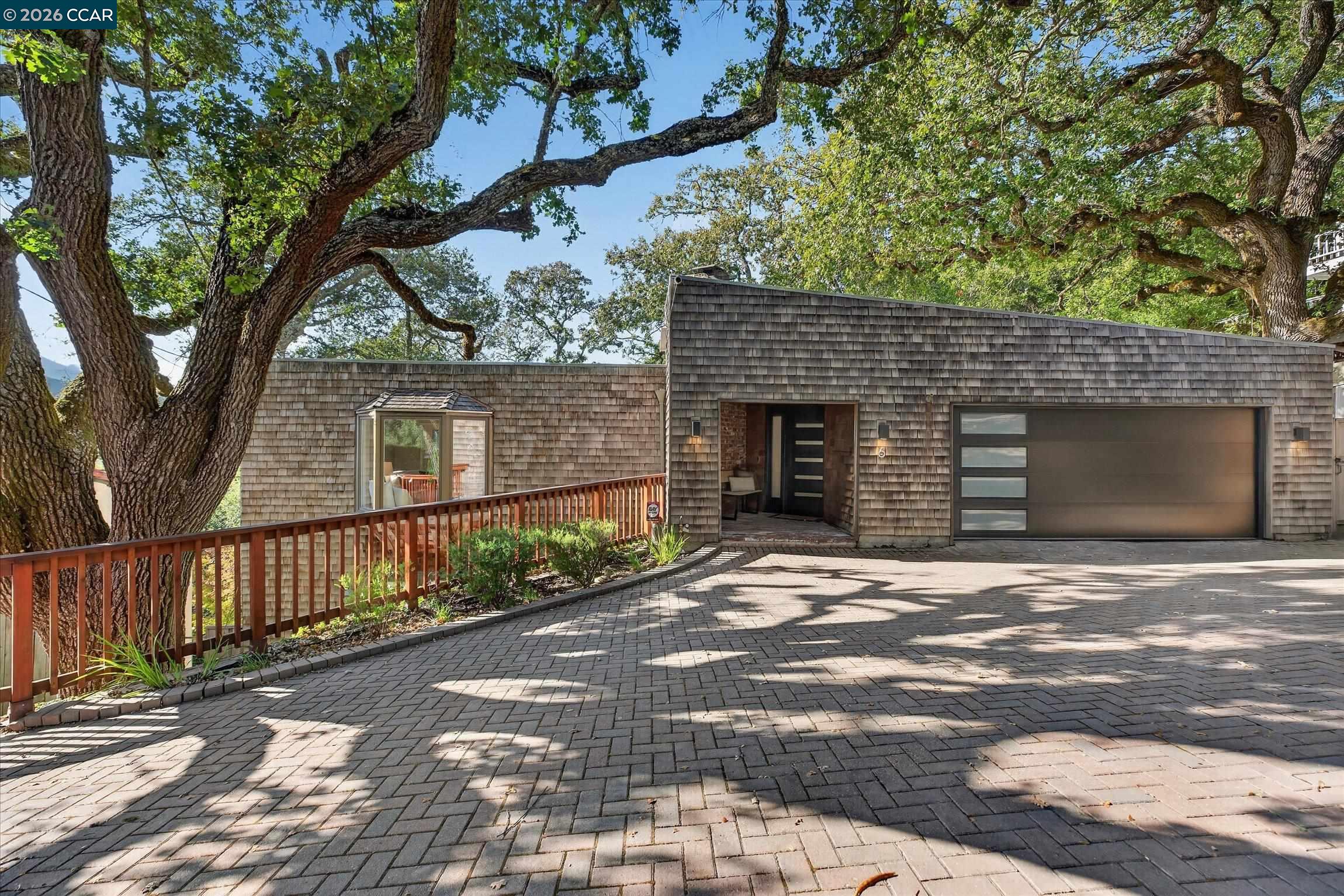
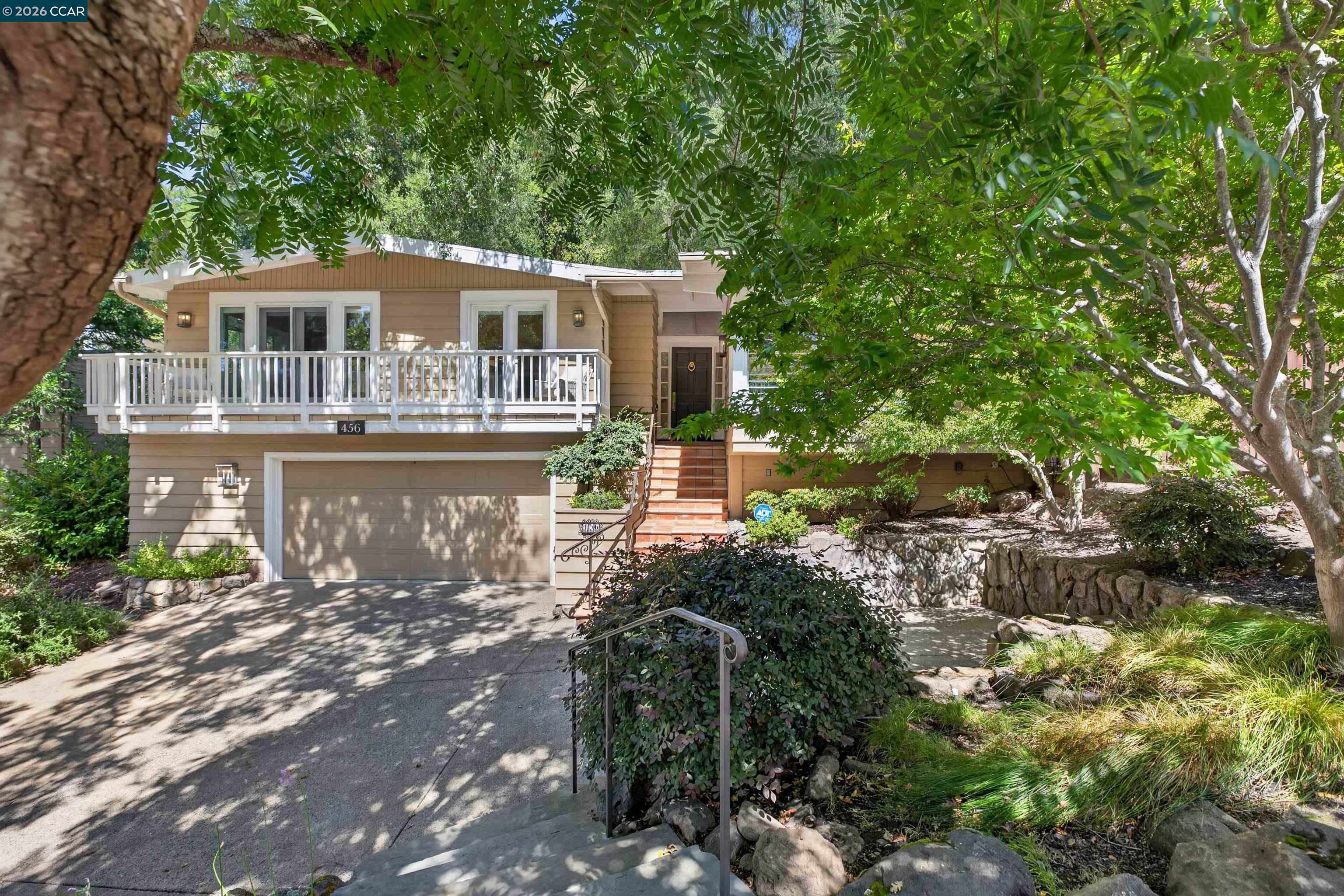
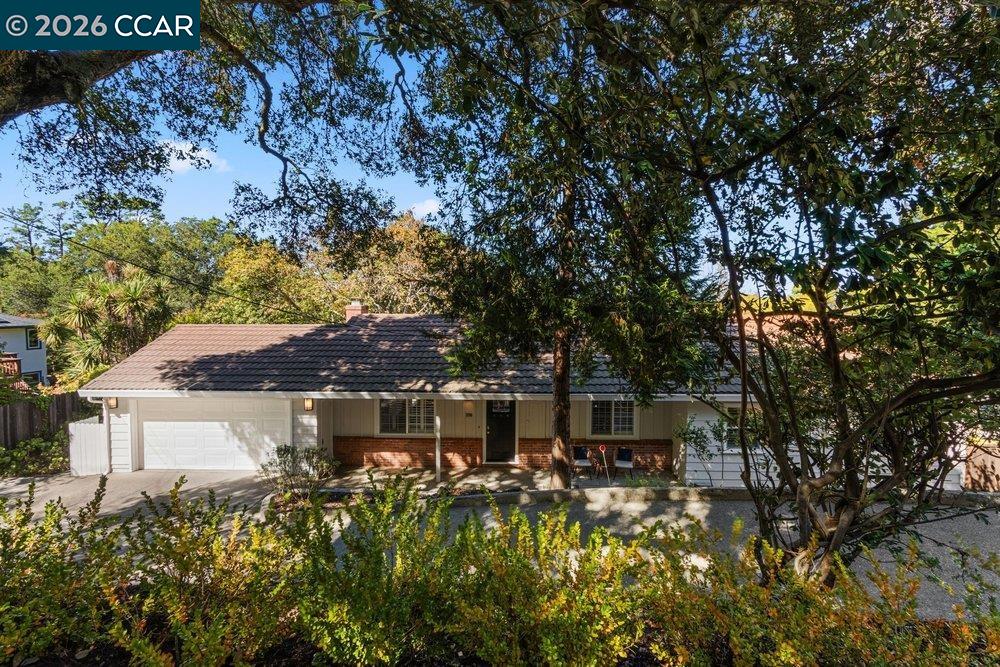
Orinda's housing stock is overwhelmingly single-family homes (95%), with most built between 1950 and 1970. Architectural styles vary significantly by neighborhood.
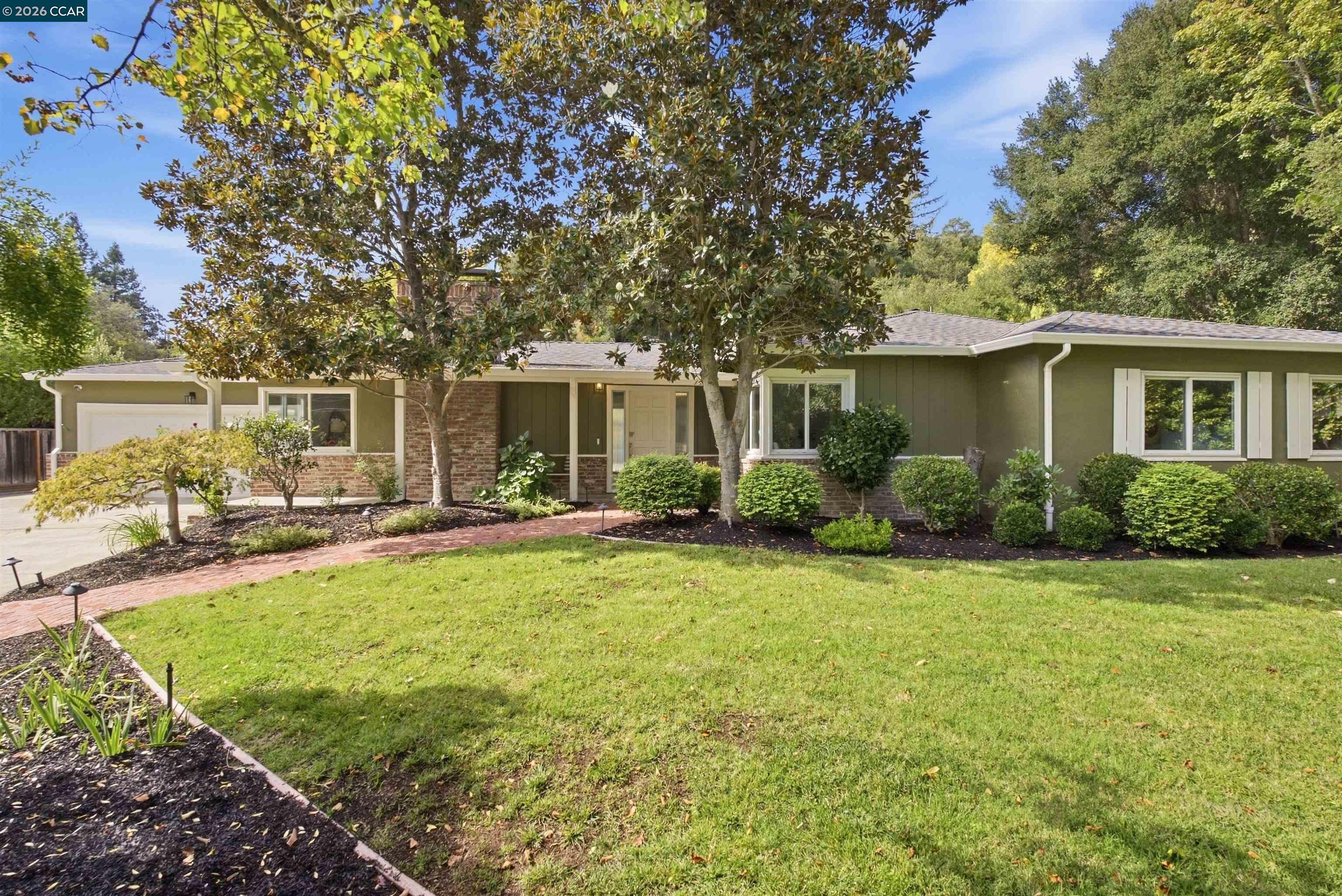
- California Ranch: The dominant style, featuring single-story layouts, open floor plans, and large lots. Particularly prevalent in Sleepy Hollow.
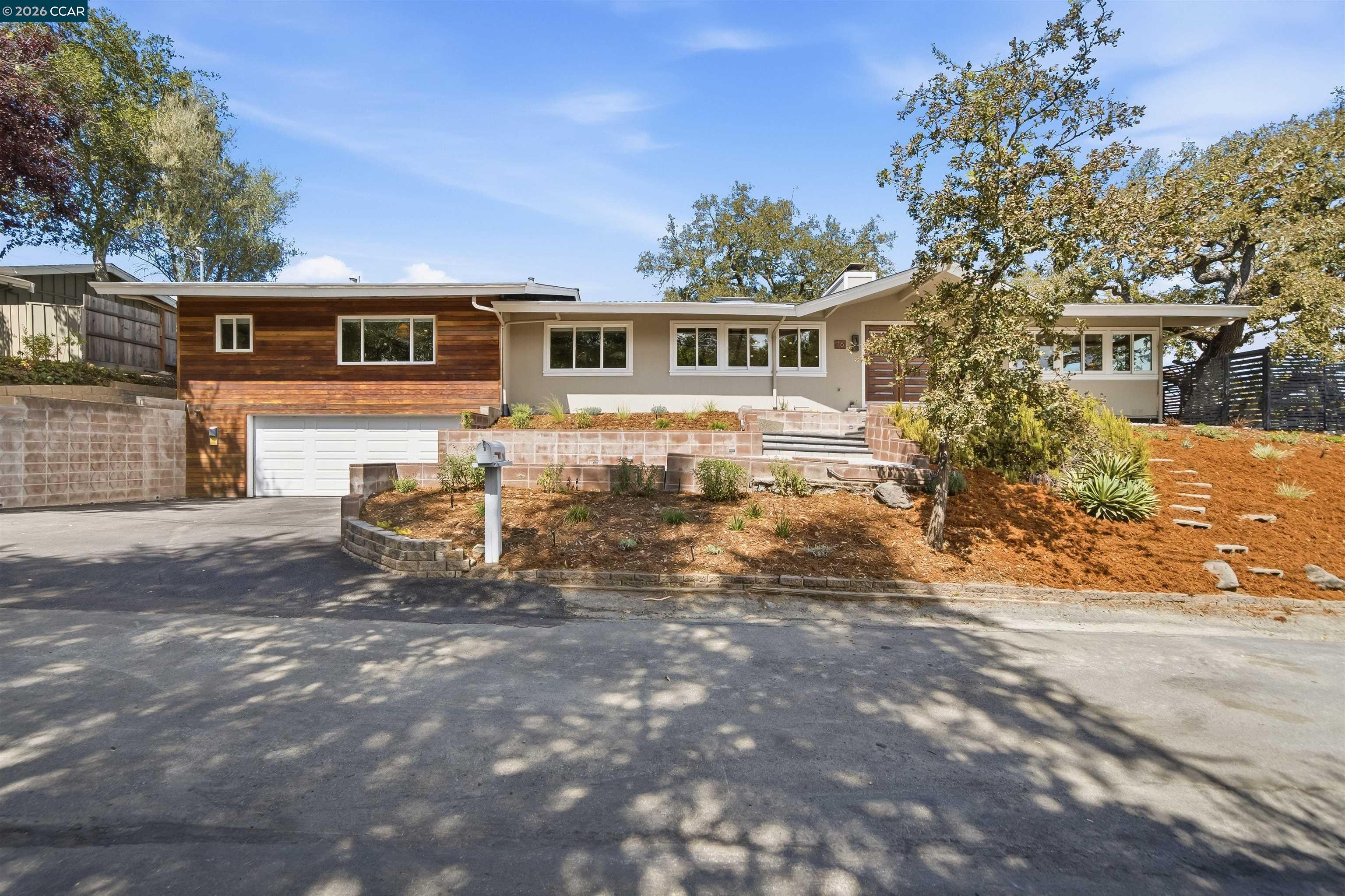
- Mid-Century Modern: Post-and-beam construction with walls of glass, flat or slanted rooflines, and integration with natural surroundings.
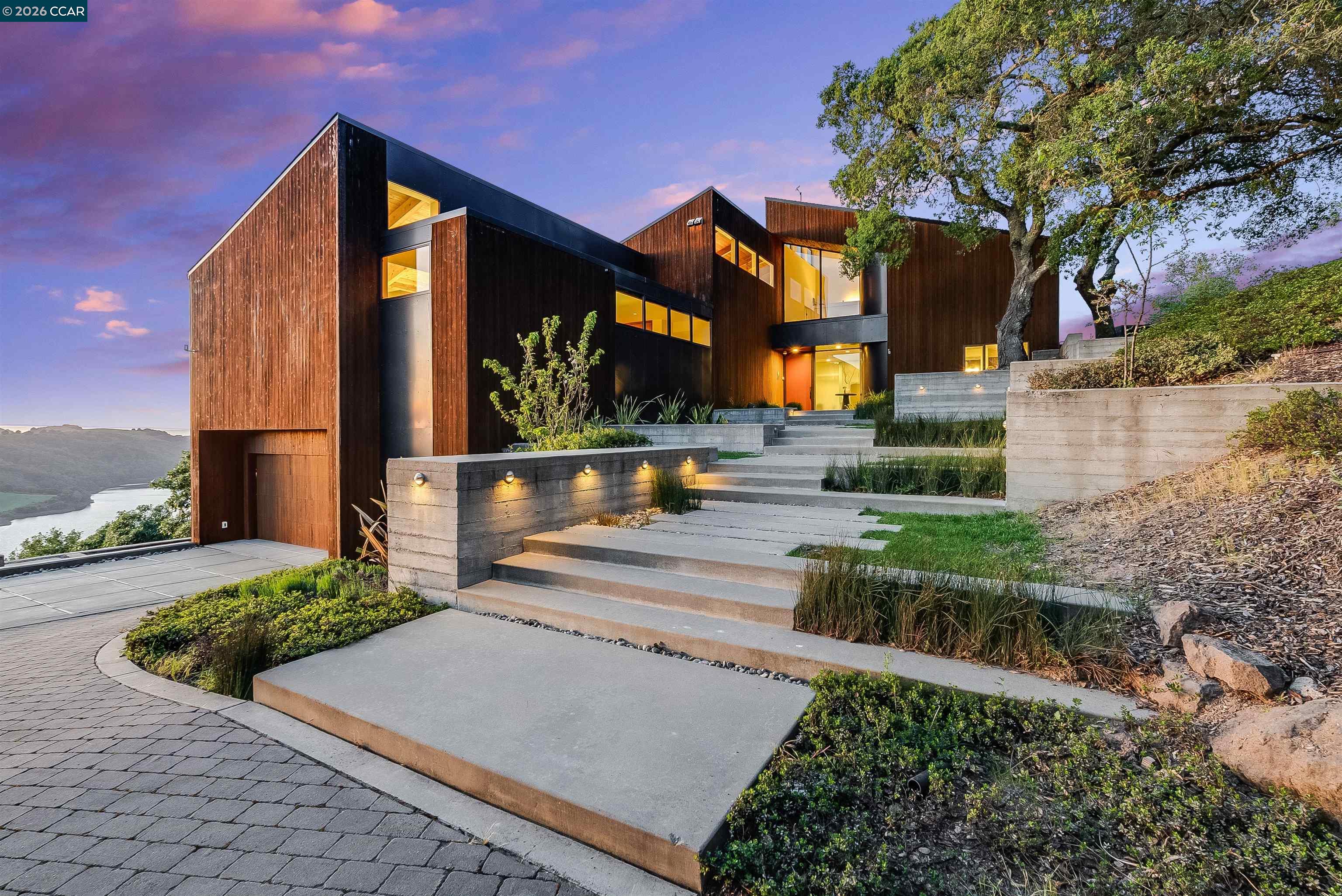
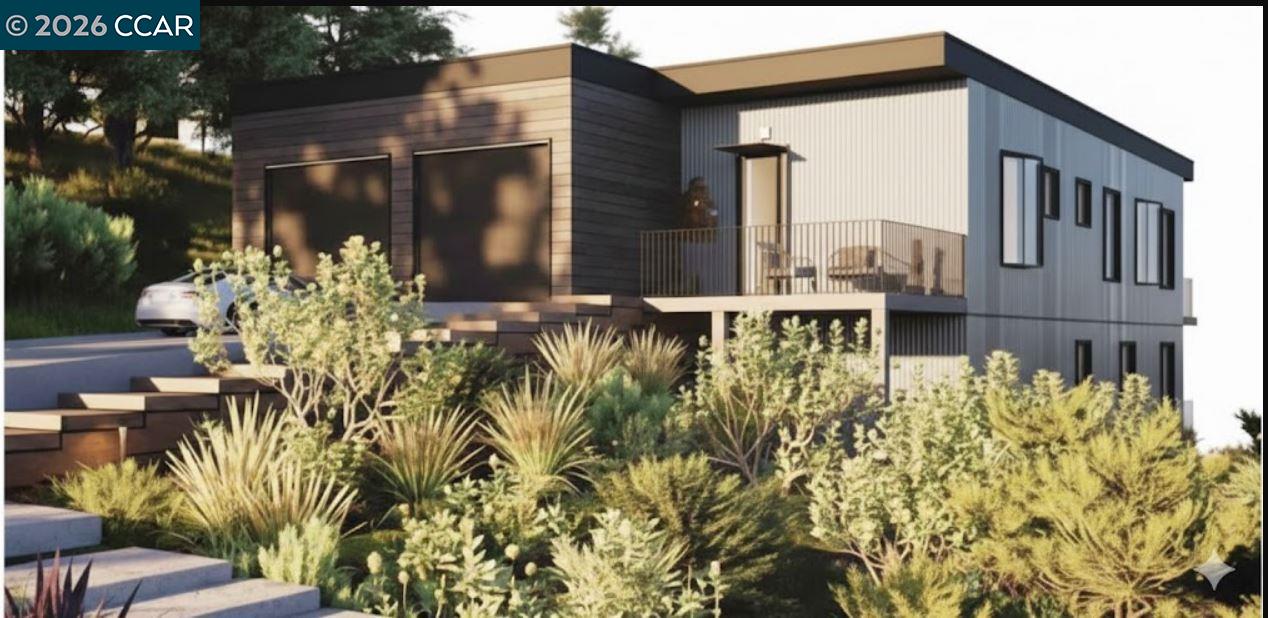
- Contemporary: Architect-designed homes featuring clean lines, sustainable materials, and smart home technology. Common in Wilder and newer developments.
- Traditional/Colonial: East Coast-inspired designs with formal layouts, found throughout established neighborhoods.
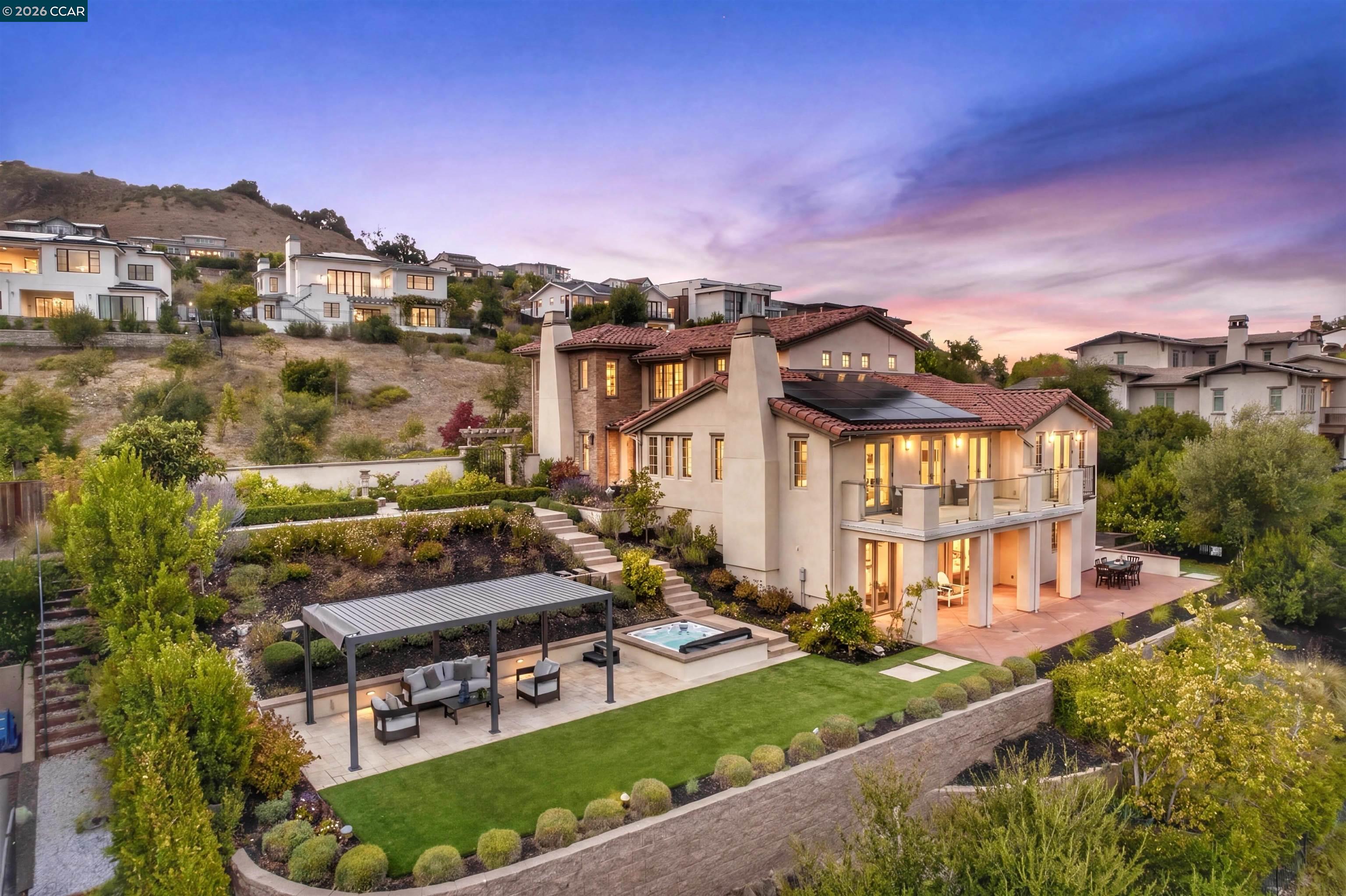
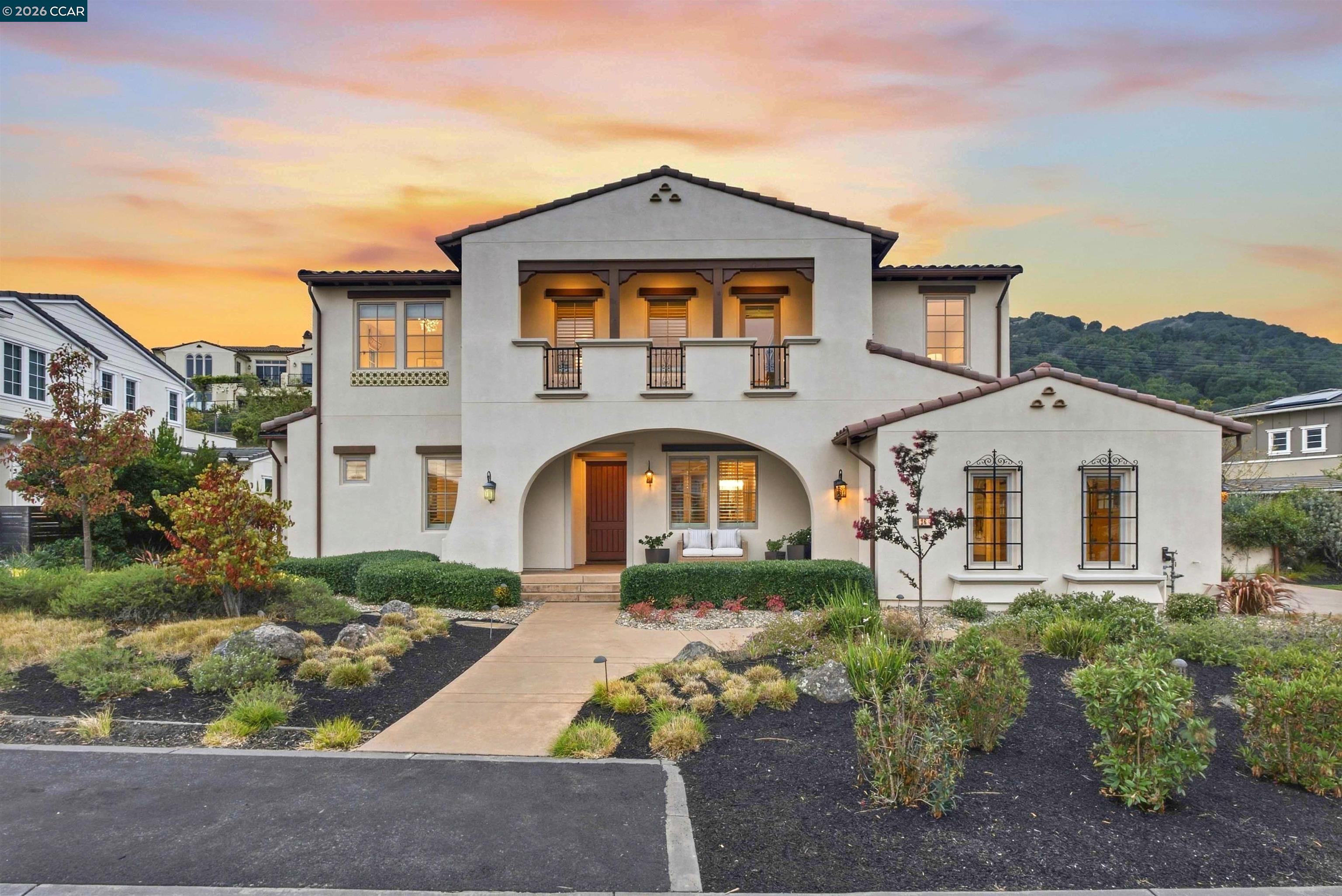
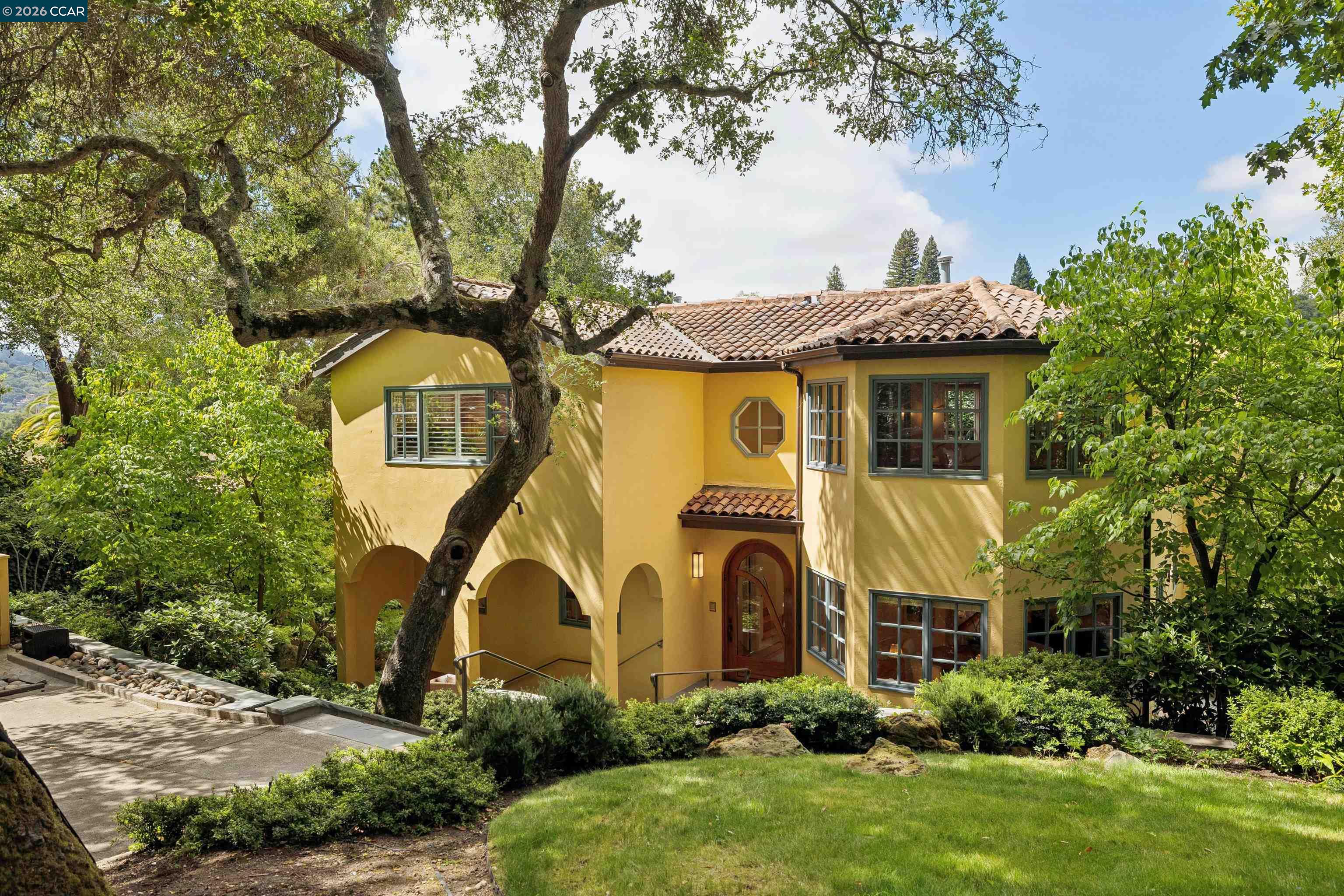
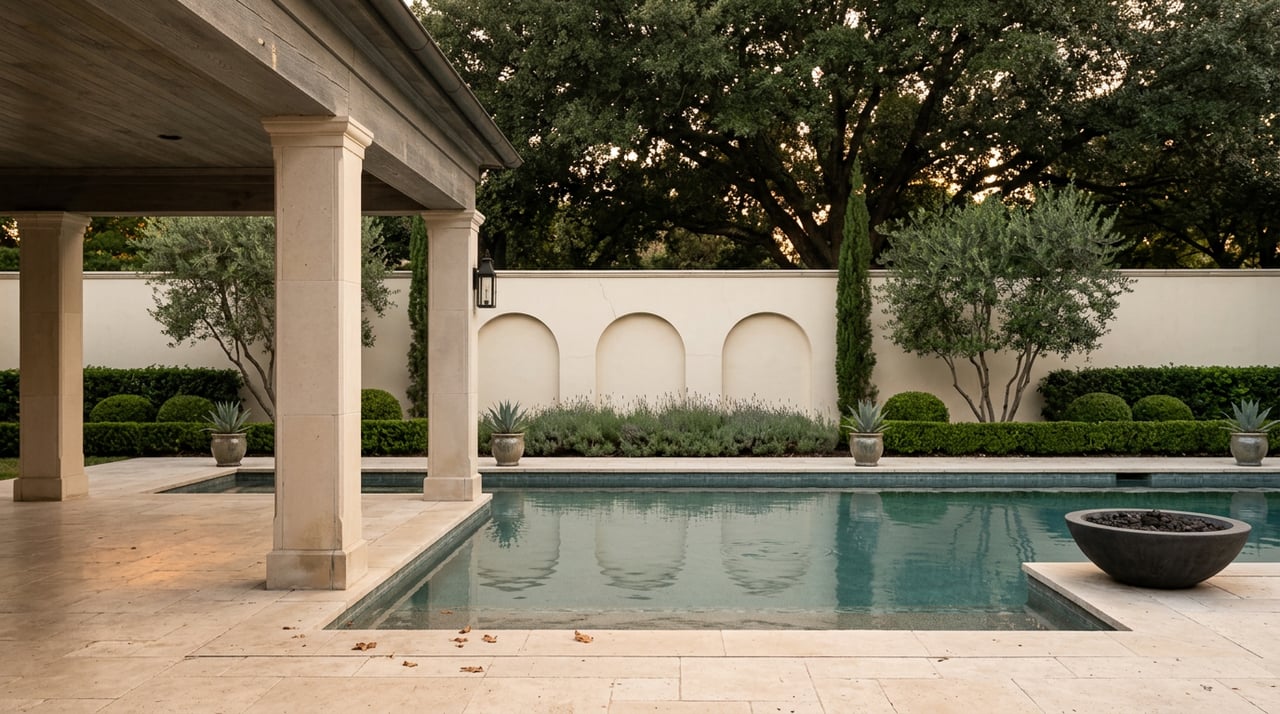
- Spanish Mission and Mediterranean: Stucco exteriors, tile roofs, and courtyard designs scattered throughout the city.
- Townhomes and Condos: Limited options exist in Orindawoods and Orinda Oaks, offering lower-maintenance living with community amenities. These represent less than 5% of housing stock.
- Estate Properties: Sprawling homes on 2+ acres with guest houses, pools, tennis courts, and wine cellars. Found in Orinda Downs and exclusive enclaves like J&J Ranch.
- Lot Sizes: Range from 0.2 acres to several acres. Flat, usable lots command premiums in hilly Orinda.
Factors to Consider When Buying
- Wildfire Risk: This is the most critical consideration. The Moraga-Orinda Fire District is designated a Wildland Urban Interface (WUI) community. According to 2025 CAL FIRE maps, Orinda has over 5,200 acres classified as "Very High Fire Hazard Severity," plus 803 acres of "High" and 928 "Moderate" acres. Buyers should verify fire hazard zone classification, understand defensible space requirements, and budget for potentially higher insurance premiums.
- Flood Risk: Approximately 11% of Orinda properties face severe flooding risk over the next 30 years. Downtown Orinda has elevated risk (47% of properties). Request flood zone certification during due diligence.
- Property Age: The median construction year is 1961. Older homes may require updates to electrical, plumbing, roofing, and HVAC systems. Budget for deferred maintenance and modernization.
- Seismic Activity: Earthquake activity in Orinda is significantly above the California state average. Consider seismic retrofitting needs and earthquake insurance.
- School Boundaries: Orinda has four elementary schools with distinct attendance boundaries (Del Rey, Glorietta, Sleepy Hollow, Wagner Ranch). Verify your address's school assignment directly with the Orinda Union School District.
- HOA Fees: Some neighborhoods (Orindawoods, Wilder) have HOA fees ranging from several hundred to over $500 monthly, covering amenities like pools, clubhouses, and trail maintenance.
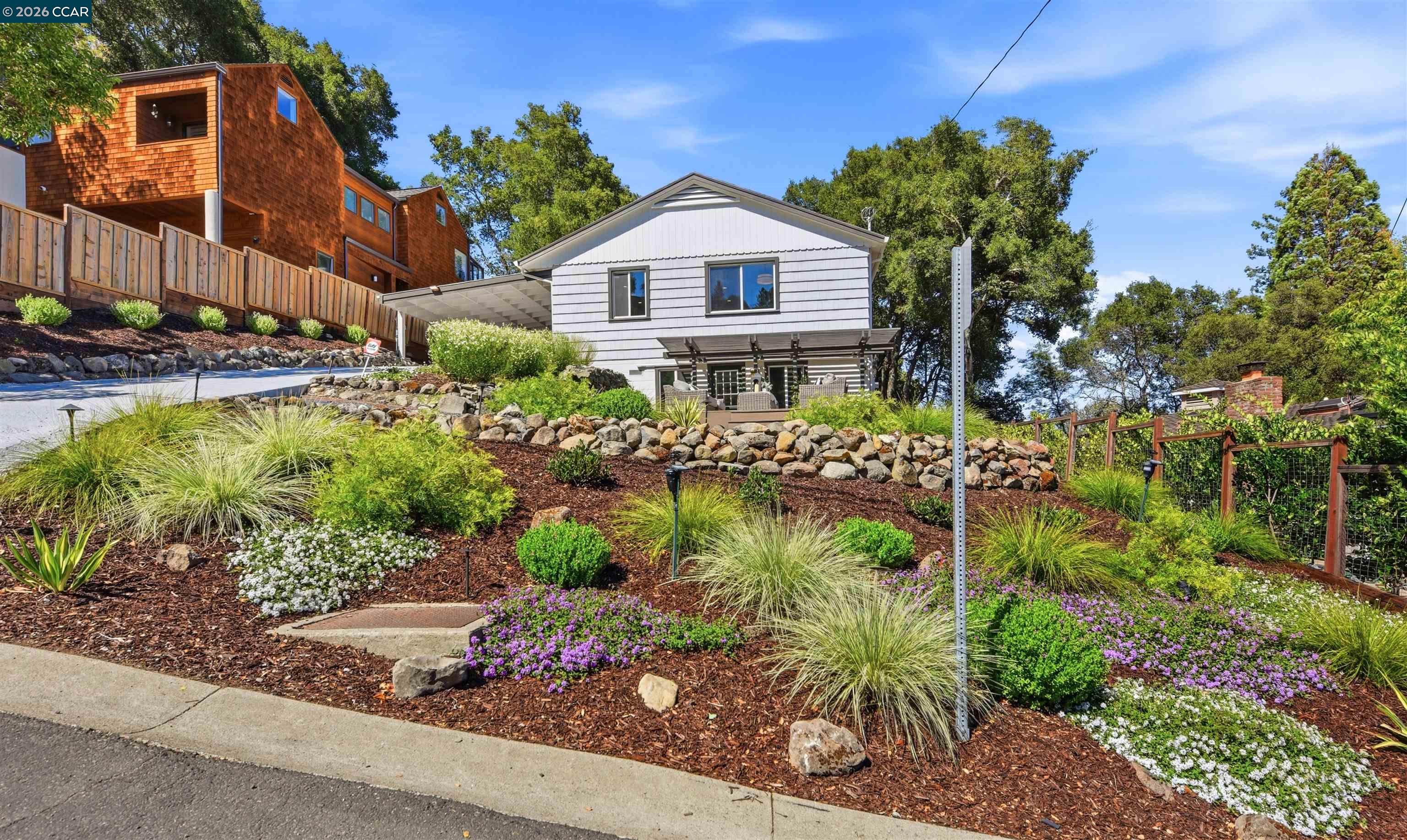
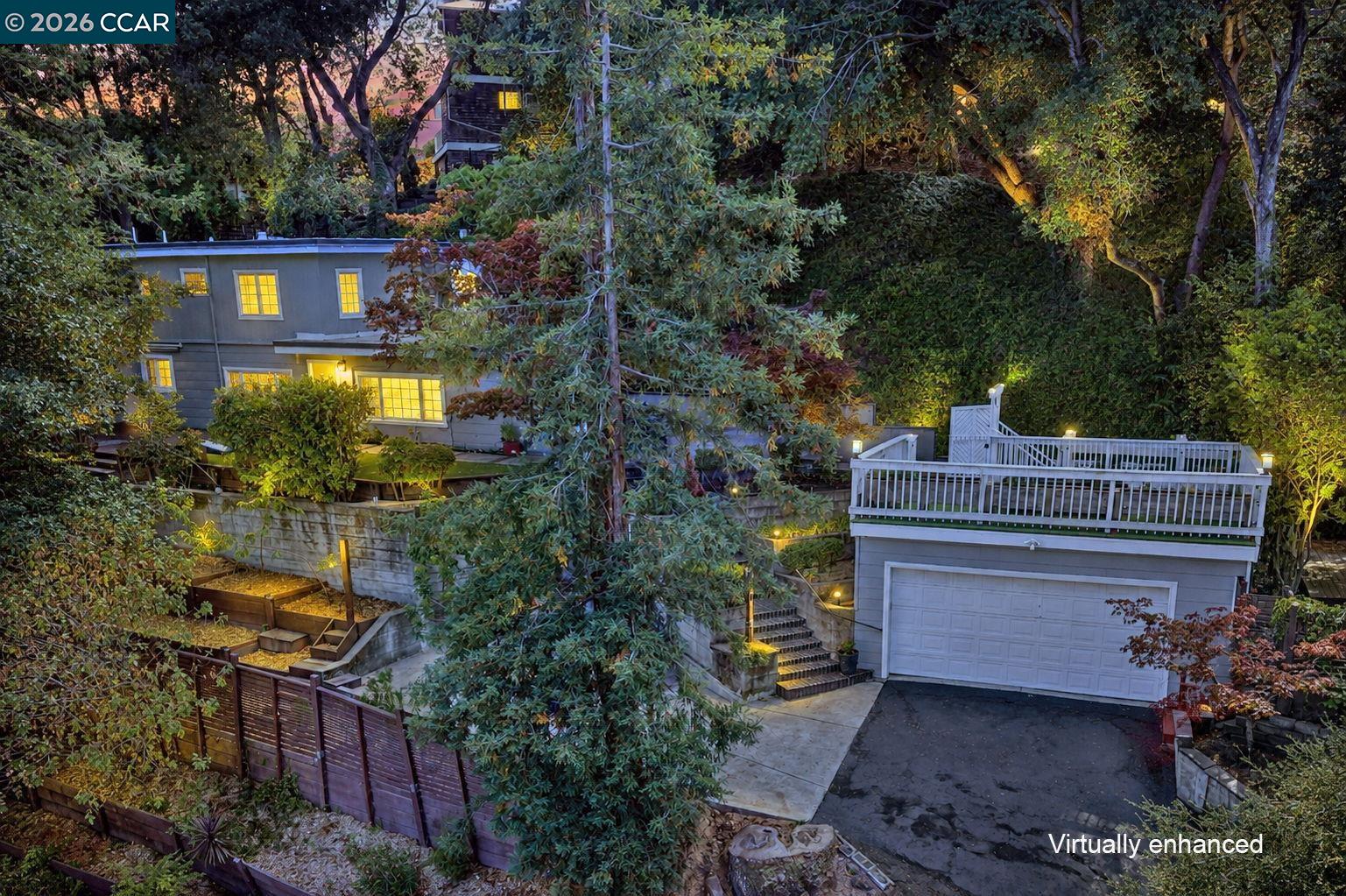
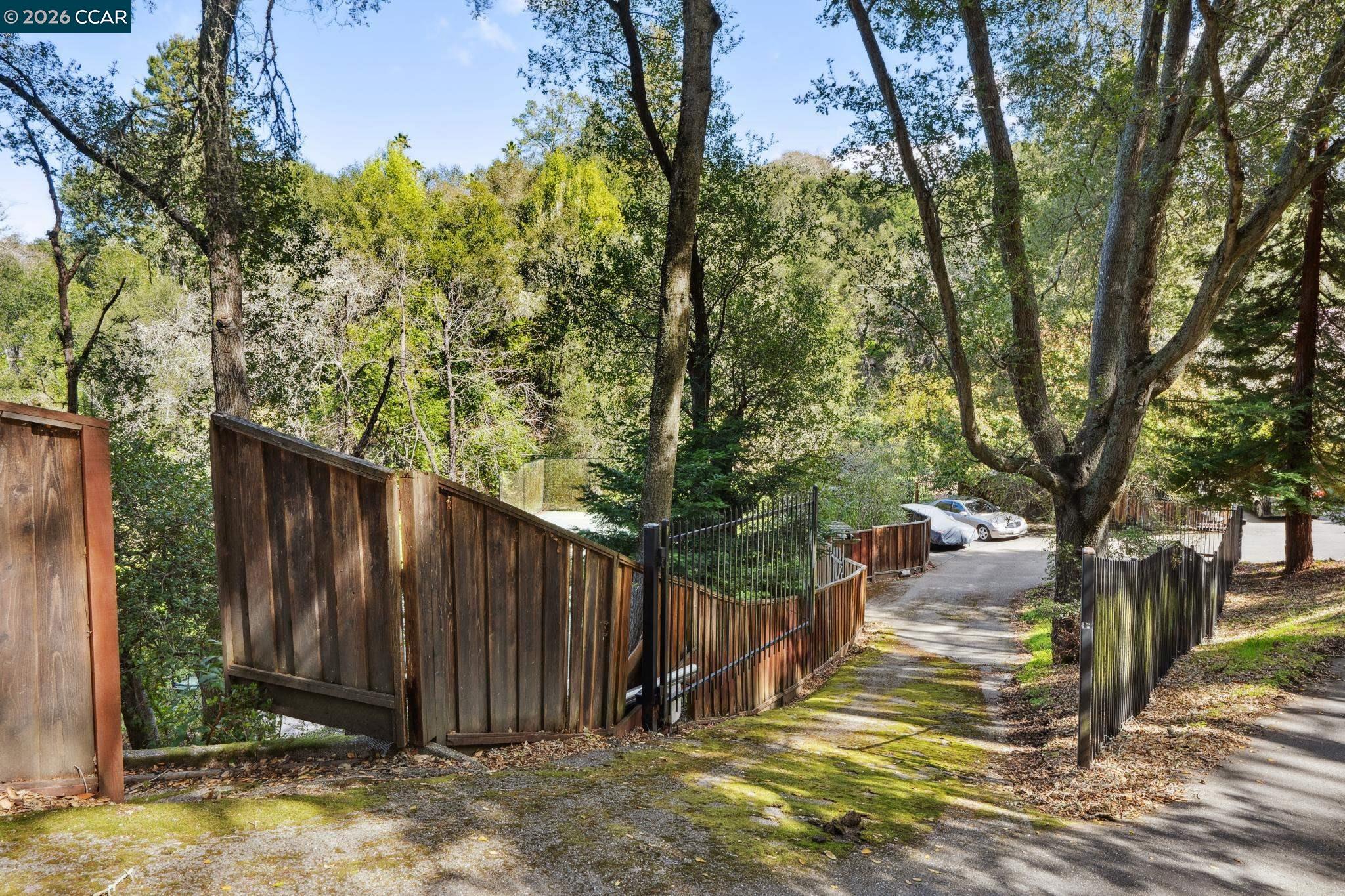
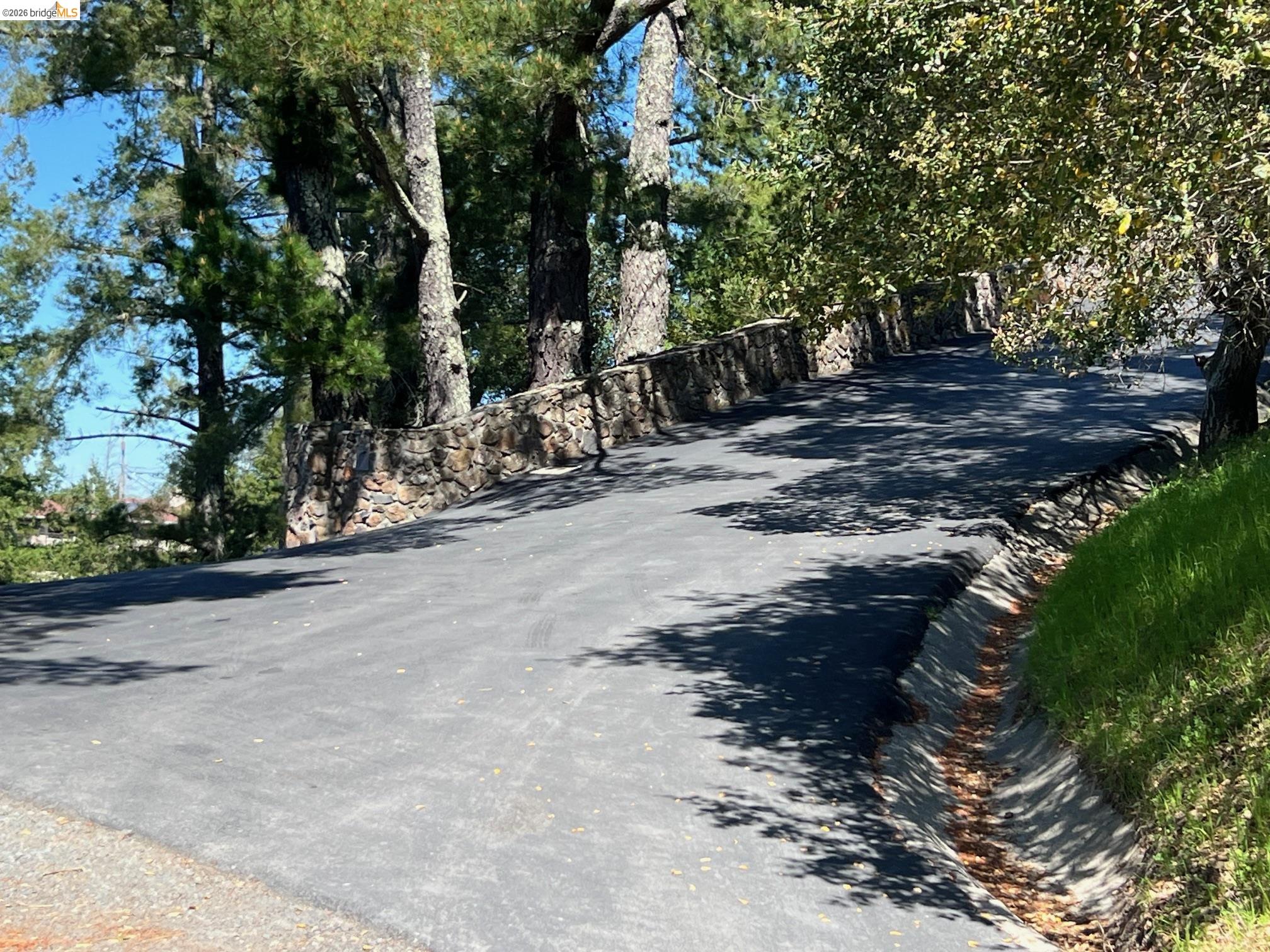
- Lot Topography: Flat lots are rare and command significant premiums. Hillside properties may have limited usable outdoor space, challenging driveways, and higher construction/maintenance costs.
- Market Speed: Be prepared to act quickly with pre-approval in hand. Desirable properties often receive multiple offers within days.
Factors to Consider When Selling
- Seasonality: Spring (March through June) is the optimal selling season, aligning with favorable weather and families seeking to settle before the school year. April through July typically yields the highest prices and fastest sales. Summer remains strong as families finalize purchases. Fall sees moderate activity, while winter (December through February) is slowest but attracts serious buyers with less competition.
- Buyer Demographics: Primary buyers are affluent families relocating for Orinda's schools, Bay Area professionals seeking suburban tranquility, and empty nesters downsizing from larger estates. Many buyers work in San Francisco or Oakland in technology, finance, and professional services.
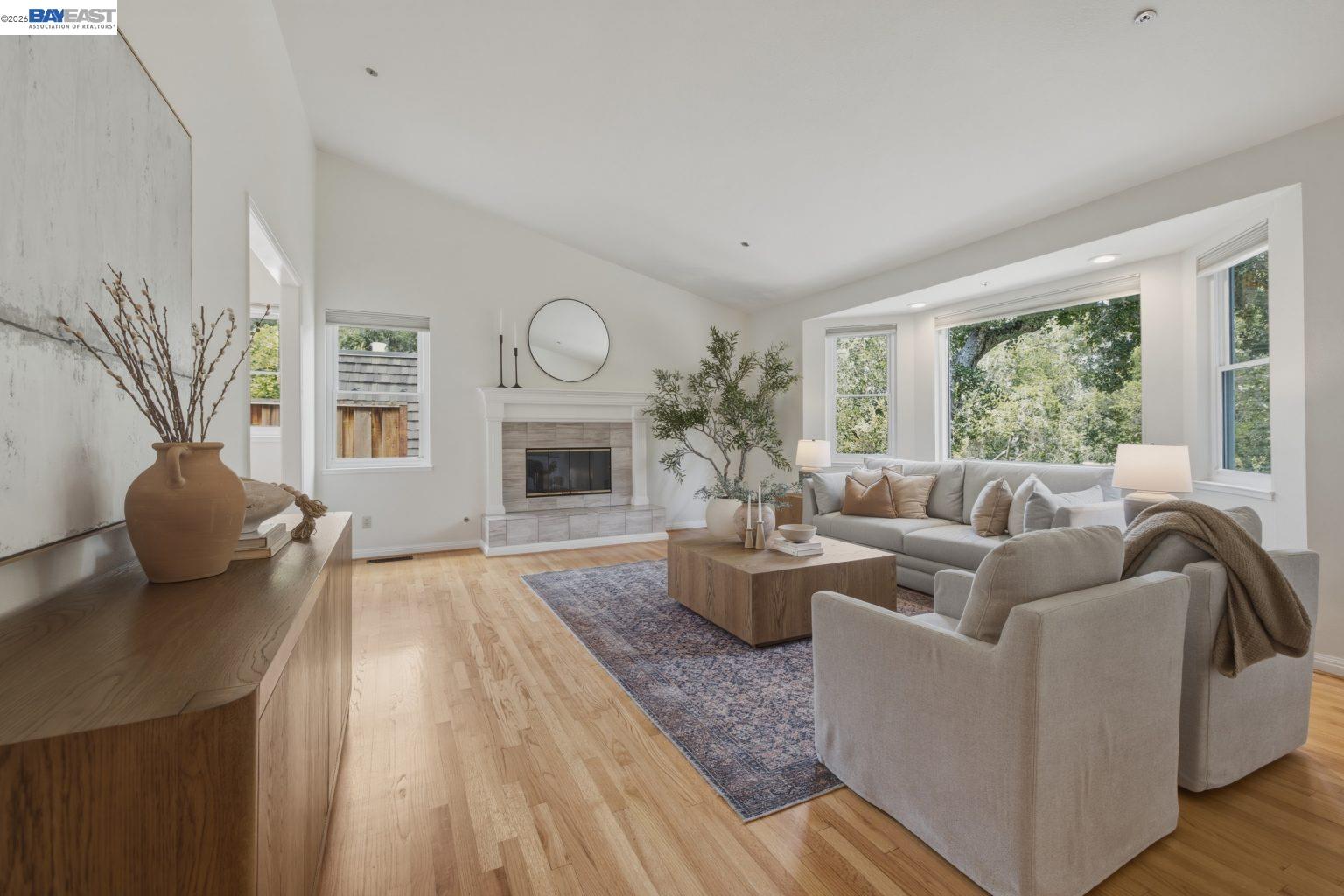
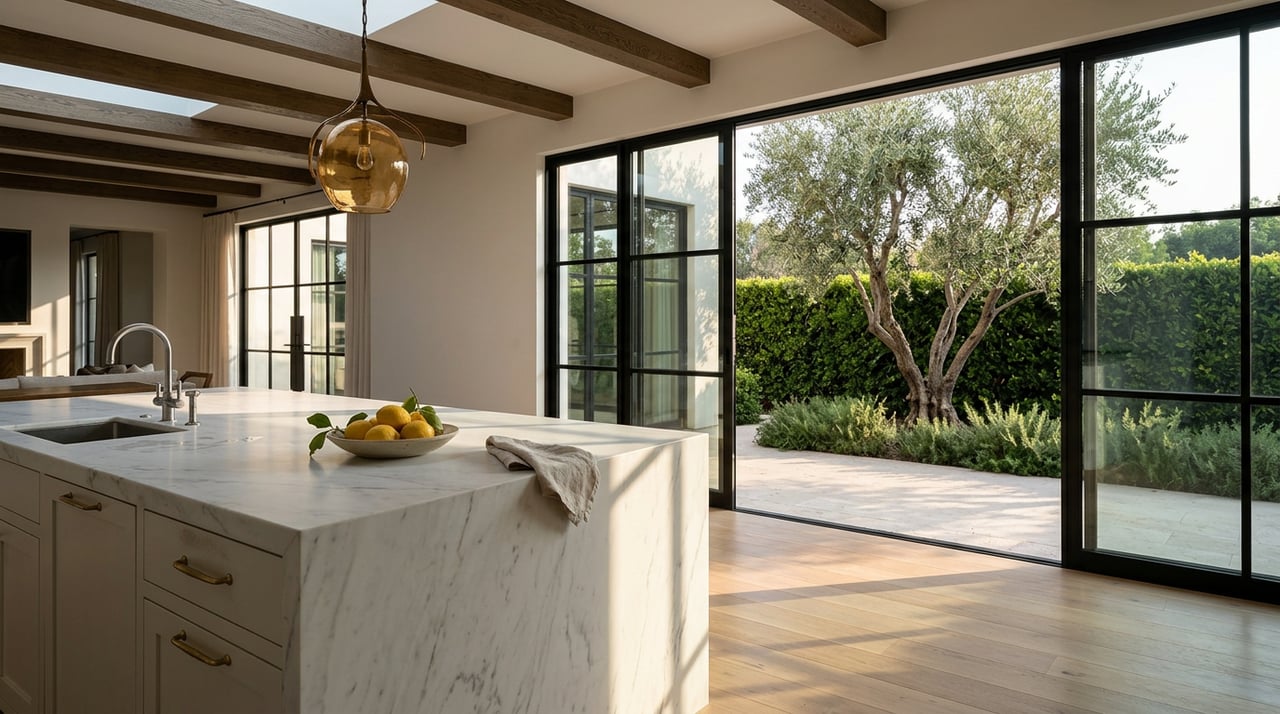
- Staging: Professional staging is essential in Orinda's luxury market. Staged homes sell up to 72% faster according to industry data. Focus on neutral colors, maximizing natural light, and showcasing indoor-outdoor living. Highlight lifestyle amenities like pools, outdoor kitchens, and views.
- Pricing Strategy: Competitive pricing based on recent comparable sales generates stronger initial interest and often results in multiple offers. Overpricing leads to extended market time and eventual price reductions.
- Value-Adding Upgrades: Kitchen and bathroom modernization yield strong returns. Energy-efficient features (solar, insulation, smart thermostats) appeal to environmentally conscious buyers. Pool additions and outdoor living improvements resonate given Orinda's sunny climate.
- Marketing: Professional photography and video tours are standard expectations. Highlight proximity to schools, trails, and BART. Drone footage showcasing hillside settings and views adds significant appeal.
Dining and Entertainment
Orinda's dining scene is intimate but evolving, centered around two commercial districts: Theatre Square and the Village.
Landmark Dining:
- Casa Orinda is Contra Costa County's oldest continuously operating restaurant, serving since 1932. Famous for fried chicken and prime rib in a rustic Western-themed setting with antique firearms and original art.
- Theatre Square Dining: This vibrant complex adjacent to the historic Orinda Theatre offers diverse options including Fourth Bore Tap Room & Grill (gastropub), Petra Cafe (Greek/Mediterranean), Saffron Indian Restaurant, and Kibi's Cafe (Vietnamese pho and banh mi).
- Village District: Features casual favorites like Shelby's (breakfast/brunch), Europa Hofbrau Deli (classic cafeteria-style), Comelones Tacos (Mexican), La Piazza (Italian), and Serika (Japanese).
- Coffee and Casual: Peet's Coffee, Cafe Teatro, and Genuine Goodness (bakery) provide neighborhood gathering spots.
- Entertainment: The beautifully restored art deco Orinda Theatre screens current releases in a historic setting. Theatre Square hosts live music and community events. The Orinda Farmers' Market operates Saturdays year-round. For broader dining and entertainment, residents are minutes from Lafayette's Restaurant Row and Walnut Creek's downtown.
Parks and Recreation
Orinda was designated "Trail Town U.S.A." by the American Hiking Association, reflecting its exceptional outdoor access.
- Tilden Regional Park (2,079 acres) offers swimming at Lake Anza, the historic merry-go-round, steam train rides, a botanical garden with California native plants, Little Farm, and extensive hiking trails. Nimitz Way provides wheelchair-accessible paved trails with spectacular bay views.
- Briones Regional Park (6,255 acres) features rolling hills, oak woodlands, and extensive trail networks for hiking, biking, and horseback riding. The Bear Creek Trail offers shaded hiking near the Orinda entrance.
- Sibley Volcanic Regional Preserve showcases ancient volcanic formations, including Round Top and self-guided geology tours through lava flows.
- Water Recreation: San Pablo Reservoir (EBMUD) provides fishing, kayaking, paddleboarding, and hiking. Lafayette Reservoir offers similar activities with a paved 2.7-mile walking loop.
- Local Parks: Orinda Community Park features playgrounds, tennis courts, and the art and garden center. Orinda Oaks Park offers picnic areas with access to open space trails. The Wilder development includes professionally maintained soccer fields and hiking trails through 1,300 acres of preserved open space.
- Golf: Orinda Country Club offers an 18-hole Watson-designed course for members. Public options include Tilden Park Golf Course nearby.
- Swim Clubs: Neighborhood swim and tennis clubs (Sleepy Hollow, Meadow) are central to community life, offering pools, tennis courts, and social programming.
Schools and Education
Orinda's schools are among the primary drivers of real estate demand. The Orinda Union School District is ranked 13th out of 1,568 districts statewide.
Public Elementary Schools (K-5): All four elementary schools hold California Distinguished School recognition: Del Rey Elementary (420 students), Glorietta Elementary (439 students), Sleepy Hollow Elementary (350 students), and Wagner Ranch Elementary (447 students). Each maintains strong parent involvement and test scores significantly above state averages.
Middle School: Orinda Intermediate School serves approximately 832 students in grades 6-8, consistently ranked among California's top middle schools.
High School: Miramonte High School (Acalanes Union High School District) serves 1,188 students in grades 9-12. It ranks 21st to 29th among California's 2,300+ high schools with a 10/10 GreatSchools rating and A+ Niche grade. The school boasts a 97.5% graduation rate (vs. 89% statewide), 0.3% dropout rate, and exceptional college placement. Academic highlights include extensive AP offerings, strong STEM programs, and outstanding college counseling.
Private Schools: Orinda Academy provides individualized college-prep education. Holden High School offers alternative secondary education. Fountainhead Montessori School serves ages 2-6 with optional Spanish immersion programs.
Preschools: Options include TOPS (The Orinda Preschool parent cooperative), St. Stephen's Preschool, St. Mark's Nursery School, Holy Shepherd Christian Preschool, and St. John Preschool.
Nearby Universities: UC Berkeley is 15 minutes away. Saint Mary's College of California in neighboring Moraga offers undergraduate and graduate programs.
Commute and Accessibility
Orinda offers exceptional regional connectivity for an East Bay suburb.
- BART: Orinda Station on the Yellow Line provides direct service to San Francisco (30 minutes to Powell Street, $3-5 fare). Trains depart every 15 minutes during peak hours. The station includes parking facilities, though demand is high.
- Highway Access: State Route 24 bisects Orinda, providing direct access through the Caldecott Tunnel to Oakland (9 miles) and San Francisco (17 miles). Eastbound connects to Walnut Creek, Concord, and I-680. Drive times to San Francisco run 22 to 45+ minutes depending on traffic.
- Local Bus: County Connection Route 6 serves Orinda with connections to BART and neighboring communities.
- Airport Access: Oakland International Airport (OAK) is approximately 20 minutes via Highway 24 and I-880. San Francisco International Airport (SFO) is reachable via BART or approximately 35-45 minutes by car.
- Traffic Considerations: Highway 24 experiences significant congestion during rush hours, particularly westbound mornings and eastbound evenings. The Caldecott Tunnel can create bottlenecks. Many residents time commutes to avoid peak periods or utilize BART.
- Trail Connections: The St. Stephen's pedestrian and bicycle trail connects to Lafayette Reservoir and the East Bay Regional Park trail system.
Most Coveted Streets & Estates
- Sleepy Hollow: Among Orinda's most prestigious neighborhoods. Features large custom homes on spacious lots, tree-lined streets, and its own swim and tennis club. Streets like Van Ripper Lane are famous for Halloween celebrations. Home prices range from $2 million to $12 million.
- Orinda Downs: Known for expansive estates on flat lots and equestrian properties. Dalewood Drive serves as the main artery. Homes sit on large parcels surrounded by open space, offering a country-living atmosphere with proximity to town.
- Orinda Country Club: Centered around the prestigious 1924 private club. Features stately homes, many with golf course views, ranging from classic traditionals to sprawling ranch estates. El Patio, Honey Hill Court, and Gardiner Court are exclusive cul-de-sacs of custom homes.
- Wilder: Orinda's premier master-planned community with 245 luxury homes nestled among 1,300 acres of preserved open space. Features a Spanish Colonial Revival clubhouse, infinity pool, gym, and extensive trail network. New construction with contemporary designs and Bay Area views.
- Miner Road: A coveted corridor with prestigious addresses and proximity to both downtown and Sleepy Hollow.
- El Toyonal: Hillside neighborhood offering dramatic panoramic views of valleys, hills, and Mount Diablo. Custom architectural homes maximize the spectacular vistas.
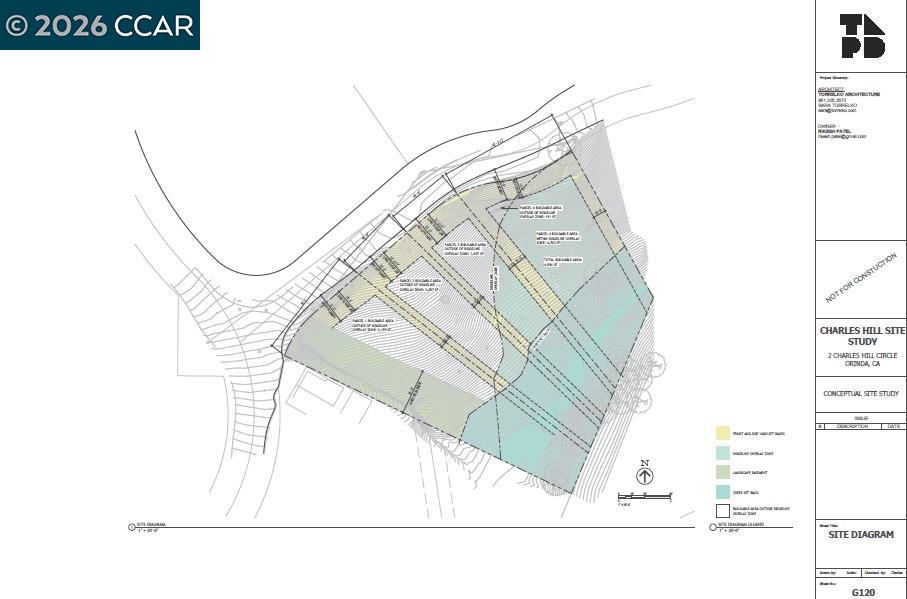
- Charles Hill and Sundown Terrace: Hidden enclaves in northern Orinda with rolling, tree-covered hills and secluded estates.
- Glorietta: Family-friendly neighborhood with excellent schools, a mix of traditional and contemporary homes, and some properties with Lafayette Reservoir views. Features the Meadow Swim & Tennis Club nearby.
- J&J Ranch: Exclusive new subdivision preserving the historic Moraga Adobe. Limited to 13 custom home sites in one of Orinda's most prestigious settings.
Who is Orinda For?
Orinda is ideally suited for those who value educational excellence, natural beauty, and community character over urban convenience and nightlife.
- Families with School-Age Children: The primary demographic. Orinda's schools consistently rank among California's best, and the community is designed around family life with safe neighborhoods, swim clubs, and youth sports programs.
- Bay Area Professionals: Those working in San Francisco, Oakland, or Silicon Valley who want suburban tranquility without sacrificing commute practicality. BART access makes car-free commuting feasible.
- Outdoor Enthusiasts: Access to world-class hiking, biking, and nature directly from your doorstep. Tilden, Briones, and dozens of smaller preserves offer endless exploration.
- Privacy Seekers: Large lots, mature landscaping, and low density create genuine seclusion rare in the Bay Area.
- Empty Nesters: Established residents aging in place or those seeking a quieter chapter while maintaining urban access and community engagement.
Orinda offers a compelling combination of natural beauty, educational excellence, safety, and accessibility that few Bay Area communities can match. For those with the means and priorities aligned with its offerings, it represents one of Northern California's most desirable addresses.