Welcome to Pleasanton, CA
Pleasanton occupies a rare position in the Bay Area: a city that grew into a corporate powerhouse without surrendering the small-town character that makes people want to stay for decades. Tucked into the Amador Valley on the eastern edge of the region, it delivers what most Bay Area buyers spend years chasing—top-ranked public schools, an authentic historic downtown, an easy commute in nearly every direction, and wine country close enough to visit on a Tuesday evening. It is affluent without being ostentatious, established without being stagnant, and family-centered in a way that shapes everything from the school funding model to the rhythm of the weekly farmers' market.
For buyers weighing the Tri-Valley communities against one another, Pleasanton tends to be the one that checks the most boxes at once. It has the historic soul that Dublin lacks, the transit access that Danville can't offer, and the genuine downtown that San Ramon never built. That combination is exactly why property values here have proven so durable across market cycles—and why understanding the city's internal geography matters so much before you buy or sell.
Where Pleasanton Sits: Location, Commute, and Regional Access
Pleasanton's defining geographic advantage is that it sits at the crossroads of two major interstates. Interstate 580 runs east-west, connecting the city to Oakland and San Francisco to the west and the Central Valley to the east, while Interstate 680 runs north-south, opening a direct corridor down into Silicon Valley and north toward Concord and Sacramento. That intersection puts San Francisco and San Jose each within roughly an hour's drive, the state capital within about ninety minutes, and three international airports—Oakland, San Jose, and San Francisco—all within comfortable reach.
Where Pleasanton pulls ahead of its neighbors is public transit. The city is anchored by two BART stations, Dublin/Pleasanton and West Dublin/Pleasanton, which let commuters ride straight into downtown San Francisco without ever touching highway traffic. Add the ACE Rail (Altamont Corridor Express) line connecting Stockton through to San Jose, plus the frequent local Wheels bus system running Livermore, Dublin, and Pleasanton on tight peak-hour intervals, and the result is a suburb where a car-free commute is genuinely realistic. In a region where Danville and San Ramon residents have no direct rail option at all, this connectivity is one of the strongest arguments for buying in Pleasanton.
A Brief History of Pleasanton and Its Preserved Downtown
The land beneath Pleasanton was home to the Ohlone peoples for thousands of years before Spanish settlers arrived in the late 1700s and transformed the valley into rich agricultural country. By the 1850s Gold Rush, the settlement—then called Alisal—had become a mercantile stopover for miners, earning the vivid nickname "The Most Desperate Town in the West" thanks to the bandits who preyed on gold-seekers passing through. The town was eventually named to honor Union Major General Alfred Pleasonton, but a U.S. Post Office typographical error swapped the "o" for an "a," and the misspelling stuck. By the turn of the century, Pleasanton had become internationally known for growing the largest hops crop in the country and for breeding thoroughbred horses.
What separates Pleasanton from nearly every other Bay Area suburb is how deliberately it protected that heritage. When corporate growth arrived in the 1980s with the enormous Hacienda Business Park, the city chose preservation over demolition. Historic Main Street still reads like a walk through the late 1800s, with intact Victorian, Italianate, Mission Revival, and Art Deco facades, and Pleasanton holds status as a certified California Main Street Community. The downtown even hides local lore beneath it—a network of underground tunnels once linked the commercial buildings, hosting everything from Prohibition-era speakeasies to hiding spots from old-west bandits. The Museum on Main, housed in a building that served in turn as the town hall, the police department, and the first library, anchors the city's preservation ethic. Rather than let developers raze the old structures, Pleasanton adopted adaptive-reuse policies, so landmarks like the historic Bank of Livermore Building now operate as restaurants and boutiques along a downtown that still hosts weekly markets and community events.
The Pleasanton Real Estate Market: Current Conditions and Price Trends
Pleasanton remains one of the most resilient housing markets in the East Bay, propped up by its top-tier school district, its corporate base—Workday is headquartered here—and its unusually strong transit access. As of mid-2026, the citywide median sale price generally runs between $1.5 million and $1.6 million across all home types, with detached single-family homes pushing somewhat higher. After the aggressive run-up that followed the pandemic, prices have settled into a modest consolidation phase, easing roughly 6% to 11% year-over-year depending on the mix of properties changing hands in any given month. Homes are moving at a steady pace, spending a median of 21 to 25 days on the market, and with inventory hovering near 1.4 months of supply, conditions sit firmly in balanced-to-seller-favorable territory.
The single most important dynamic to understand is how sharply this market rewards accurate pricing. Roughly half of all homes sell over list price while the other half require cuts or close just under asking—a split that punishes guesswork severely. Buyers here are highly payment-conscious given current mortgage rates, so a well-maintained home zoned for the strongest schools will draw multiple offers, while a comparable home priced ambitiously "just to see what happens" can sit for weeks. In Pleasanton, the gap between selling well and selling poorly often comes down to how the home was priced on day one.
Neighborhoods and Enclaves: From Ruby Hill to Vintage Hills
Pleasanton's residential geography ranges dramatically, from flat walk-to-town subdivisions to gated hillside estates overlooking vineyards. Understanding these pockets is essential, because "buying in Pleasanton" can mean anything from a $1.2 million mid-century ranch to a $4 million custom estate.
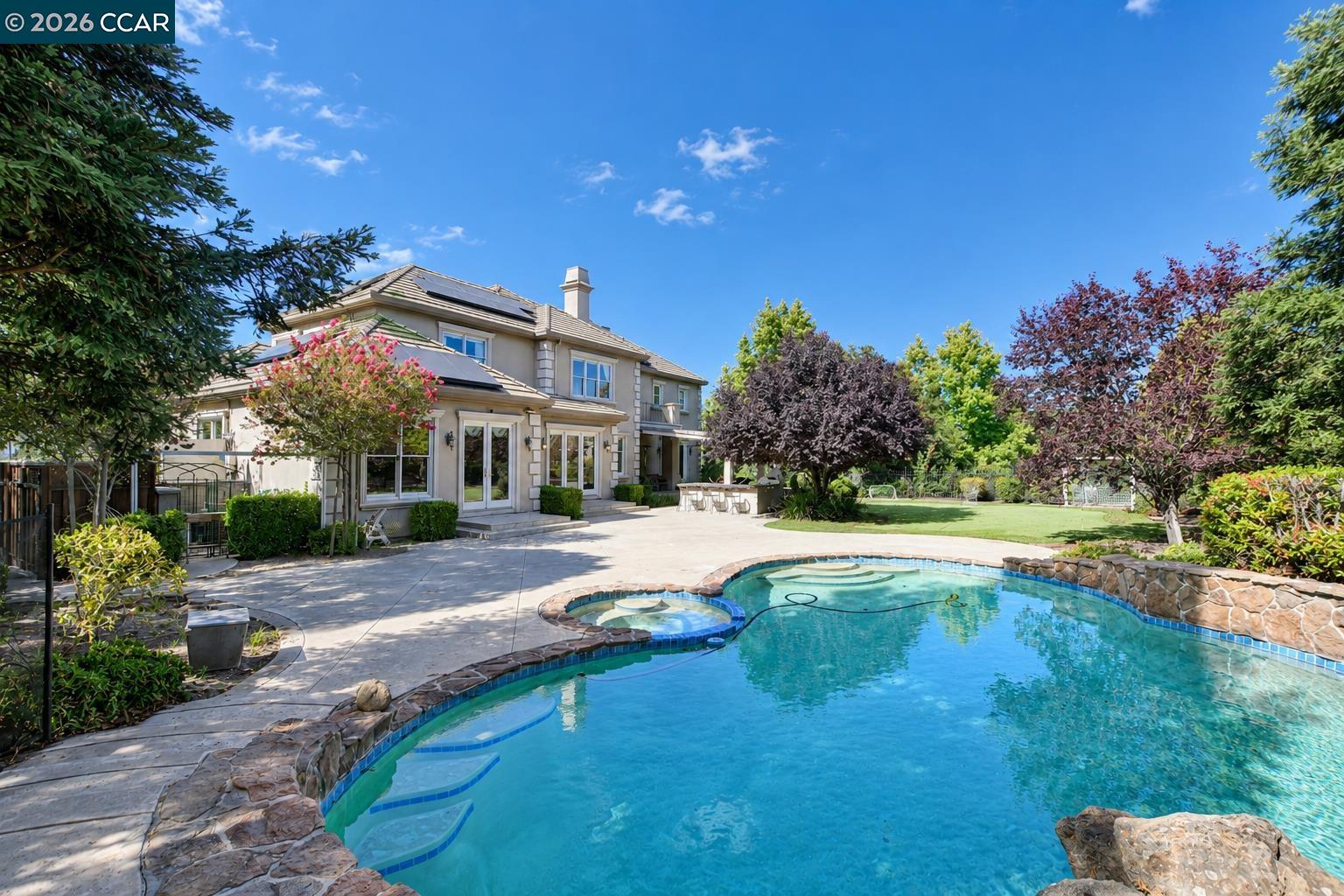
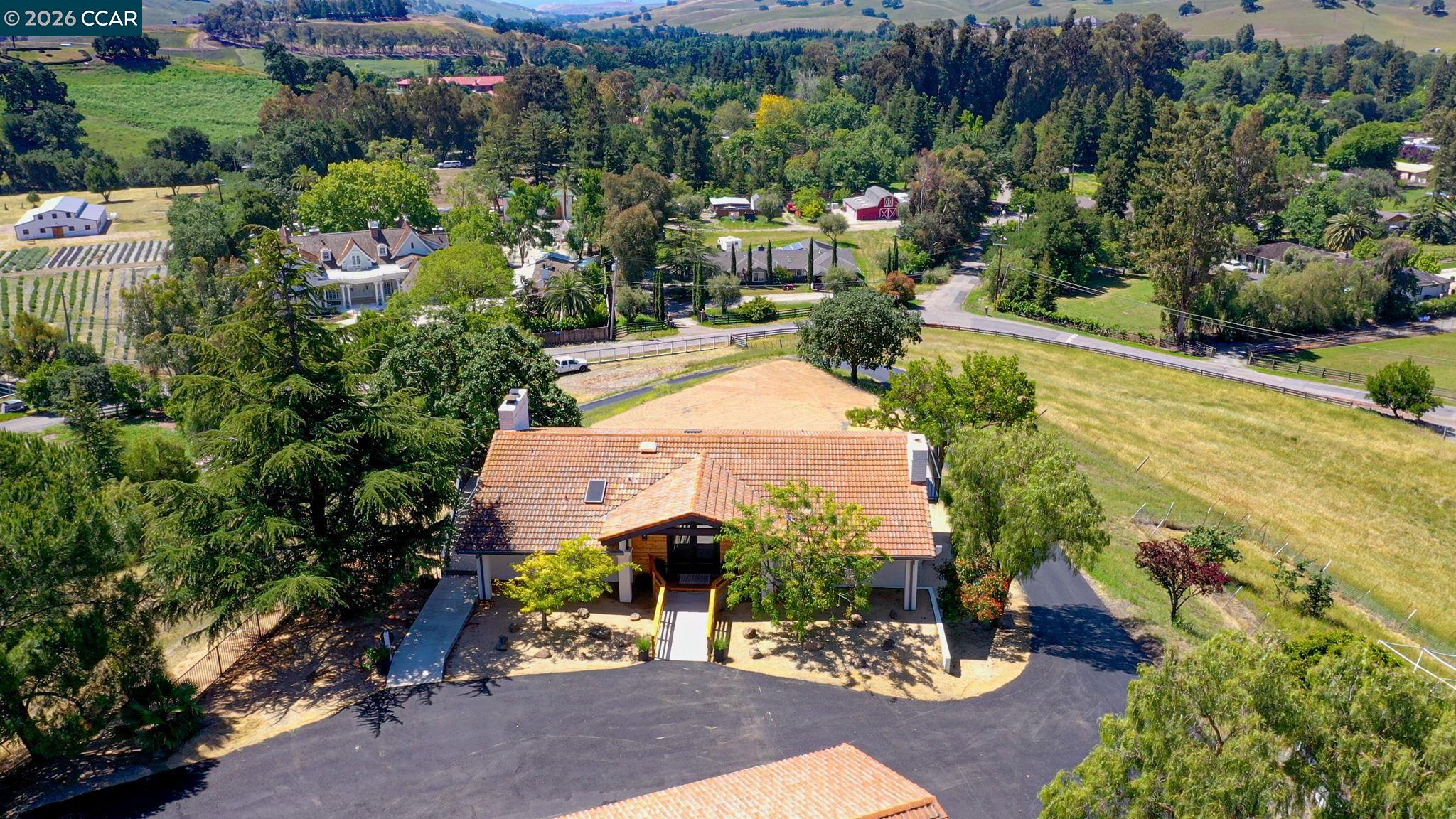
Ruby Hill is the city's premier gated community, sitting on the far southeastern edge where Pleasanton blends into the Livermore Valley wine country. Built around a private Jack Nicklaus-designed championship golf course, it features custom estates on massive lots, many with vineyard views, and commands the highest premium in the Tri-Valley with a median home price hovering around $4.0 million.
Vintage Hills, perched on the eastern hillsides overlooking the Amador Valley, is a longtime favorite among executive families. It's established, leafy, and peaceful, offering larger-than-average floor plans, a strong community feel, and direct access to top-rated Vintage Hills Elementary. Homes here typically range from $1.8 million to $2.6 million.
Kottinger Ranch and Pleasanton Heights climb the southern ridge directly above downtown, prized for sweeping panoramic valley views. Kottinger Ranch offers larger executive homes with a private recreation association, while Pleasanton Heights mixes older charm with custom hillside builds. Prices range widely, from about $1.7 million to north of $3.5 million depending on the view and lot.
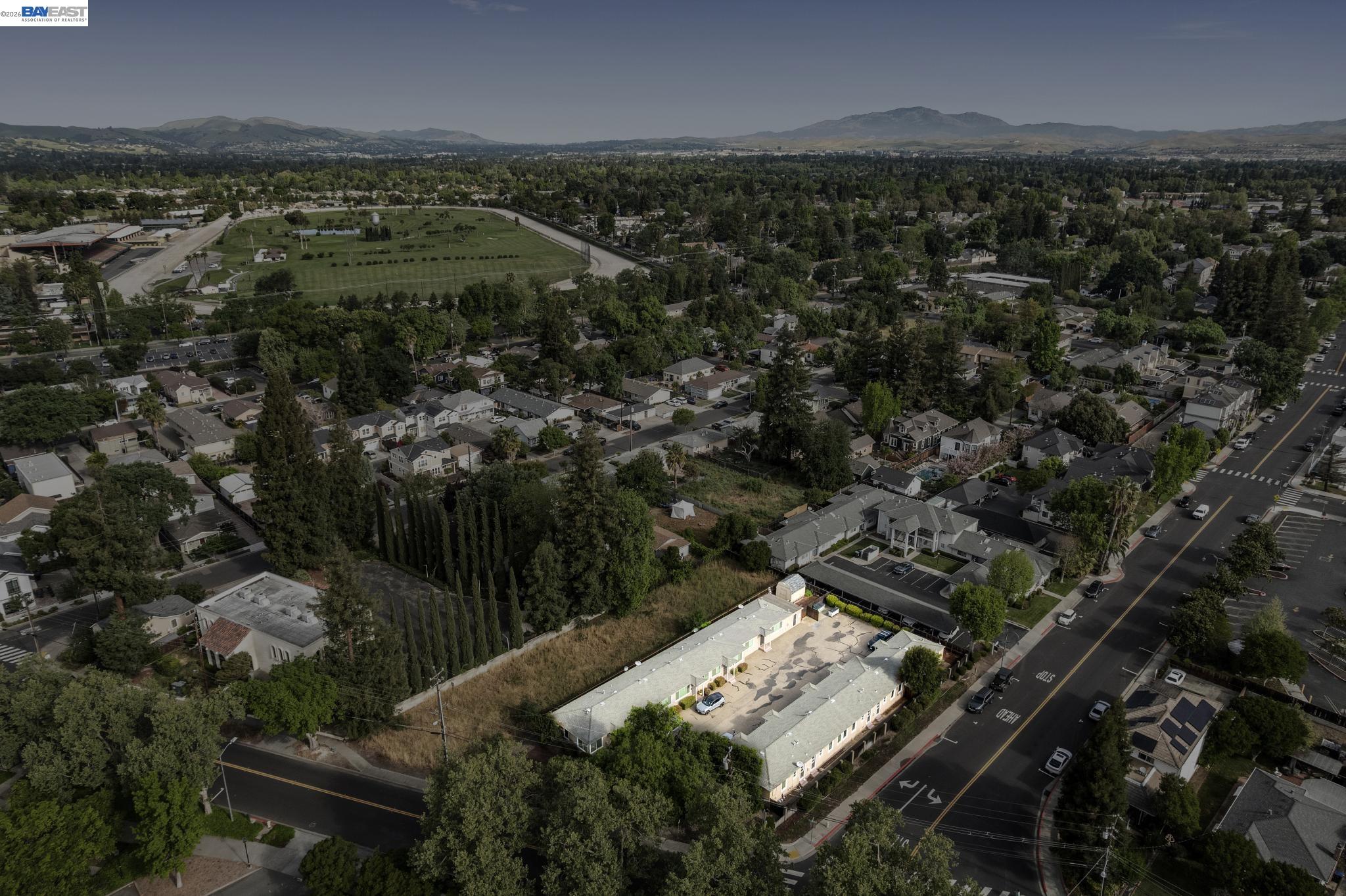
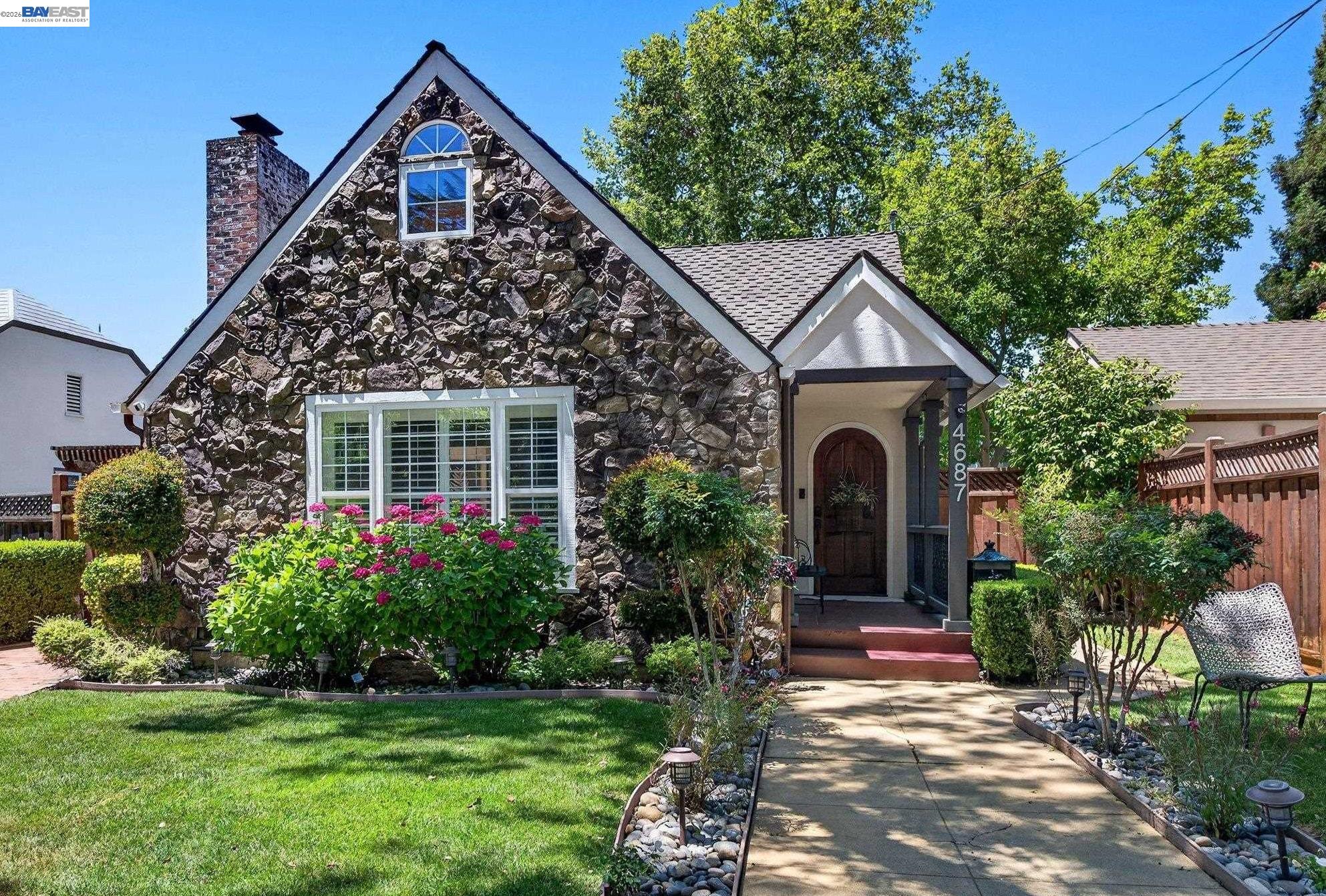
Downtown Pleasanton appeals to buyers who value lifestyle over square footage. The streets around Main Street are lined with historic cottages, bungalows, and smaller infill homes, and residents can walk to dinner, the farmers' market, and summer concerts. Homes generally land between $1.3 million and $1.9 million, often trading yard space for location and architectural character.
Finally, the commuter tracks—Birdland, Mohr Park, and Val Vista—sprawl across the flatter north and west quadrants nearer to I-580 and BART. These are pure suburban family neighborhoods (Birdland's streets are famously named after birds) built largely of mid-century ranch homes, and they carry a strong "Pleasanton Premium" because they're so family-friendly and commuter-convenient. Expect the $1.2 million to $1.7 million tier here, making these the sweet spot for mid-market family buyers.
Architectural Styles and Housing Stock Across the City
Pleasanton's housing inventory reads like a timeline of the city's transformation from farm town to corporate hub, and it divides cleanly into three eras.
The Heritage Era (late 1800s to 1940s) is concentrated in the downtown core, where Victorians, Craftsman bungalows, Queen Annes, Italianates, and Mission Revival homes offer broad covered porches, original hardwood floors, and built-in cabinetry. These homes rarely have the open-concept layouts modern buyers covet, but they trade at a high price per square foot because of their unbeatable walkability to Main Street.
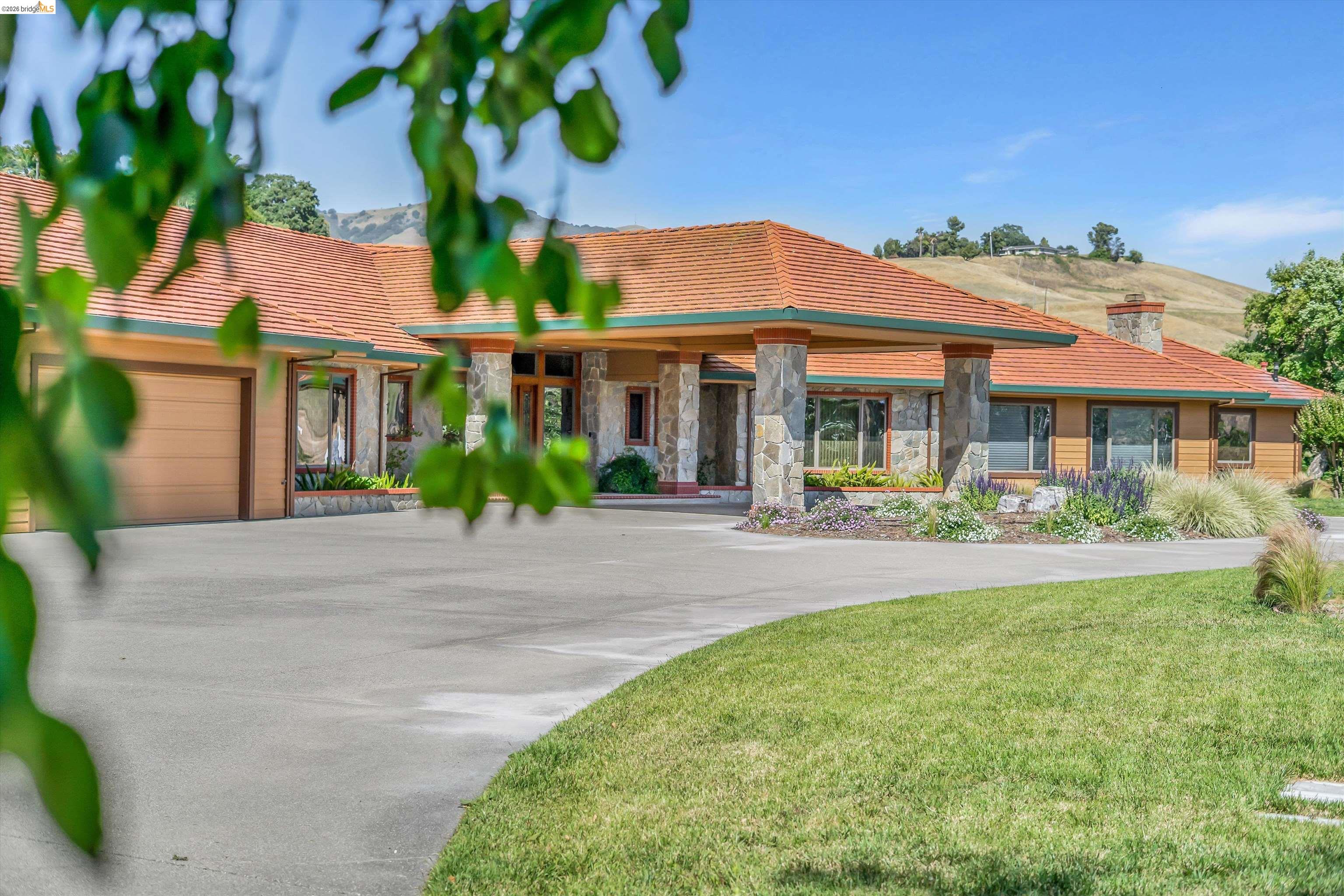
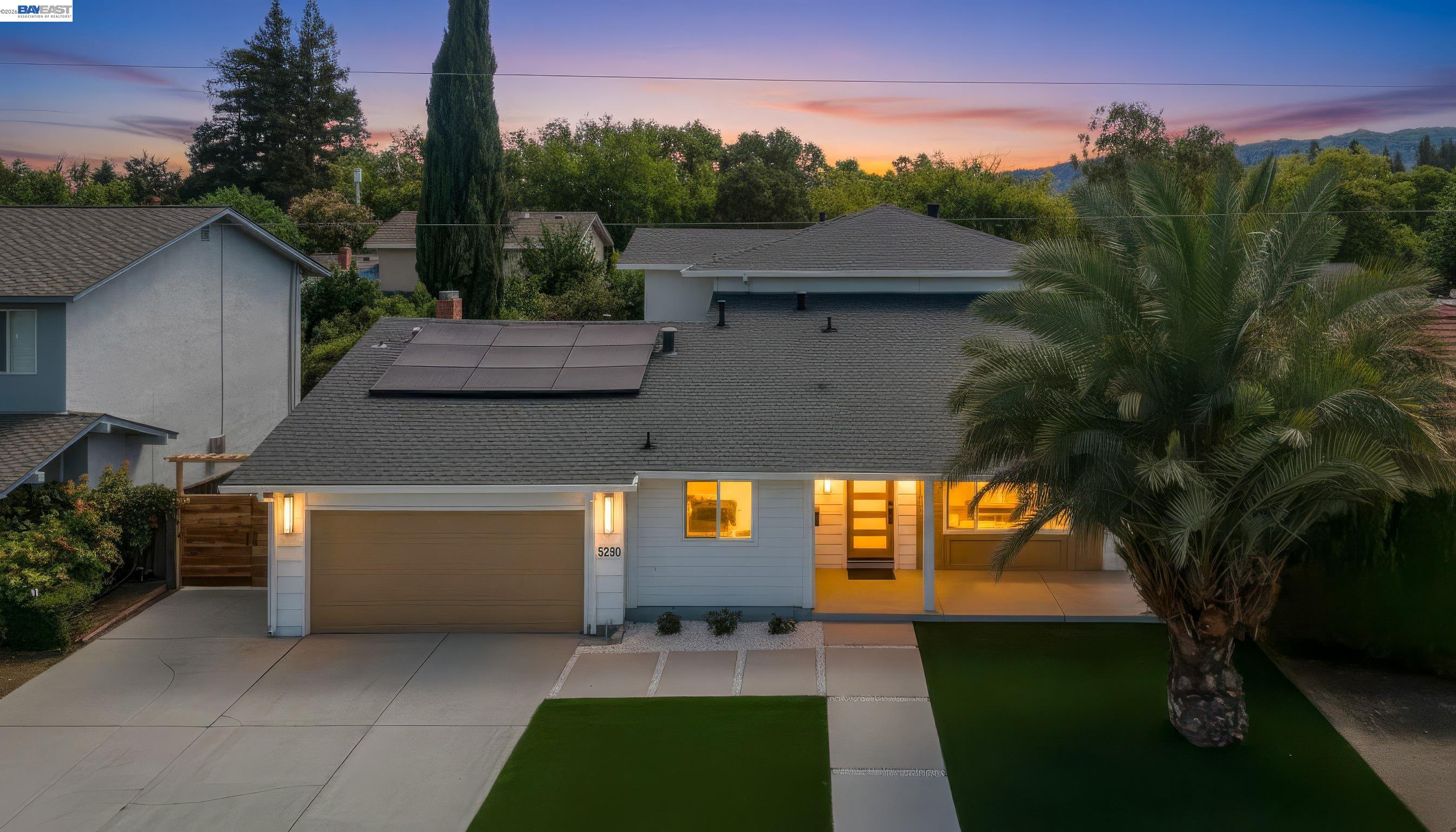
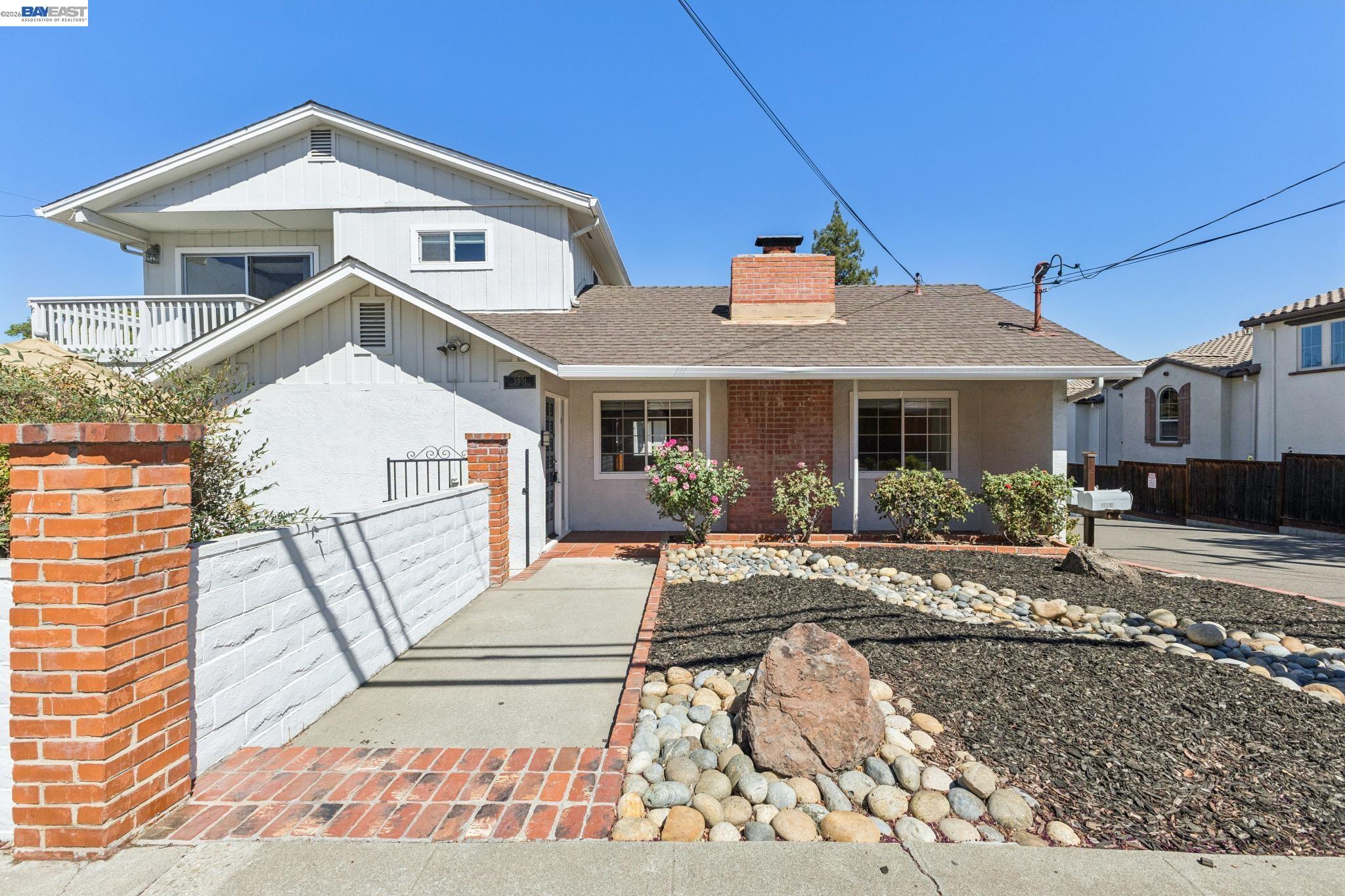
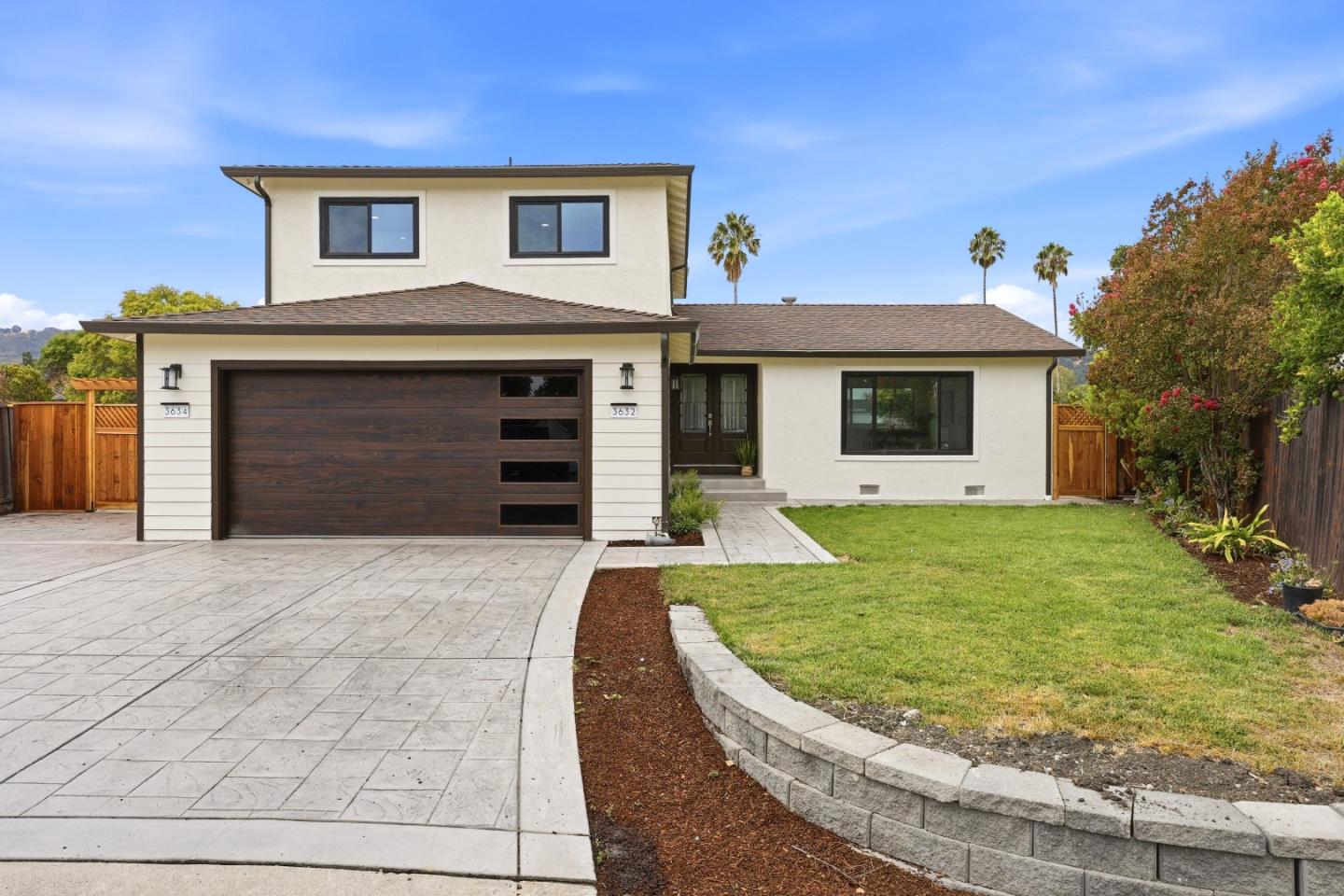
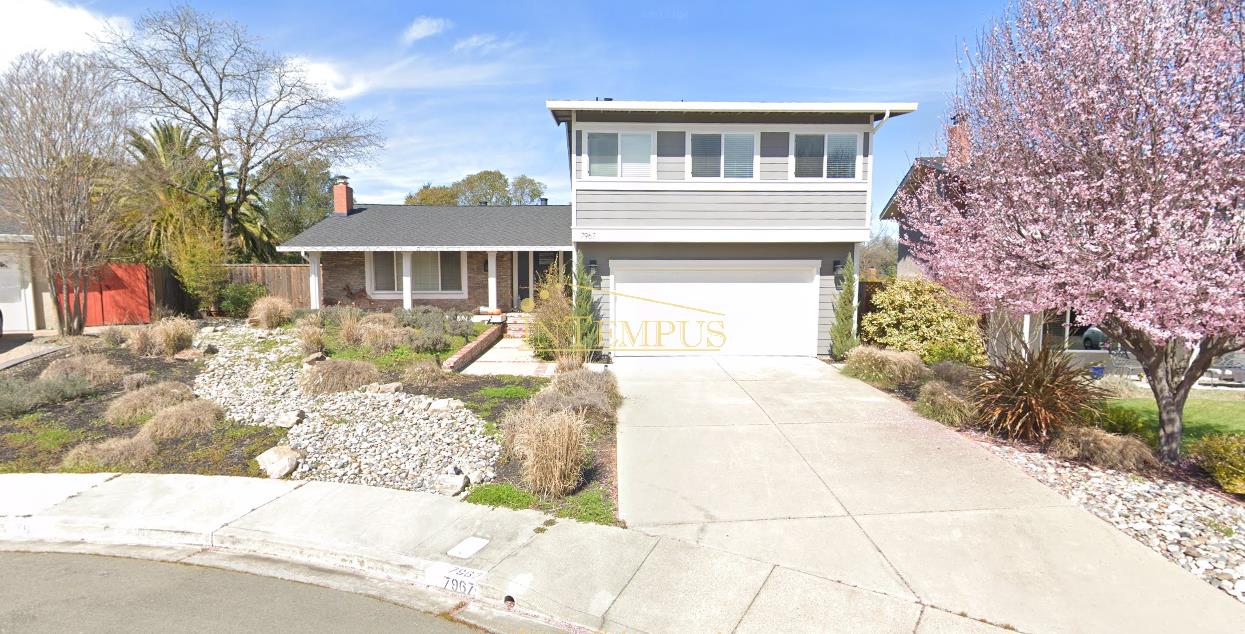
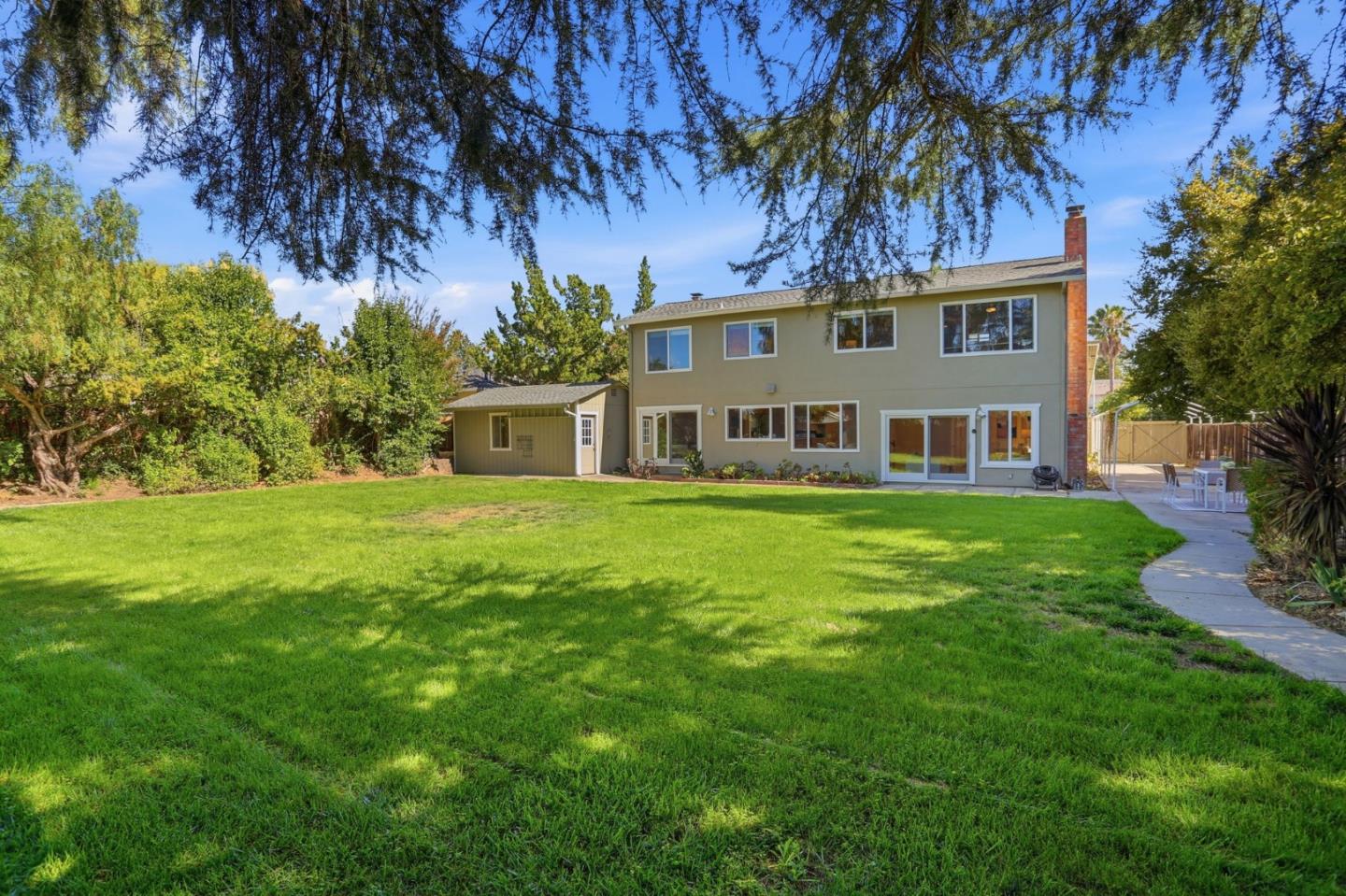
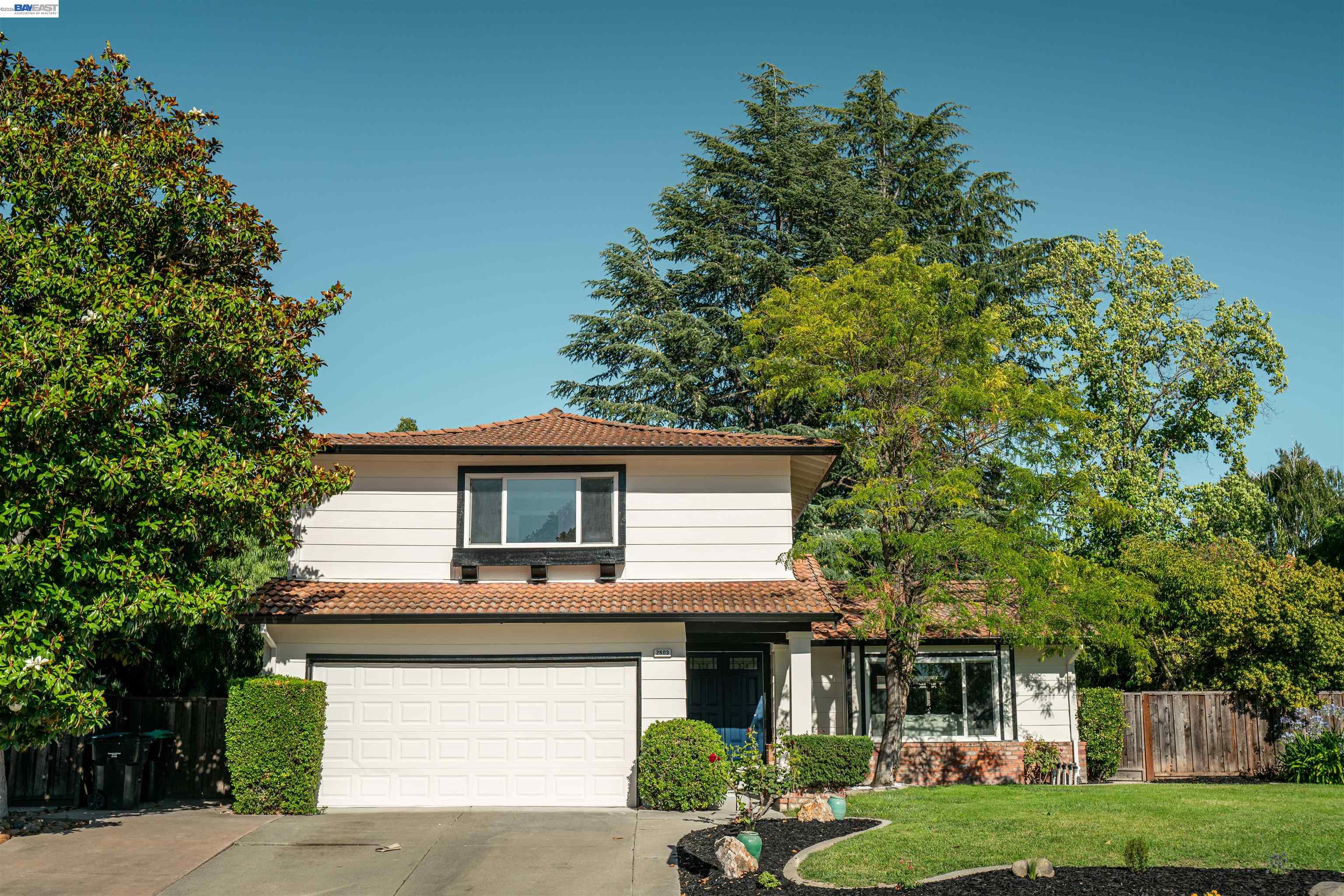
The Suburban Expansion Era (1950s to 1970s) produced the mid-century California ranches and split-levels that define Birdland and the flatter valley floor. Single-story footprints, low-pitched roofs, attached two-car garages, and wide lots make these the workhorses of the local market—prime candidates for interior renovations, open-concept conversions, and ADU additions thanks to their generous, flat backyards.
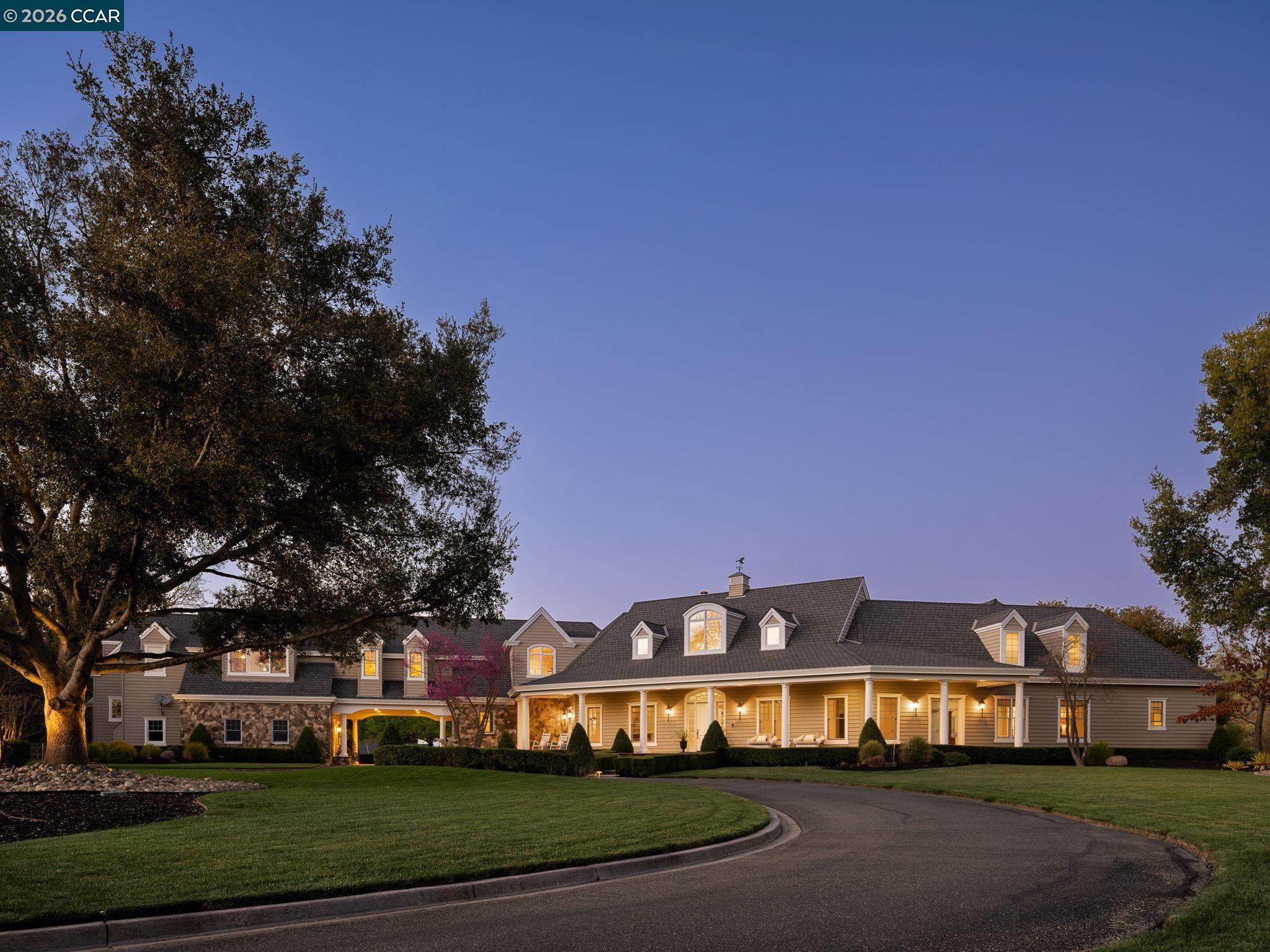
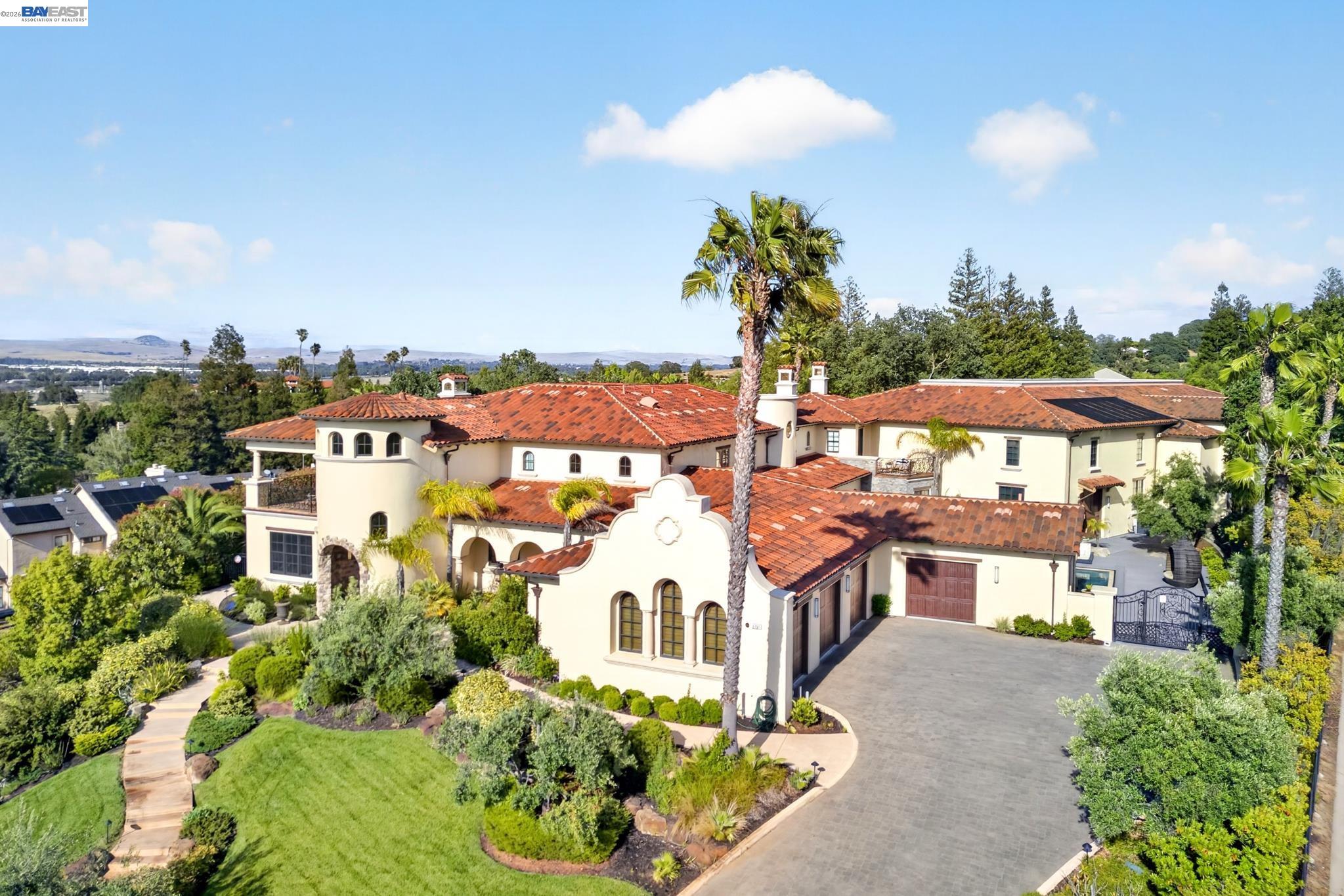
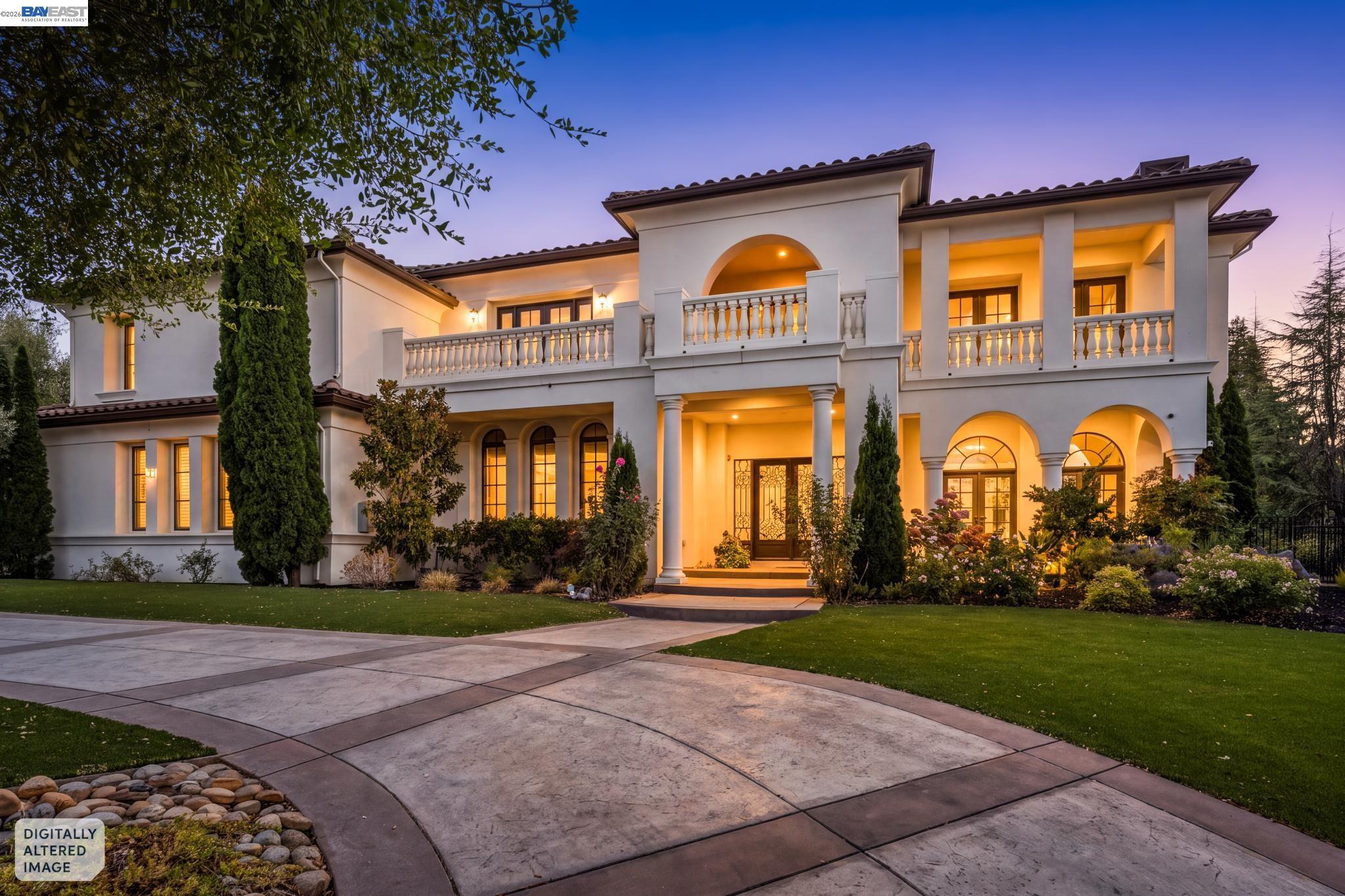
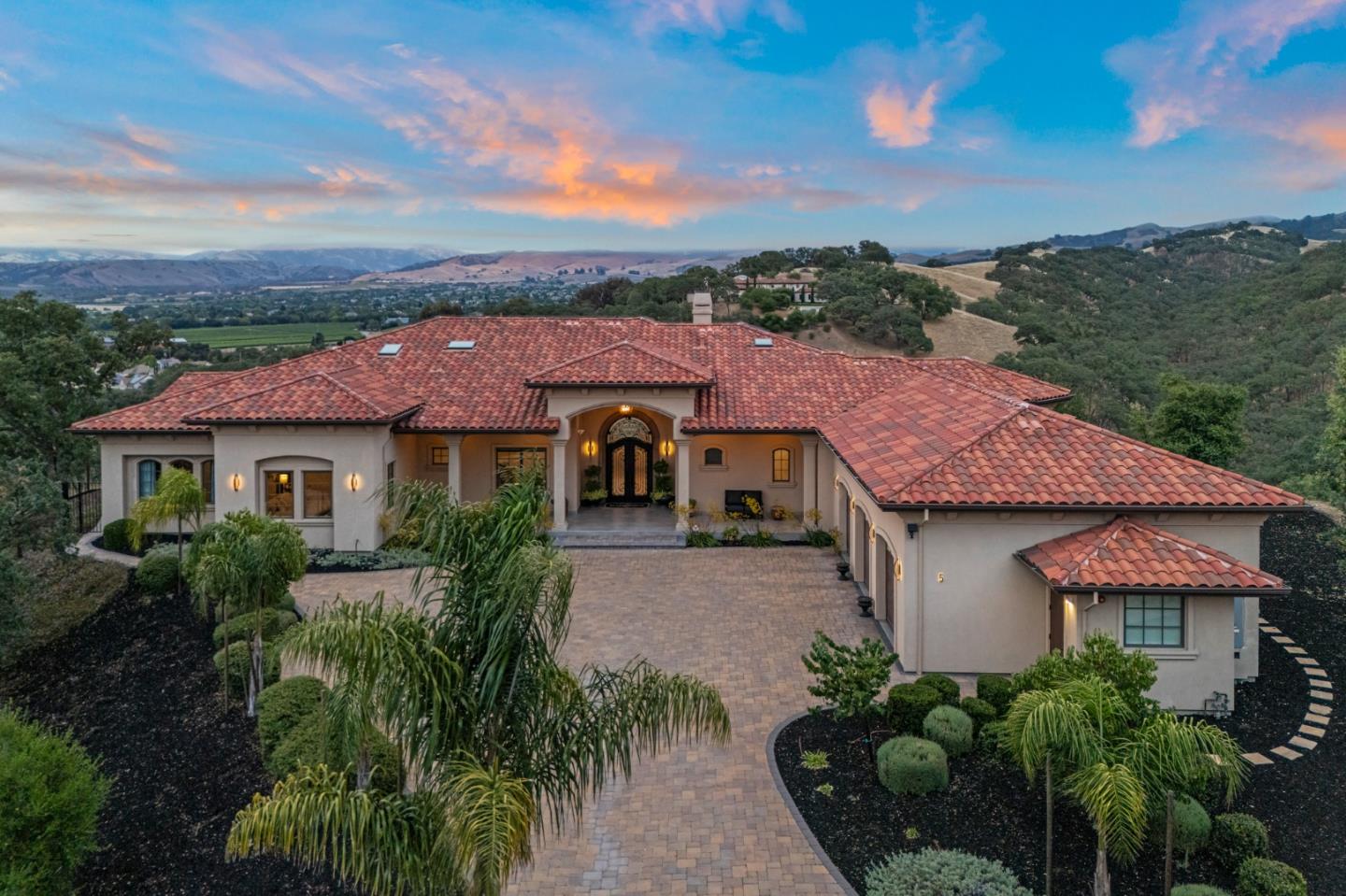
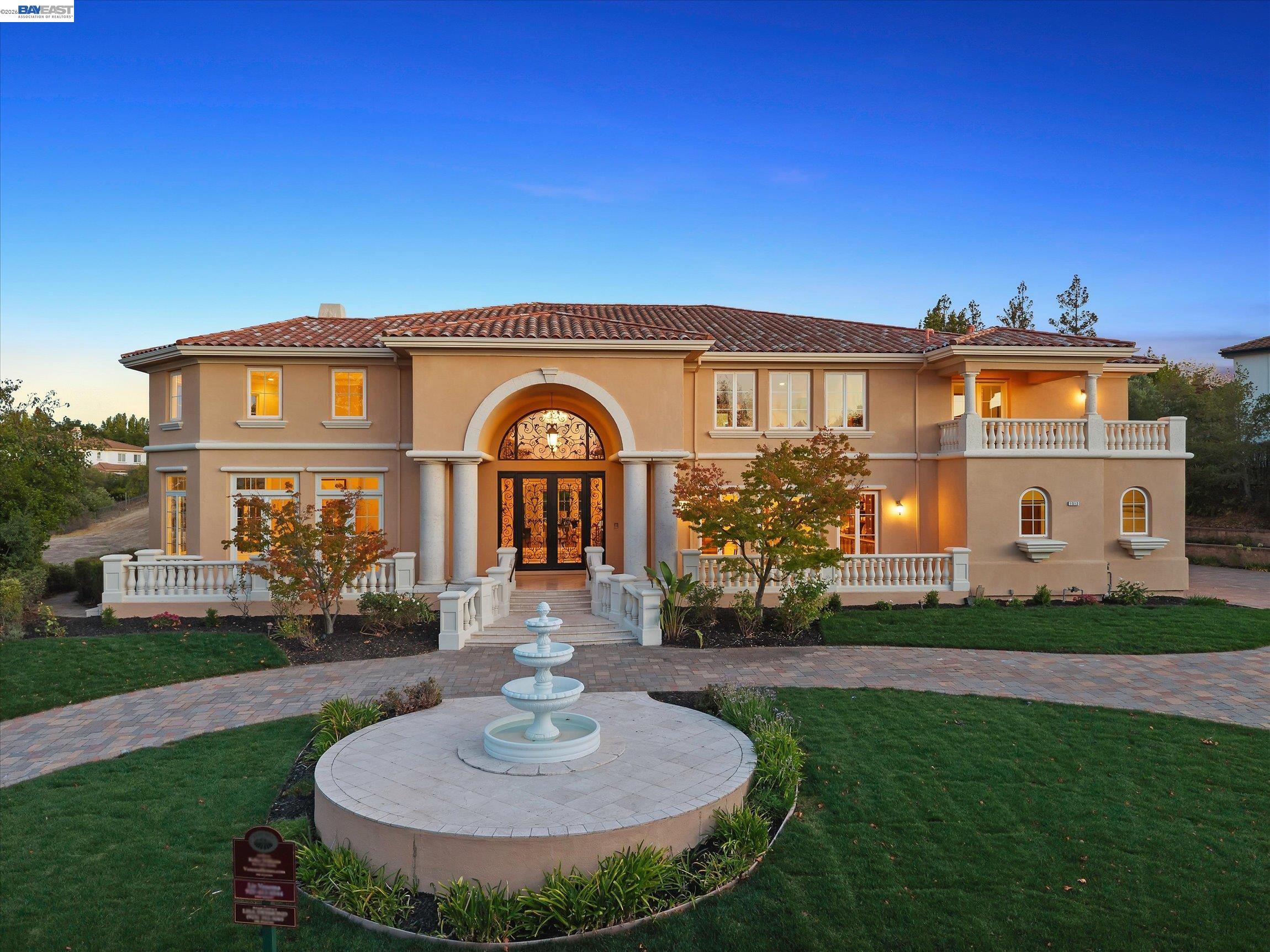
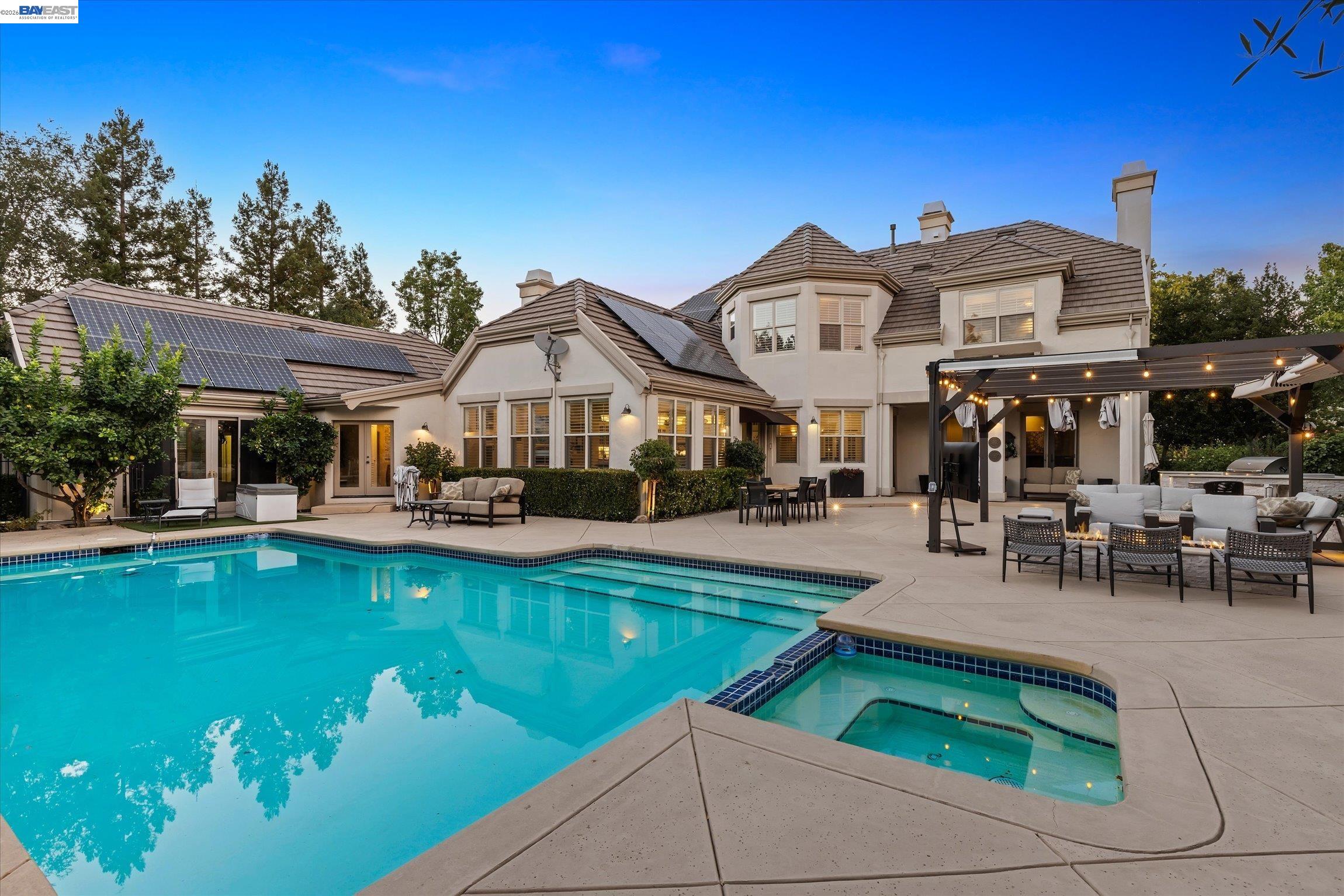
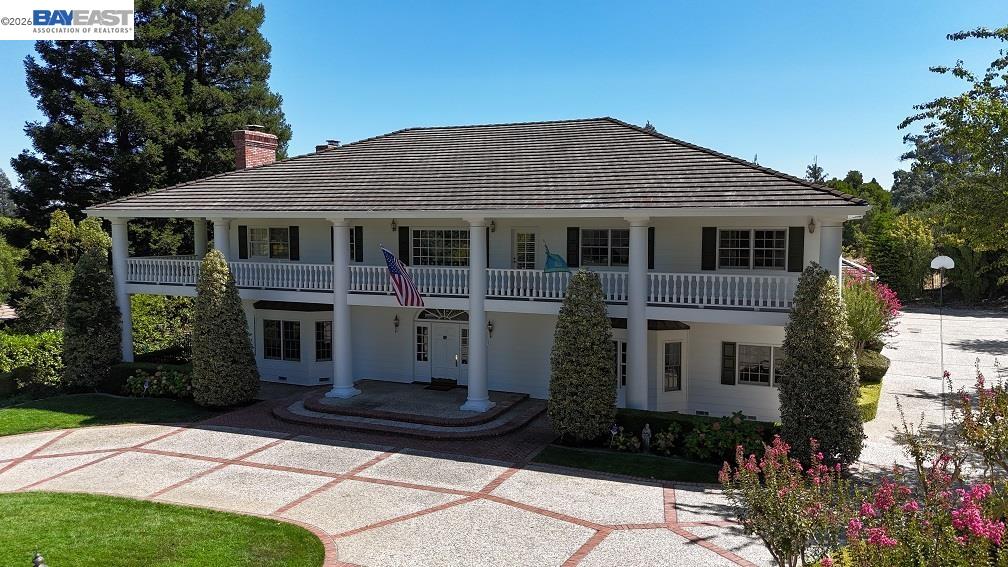
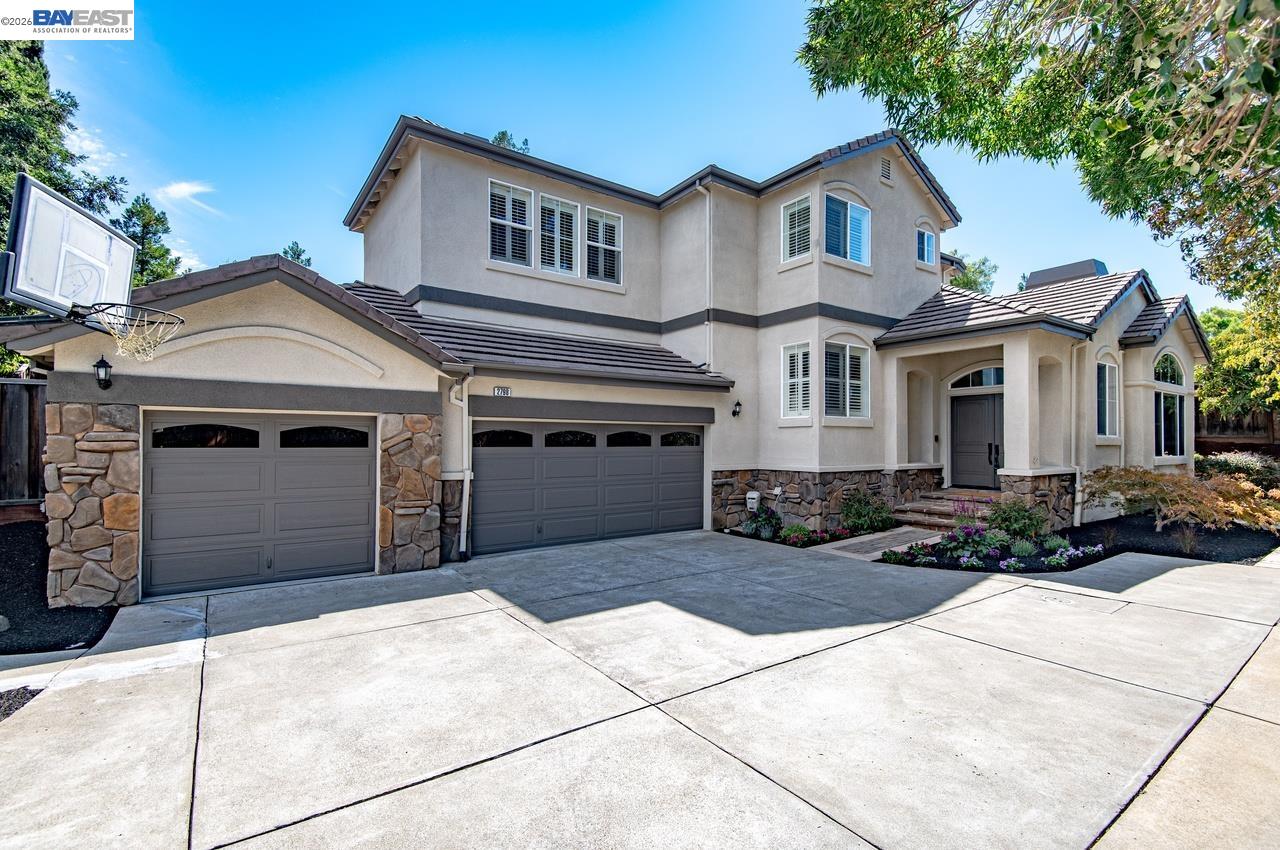
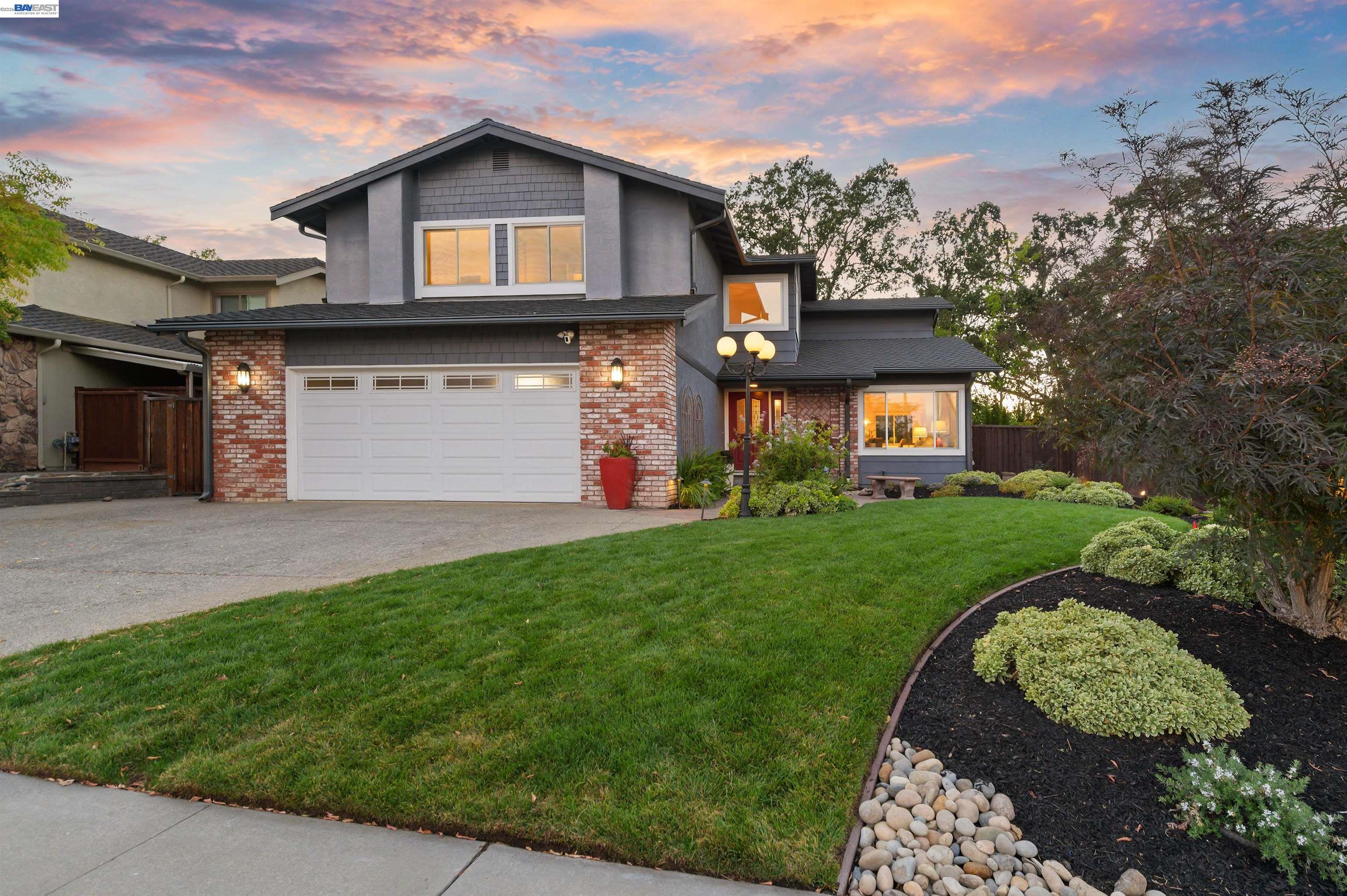
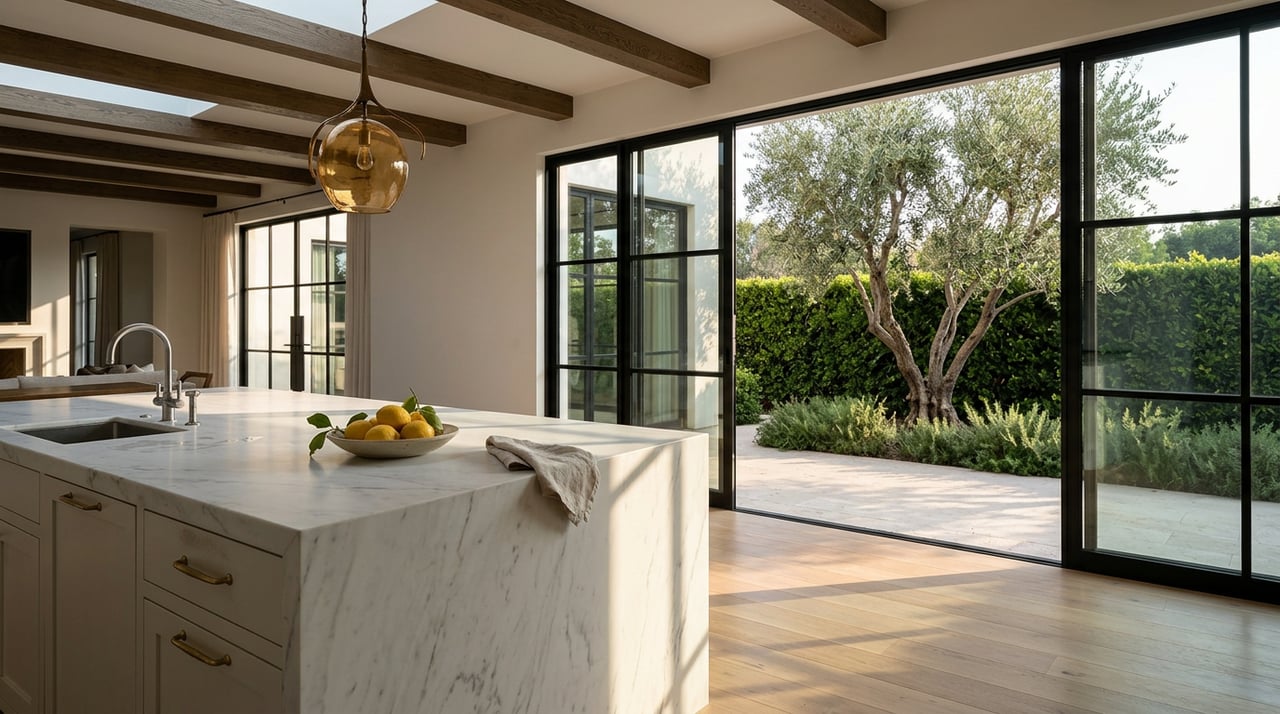
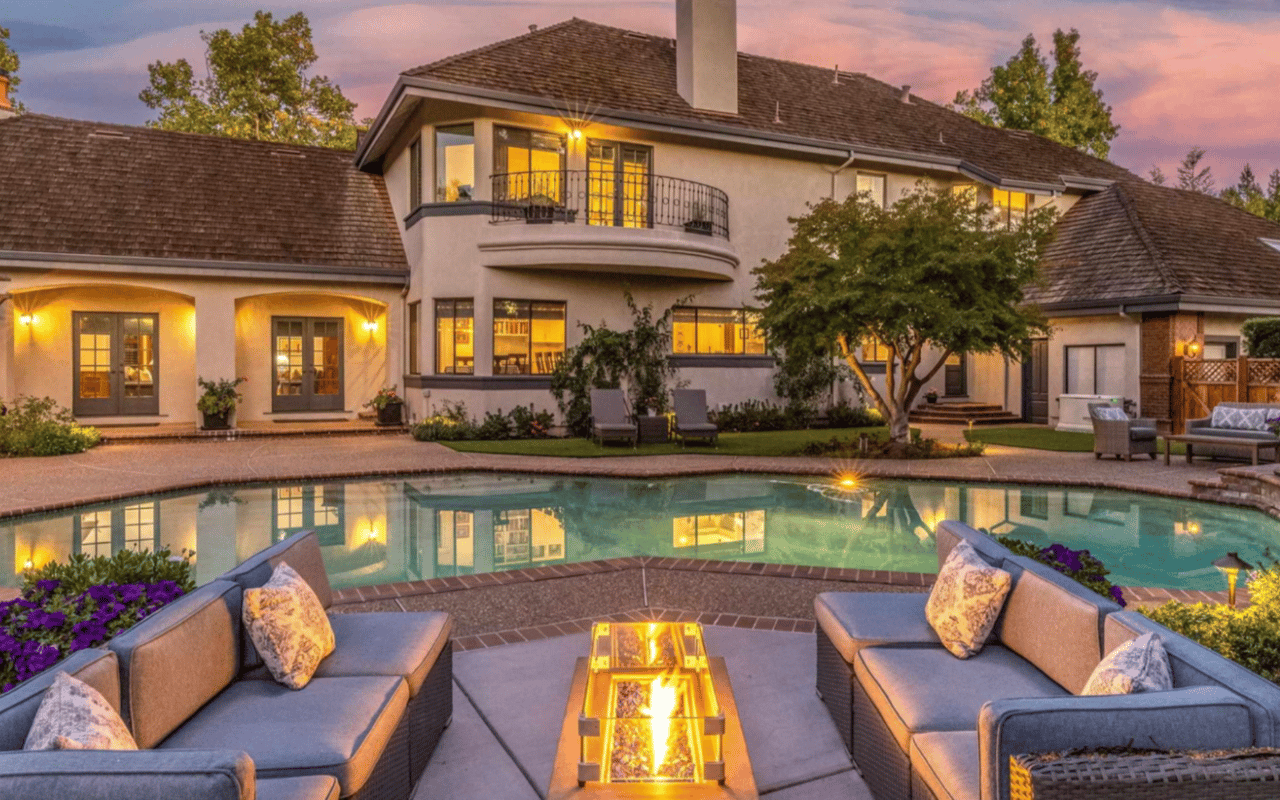
The Modern Executive Era (1980s to present) followed the Hacienda Business Park and the I-680 expansion, pushing development into the eastern and southern hills of Vintage Hills, Ruby Hill, and Kottinger Ranch. These contemporary Mediterranean, Neo-Traditional, and custom European-influenced estates feature stucco exteriors, tile roofs, dramatic multi-story entries, vaulted ceilings, and three- to four-car garages. Priced from roughly $1.8 million past $4.0 million, this segment is the upper echelon of the city's stock, built for tech executives and families who prioritize square footage, large primary suites, and integrated home offices.
Pleasanton Schools: The Pleasanton Unified School District Advantage
Ask any local agent what underpins Pleasanton's property values, and the answer is almost always the Pleasanton Unified School District. PUSD consistently ranks as the number one or number two school district in Alameda County and comfortably within the top twenty across California. State data shows student proficiency in math around 74% and in reading around 78%, dramatically ahead of state averages, and the district earns an A+ grade for teacher quality—frequently the top mark in the immediate Tri-Valley.
The district's reputation rests heavily on its two comprehensive high schools, both of which earn an A+ overall grade:
High School | Core Academic Distinctions |
|---|
Amador Valley High School | Consistently ranked among the top 50 public high schools in California; renowned for elite STEM and nationally recognized music and band programs; heavy AP enrollment with very high pass rates. |
Foothill High School | Sits alongside Amador in state rankings (top 50 in CA); highly competitive academics with deep engineering and computer science partnerships; strong athletics on top of its academic weight. |
What truly sets PUSD apart from other well-funded districts is Pleasanton Partnerships in Education, or PPIE. This community-driven nonprofit bridges state budget gaps through private donations, corporate sponsorships, and events like the annual Run for Education, directly funding school-site staff, instructional technology, and STEM grants that ordinary tax revenue doesn't cover. That relentless local backing is a large part of why the campuses stay nationally competitive—and why homes zoned to the strongest schools rarely stay on the market long.
Downtown Pleasanton: Dining, Shopping, and Small-Town Charm
While the surrounding Silicon Valley economy fixates on the ultra-modern, downtown Pleasanton deliberately preserves a slower, classic energy. The historic commercial strip runs roughly half a mile and functions as the community's shared living room, and its dining scene punches well above its weight for a suburb. Chef-driven concepts like Sabio on Main showcase seasonal California cuisine—including a specialized Japanese A5 Wagyu program—alongside deep regional wine lists, while multi-decade mainstays such as Pastas Trattoria have anchored the avenue for more than 25 years. Between upscale tapas bars, lively Mexican bistros, independent sushi spots, and specialty creperies, the downtown grid delivers real culinary diversity within a few walkable blocks.
The retail follows the same locally owned philosophy. Instead of department stores and national chains, Main Street relies on independent clothing boutiques, unique jewelry and home goods, a classic old-school toy store, local bookstores, antique galleries, and artisan olive oil tasting rooms. But the true heartbeat of downtown is its calendar of gatherings, which draw residents from across the Tri-Valley: a year-round Saturday farmers' market that closes an adjacent street for fresh produce and live acoustic music, the First Wednesday street parties from late spring through early fall that shut Main Street to traffic for food trucks and microbrew stations, and the Friday-night Concerts in the Park series at Lions Wayside Park, where lawn chairs and picnic blankets fill the grass all summer. This event routine is a big part of what makes downtown-adjacent homes so consistently coveted.
Parks, Trails, and the Outdoor Lifestyle
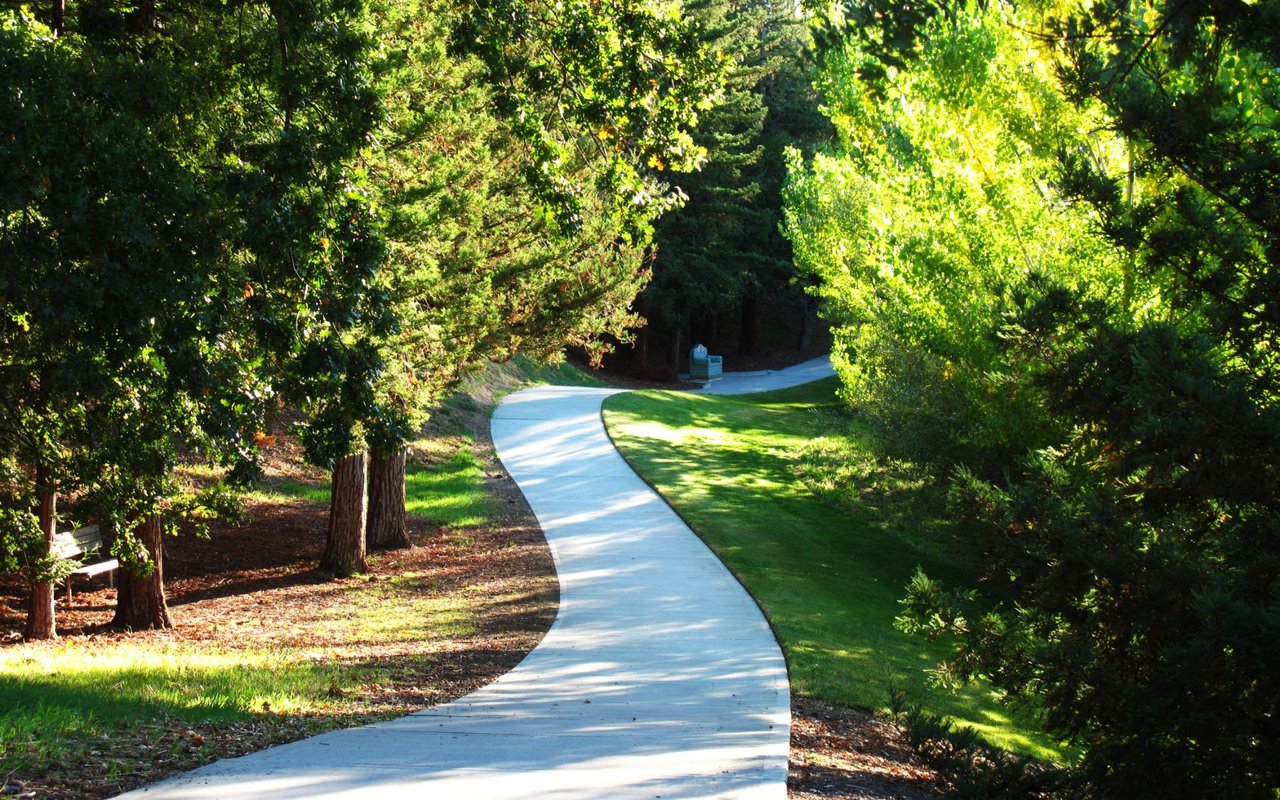
Pleasanton is intentionally green. The city maintains 46 developed parks spanning more than 385 acres, along with roughly 60-plus miles of multi-use trails and over 700 acres of protected open space—infrastructure that makes an active outdoor lifestyle effortless.
The major natural escapes sit right on the city's edges. Pleasanton Ridge Regional Park stretches across more than 9,000 acres of oak-covered ridgeline just west of I-680, offering challenging climbs, panoramic Amador Valley views, mountain biking, and off-leash dog trails. Augustin Bernal Community Park protects 237 acres of mixed oak woodland and chaparral high on the eastern ridge face, where the Valley View Trail frames the valley floor with Mount Diablo on the horizon. And Shadow Cliffs Regional Recreation Area, a former gravel quarry on the Livermore border, has become the area's go-to lake for open-water swimming, kayaking, fishing, and lakeside picnics.
Closer to the neighborhoods, the community parks do the daily heavy lifting. Ken Mercer Sports Park packs more than a dozen baseball diamonds, soccer fields, basketball courts, a skate park, and an enclosed dog park across 104 acres on the east side, while Val Vista Community Park on the north end offers an inline skating arena, roller hockey rink, climbing wall, a water-feature playground, and the Pleasanton Community Garden. Tying it all together is the trail network: the fully paved Iron Horse Regional Trail runs flat for over 26 miles, letting cyclists and pedestrians travel car-free through Dublin, San Ramon, and Danville all the way to Concord, while the Arroyo Mocho and Marilyn Murphy Kane trails follow the local creeks as stroller-friendly greenbelts linking residential cul-de-sacs to schools, shopping, and downtown.
Wine Country at Your Doorstep: The Livermore Valley Connection
One of Pleasanton's most underrated perks is its seamless border with the Livermore Valley American Viticultural Area. Where Napa and Sonoma demand a traffic-heavy weekend expedition, Pleasanton residents reach world-class wine country in a 10- to 15-minute drive. The transition is immediate—a small cluster of historic estates sits right along Pleasanton's own Vineyard Avenue, including Rubino Estates and Elliston Vineyards.
The core of the AVA opens up just a few miles east into Livermore. Iconic estates like Wente Vineyards—the oldest continuously operated family-owned winery in the United States, founded in 1883—and Concannon Vineyard sit roughly 13 to 15 minutes from downtown. (Wente is famous for the "Wente Clone," the genetic material behind an estimated 80% of all California Chardonnay planted today.) Push further east toward Tesla and Greenville Roads and the landscape climbs into high-elevation, family-run operations like McGrail Vineyards and Cuda Ridge, known for estate-grown Cabernet Sauvignon and bold Bordeaux-style blends. Because the valley is so close, wine country here isn't a special-occasion trip—it's woven into ordinary life. Residents routinely leave work on a Friday, meet friends for a sunset tasting or a lawn concert, and are home in time for dinner.
How Pleasanton Compares to Danville, San Ramon, and Dublin
Pleasanton, Danville, San Ramon, and Dublin all share the same baseline appeal—low crime, safe neighborhoods, and top-performing public schools—but they have fundamentally different characters. The table below frames the core differences:
Attribute | Pleasanton | Danville | San Ramon | Dublin |
|---|
Early 2026 Median Price | $1.5M–$1.7M | $1.8M–$2.2M+ | $1.3M–$1.5M | $1.3M–$1.55M |
Transit | I-580/I-680 hub + direct BART & ACE Rail | I-680 only (no rail) | I-680 only (drive to BART) | Dual BART + immediate I-580 |
Town Identity | Established, mature historic core with deep corporate footprint | High-end luxury "village," heavily residential | Master-planned corporate and civic plazas | Fast-growing, young, hyper-modern |
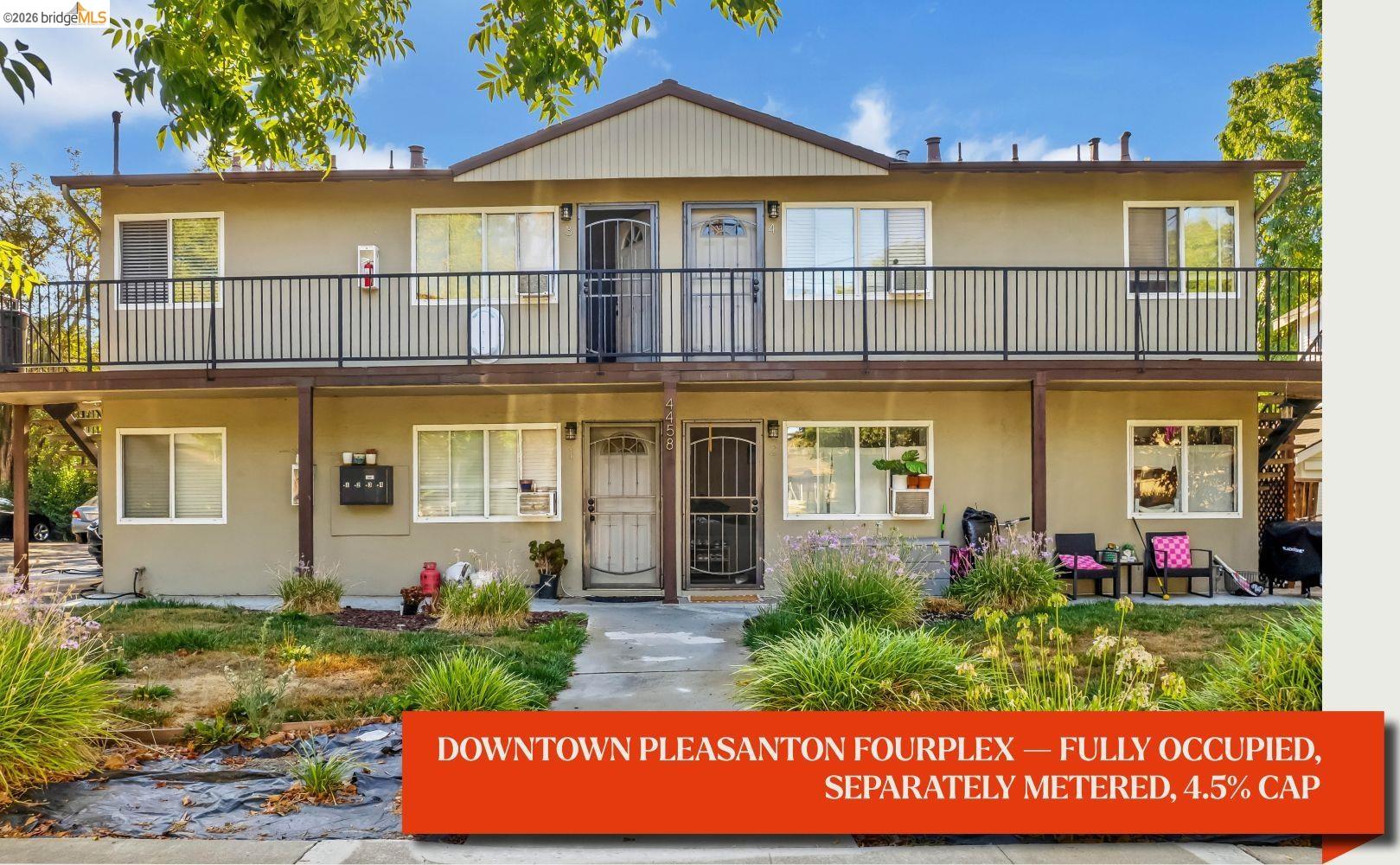
Housing Stock | Diverse: historic downtown, mid-century ranch, luxury hills | Mostly large custom estates | Massive planned subdivisions | High density: townhomes, condos, new tract |
Against Danville, the trade-off is prestige versus function. Danville sits slightly above Pleasanton in median pricing and offers a polished boutique "village" aesthetic, but it's explicitly a bedroom community with minimal job centers and no direct rail. Pleasanton offers comparable historic charm while functioning as a real economic engine with superior freeway access and mass transit.
Against San Ramon, it's subdivisions versus heritage. San Ramon is built around immense master-planned developments like Dougherty Valley and anchored by the Bishop Ranch employment hub and City Center shopping plaza, but it lacks a true historic downtown—and many newer neighborhoods carry Mello-Roos special tax assessments of $3,000 to $8,000-plus a year that established Pleasanton tracts avoid. Choose San Ramon for uniformly newer streets; choose Pleasanton for an authentic town identity.
Against Dublin, it's a generational divide. Dublin is the region's fastest-growing city and the ultimate transit-first playground for young professionals, holding the crown for BART convenience with two native stations. But rapid expansion has left it feeling heavily commercialized, with big modern retail strips and higher-density attached housing. Dublin offers lower entry prices and a turn-key modern lifestyle; Pleasanton remains the choice for a grounded, traditional neighborhood layout with larger lots.
Who's Moving to Pleasanton: Buyer Profiles and Lifestyle Fit
Because the entry point for a detached single-family home sits around $1.5 million to $1.8 million, incoming residents are almost exclusively dual-income, highly educated professional households. They tend to fall into three profiles.
The first is the Silicon Valley value-seeker—tech workers, engineers, and managers relocating from Santa Clara County or the Peninsula, usually triggered by a life milestone like a second child or a kid reaching school age. They discover that for the price of a Cupertino fixer-upper, they can buy a sprawling 2,500-square-foot executive home with a flat backyard in a neighborhood like Vintage Hills, and with hybrid schedules now permanent at many companies, commuting down I-680 a couple days a week is an easy trade for a quieter, family-centered life.
The second is the multi-generational family, often high-earning households—particularly from South and East Asian communities, a vibrant and growing share of the population—who prioritize educational excellence and want a home that can house parents, children, and grandparents together. Pleasanton's large multi-story builds from the 1980s and 90s, many with downstairs bedroom-and-bath suites ideal for aging parents, fit this need perfectly, and the top rankings of Amador Valley and Foothill are typically the non-negotiable anchor.
The third is the urban refugee from San Francisco or Oakland—finance, biotech, and legal professionals who spent their twenties and early thirties in dense city centers and are now worn down by logistics, parking, or safety concerns as they move into family planning. They gravitate to the downtown core or the neighborhoods near the BART stations, wanting suburban safety and strong schools without giving up a walkable life where they can stroll to dinner at Sabio on Main or catch the Saturday market.
Buyer and Seller Strategy in the Pleasanton Market
The Pleasanton market is bifurcated in a way that rewards precision and punishes guesswork. Statistically it sits at a near-even split: roughly half of homes sell over asking while the other half sell under list or require reductions. Strategy has to be built around that reality.
For buyers, inventory has loosened to a healthier 2.2 months of supply for detached homes, so you finally have more choices than during the pandemic frenzy—but competition stays fierce for premium properties. If your budget lands in the fiercely contested $1.3 million to $1.7 million core tier, you need to be fully underwritten, pre-approved, and ready to move decisively within 14 to 21 days. It also pays to hunt for stale inventory: because buyers are so rate-sensitive, homes overpriced by even 3% to 5% quickly stagnate, and any listing sitting past 30 days becomes a candidate for under-list offers, closing-cost credits, or rate buy-down concessions. And if you're coming from Santa Clara County, drop the South Bay bidding reflexes—Pleasanton's average sale-to-list ratio sits right around 100%, so blindly bidding over asking is an easy way to overpay.
For sellers, the buyers here are analytical and will pay top dollar, but they refuse to bail out a lazy listing. Pricing aggressively high "just to see what happens" is a fatal strategy; an overpriced home sits, gets labeled as problematic by local agents, and eventually forces a cut that nets less than accurate pricing would have from day one. The turn-key premium is real—investing around $15,000 in cohesive updates like neutral paint, fresh fixtures, professional landscaping, and deep cleaning can yield a $50,000 to $75,000 return in multiple-offer leverage. At the luxury threshold above $3 million in Ruby Hill or Kottinger Ranch, the top end has shown surprising equity-rich depth, but those buyers expect polished digital marketing, private twilight showings, and pristine architectural presentation before they'll move.
Partner with a Local Expert: Working with Joujou Chawla
Navigating a market this precise—where the difference between selling over asking and taking a price cut can come down to pricing strategy on day one—is exactly where deep local expertise pays for itself. Joujou Chawla brings 42 years of California real estate experience and an unmatched command of the East Bay and Tri-Valley markets to every transaction. As the #1 agent in Blackhawk from 2013 through 2025 and the #1 agent in Danville from 2022 through 2025, with more than $2.1 billion in lifetime sales and over 1,535 homes transacted, she pairs proven negotiating skill and astute market insight with a full-service team covering staging, professional photography, aerial video, and dedicated marketing. Whether you're buying into Vintage Hills, selling a Ruby Hill estate, or weighing Pleasanton against its Tri-Valley neighbors, that experience translates directly into better outcomes.
To talk through your goals or get a current read on your home's value, reach Joujou Chawla at (510) 406-4836 or [email protected], or visit chawlarealestate.com to start the conversation.