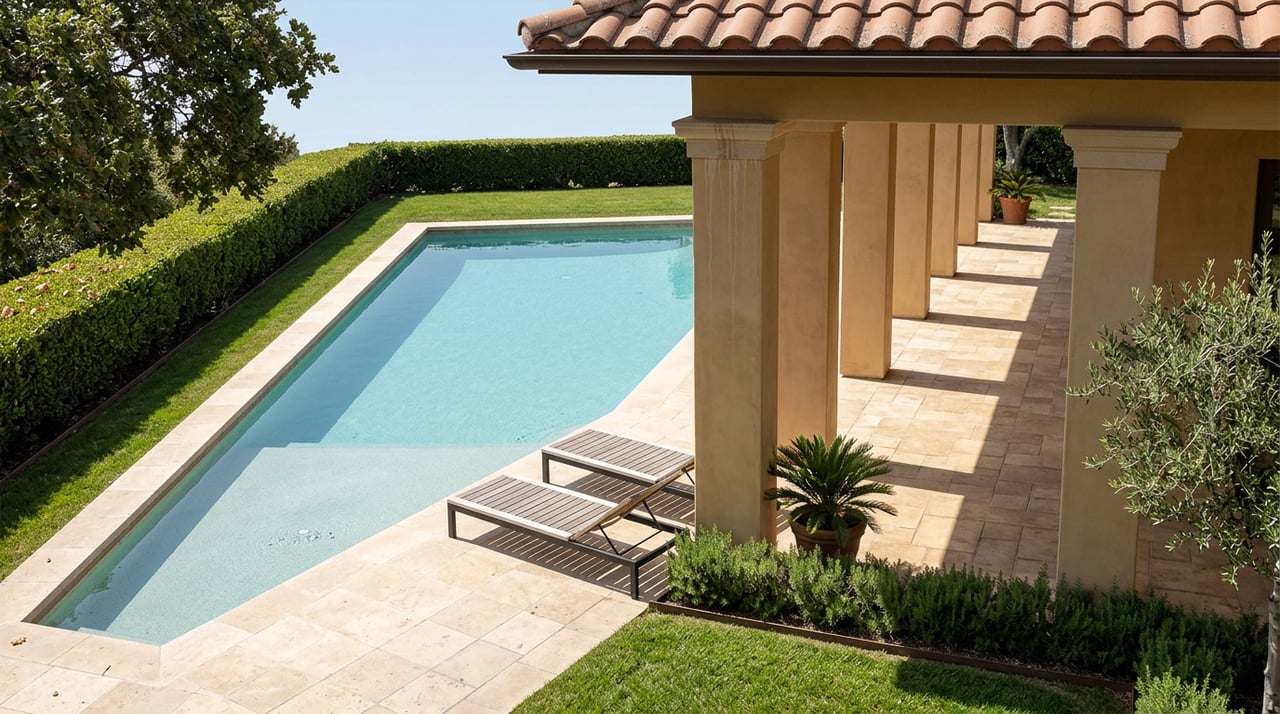
Welcome to San Ramon, CA
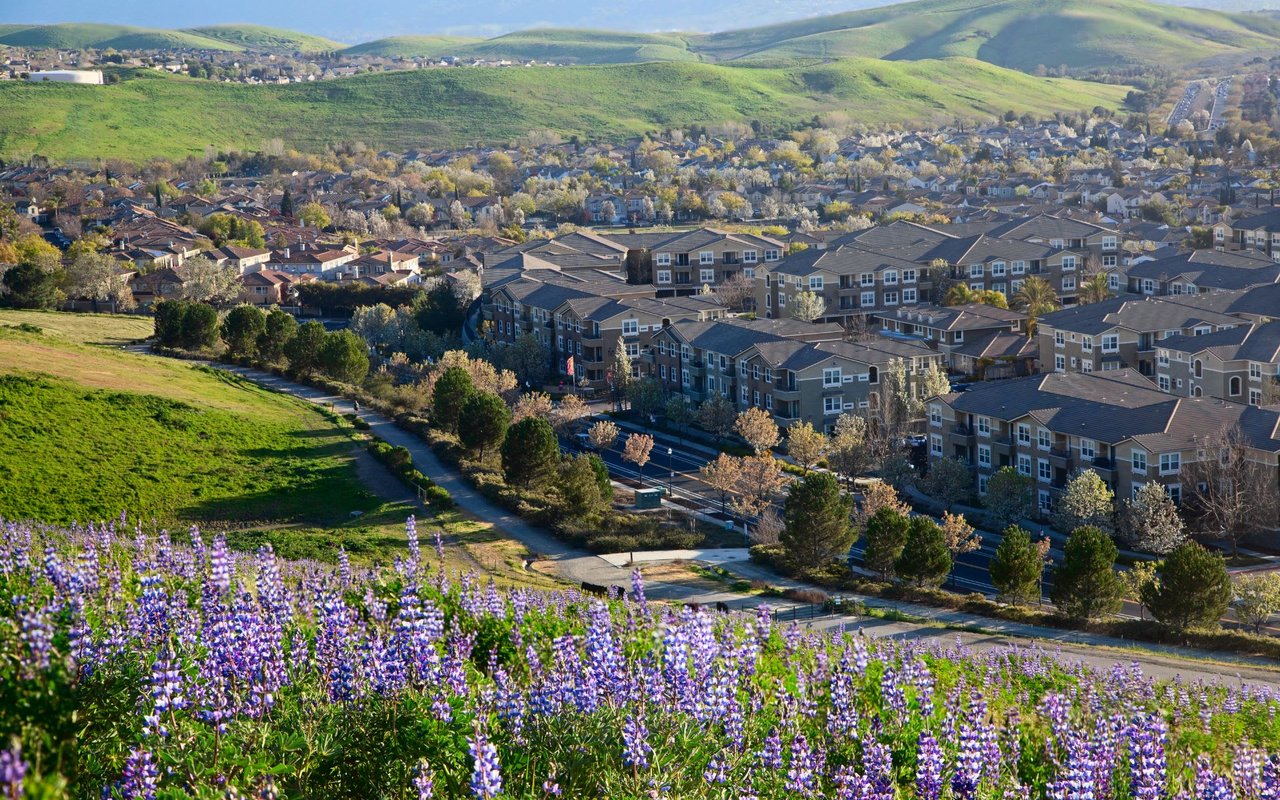
San Ramon is one of those rare Bay Area cities that manages to feel both quietly residential and quietly powerful at the same time. On the surface, it reads as a polished suburban valley town: tree-lined streets, master-planned neighborhoods, top-ranked schools, and a green ribbon of trail cutting through the middle of it. Underneath that calm, though, sits one of the most significant corporate economies in the East Bay, anchored by the 585-acre Bishop Ranch business park and its roster of multinational employers.
That duality is the whole story of San Ramon. It is a city where a household can send children to some of California's highest-performing public schools in the morning, and a parent can reach a corporate campus, a Renzo Piano–designed retail center, or a regional wilderness trail within minutes. For buyers, this is what makes San Ramon feel less like a speculative market and more like a long-term investment in stability. People do not move here to flip a house. They move here to stay.
The city sits at a comfortable remove from the density of the inner Bay Area, buffered by the rolling hills of the Diablo Range to the east and the Las Trampas Regional Wilderness to the west. Yet it remains tightly connected to the region's economic engines through the I-680 corridor. It is this combination—natural separation paired with genuine accessibility—that defines the San Ramon way of life and, ultimately, its real estate values.
Where San Ramon Sits in the Tri-Valley and East Bay
To understand San Ramon's appeal, you first have to understand its geography, because location drives nearly everything about how the city lives and trades.
San Ramon is situated in the Tri-Valley, a distinct sub-region of the East Bay named for its three interconnecting valleys: the Amador Valley, the Livermore Valley, and the San Ramon Valley. Within that framework, San Ramon acts as the central anchor of the San Ramon Valley, running directly along the Interstate 680 corridor. It is bordered by Danville to the north and Dublin to the south, placing it in the middle of one of the most desirable residential stretches in the entire East Bay.
Zoom out to the regional scale and the picture gets clearer. San Ramon rests east of the Berkeley Hills and Oakland, roughly halfway between the retail and transit hub of Walnut Creek to the north and the busy I-580 junction in Dublin to the south. This central positioning is a quiet advantage: residents can reach BART connections, major shopping, and multiple job centers in several directions without ever feeling locked into a single commute path.
What makes the setting feel special, though, is the topography. Flanked by the Diablo Range to the east and Las Trampas Regional Wilderness to the west, San Ramon feels naturally insulated from the denser, more urban bayside cities like Oakland or Hayward. That sense of separation is a large part of why its master-planned communities—Windemere, Gale Ranch, and the broader Dougherty Valley—command the premiums they do, even as Bishop Ranch keeps the local economy humming just minutes away.
The San Ramon Housing Market at a Glance
The San Ramon real estate market operates as a highly stable and competitive environment, driven primarily by two forces that rarely waver: top-tier schools and corporate stability. That foundation is why the city held its value even as elevated mortgage rates gently leveled off the aggressive pricing peaks of the early 2020s. This is a market that cools; it does not crash.
Here is the current snapshot of conditions on the ground:
Market Metric | Current Landscape |
|---|
Median Sale Price | ~$1.5M to $1.6M (slightly down ~2% to 6% year-over-year) |
Median Days on Market | 14 to 20 days (homes still move very quickly) |
Inventory (Months of Supply) | ~2.7 months (under three months keeps this technically a seller's market) |
Sale-to-List Ratio | ~99.6% (buyers are paying near-asking with fewer frenzied bidding wars) |
Beneath those headline numbers, a few dynamics genuinely shape how deals get done here.
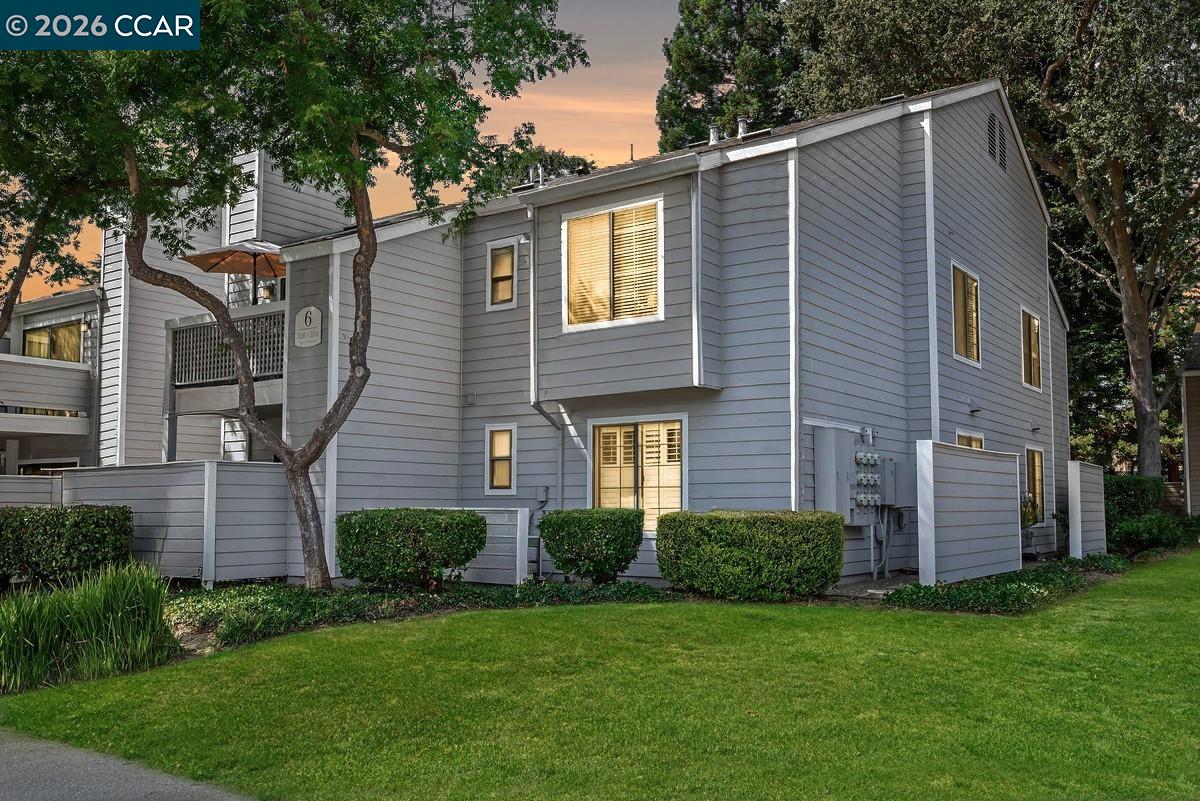
The clearest divergence is between property types. Single-family detached homes remain the tightest and most premium segment of the market, while attached condos and townhomes carry slightly higher inventory, giving buyers a bit more room to negotiate. Pricing then varies dramatically by location. Entry-level attached properties can start near the mid-$600Ks, while prestigious hillside estates and expansive Dougherty Valley homes frequently push past $2M to $2.5M.
Finally, there is the factor that catches many buyers off guard: the jumbo loan threshold. With the conforming loan limit in Contra Costa County sitting at $1,249,125, anyone shopping the median single-family tier needs to plan for a larger down payment—typically 18% to 20% or more—to stay out of jumbo loan territory. In a market where clean, fast financing wins deals, understanding this line early is a real competitive advantage.
San Ramon's Neighborhoods and Communities
San Ramon's residential landscape is unusually structured, defined by an intentional mix of mid-century suburban developments and massive master-planned expansions. To truly understand the city, you have to break it into its geographic pockets and the architectural eras that shaped them. Broadly, the city divides into four distinct residential environments, moving from the older, established commuter corridors in the west to the newer master-planned valleys in the east.
The master-planned east side is what most newcomers picture first. Communities like Gale Ranch and Windemere, built largely through the 2000s and 2010s across the Dougherty Valley, offer dense but remarkably polished environments where sidewalks, pocket parks, and top-tier schools like Dougherty Valley High are entirely walkable. If your priority is a newer home inside a cohesive, amenity-rich community, this is your zone.
The established west and central pockets tell an older story. Neighborhoods such as Twin Creeks, Bollinger Hills, and Alcosta Heights were developed primarily in the 1970s and 1980s closer to the I-680 corridor. They reward buyers with mature tree canopies, noticeably larger lots, and freedom from the strict HOA rules that govern the east side—an appealing combination for families who want space and established charm.
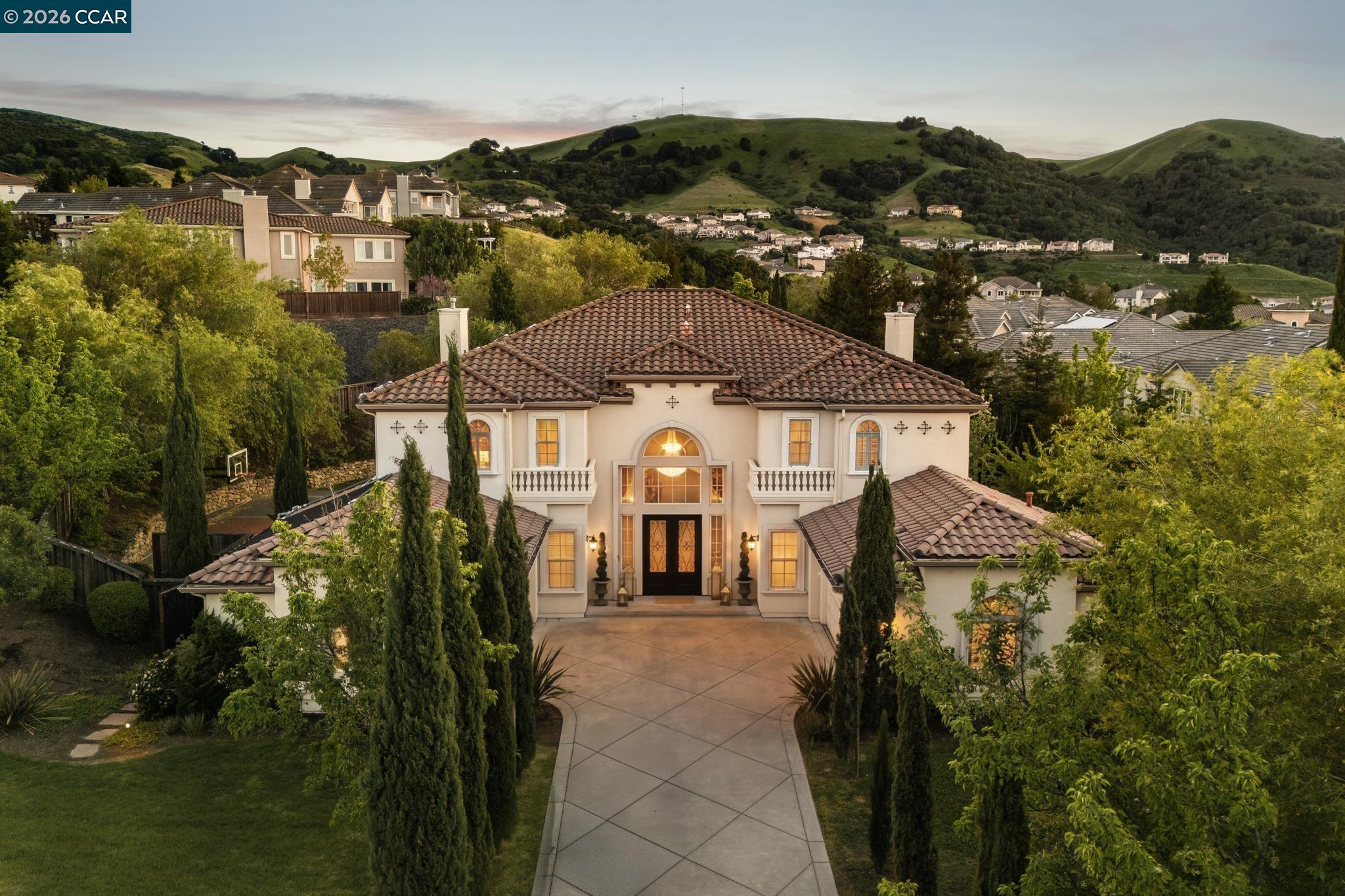
For buyers drawn to views and resort-style living, the golf and greenbelt enclaves deliver. The Bridges and Canyon Lakes are built around major fairways: Canyon Lakes offers 24-hour gated security and townhome options, while The Bridges is renowned for large executive homes set against the rugged hills. And at the top of the market sits Norris Canyon Estates, an exclusive gated enclave tucked deep into the northwestern hills, where custom estates rest on expansive plots with sweeping, isolated views of the valley and Mount Diablo.
Neighborhood Tier | Notable Communities | Key Characteristics |
|---|
Master-Planned East Side | Gale Ranch, Windemere | Built through the 2000s–2010s in Dougherty Valley. Dense but polished, with walkable parks, sidewalks, and top schools. |
Established West & Central | Twin Creeks, Bollinger Hills, Alcosta Heights | 1970s–1980s builds near I-680. Mature trees, larger lots, minimal HOA restrictions. |
Golf & Greenbelt Enclaves | The Bridges, Canyon Lakes | View-oriented homes around fairways. Gated security at Canyon Lakes; executive estates at The Bridges. |
Gated Hillside Luxury | Norris Canyon Estates | Private hillside enclave with custom estates, expansive lots, and panoramic Mount Diablo views. |
Home Styles and Architecture Across San Ramon
Because San Ramon grew in distinct waves, its architectural identity shifts dramatically depending on the decade a given neighborhood was mapped. Knowing these styles helps buyers read a home's era, layout, and likely lifestyle at a glance.
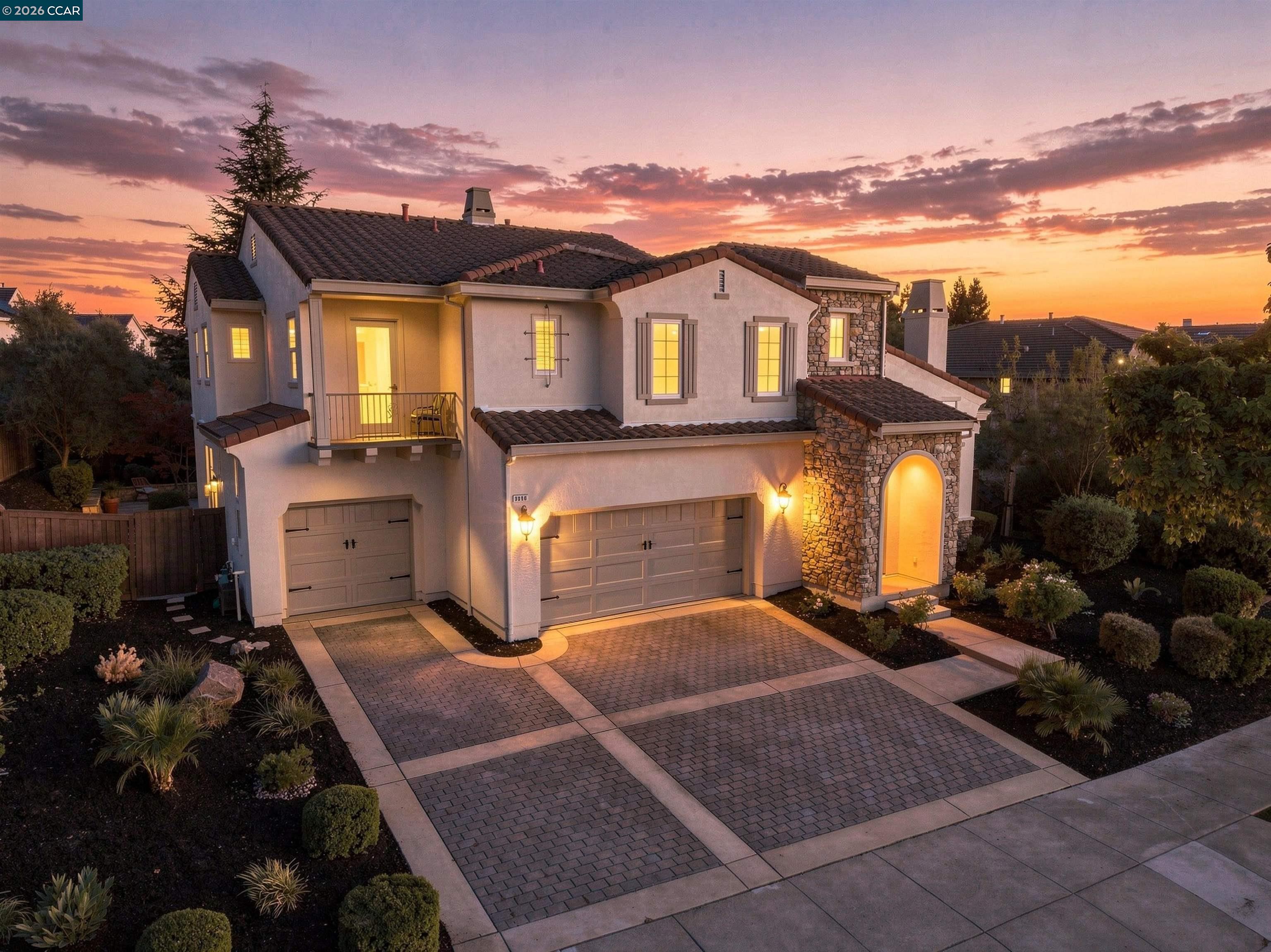
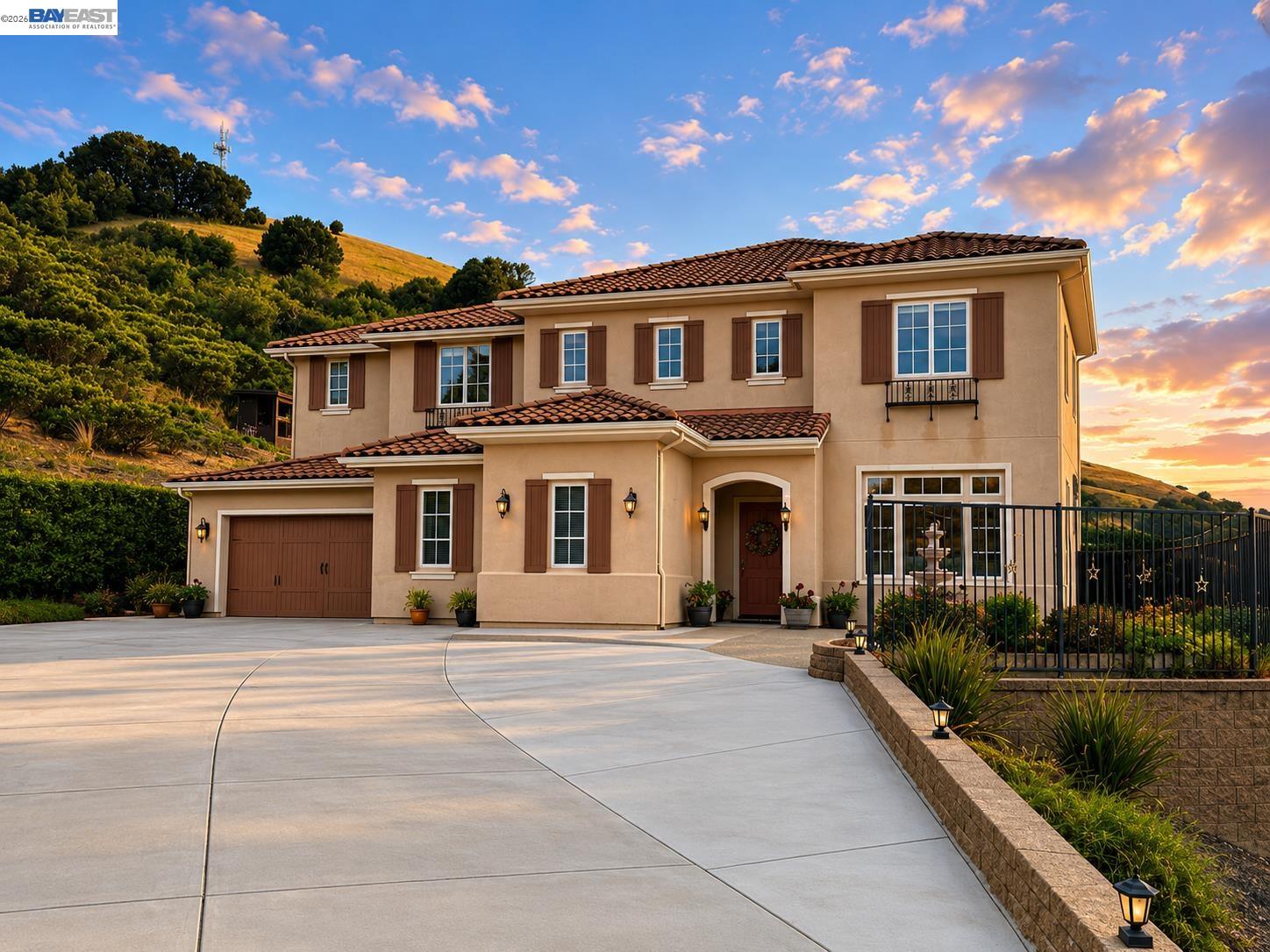
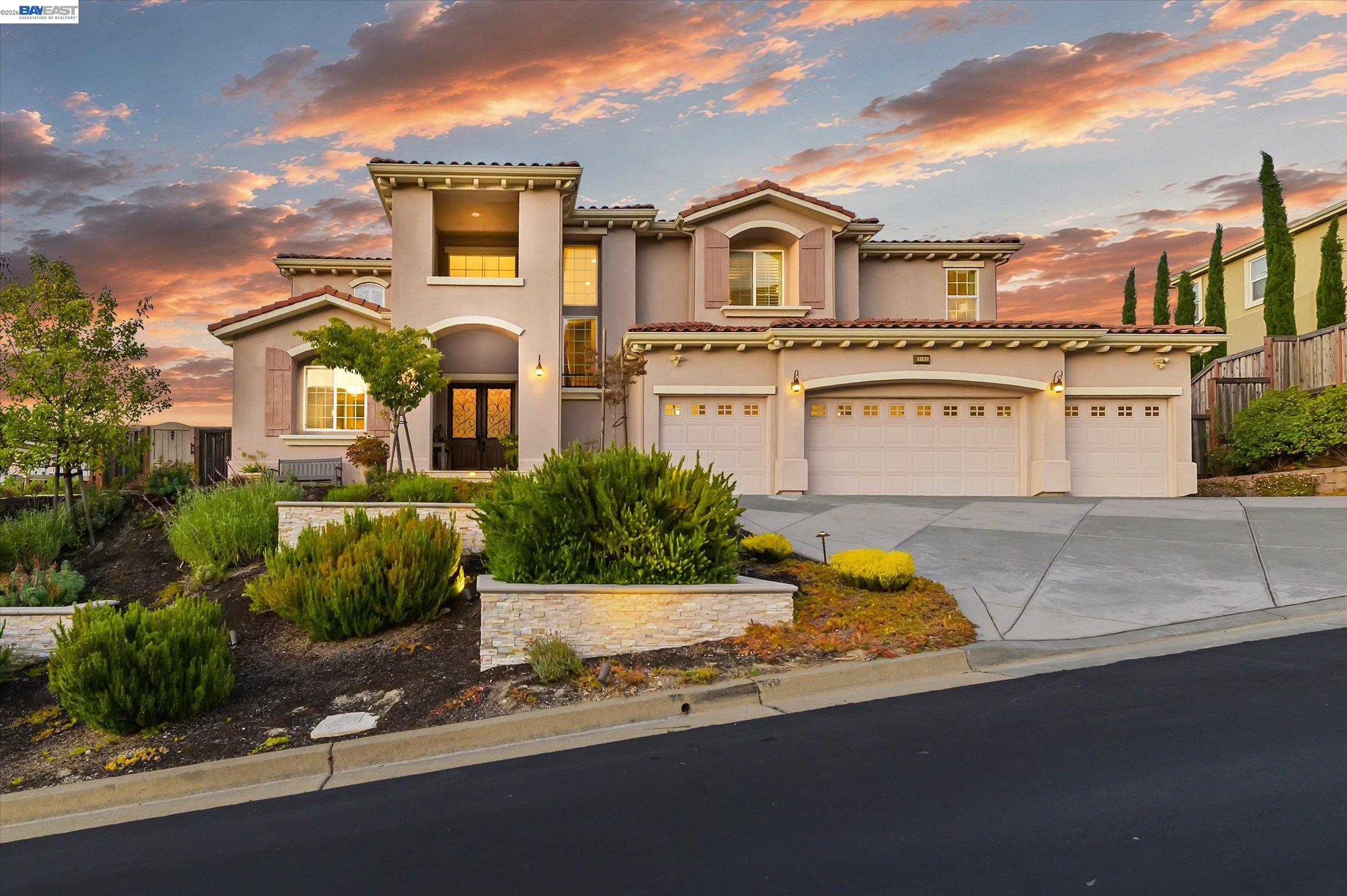
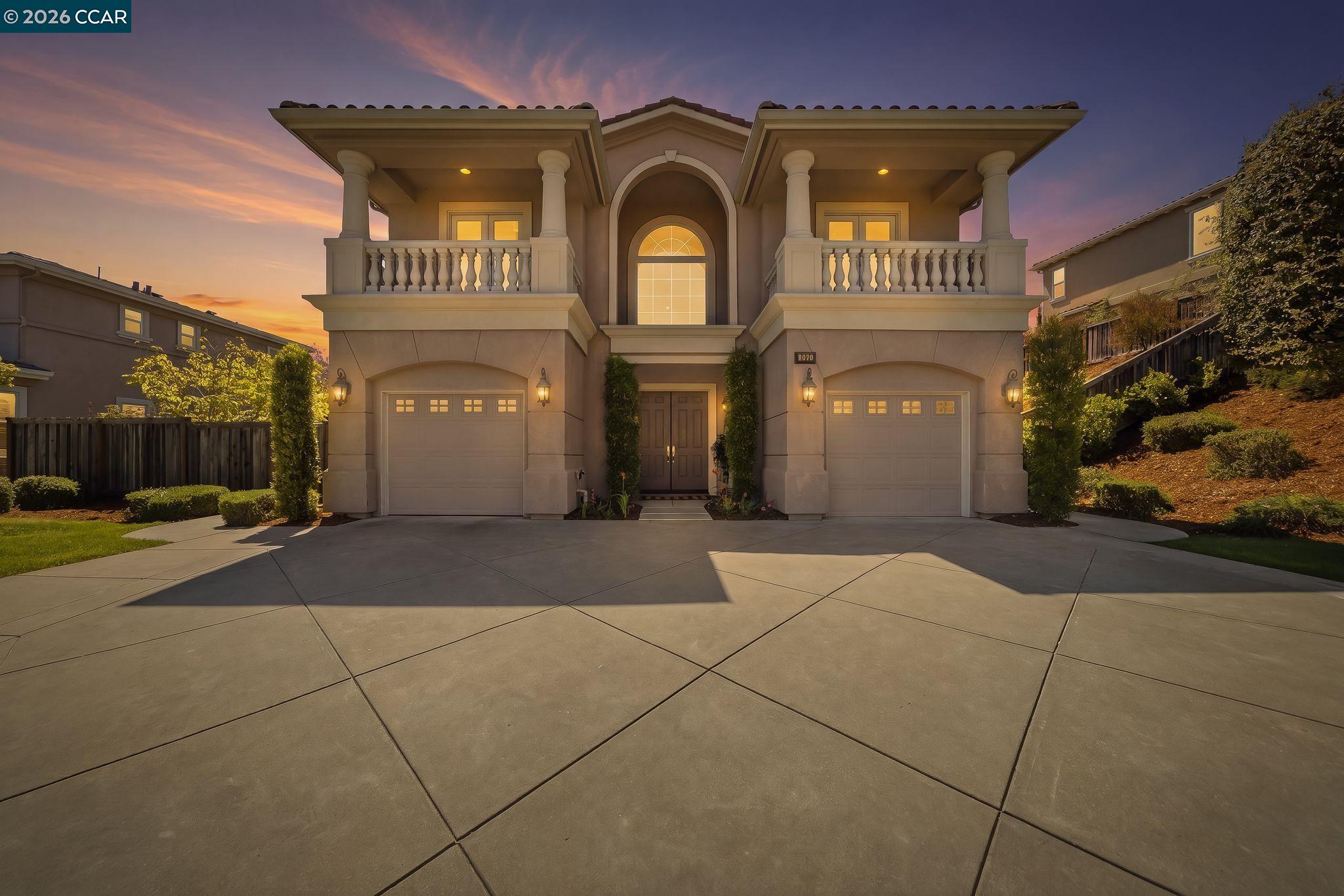
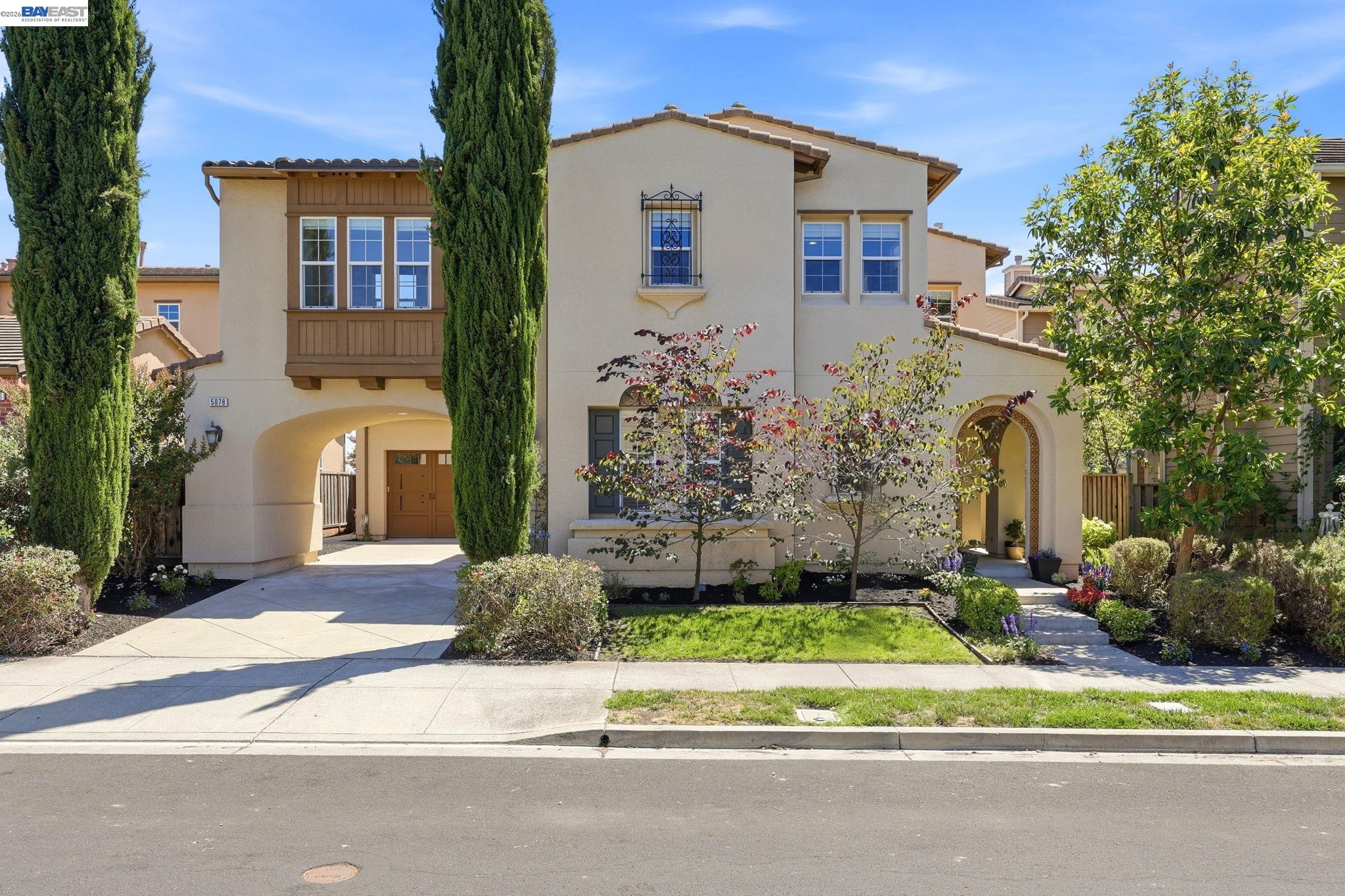
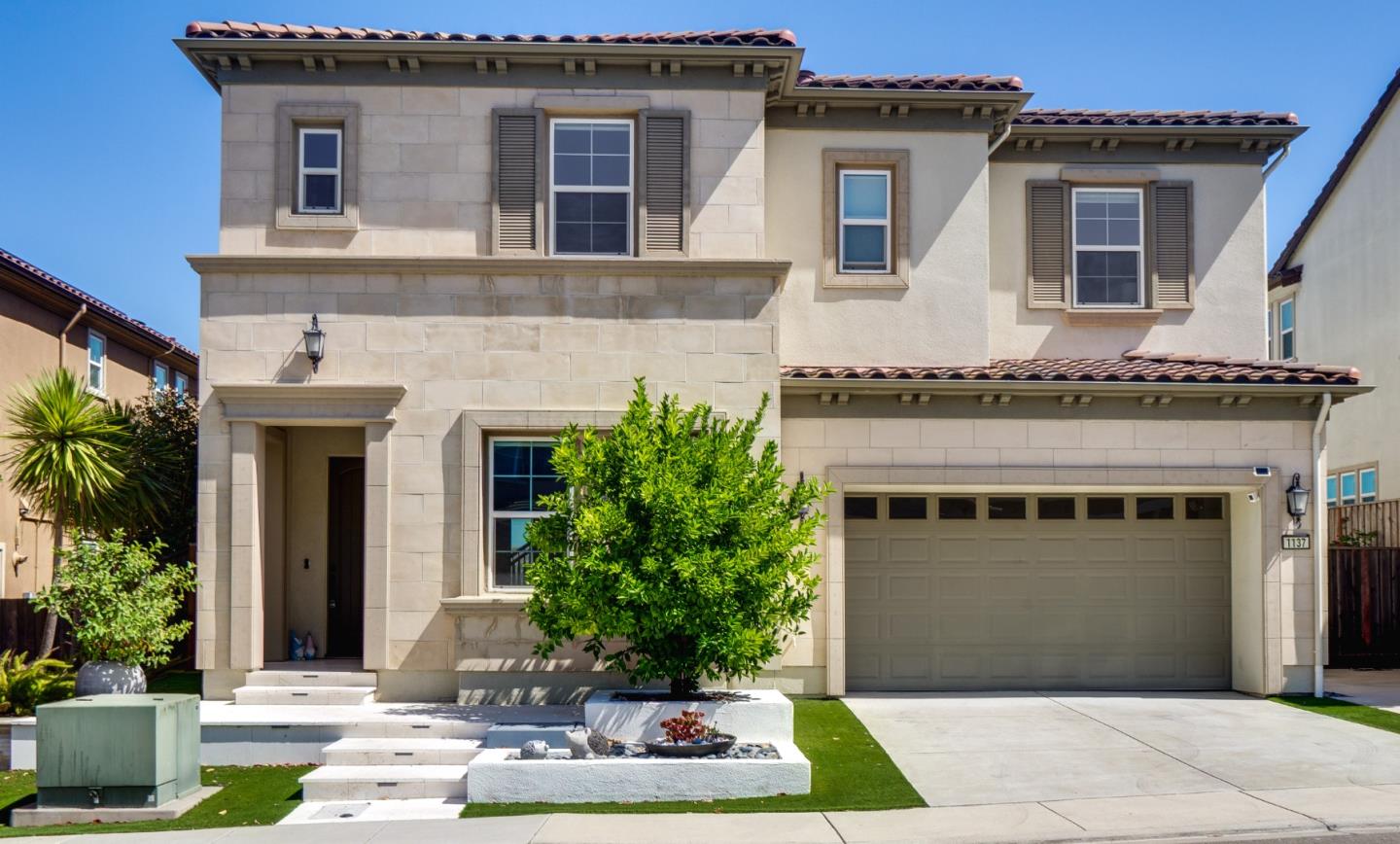
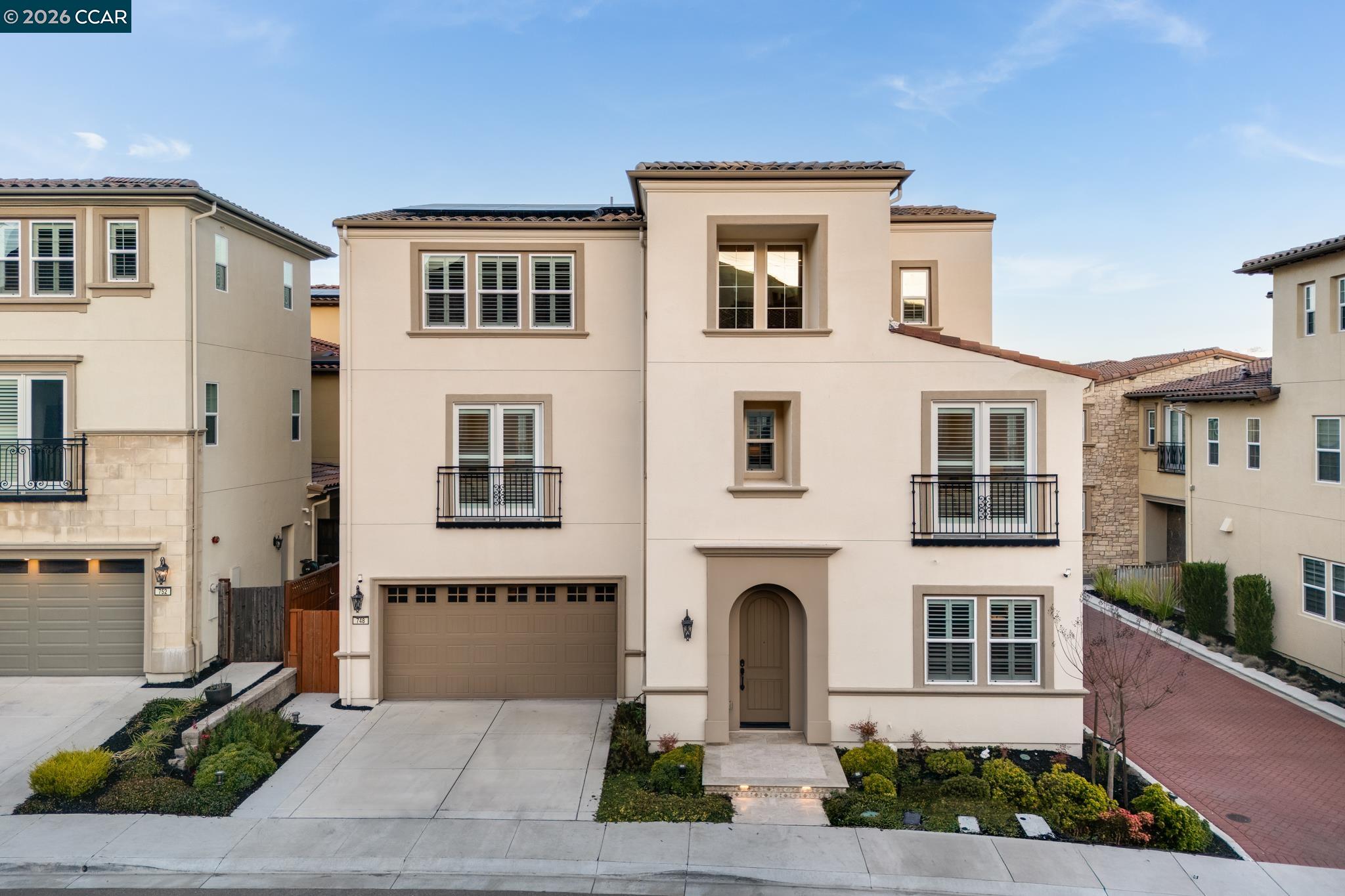
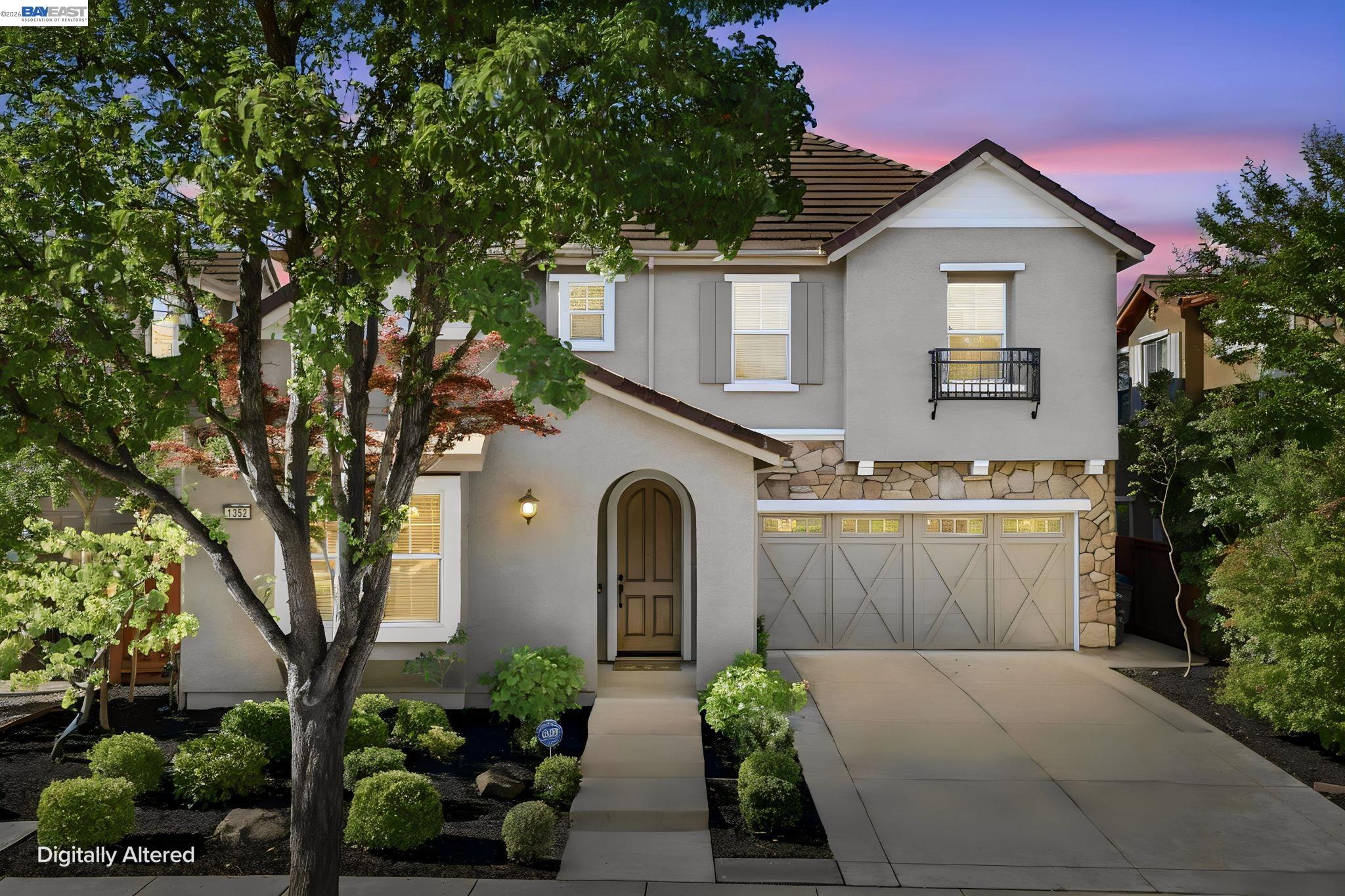
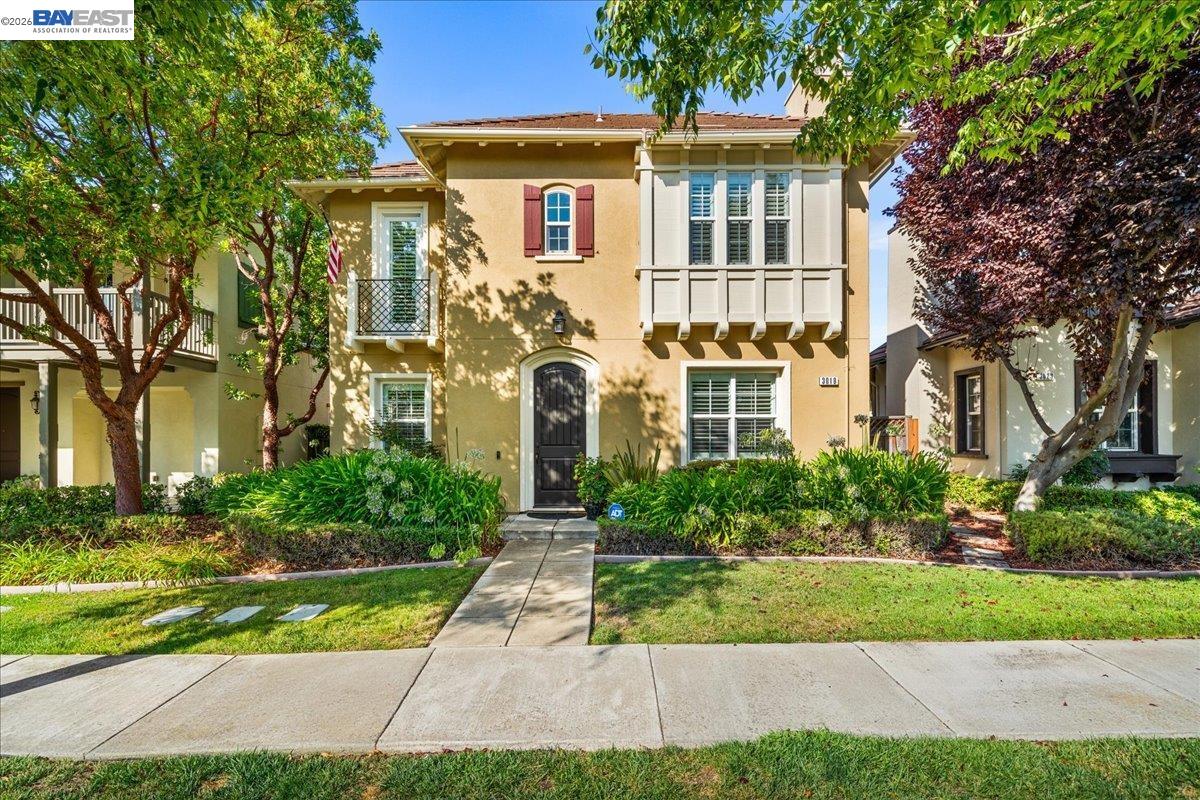
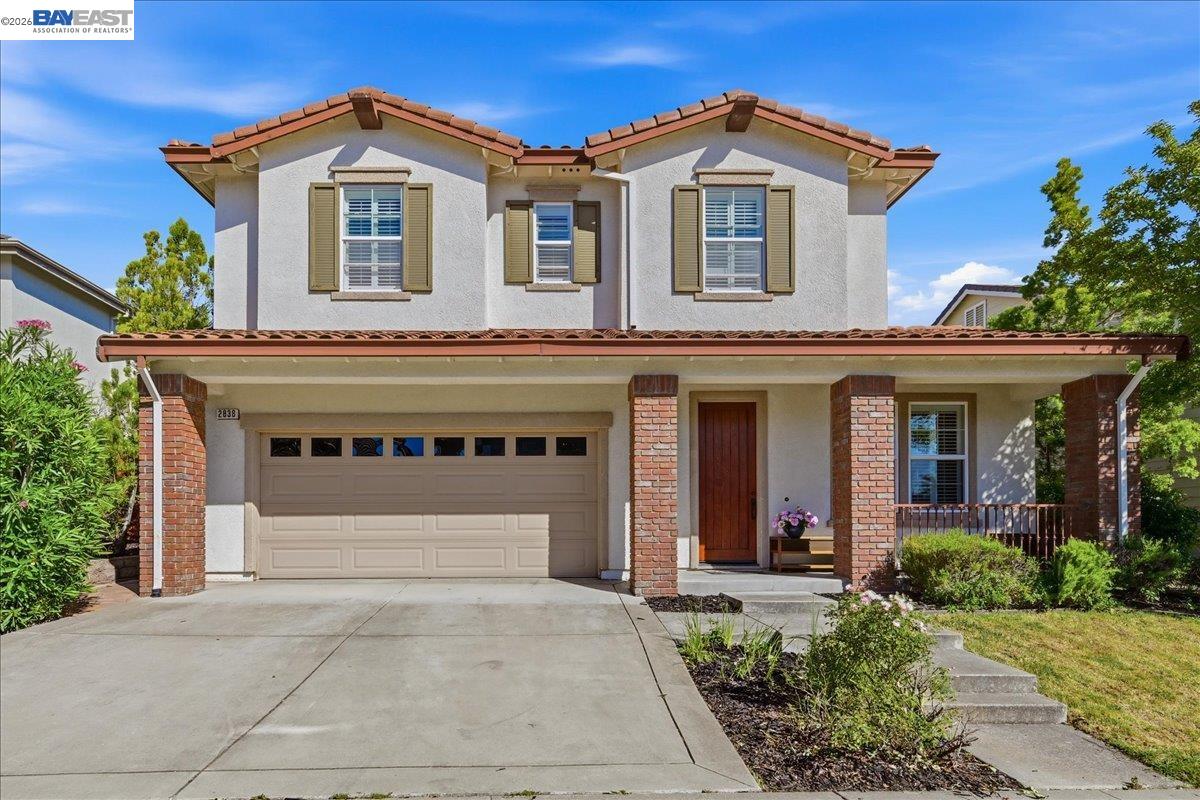
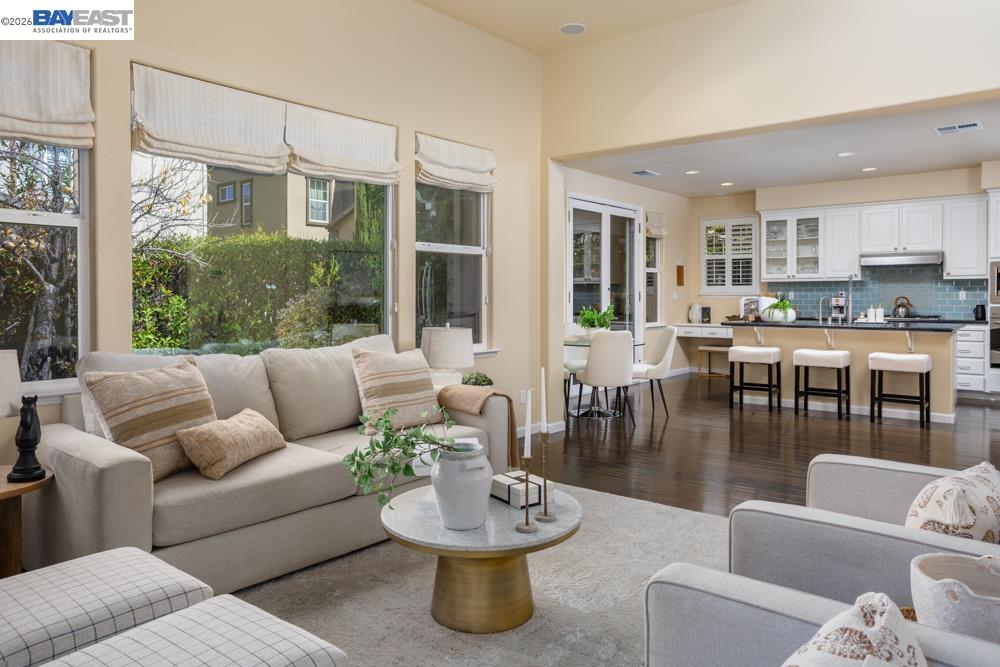
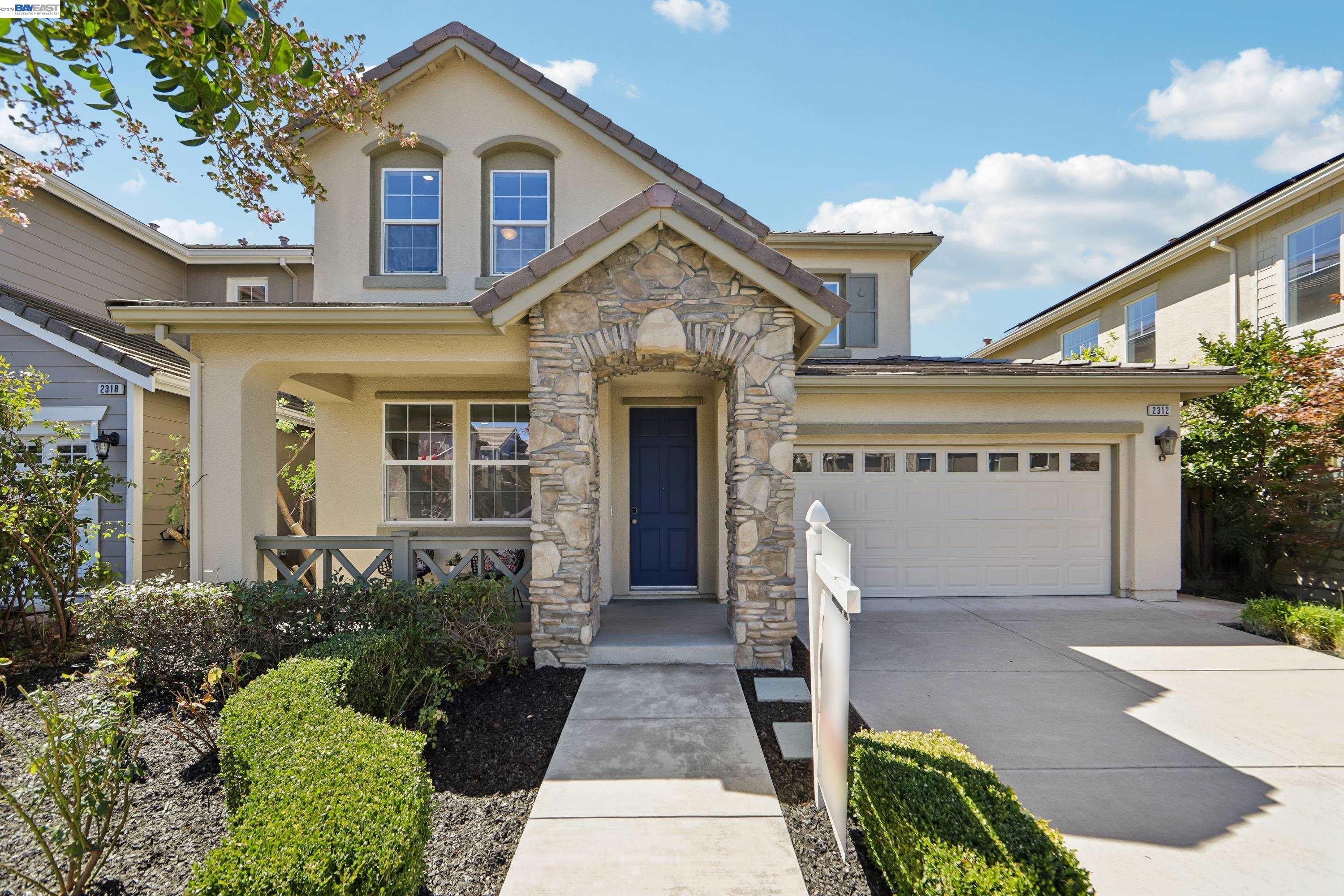
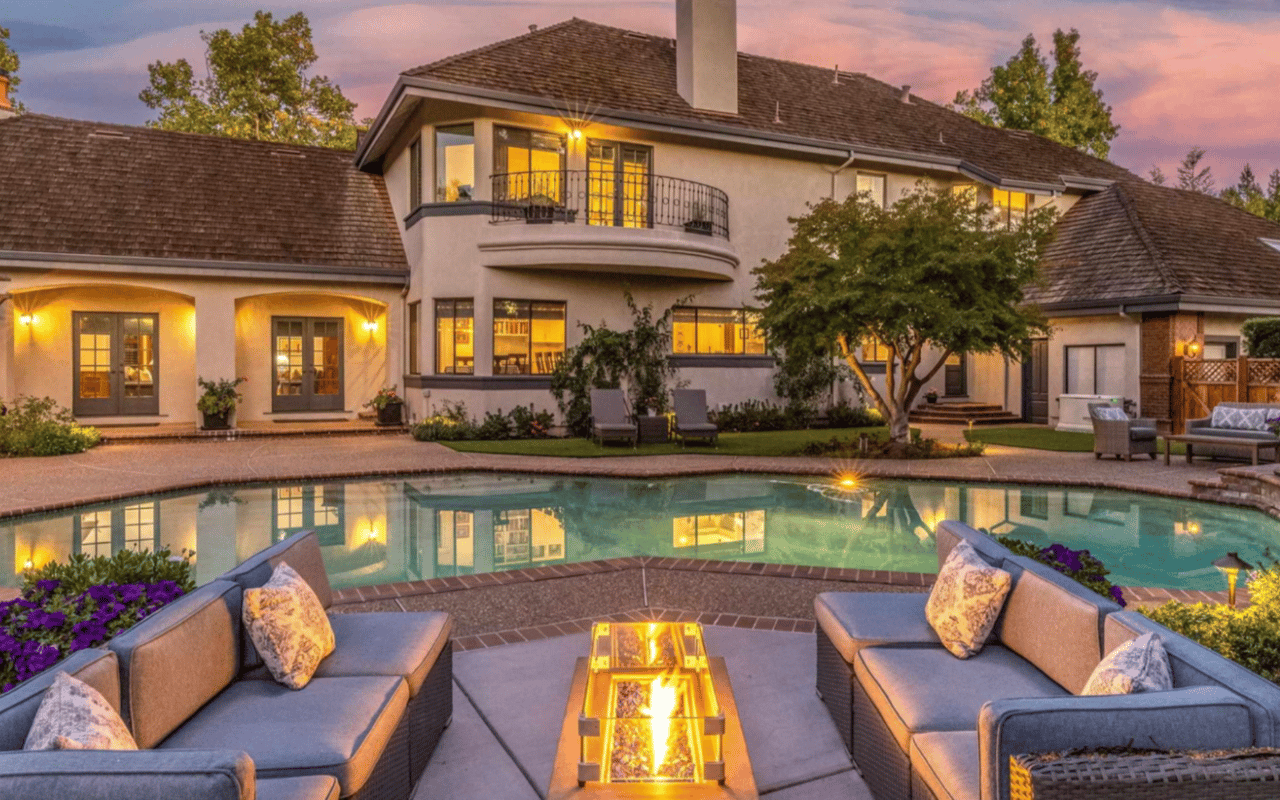
The dominant look across the city's executive neighborhoods is Contemporary Mediterranean and Spanish Revival, found throughout Gale Ranch, Windemere, The Bridges, and Norris Canyon Estates. These are multi-story homes with white or earthy stucco walls, red terracotta tile roofs, arched entryways, and wrought-iron detailing. Inside, builders like Toll Brothers leaned into volume—20-foot ceilings, grand entry halls, open-concept great rooms, and seamless transitions to covered outdoor loggias built for California's indoor-outdoor lifestyle.
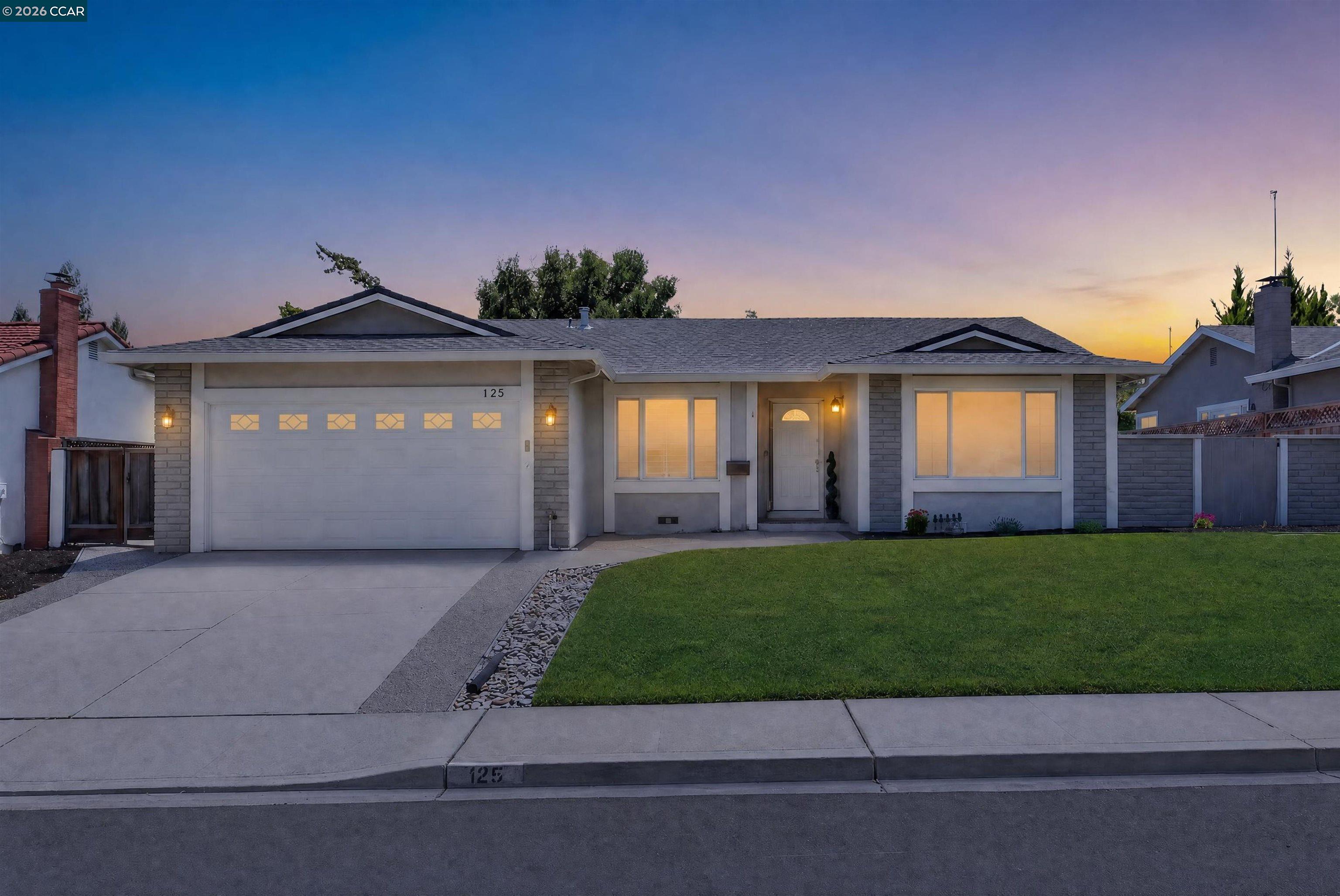
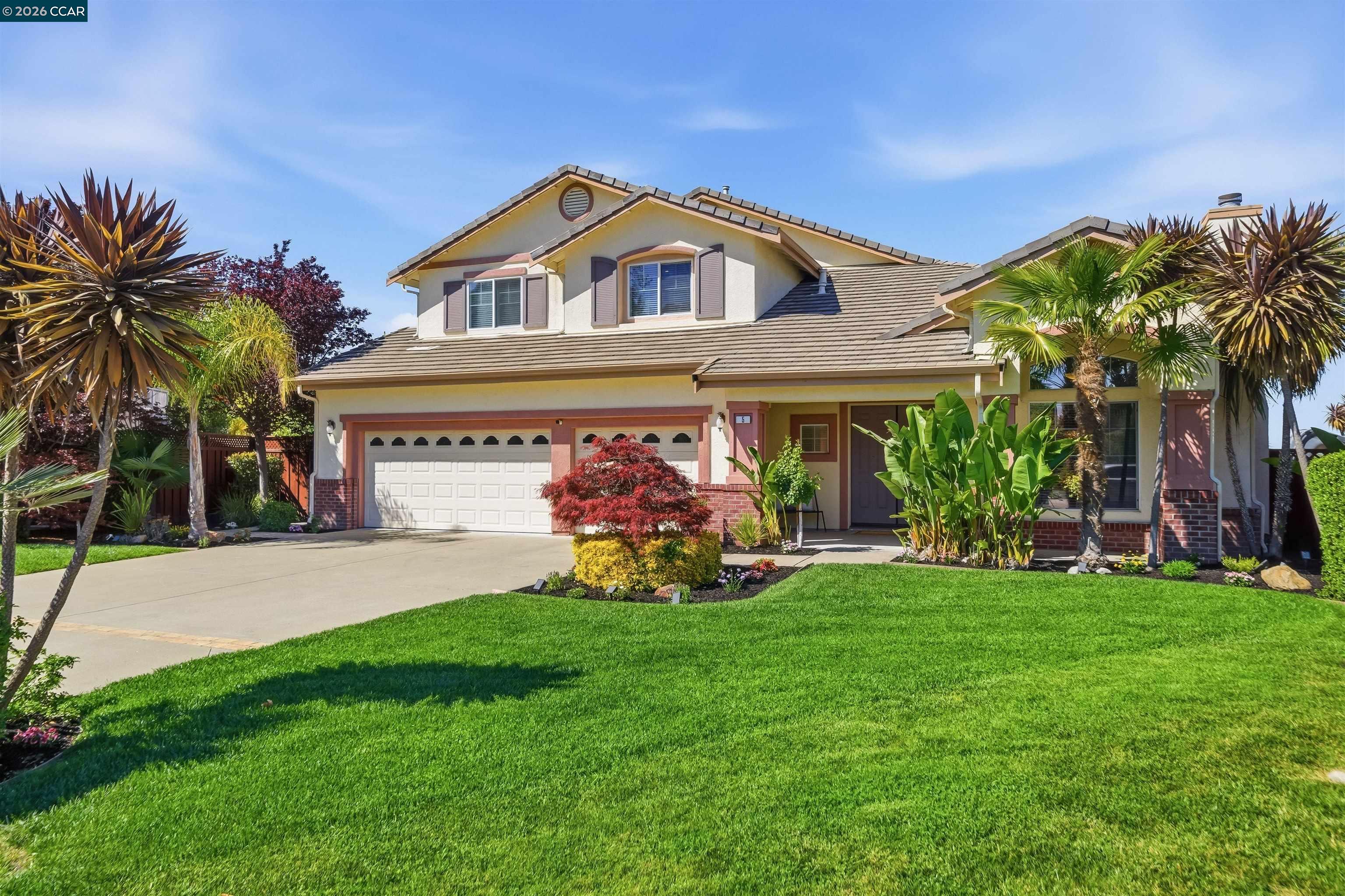
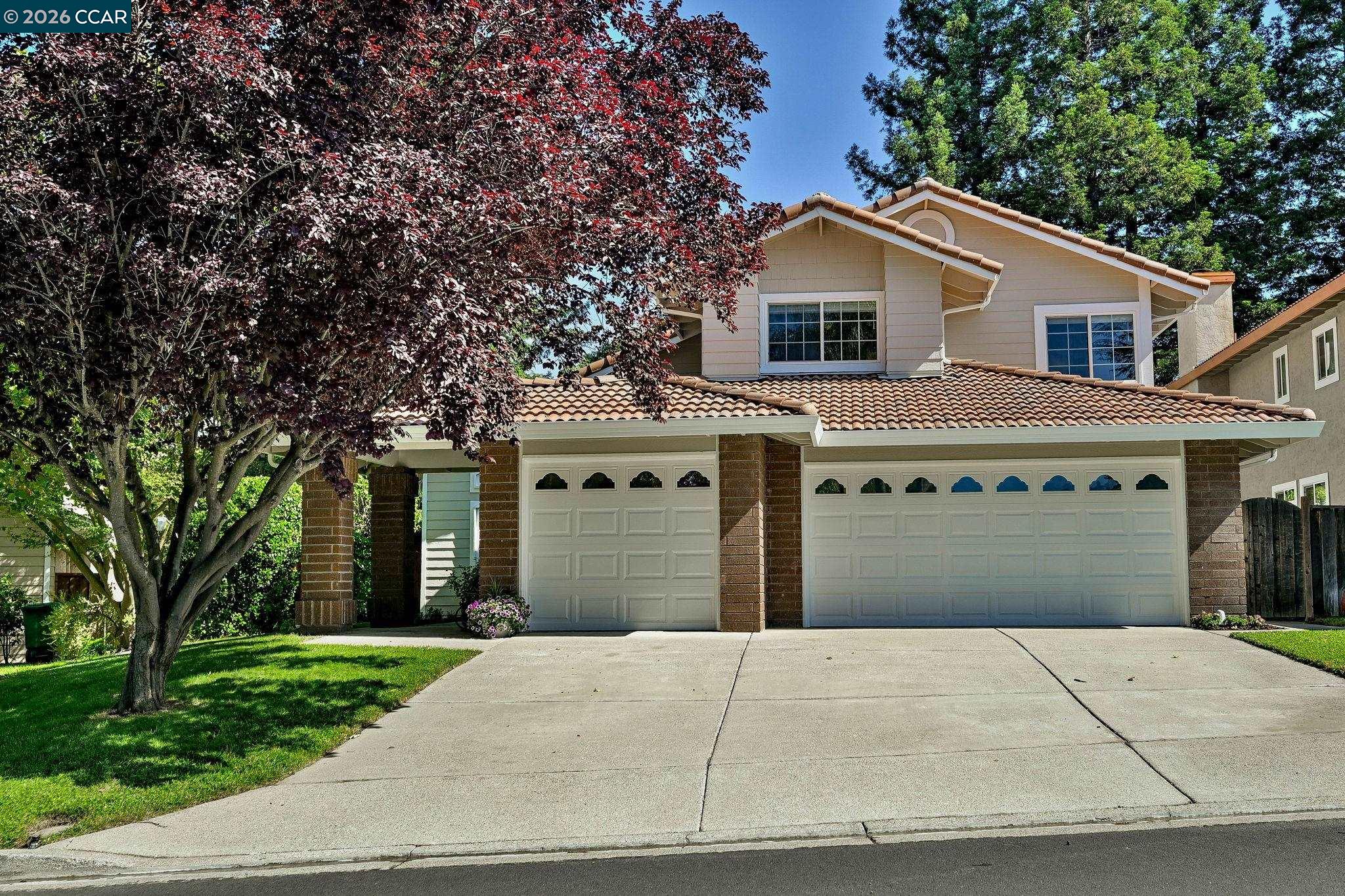
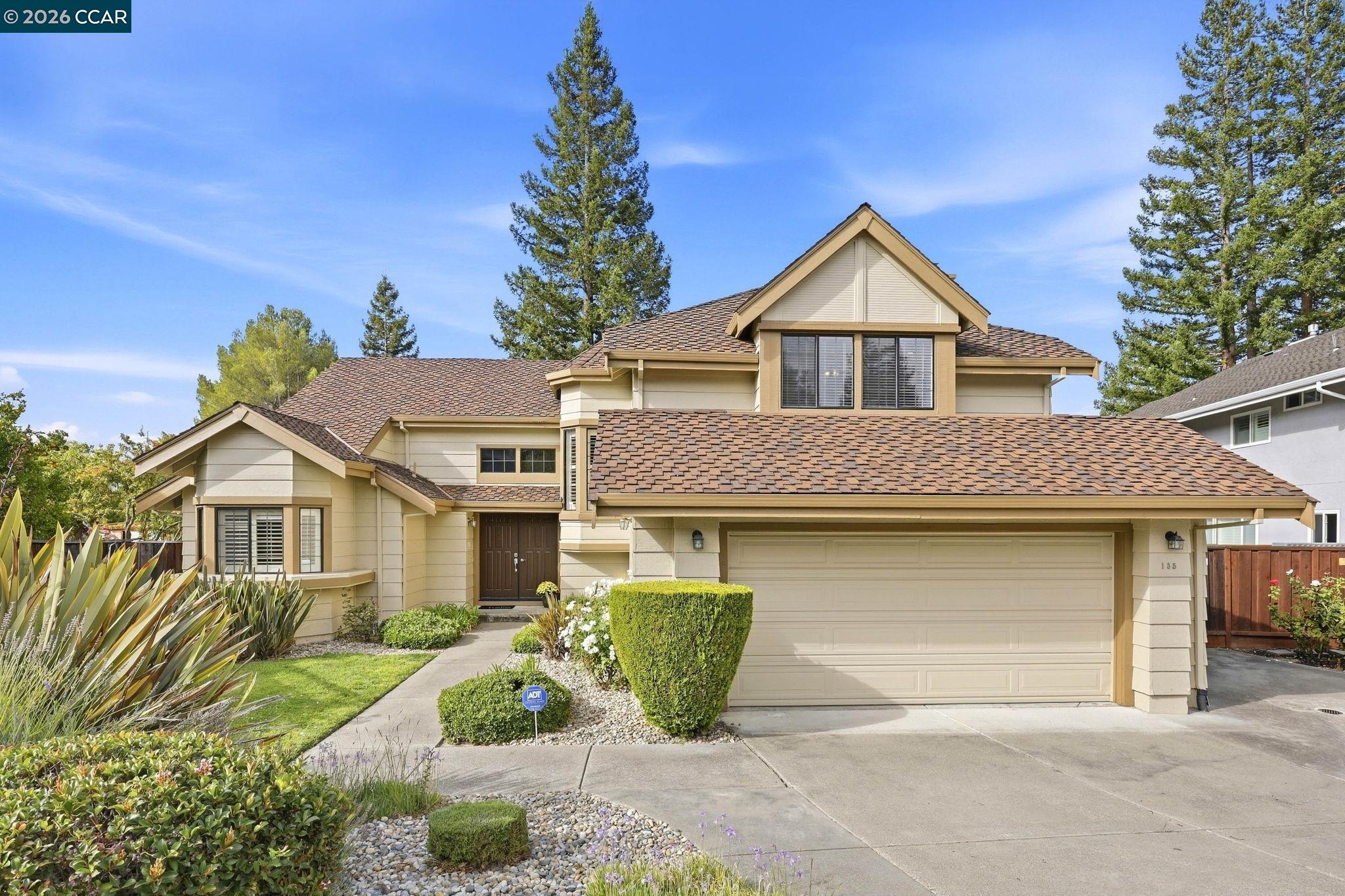
The city's older bones show up in its Mid-Century and Traditional California Ranch homes, concentrated in Twin Creeks, Bollinger Hills, and Montevideo. Built during the mid-to-late twentieth-century suburban boom, these homes favor single-story or split-level layouts, low-slung shingle roofs, wide wood or stucco siding, and street-facing two-car garages. They trade vertical drama for practicality, emphasizing larger backyards and functional, family-oriented spaces—a quiet favorite among step-up buyers who want room to breathe.
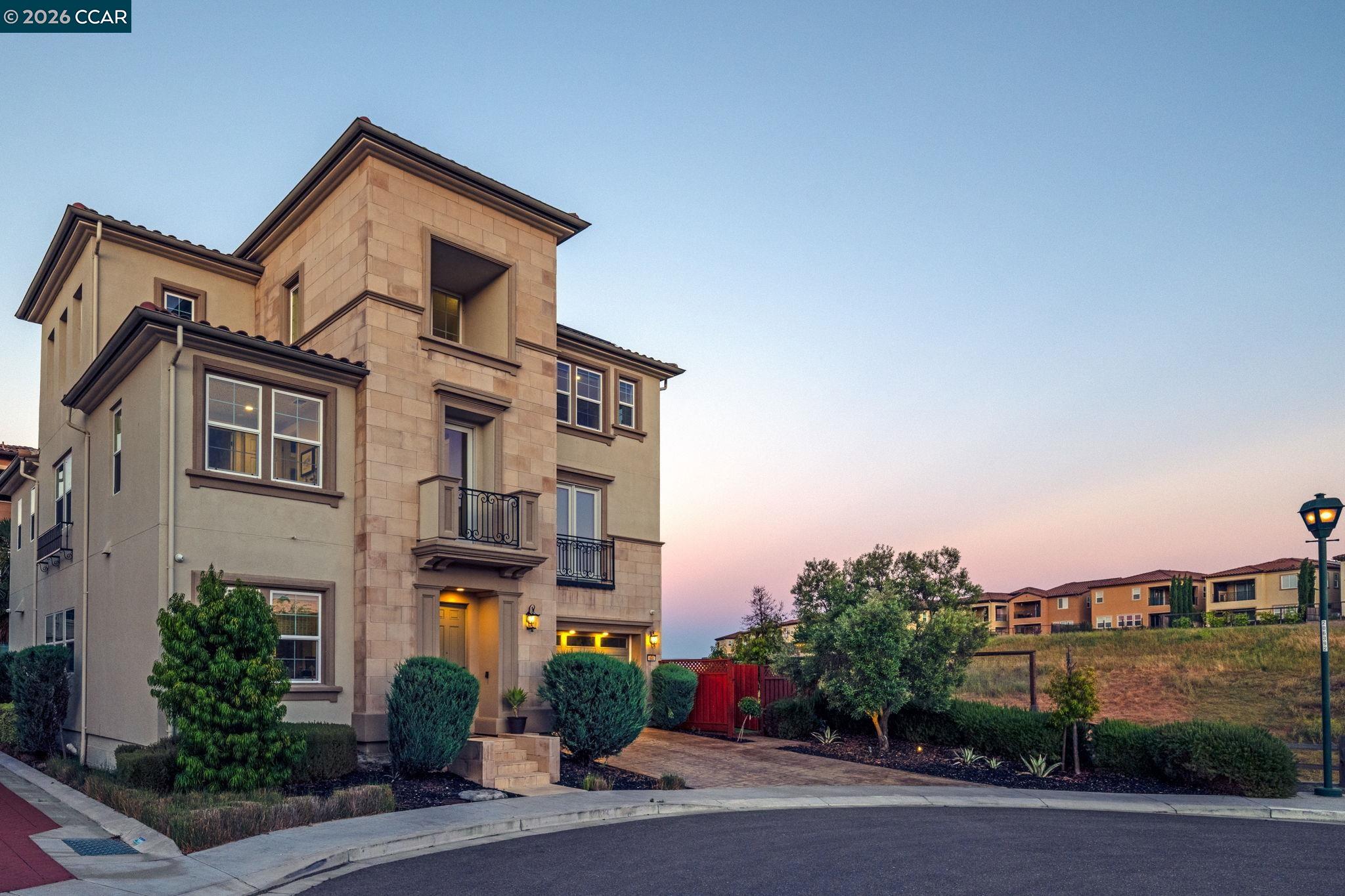
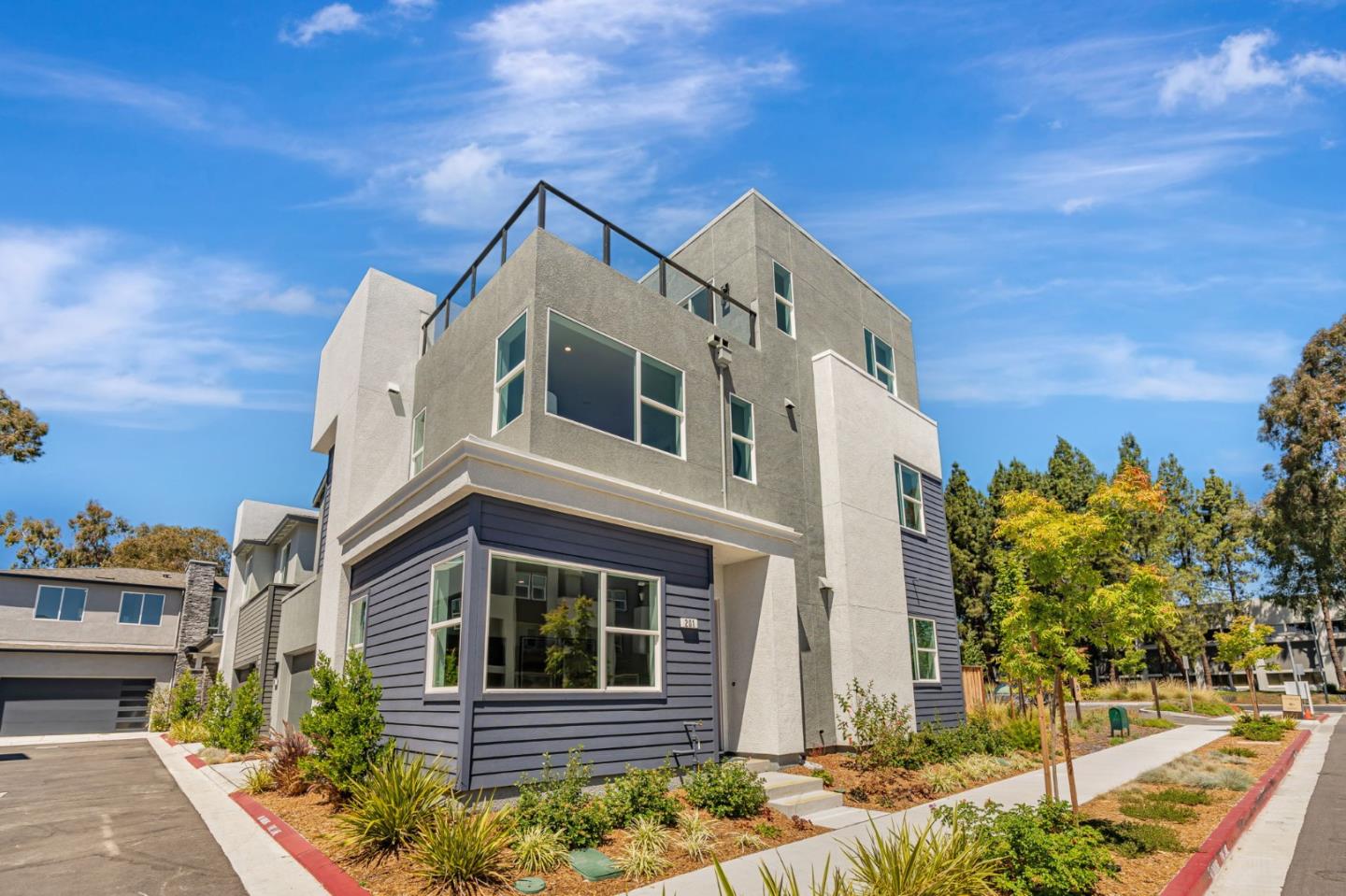
The newest chapter is being written in Modern High-Density Condos and Urban Flats, rising in The Preserve (Faria) and along the City Center / Bishop Ranch corridor. Responding to recent housing and urban-planning shifts, these 2020s projects introduce "Early California Contemporary" and Modern Farmhouse aesthetics. Designed by groups like KTGY, they feature clean geometric massing, flat roofs or sharp gables, mixed-material facades pairing wood paneling with dark metal trim, and three-story layouts that maximize vertical living space for buyers who want low maintenance and walkable proximity to downtown.
Schools and the San Ramon Valley Unified School District
If there is a single engine behind San Ramon real estate values, it is the public schools. The city is served by the San Ramon Valley Unified School District (SRVUSD), which consistently ranks among the very top public school systems in California—and buyers here treat school assignment as a core part of the purchase decision, not an afterthought.
The performance data explains the demand. The district's average testing ranks in the top 5% statewide, with students averaging roughly 71% math proficiency and 79% reading proficiency, dramatically outpacing California's statewide averages. SRVUSD is also a regular fixture on the California Distinguished Schools list; in 2026, seven of its secondary schools earned that top honor—the highest number of any single district in Northern California. Graduation rates hold steady at a remarkable 97%, and graduates feed heavily into the UC system, with UCLA, UC Berkeley, and UC San Diego among the top destinations.
At the high school level, the city is split between two prestigious and highly competitive institutions, and the boundary between them matters enormously for both lifestyle and resale.
Dougherty Valley High School (DVHS), on the newer east side, opened in 2007 to serve the Windemere and Gale Ranch developments. It offers massive, collegiate-style facilities and is known for its intense academic drive, high AP enrollment, and dominant STEM focus. California High School ("Cal High"), serving the more established central and western areas since 1973, is equally respected but brings deep-rooted traditions, comprehensive athletic programs, and an extensively modernized campus. Neither is a lesser choice—they simply attract different families, which is exactly why verifying a home's boundary assignment before you fall in love with it is essential.
Commute, Transportation, and Access to the Bishop Ranch Business Park
San Ramon does not have its own rail station, and yet it functions as one of the most efficient commuter hubs in the Tri-Valley. The reason is Bishop Ranch, a corporate master plan so large it reshapes how the entire city moves.
Spanning 585 acres along the I-680 spine, Bishop Ranch is a premier business park hosting more than 30,000 employees across multinational giants like Chevron, AT&T, and SAP, plus healthcare networks and the bustling downtown hub at City Center Bishop Ranch. For residents who work inside the park, the neighborhood design is so tight that a local commute of under 10 minutes is common—one of the genuine luxuries of living here.
For everyone commuting beyond the valley, the transit network organizes around the I-680 spine and splits into a few reliable pathways:
                  [ I-680 Commuter Spine ]
                             │
       ┌─────────────────────┼─────────────────────┐
       ▼                     ▼                     ▼
 [ Walnut Creek BART ] [ Transit Center ] [ Dublin/Pleasanton BART ]
   (15-20 mins North)    (Central Hub)      (10-15 mins South)
The I-680 corridor is the main artery, and to ease peak congestion, Contra Costa Express Lanes run southbound from Martinez down to Alcosta Boulevard and northbound on the return. From there, dedicated County Connection Express Buses handle the BART link: southbound routes like the 97X and 35 reach the Dublin/Pleasanton BART Station in 10 to 15 minutes, while northbound routes like the 95X and 96X connect to Walnut Creek BART in roughly 20 minutes. Commuters heading deep into the South Bay can take the 92X Express Bus to the Altamont Corridor Express (ACE) train in Pleasanton. Throughout the city, well-used park-and-ride hubs—including the San Ramon Transit Center on Executive Parkway, Bollinger Canyon Road, and the Dougherty Park & Ride—let residents leave the car and board express buses or vanpools seamlessly.
One perk worth knowing if you work in the park: Bishop Ranch employees qualify for a free BRECO Clipper bus pass, granting unlimited rides on all County Connection local and express routes—a small detail that reflects how deliberately this city engineers its commute.
Shopping, Dining, and City Center Bishop Ranch
For years, San Ramon relied on the standard suburban formula of strip malls scattered along San Ramon Valley Boulevard. That changed fundamentally with the arrival of City Center Bishop Ranch, and today the retail experience here is one of the city's genuine differentiators.
Designed by world-renowned architect Renzo Piano, City Center breaks away from the enclosed-mall model entirely. Its geometric glass-and-steel facade wraps around a central outdoor square, and it functions as San Ramon's de facto downtown. The center anchors the city's entertainment with a luxury LOT Cinema and flagship retail from names like Anthropologie, Nike, and Sephora. The dining skews upscale-casual and trend-forward, from staples like Mendocino Farms, Slapfish, and World Famous Hot Chicken to elevated rooms like The Slanted Door for modern Vietnamese and Marugame Udon.
What makes City Center matter to residents, though, is how it functions as a community living room. Its central piazza hosts farmers' markets, outdoor yoga, live acoustic music, and seasonal holiday festivals throughout the week, giving a master-planned suburb the kind of walkable gathering place that is genuinely hard to find in the outer Bay Area.
Everyday shopping stays refreshingly practical. Beyond City Center, pockets like the Shops at Bishop Ranch and the Dougherty Valley Market Place provide easy access to daily necessities—Whole Foods, Target, Trader Joe's, and Safeway are all close at hand no matter which part of the city you settle in.
Parks, Trails, and Outdoor Recreation
Because San Ramon sits in a natural valley basin, outdoor space is woven directly into the city's master infrastructure rather than tacked on as an afterthought. The city manages more than 50 community parks, and the planning is deliberate enough that nearly every residential neighborhood sits within a 10-minute walk of green space.
The structural backbone of all this is the Iron Horse Regional Trail. Built over an old Southern Pacific Railroad right-of-way, this multi-use paved path runs continuously across the valley, letting residents walk, run, or bike completely insulated from vehicle traffic. It connects homes directly to City Center, schools, and neighboring Danville and Dublin—a feature that quietly shapes daily life for families and cyclists alike.
Around that spine sit a handful of signature destinations. Central Park, next to the San Ramon Community Center, is the 40-acre recreational core of the city, with sports fields, a large splash park, illuminated tennis courts, and a skate park. Towering over the western ridge, Las Trampas Regional Wilderness offers rugged, challenging terrain favored by serious hikers and equestrians, opening to panoramic views of the Bay Area and Mount Diablo. For a slower pace, Forest Home Farms Historic Park preserves 16 acres of the city's agricultural roots, complete with the historic Boone House and antique tractor displays. And the San Ramon Olympic Pool & Aquatic Center serves both competitive high school swim teams and families looking to cool off through the hot Tri-Valley summers.
Community Life, Events, and Amenities
San Ramon pairs its corporate efficiency with a genuinely structured community calendar—the kind of civic life that turns a collection of neighborhoods into a town people feel loyal to.
The flagship event is the Art & Wind Festival, held at Central Park over Memorial Day weekend. The sky fills with massive professional kite-flying demonstrations while the ground hosts hundreds of local art vendors, three stages of live entertainment, and food pop-ups. Through July and August, Summer Concerts in the Park draw families to the Central Park amphitheater on Sunday evenings with picnics, lawn chairs, and free live music spanning jazz, classic rock, and pop. Autumn brings the Run for Education, a health-focused tradition that draws thousands of runners and serves as a major fundraiser for the San Ramon Valley Education Foundation, and the Culture in the Community Celebration, which highlights the city's diverse demographic makeup through international dance, global cuisine, and cultural exhibits.
Backing all of this is a strong set of civic amenities. The San Ramon Community Center and Alcosta Senior Center run hundreds of city-sponsored classes, from youth digital arts camps to adult pottery workshops to senior fitness programs. The Dougherty Station and San Ramon libraries extend well beyond books, doubling as active community spaces for early childhood literacy groups and teen STEM workshops. Taken together, these programs are a big part of why families who move to San Ramon tend to put down deep roots.
Cost of Living and What to Expect Financially
There is no gentle way to say it: living in San Ramon comes with a steep financial premium. The city's overall cost of living sits roughly 76% above the national average, placing it among the pricier suburbs in the outer Bay Area. Understanding these numbers honestly is part of buying here wisely, so here is the realistic breakdown.
Expense Category | Local Reality & Baseline Data |
|---|
Housing | ~155% above the national average. With median prices around $1.5M–$1.6M, a typical monthly mortgage runs $7,500–$10,000 depending on down payment. Detached single-family rentals generally command $4,200–$6,000+ per month. |
Utilities & Energy | ~47% above the national average. Electricity comes via PG&E, with residential rates around $0.39 per kWh—nearly double the U.S. average. A hot summer month running central A/C can push electric bills past $400–$600. |
Taxes | Combined sales tax of 9.75%. Base property tax runs ~1.1%–1.25%, but newer developments like Windemere and Gale Ranch carry additional Mello-Roos/GHAD assessments, pushing effective rates closer to 1.6%–1.8%. |
Groceries & Goods | ~12% above the national average. Premium options like Whole Foods drive budgets up, though nearby Costco and Trader Joe's help offset everyday costs. |
To put it in practical terms: comfortably affording a median single-family home, covering regional childcare (roughly $1,500+ monthly per child), absorbing summer utility surges, and still saving effectively generally calls for a household income in the $250,000 to $300,000+ range. It is a serious commitment—but for the families who make it, the return comes in the form of schools, stability, and a community that holds its value through market cycles.
Who San Ramon Is Right For: Buyer Profiles
San Ramon does not attract speculative buyers. It draws analytical, long-term owners looking for structural stability, and over decades of working this market, the buyer pool tends to sort into three recognizable archetypes. Knowing which one you are makes the search dramatically more efficient.
The School-First Relocator is often a family moving from a dense urban center—San Francisco, San Jose, or an out-of-state tech hub—specifically to enter SRVUSD. These buyers prioritize exact neighborhood street mapping above almost everything else, willing to compromise on lot size or pay a premium to secure a specific feeder track like Dougherty Valley High or California High. They gravitate toward Windemere, Gale Ranch, and Twin Creeks.
The Executive Hybrid Worker is typically a mid-to-senior professional working at a Silicon Valley corridor, a San Francisco financial firm, or inside Bishop Ranch itself, in the office two or three days a week. These buyers value square footage over a short commute and look for large, multi-story floor plans with a dedicated home office, updated kitchens, open great rooms, and minimal yard maintenance. The Bridges, Canyon Lakes, and the modern urban flats near City Center suit them best.
The Tri-Valley Step-Up Buyer is a local family currently in an entry-level townhome or condo in Dublin or Livermore, ready to upgrade to a long-term detached home. They prioritize generous lots, space between neighbors, relaxed HOA rules, and established neighborhood character—which points them toward Bollinger Hills, Alcosta Heights, and Norris Canyon Estates.
Buying and Selling Strategy in the San Ramon Market
The San Ramon market has shifted away from the unchecked bidding wars of the early 2020s into a more analytical, balanced environment. Pricing precision and property presentation now dictate outcomes on both sides of the deal, and the tactics that win here are specific to this market.
For buyers, the first reality is the 2026 conforming loan limit of $1,249,125 in Contra Costa County. With median detached homes pushing past $1.6M, staying at or below that limit requires roughly 18% to 20%+ down, so financing should be fully underwritten before you enter negotiations—clean, fast closing terms are a real edge. Beyond financing, there is opportunity in imperfection: beautifully staged, move-in-ready homes still sell fast, but listings needing even minor cosmetic updates like dated carpet or older cabinetry face buyer resistance and sit longer, creating room to negotiate price reductions or seller-paid rate buy-downs. And always isolate school boundaries early—cross-reference the district's official boundary maps before drafting an offer, because a single street can shift a home's school assignment and its long-term resale velocity.
For sellers, the discipline is pricing for the first 14 days. Buyers here are data-driven and quick to resist aspirational numbers; a correctly priced San Ramon home generally goes under contract within 15 to 20 days, while hitting Day 45+ signals that a discount is coming. To command top dollar, lean heavily into preparation—light neutral paint, high-end fixtures, and professional staging that emphasizes open space and outdoor functionality. Finally, disclose upfront: providing complete home, roof, and pest inspection reports digitally ahead of your offer deadline removes a buyer's fear of the unknown and is the fastest way to elicit clean, non-contingent offers.
Work With a San Ramon Real Estate Expert
Buying or selling in San Ramon rewards deep local knowledge—the kind that knows which side of a street feeds into which high school, how Mello-Roos assessments shift a monthly payment, and how to price a home to move in the first two weeks. That is exactly the expertise Joujou Chawla brings to every client. With 42 years of California real estate experience, over $2.1 billion in lifetime sales, and more than 1,535 homes transacted, Joujou has built a reputation as one of the East Bay's most trusted advisors, ranked the #1 agent in Blackhawk from 2013 to 2025 and the #1 agent in Danville from 2022 to 2025. Whether you are relocating for the schools, upgrading from a starter home, or preparing to list a longtime family residence, Joujou Chawla Real Estate offers the strategy, market insight, and hands-on guidance to help you make one of life's biggest decisions with confidence. To start the conversation, reach out at (510) 406-4836, email [email protected], or visit chawlarealestate.com.