Welcome to Livermore, CA
Most people discover Livermore by accident — a wedding at a vineyard, a Saturday drive over the Sunol Grade, a job offer at one of the national labs — and then quietly start looking at homes. That progression tells you most of what you need to know about the city. It rewards people who slow down long enough to notice it.
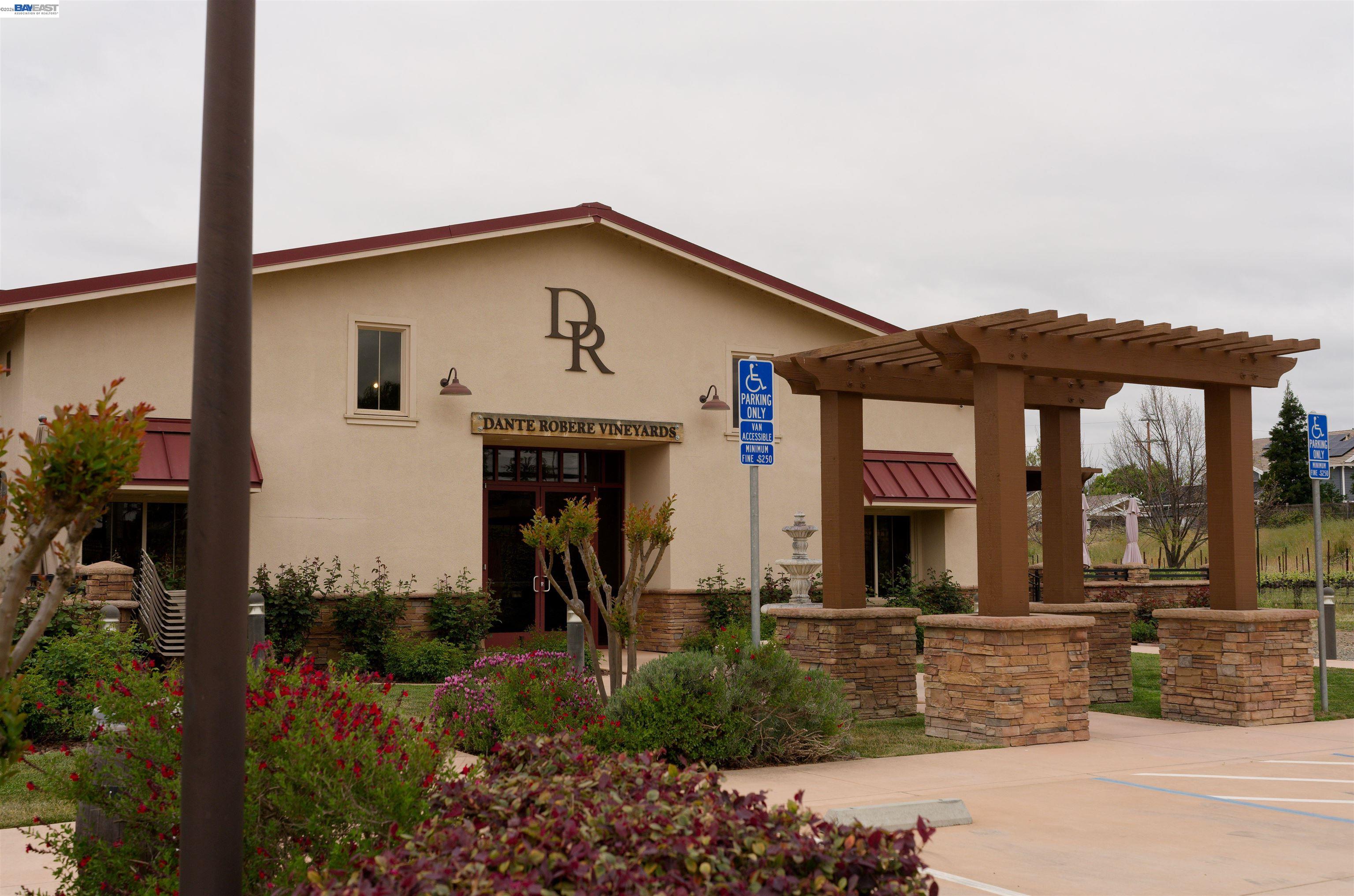
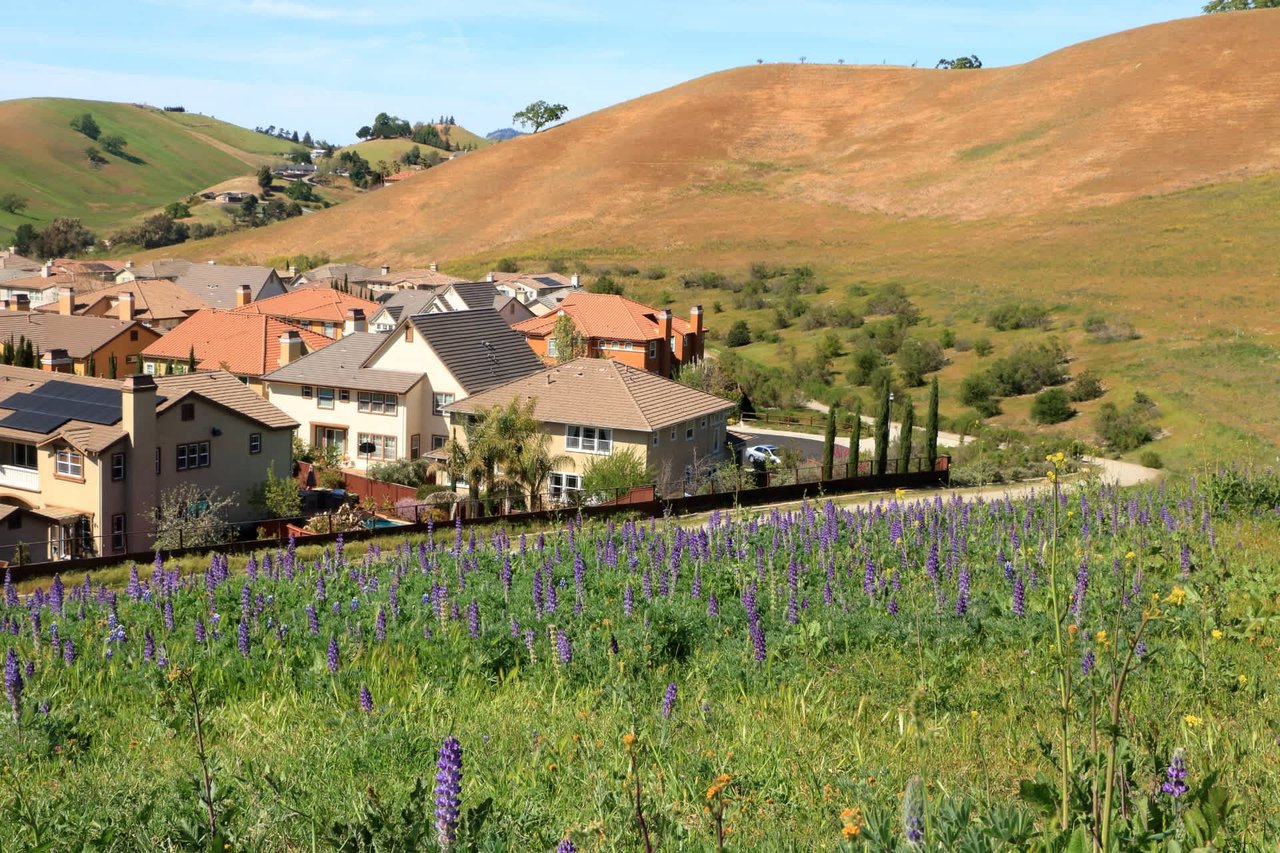
Livermore sits at the easternmost edge of the San Francisco Bay Area, and it carries an unusual combination of identities that rarely coexist this comfortably. It is California's oldest wine region, with Robert Livermore having planted commercial grapes here in the 1840s, decades before Napa or Sonoma entered the national conversation. Today more than fifty wineries operate in the valley, from heritage producers like Wente and Concannon to small family vineyards, and that agricultural backbone gives the town a rustic-but-refined character you don't find in newer Tri-Valley suburbs.
At the same time, the eastern side of the city houses two of the most significant scientific institutions in the country: Lawrence Livermore National Laboratory and Sandia National Laboratories. The result is a community of roughly 86,000 residents that is unusually affluent, highly educated, and grounded in engineering and research rather than in the boom-and-bust cycles of pure tech. That stability shows up in the housing data. Owner-occupancy runs around 72 percent, and the average resident stays in their home about twelve years — one of the longest tenures anywhere in the Bay Area. People don't pass through Livermore. They put down roots.
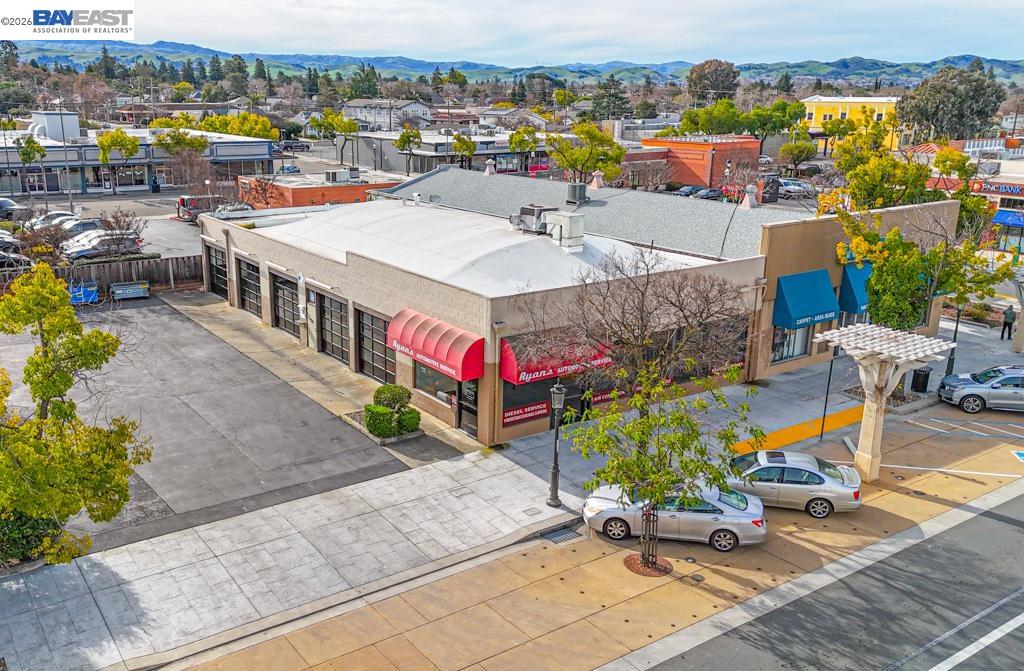
The third piece is the downtown, anchored along First Street, which has become one of the most genuinely walkable and culturally active districts in the East Bay. Between the wineries, the labs, and a thriving urban core, Livermore offers something rare: a suburb with a real center of gravity.
The Livermore Housing Market: Pricing and Trends by Segment
Livermore is, by any reasonable measure, a strong seller's market, and the reason is structural rather than seasonal. The city is bounded by hard geographic limits and strict urban growth boundaries, which means very little new construction enters the supply. Pair that constrained inventory with steady, well-funded demand from lab professionals and migrating Silicon Valley workers, and you get a market that stays competitive through almost any interest-rate environment.
As of now, the citywide median sale price sits in the $1.1 to $1.15 million range. Well-priced homes move fast — typically going under contract in 11 to 13 days — and frequently close above asking, with a sale-to-list ratio hovering around 101.5 percent. That headline number, though, hides a market that behaves very differently depending on which segment you're shopping.
Here is how the four core segments break down:
| Segment |
Typical Price Range |
What Drives It |
| Detached single-family |
$950K – $1.6M+ |
The contested core; families chasing space and top schools |
| Luxury / estate (South Livermore) |
$1.8M – $3.5M+ |
Custom estates, acreage, vineyard views |
| Townhomes & condos |
$550K – $850K |
Entry point for first-timers and lab professionals |
| Rentals |
~$2,900/mo average |
Premium driven by affluent local demographic |
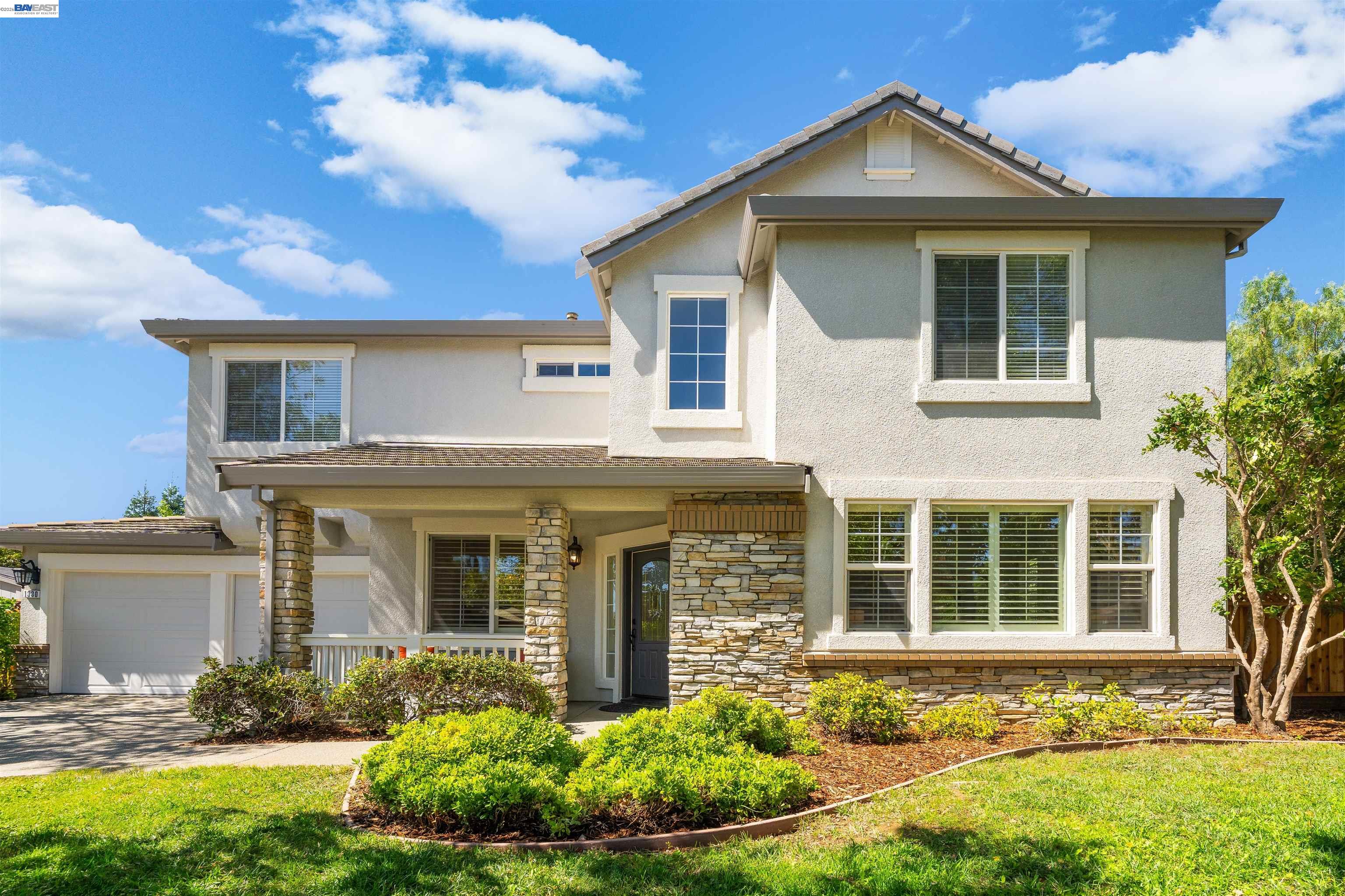
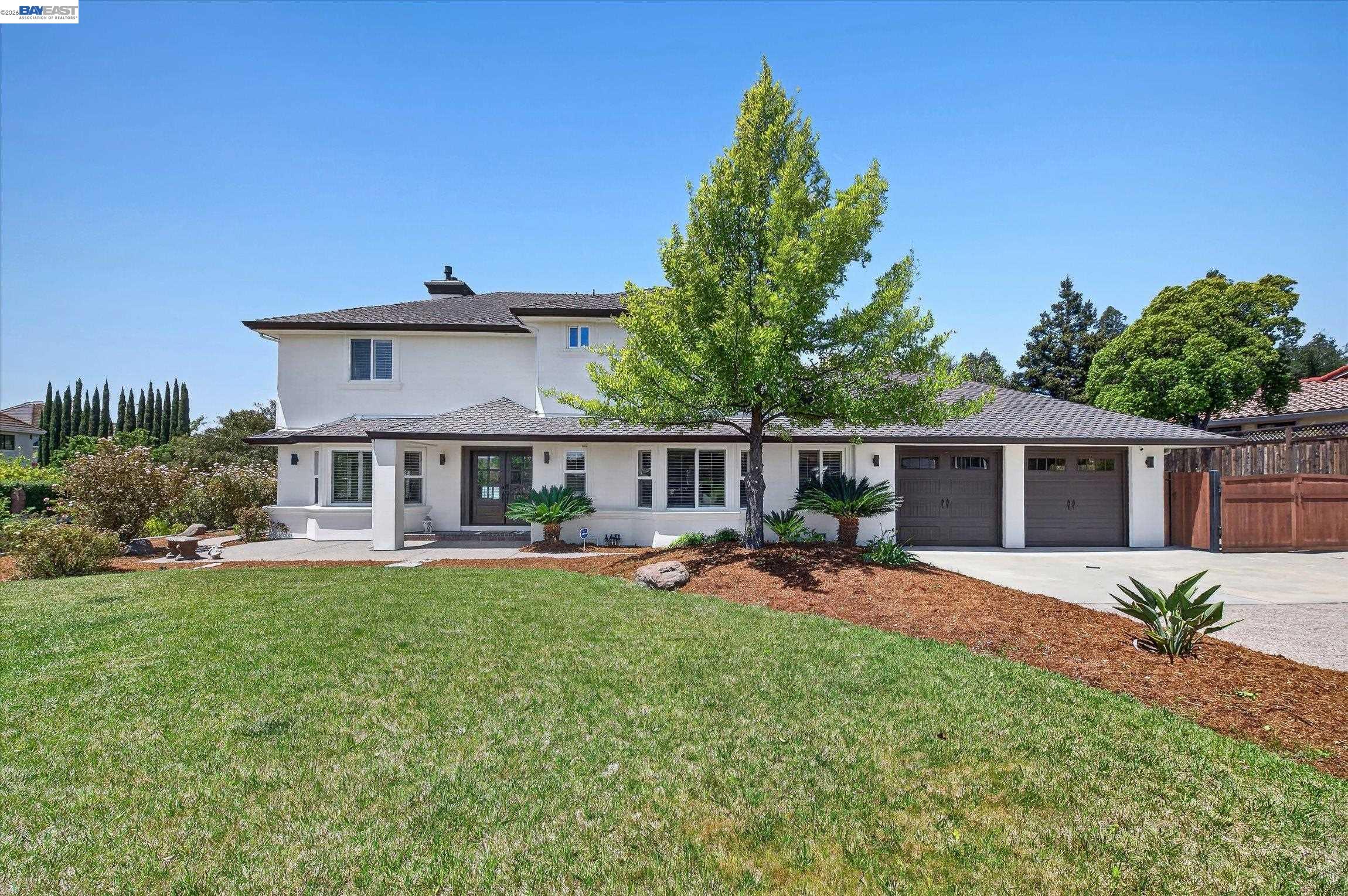
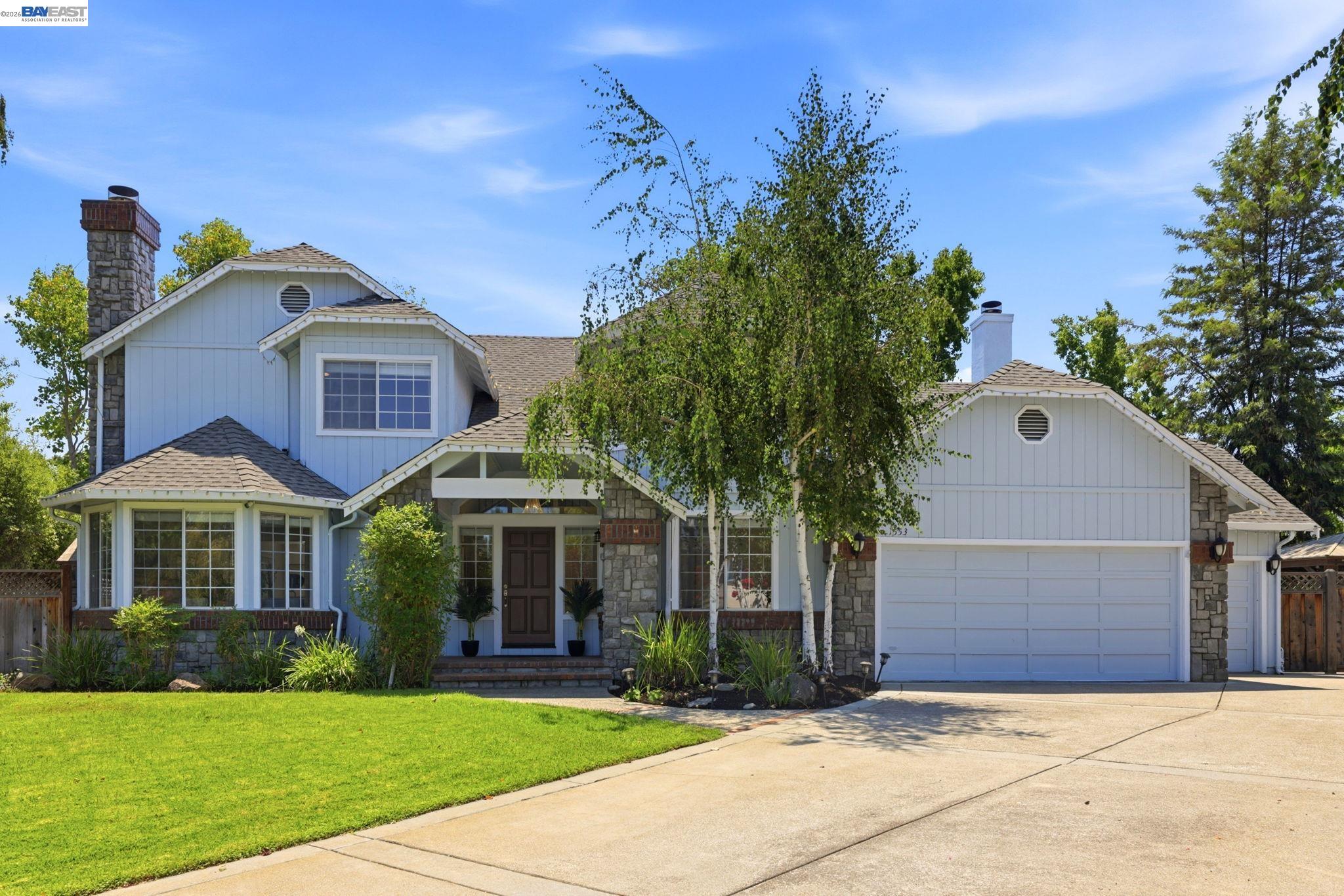
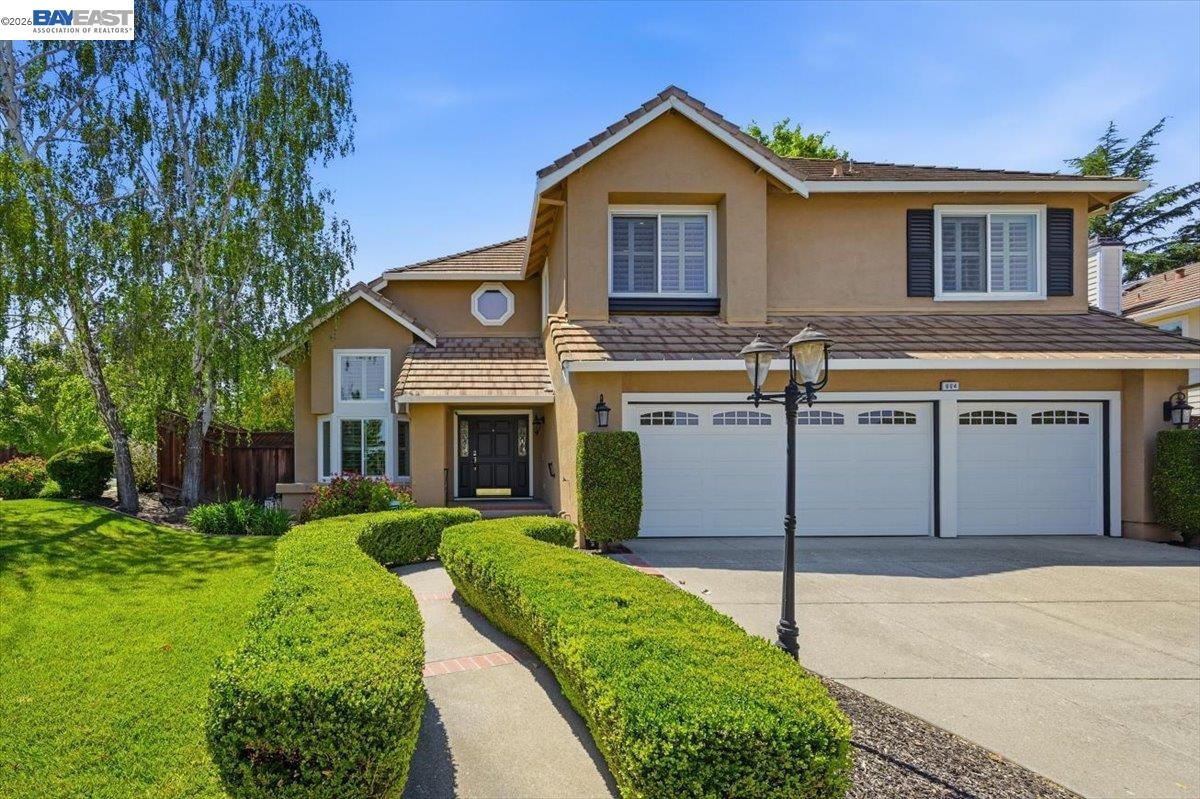
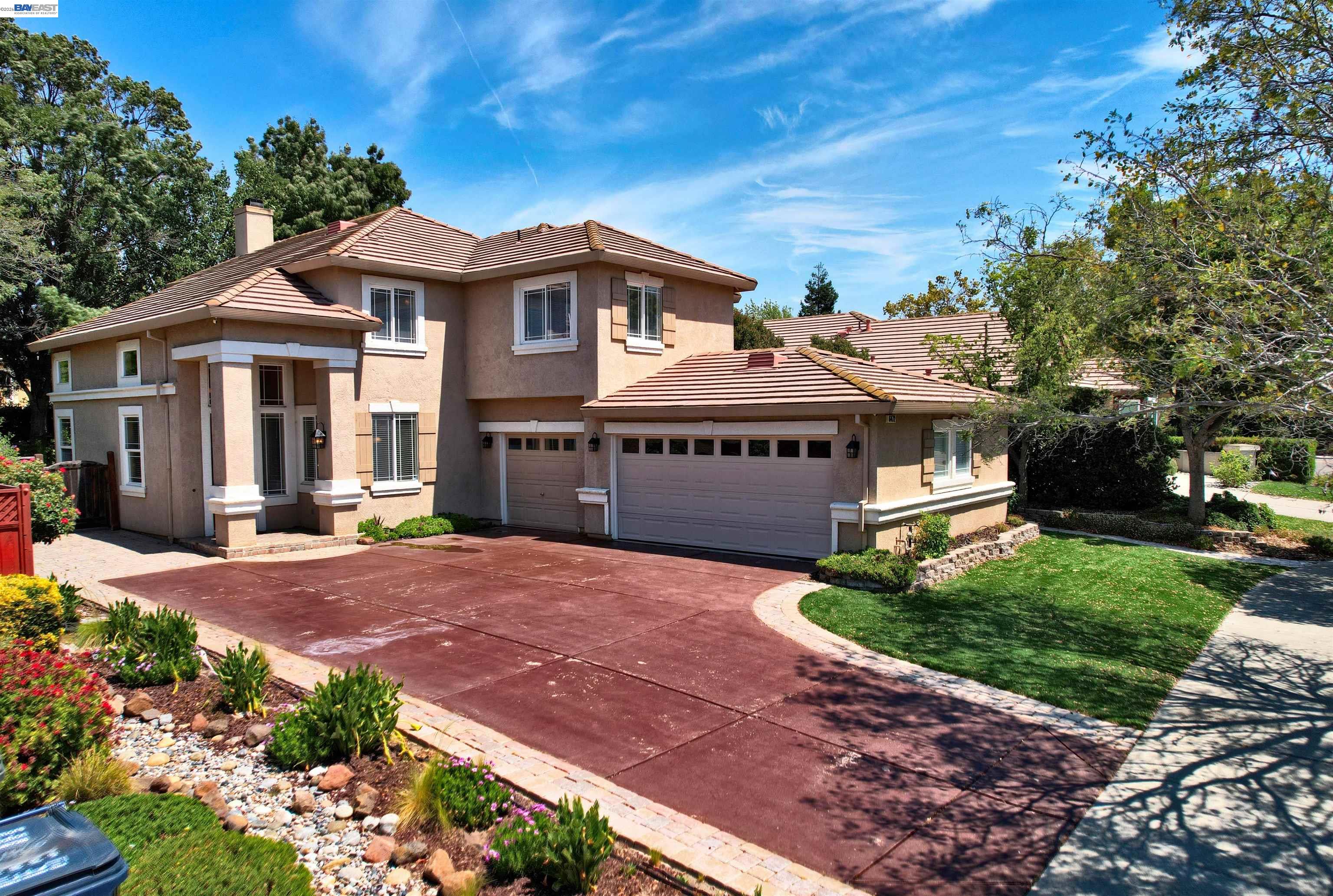
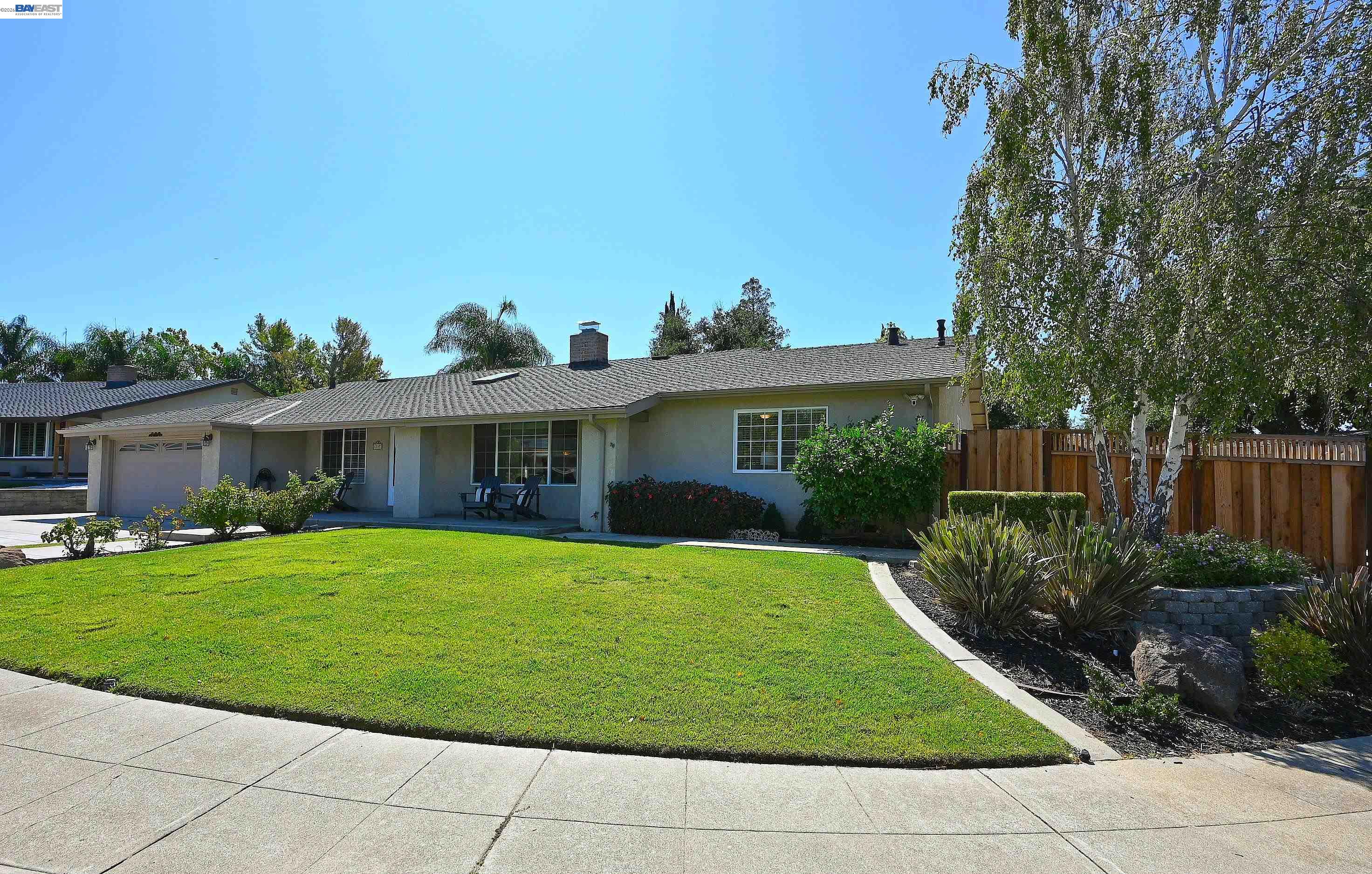
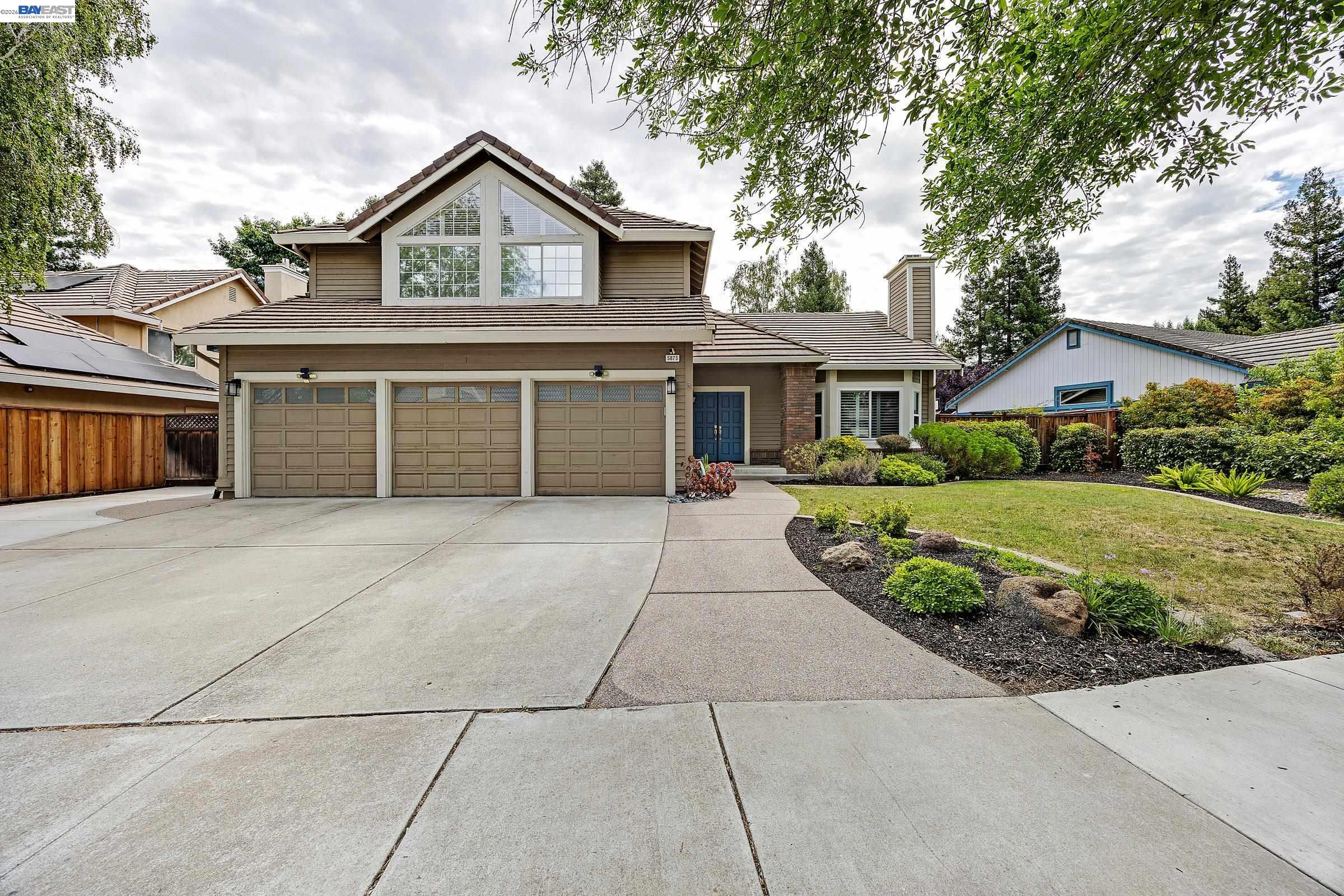
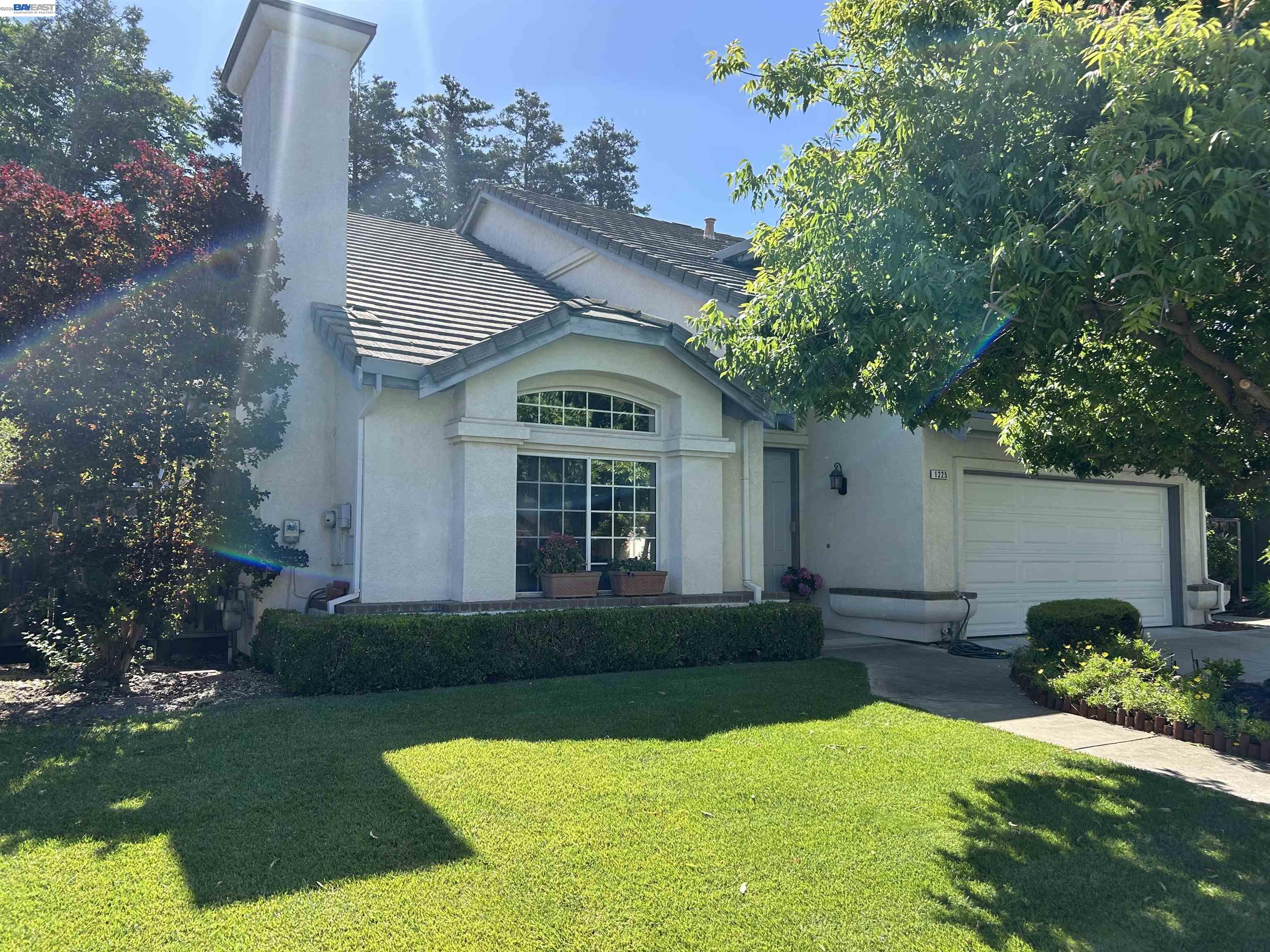
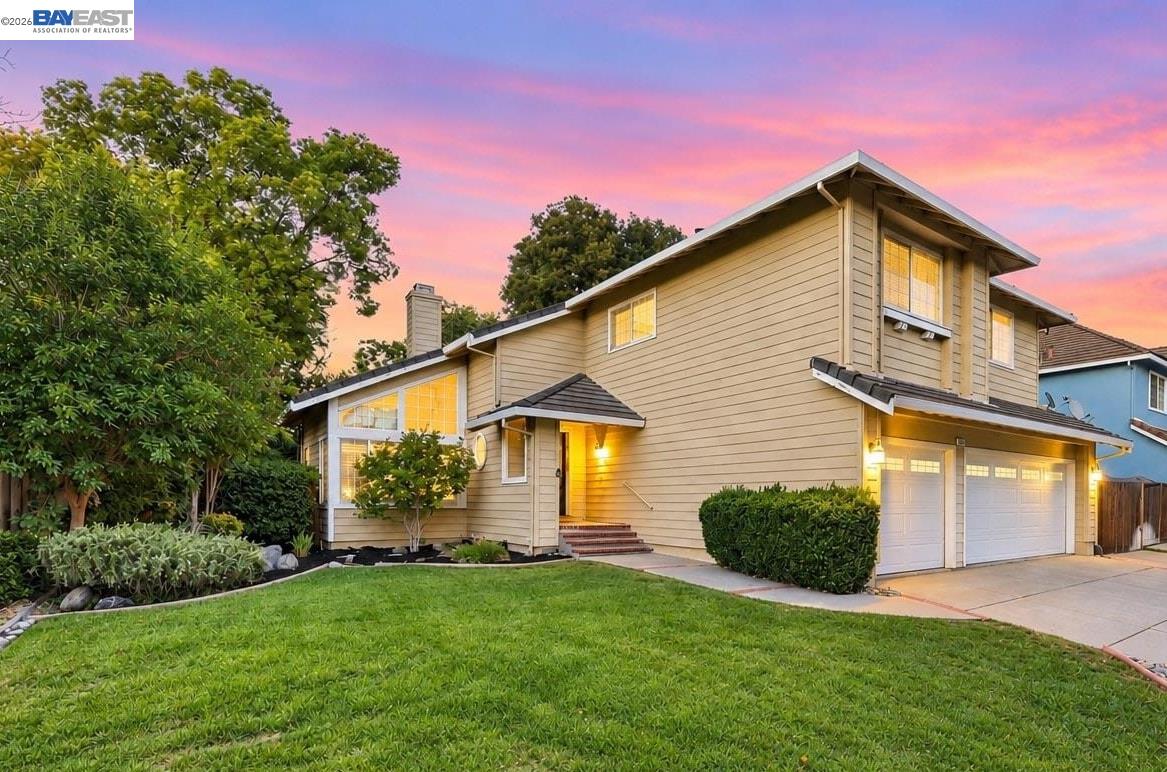
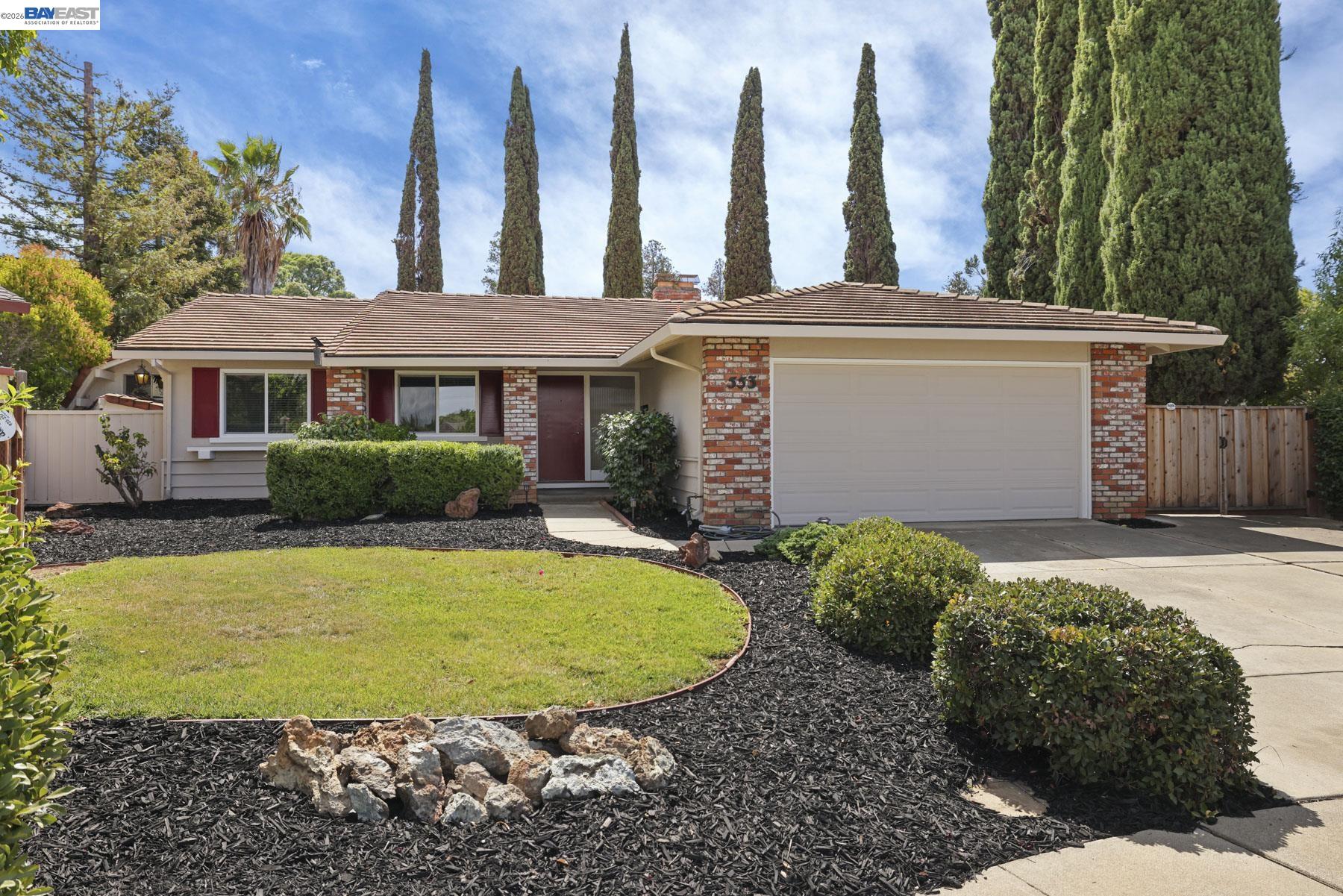
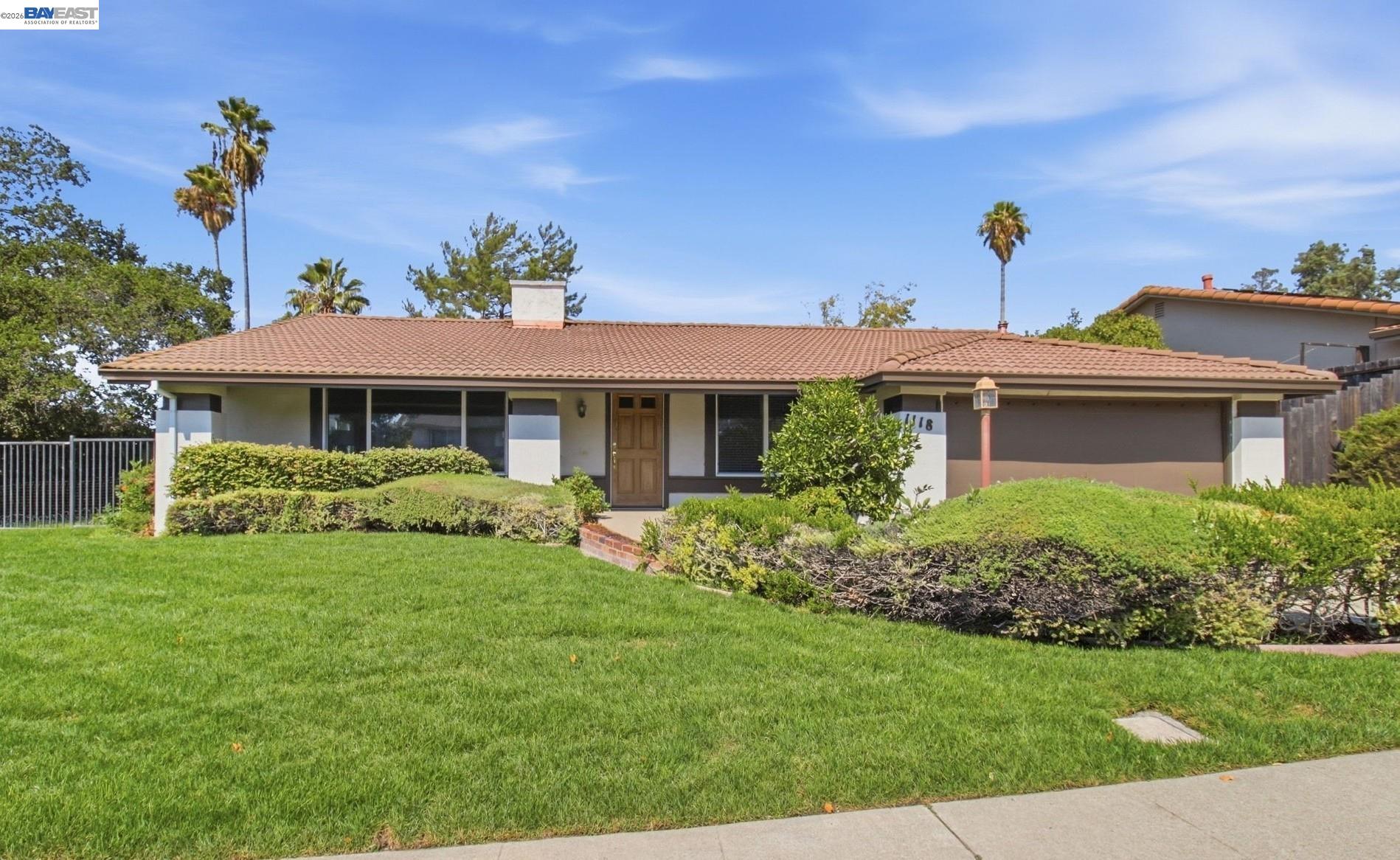
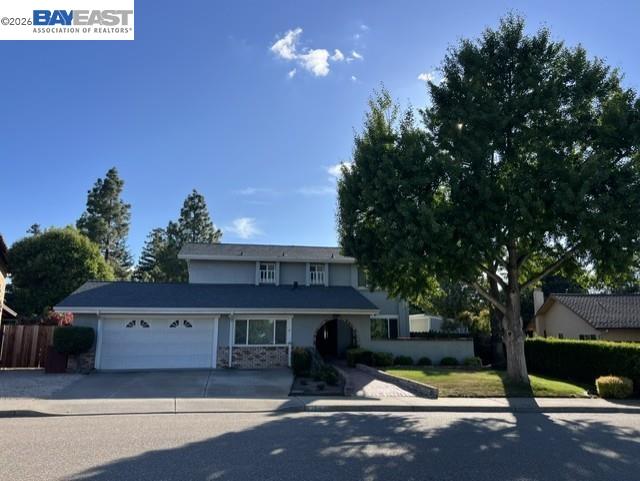
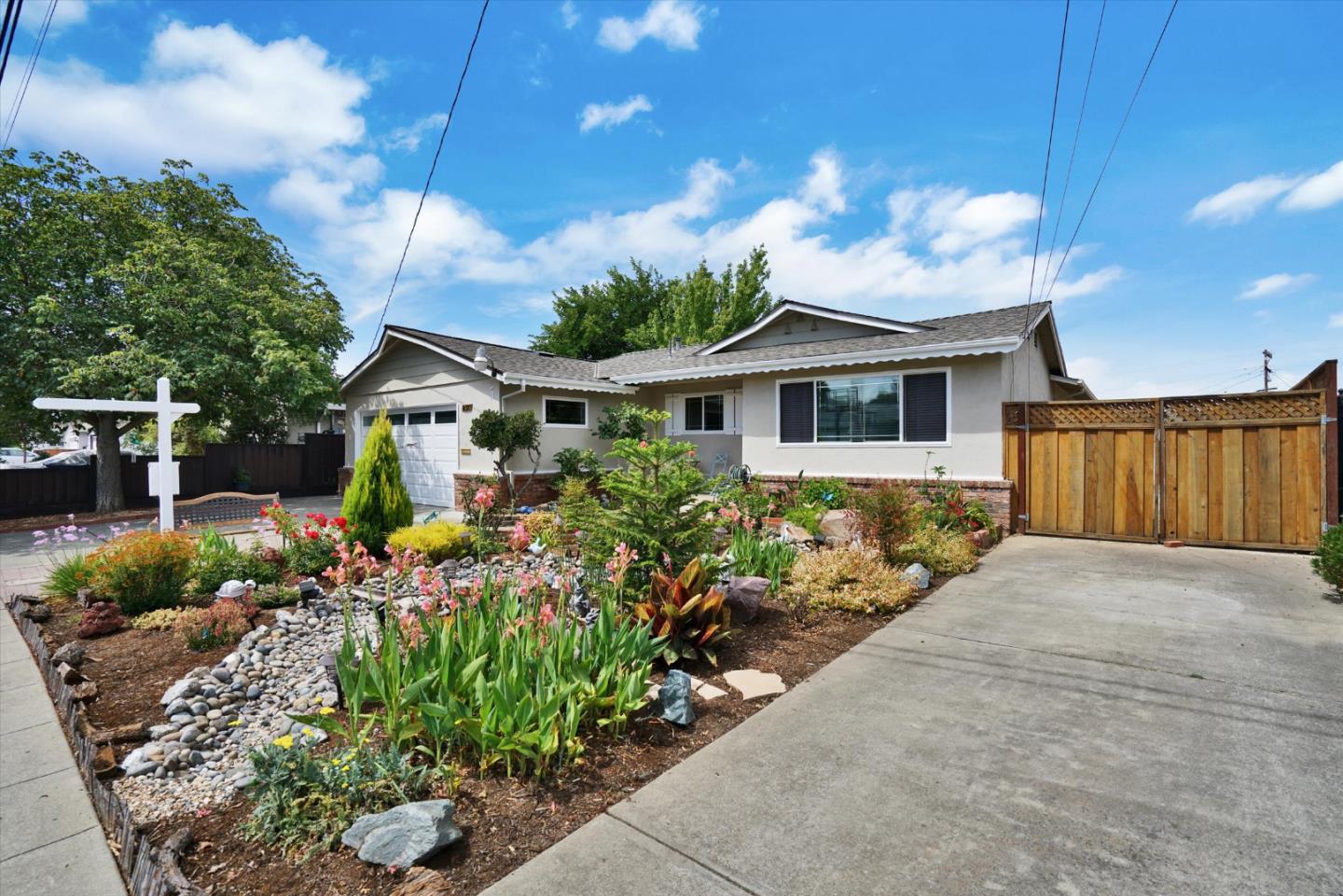
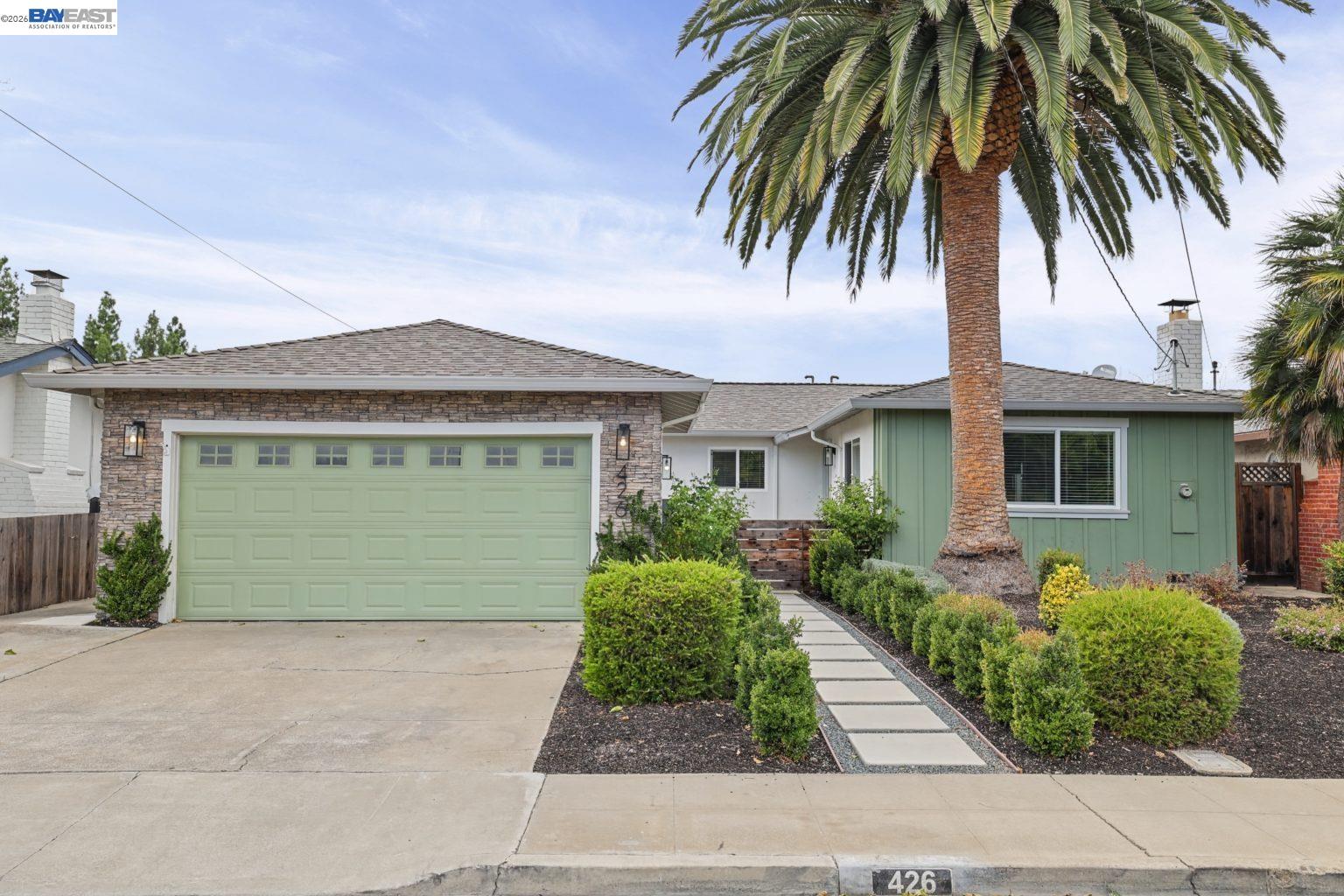
The detached single-family market is where the real competition lives. Older starter homes in areas like Springtown or the Northside generally run $750,000 to $950,000 for smaller three-bedroom layouts, while classic three-to-four-bedroom family homes on 5,000-plus-square-foot lots settle firmly into the $1.1 to $1.4 million range. More than half of these homes draw bidding wars and sell within a week.
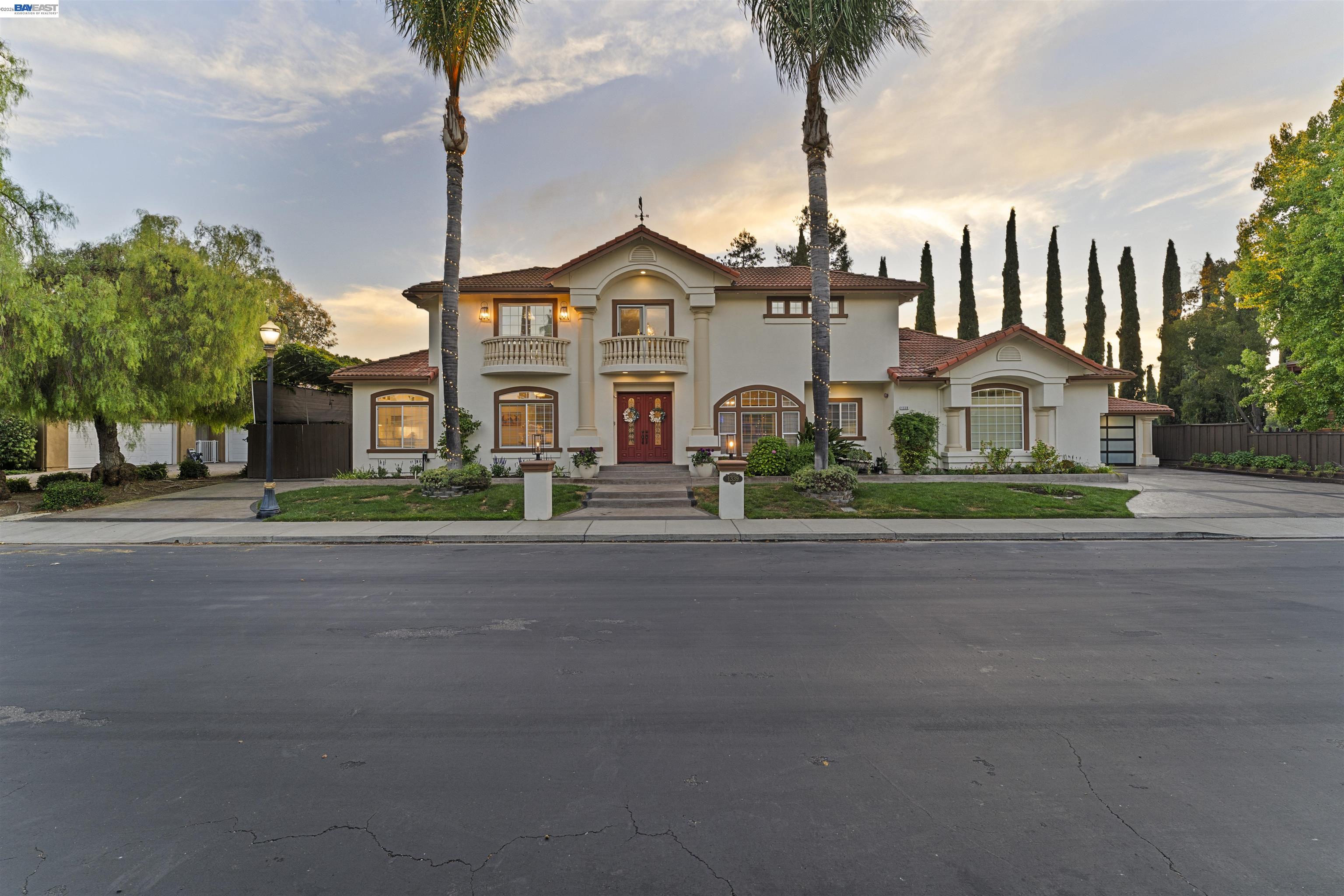
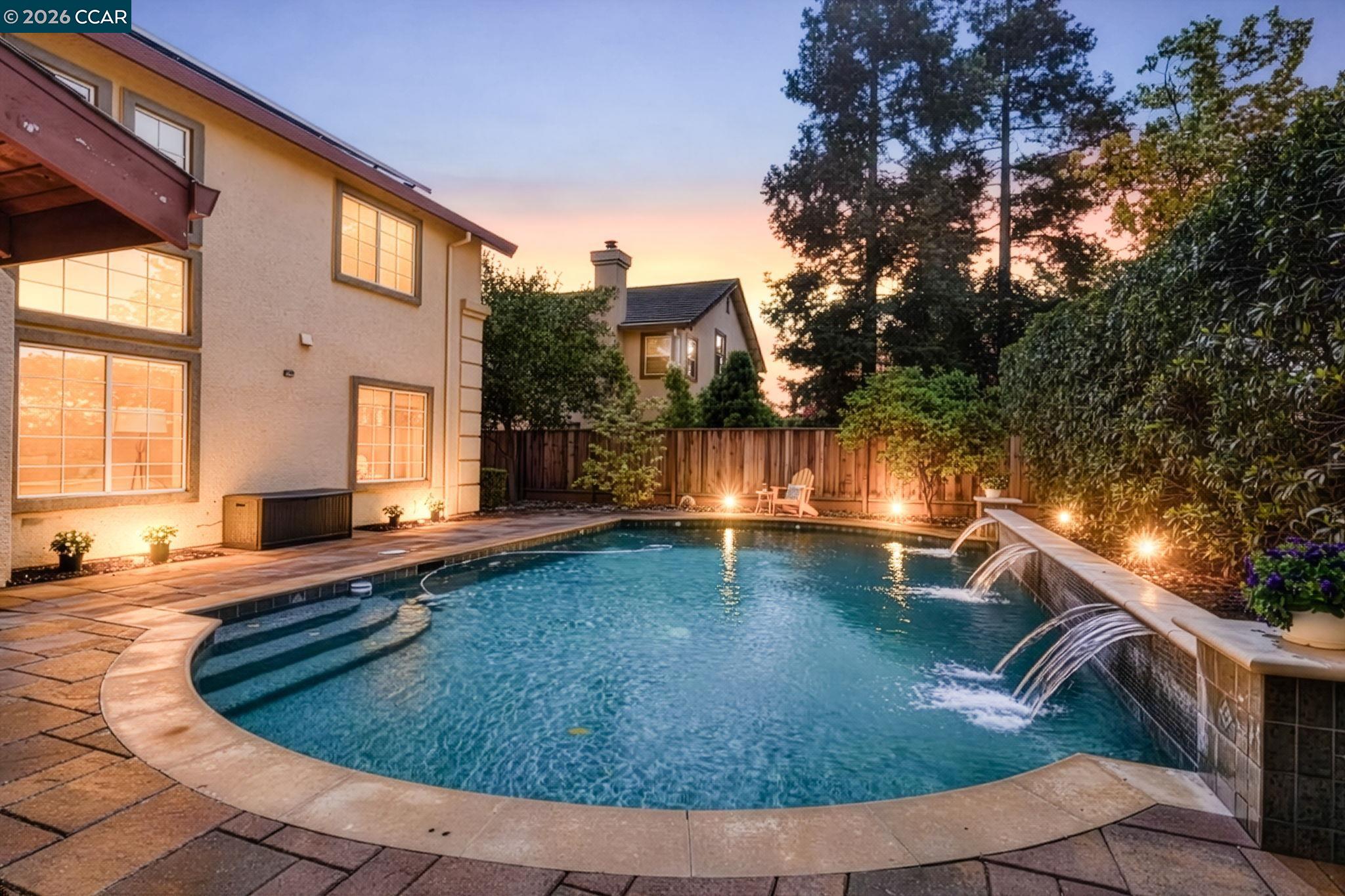
The luxury and estate tier, concentrated in South Livermore, behaves almost like a separate market. These properties command enormous premiums for the privilege of living among the vineyards, but they also move more slowly — often sitting 30 to 60 days and occasionally seeing price adjustments — simply because the buyer pool at that level is smaller and more deliberate.
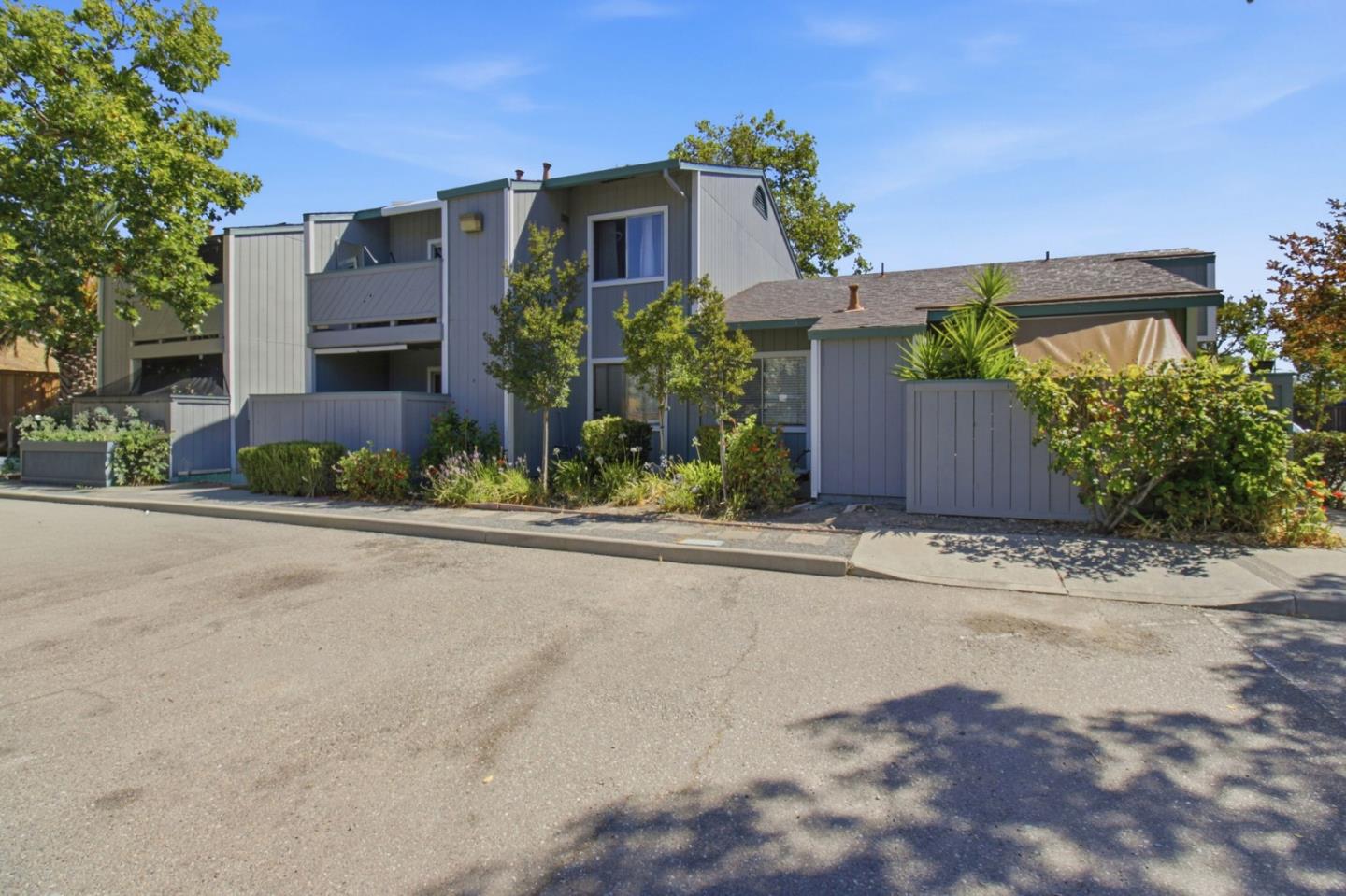
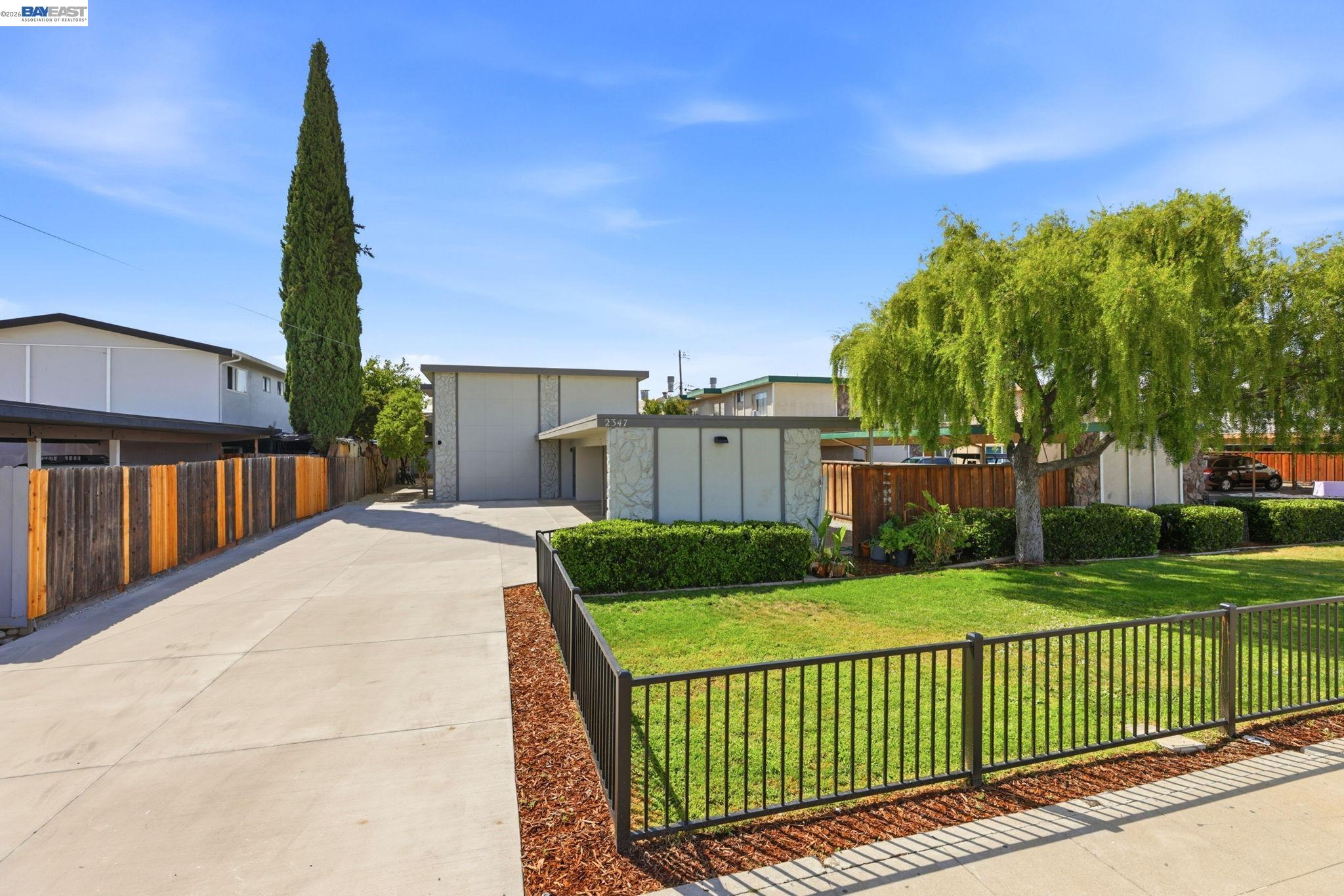
Townhomes and condos offer the critical foothold into Livermore. Modern transit-oriented units near downtown or the I-580 corridor command $750,000 to $850,000, while older condo stock can still be found in the $550,000 to $650,000 range.
One nuance worth flagging in the rental market: the gap between attached and detached homes is wide. A condo or apartment rents for roughly $2,800 a month, but a detached single-family rental home regularly clears $3,600-plus, because families will pay a meaningful premium for a yard, square footage, and neighborhood stability.
Neighborhoods and Sub-Markets
Livermore doesn't have one housing market; it has four, divided by geography, history, and proximity to the commuter arteries. Knowing which quadrant fits your budget and your life is the single most useful thing you can do before you start touring homes.
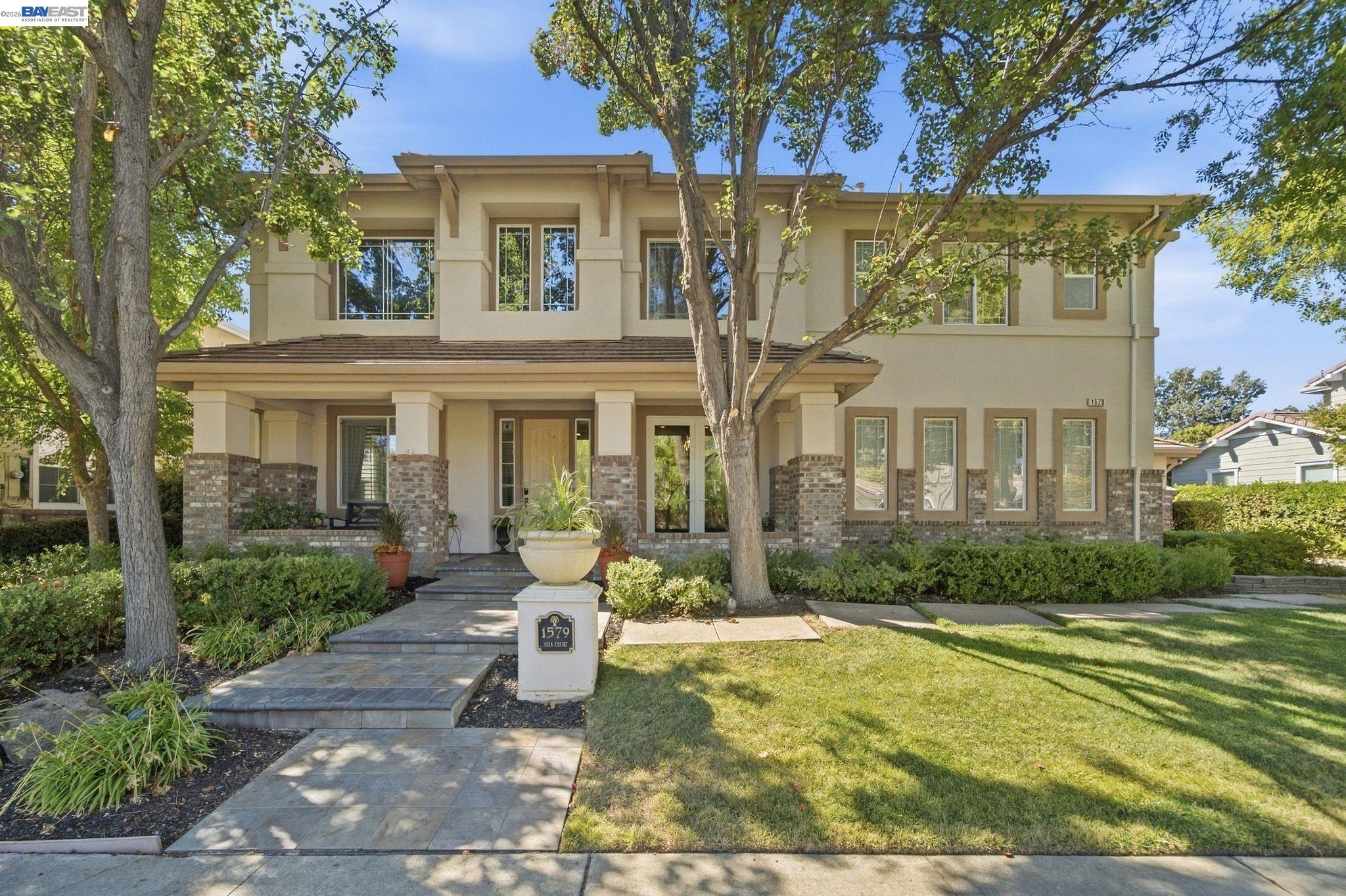
South Livermore is the premium vineyard belt — the most expensive and most picturesque part of the city. Wide landscaped streets, custom architecture, and multi-acre properties framed by working vineyards define the area, with a median listing price around $2.39 million and a price per square foot near $725. Prestigious enclaves like Kristopher Ranch, The Corners, Ravenswood, and Dunsmuir Estates feature expansive 3,000-to-5,000-plus-square-foot homes on sprawling lots. Because of the price point, inventory here lingers a little longer — averaging about 23 days — but still trades cleanly at or near asking.
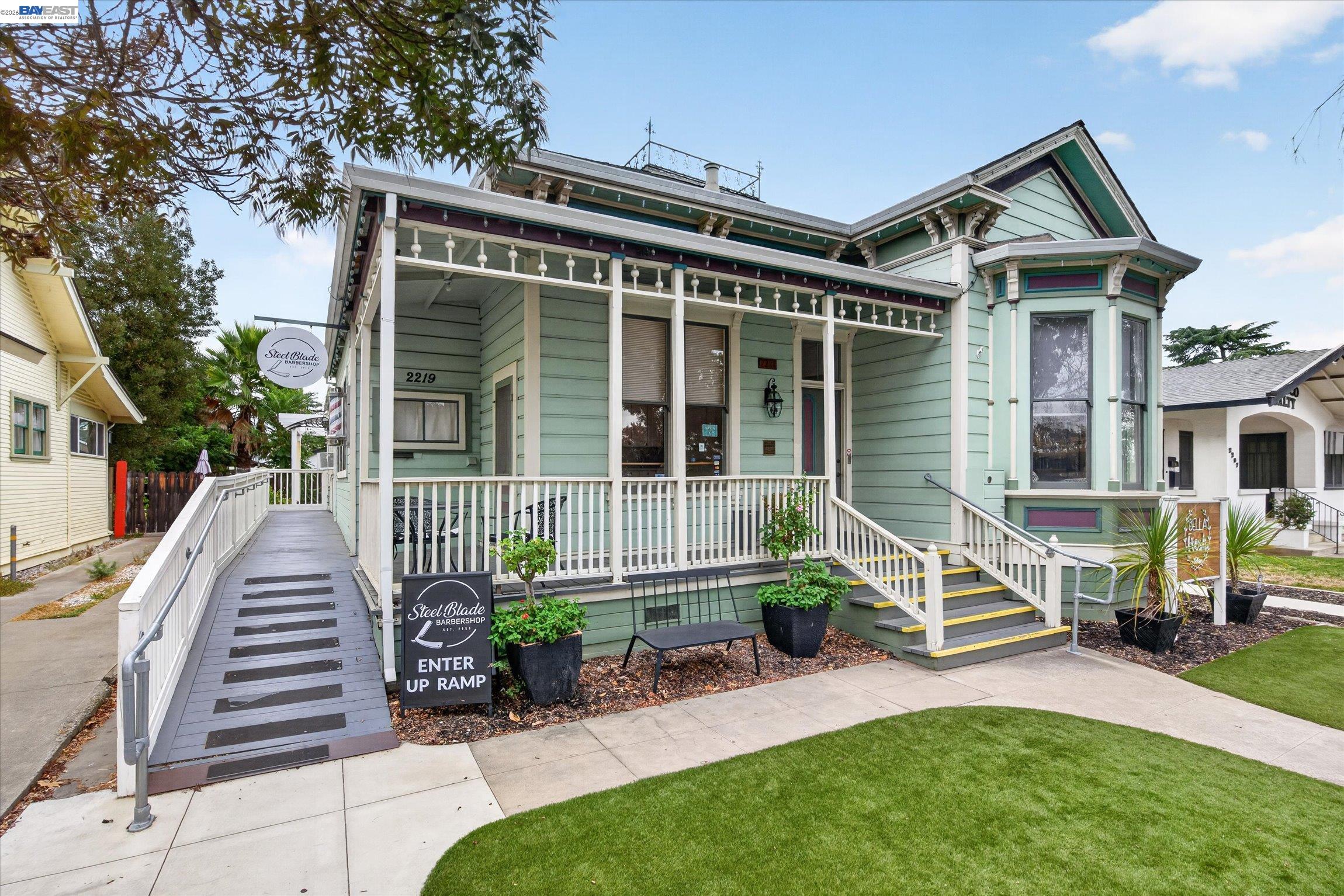
Downtown is the walkable, social heart of Livermore, and it's the fastest-moving sector in the city, with a median of just 19 days on market and a median listing price around $820,000. The housing stock is wonderfully varied — early-twentieth-century Victorians, mid-century bungalows, and dense modern townhome and condo developments — and it draws young professionals, lab employees, and empty-nesters who want vibrancy without a big yard to maintain.
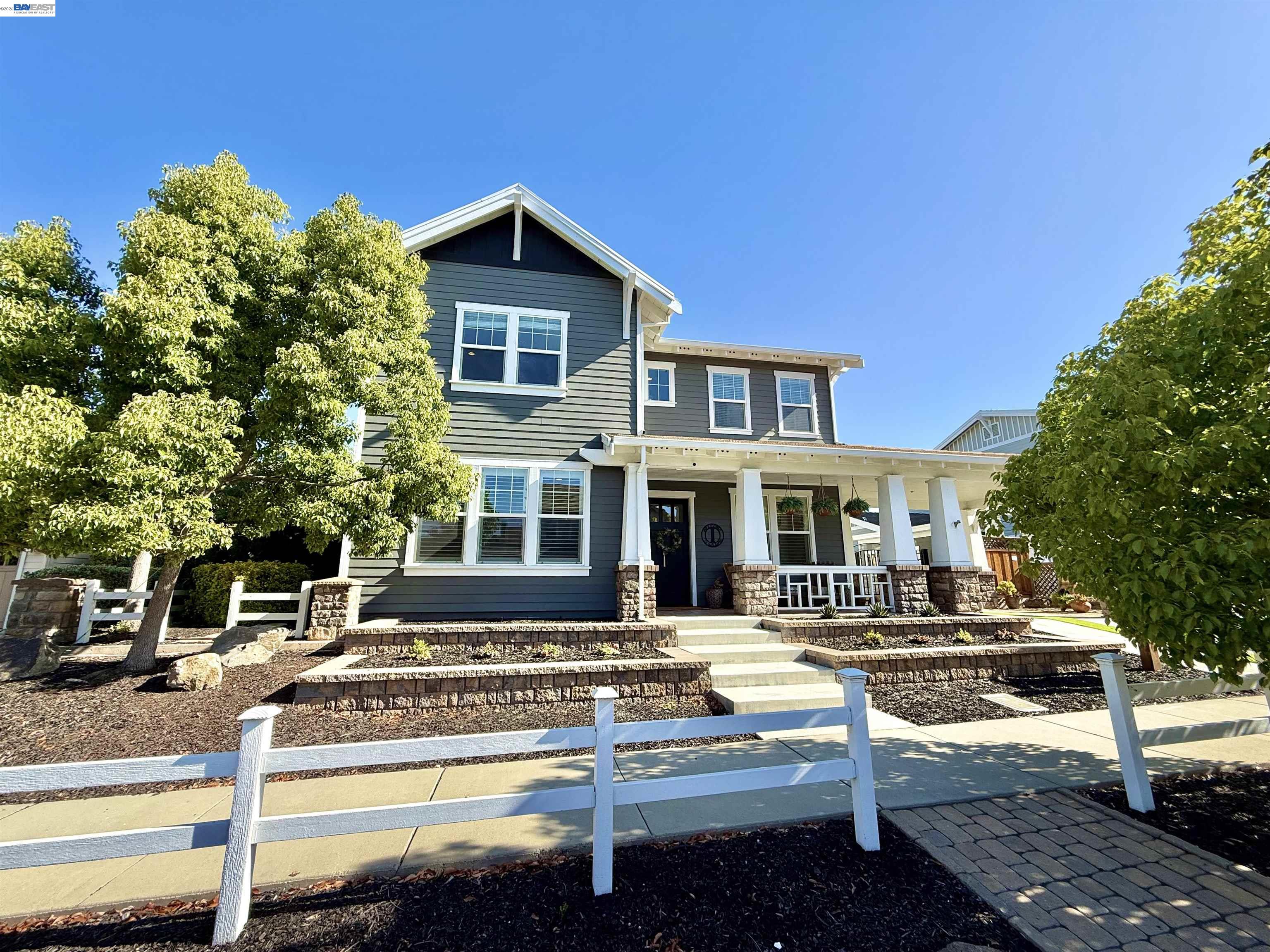
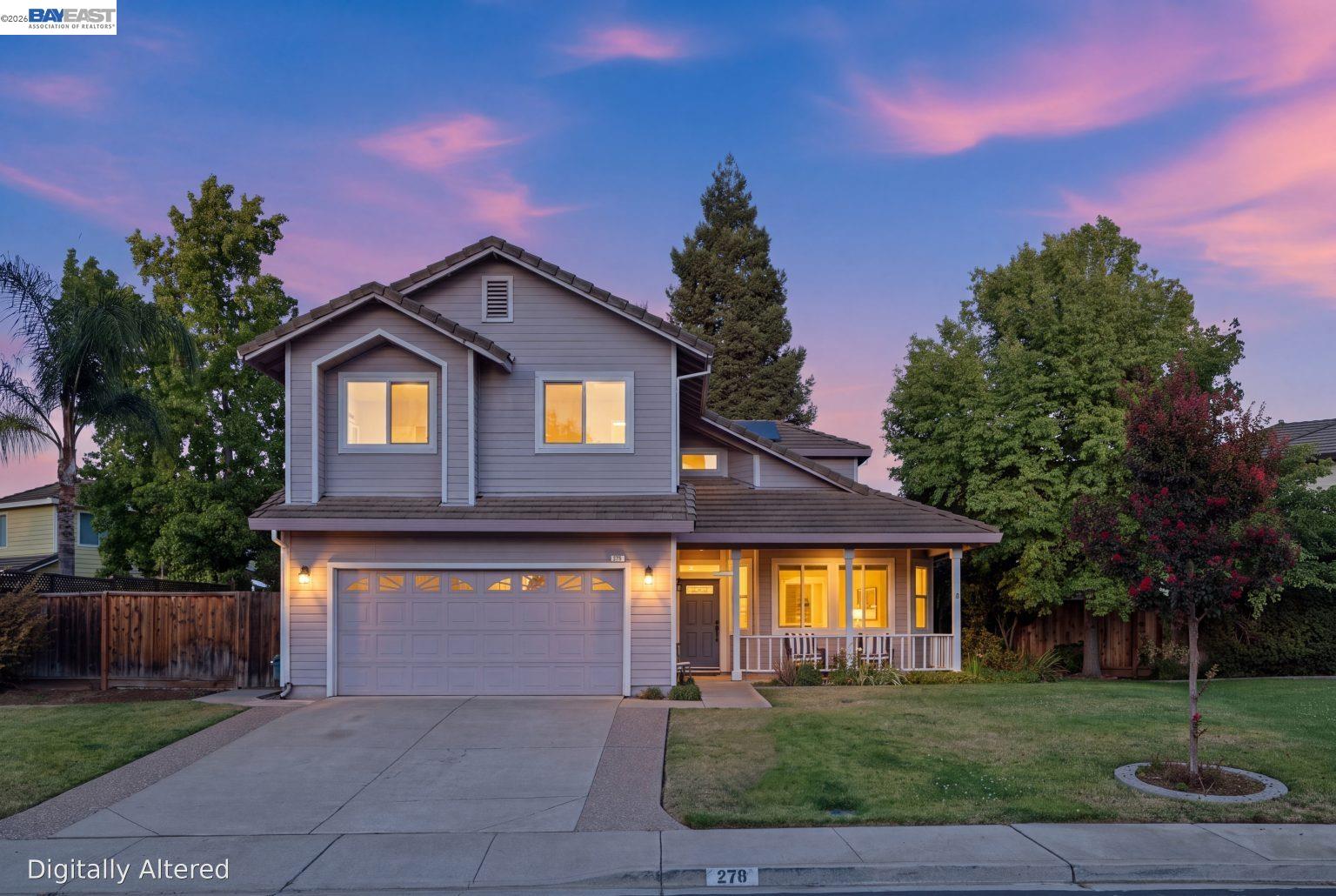
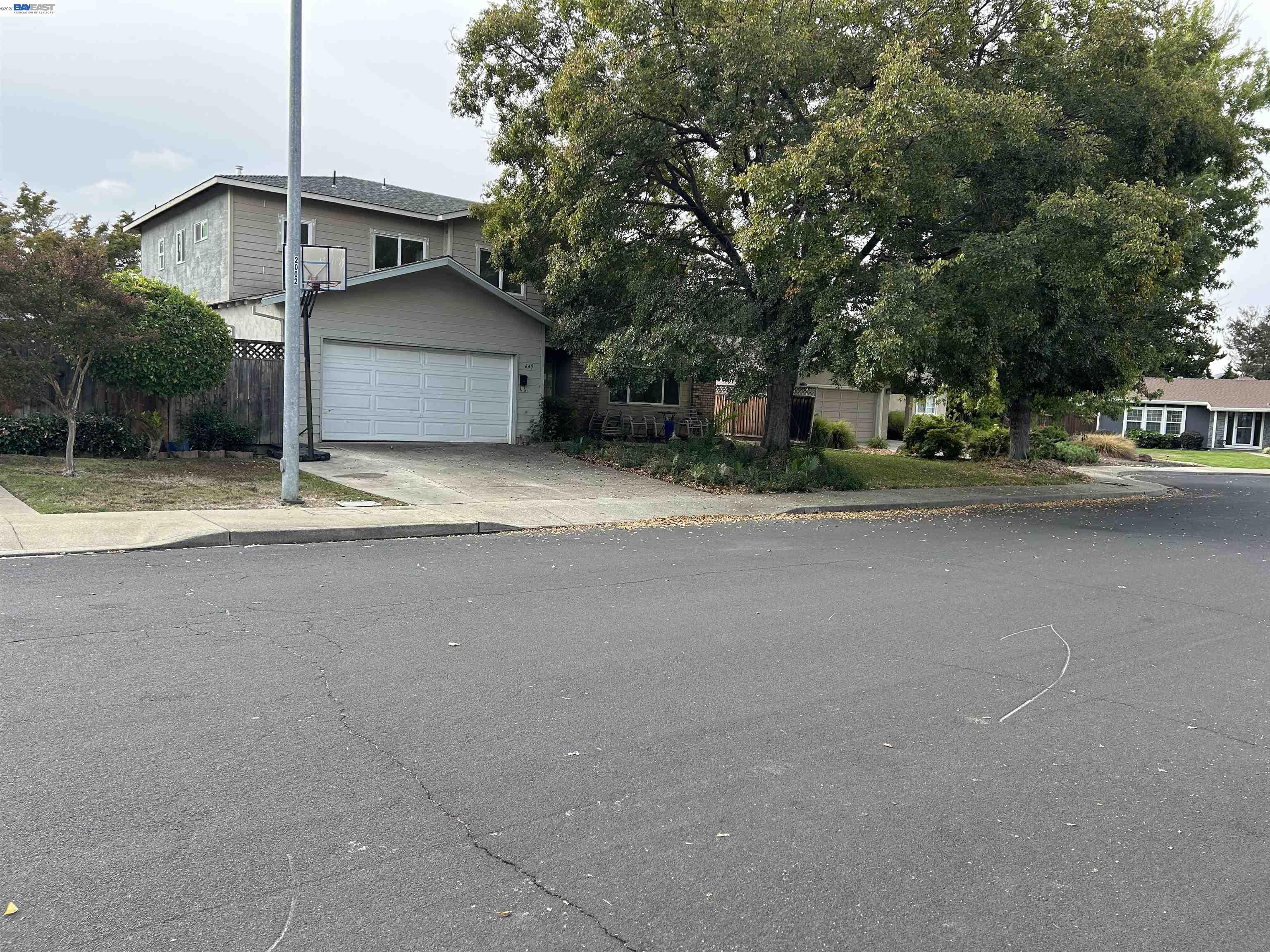
North Livermore is the modern commuter hub, built largely from the 1990s onward and favored by tech workers heading over the Altamont Pass or down I-580. Median prices land between $900,000 and $1.15 million, with master-planned communities like Maralisa and Montage offering newer multi-story homes with open floor plans. The yards run smaller than in the south, but the trade-off is newer parks, modern schools, and convenient retail.
Springtown, tucked into the northeast corner around a 1960s public golf course, is the accessible entry point — the most affordable detached-housing sub-market in the city at a median around $754,000. It's mostly modest two-to-three-bedroom starter homes on surprisingly generous lots, plus affordable options like the Spring Valley Commons condos. It stays competitive precisely because it's the gateway for first-time buyers trying to break into the Tri-Valley at all.
Livermore Valley Wine Country and the Estate/Vineyard Market
Buying within the Livermore Valley American Viticultural Area (AVA) is a fundamentally different transaction than buying a standard home, and it's the part of this market where inexperience costs people the most money. You are not just acquiring a residence; you are acquiring agricultural assets, and they are valued by an entirely different set of rules.
These properties generally split into two categories: lifestyle vineyard estates — luxury homes with one to five acres of managed premium grapes for personal enjoyment or hobby winemaking — and commercial agritourism parcels with tasting rooms, production facilities, and event permits. In both cases, the variables that move the price have little to do with the house itself.
Water rights and infrastructure can swing a property's value by hundreds of thousands of dollars. In a Mediterranean climate, the reliability of agricultural wells, water-sharing agreements, and irrigation maps matters enormously. Planted acreage and varietals are scrutinized closely — the age and health of the vines, and whether the gravelly soil is growing premium Cabernet Sauvignon or Chardonnay clones. And the Williamson Act is a critical and frequently misunderstood advantage: many vineyard estates are enrolled in agricultural preserves that assess the land on its farming income rather than its peak market value, delivering substantial property-tax relief to the owner.
The buyer pool here is sophisticated, ranging from tech executives chasing a "gentleman's orchard" lifestyle to boutique vintners expanding their footprint. And because these deals often involve conditional use permits, complex environmental and wildfire disclosures, and the transfer of state and federal alcohol licensing, the timeline stretches well beyond a normal sale. Where a typical Livermore home closes in two weeks, a true vineyard estate runs a 60-to-180-day marketing and escrow cycle. This is not a transaction to attempt with a generalist agent.
Schools and Education in the Livermore Valley Joint Unified School District
For families, the Livermore Valley Joint Unified School District (LVJUSD) is often the deciding factor, and it delivers. Serving over 12,000 students, the district consistently earns an overall "A" grade from Niche and ranks among the top 100 districts in California.
What sets it apart is its STEM emphasis, which flows directly from the city's demographic. With Lawrence Livermore and Sandia National Laboratories down the road, the district has built direct pipelines and mentorship programs that put students in front of research equipment and science seminars almost no other public school can offer.
On the elementary side, schools like Emma C. Smith and Sunset are perennial standouts in test scores and parent satisfaction. At the high-school level, the city's two rivals — Granada High on the west side and Livermore High more centrally — both post graduation rates above 95 percent and deep Advanced Placement catalogs, sending significant numbers of graduates into the UC system and Cal Poly. The district also offers genuinely strong specialized tracks: Granada is an authorized International Baccalaureate World School, the district runs sought-after Spanish-English dual-immersion programs starting in elementary (notably at Joe Michell K-8), and the Vineyard Alternative School earns excellent marks for students who need a more flexible, non-traditional schedule.
Downtown Livermore: Dining, Arts, and Walkability
A lot of Bay Area suburbs promise a downtown and deliver a strip mall. Livermore delivers the real thing. An award-winning revitalization along First Street turned the core into a pedestrian-first district — wide tree-lined sidewalks, mid-street roundabouts, string lights, landscaped pocket parks — and on any weekend the streets are full of strollers, outdoor diners, and people walking to dinner rather than driving to it.
The dining scene has quietly become a regional destination. Range Life offers seasonal California cuisine that's earned recognition from the Michelin Guide, while Uncle Yu's at the Vineyard and Locanda Wine Bar cover upscale Asian fusion and authentic Italian respectively. The city keeps attracting marquee talent, too — Slice House by 13-time World Pizza Champion Tony Gemignani and the Southern Italian hotspot Doppio Zero are recent arrivals. For a more casual afternoon, Blacksmith Square is an open-air courtyard built for grabbing a craft beer at Tap 25 or a glass of wine at Swirl on the Square, with First Street Alehouse and Sauced BBQ & Spirits anchoring the higher-energy nightlife.
Culturally, the Bankhead Theater is the centerpiece — a 500-seat performing arts center hosting touring musicians, comedians, Broadway productions, and the local opera and dance companies year-round. Just outside, the Plaza at Livermorium Park features a splash pad and an interactive monument to element 116, "Livermorium," discovered by the town's own scientists. Add a booming Sunday farmers market, the annual Rodeo Parade, and seasonal wine-and-microbrew strolls, and downtown becomes the genuine social living room of the entire Tri-Valley.
Lifestyle and Recreation: Parks, Trails, and the Outdoors
One of Livermore's underrated advantages is how quickly you can get from your front door to genuine open space. The city threads together manicured neighborhood parks, vast wilderness preserves, and a connected trail network.
Del Valle Regional Park, ten miles south of downtown, is the crown jewel — a five-mile-long lake set among rolling hills, with sailboat rentals, kayaking, windsurfing, and fishing, plus access to the deep backcountry of the Ohlone Regional Wilderness. Sycamore Grove Park spans more than 840 acres of historic landscape in South Livermore, with massive sycamores, seasonal creeks, and abundant wildlife. And Brushy Peak Regional Preserve on the north side offers a striking contrast: wind-sculpted sandstone, sacred indigenous history, and steep trails with panoramic Tri-Valley views.
Connecting it all, the Arroyo Mocho Trail runs through the center of the city, safely linking neighborhoods to schools, parks, and downtown without crossing major traffic. And the flat, scenic secondary roads of South Livermore — Tesla Road and Marina Avenue among them — have made the area one of Northern California's premier recreational cycling destinations, where groups riding vineyard to vineyard are a normal weekend sight.
Commute, Connectivity, and the ACE/BART Corridor
As the easternmost point of the Bay Area, Livermore sits at a vital transit chokepoint — a real advantage if you understand how to use it, and a frustration if you don't plan around it.
Interstate 580 is the main artery, and the honest reality is that the westbound morning commute toward Oakland and San Francisco and the eastbound evening crush over the Altamont Pass both require strategy. Express HOV and toll lanes help carpoolers and clean-air vehicles cut through the worst of it. Highway 84 (Isabel Avenue) is the local secret weapon, bypassing city streets to feed North Livermore commuters down toward Silicon Valley via the Sunol Grade and I-680, meaningfully shortening trips to San Jose, Santa Clara, and Cupertino.
The rail picture is where Livermore quietly shines. The Altamont Corridor Express (ACE) runs through the city with two local stops — Vasco Road, serving the lab corridor, and the Downtown Livermore Station — carrying riders west into Santa Clara and San Jose while bypassing highway traffic entirely. BART doesn't physically reach the city, but the Dublin/Pleasanton station sits just over the western border, and the local "Wheels" bus system runs synchronized shuttles from Livermore's neighborhoods and the labs straight to the BART platform, where commuters pick up a direct line into Oakland and San Francisco.
Looking ahead, the long-anticipated Valley Link rail project has been rescoped into a more realistic phased plan. Phase 1A focuses on a shortened 22-mile segment running from the Dublin/Pleasanton BART station directly to Livermore's ACE Vasco Road Station. The full eastern extension into the Central Valley is paused for now, but the revised corridor keeps Livermore positioned as a true multi-modal hub bridging the outer valleys and the core Bay Area — a long-term value signal worth keeping in mind.
Who's Buying in Livermore: Buyer Profiles and Demand Drivers
Understanding who you're competing against is half of buying well here, and Livermore's demand is unusually resilient because it draws from several high-earning sectors rather than leaning entirely on San Francisco tech.
The first group is the high-tech and scientific vanguard — engineers, physicists, and cybersecurity professionals at Lawrence Livermore and Sandia, alongside Silicon Valley workers migrating east. Insulated by high wages, they treat Livermore as the Bay Area's ultimate "space play," recognizing that a $1.1 to $1.2 million budget buys far more square footage and lot here than it would closer to the urban core.
The second is move-up local families, typically existing Tri-Valley owners coming out of denser condos or townhomes in Dublin or San Ramon. They're chasing schools and space, trading into four-bedroom detached homes — and because of that twelve-year average tenure, they're genuinely shopping for forever homes.
The third is equity-rich downsizers, both wealthy buyers moving west from the Central Valley (Tracy, Manteca, Modesto) and Bay Area empty-nesters trading down from large estates into single-story homes or premium townhomes near downtown. What they want is lifestyle integration — walkability, wine culture, great dining, and strong medical infrastructure without the density of the inner Bay.
Buyer and Seller Strategy in the Livermore Market
With supply running at a lean 0.75 to 0.8 months and the median holding around $1.1 to $1.15 million, this market rewards precision on both sides of the table.
If you're buying, the 2026 reality is sobering but navigable: more than half of properly priced single-family homes still sell above list, averaging a 101.6 percent sale-to-list ratio and going pending in roughly 11 to 14 days. The most reliable edge is the aesthetic discount — true fixer-uppers and homes with dated 1980s and 1990s cosmetics can sit up to 45 days, giving disciplined buyers room to sidestep bidding wars and negotiate on structurally sound properties that simply aren't staged. Many savvy buyers are also accepting today's 6-percent-plus rates to lock in a home now, ahead of the next wave of competition that a rate drop would trigger, with the intent to refinance later. And if detached homes are out of reach, modern townhomes near the Downtown ACE station or the Isabel corridor secure the same lifestyle and school access at roughly a 30 percent discount.
If you're selling, the dominant fact is the "lock-in" era — many owners are sitting on legacy 3 percent mortgages, which means listing has to be worth it. Three moves consistently maximize return. First, flawless turn-key execution: buyers sensitive to today's carrying costs have almost no appetite for renovation, so fresh paint, modern flooring, and immaculate landscaping reliably trigger multi-offer weekends. Second, a transparent pricing framework: artificially underpricing to manufacture a frenzy is riskier than pricing precisely at or just under recent comparables, which captures ready buyers and cleaner offers. Third, highlighting the hidden math — established Livermore homes often carry no Mello-Roos and minimal HOA fees, so an older home here can deliver a lower total monthly payment than a cheaper new build in Dublin or San Ramon. Showing buyers that math is one of the strongest ways to justify a premium asking price.
Why Work With Chawla Real Estate in Livermore
A market this segmented — where a vineyard estate and a Springtown starter home follow completely different rules, and where the difference between pricing at comparables and underpricing can cost you a clean close — is not a market to navigate alone. That's where experience earns its keep.
Joujou Chawla and the team at Chawla Real Estate have spent decades building the kind of deep, ground-level knowledge of the Tri-Valley and East Bay that this guide only begins to outline — from the nuances of agricultural water rights and the Williamson Act in South Livermore to the precise pricing strategy that wins in a 0.8-month-supply market. With over $2.1 billion in lifetime transacted volume, more than 1,535 homes sold, and a consistent record at the very top of the regional rankings, Joujou brings formidable negotiation skills, a vast buyer and agent network, and a full-service marketing operation — professional photography, aerial video, staging, and saturation across local and luxury print and digital media — to every listing, whether it's a downtown condo or a multi-acre estate.
If you're thinking about buying or selling in Livermore and want an honest, strategic read on your specific situation, reach out directly. Call (510) 406-4836, email [email protected], or visit the office at 3840 Blackhawk Rd, Ste 100, Danville, CA 94506. Whether you're ready to make a move or just want to understand what your home is worth in today's market, the conversation starts with a phone call.