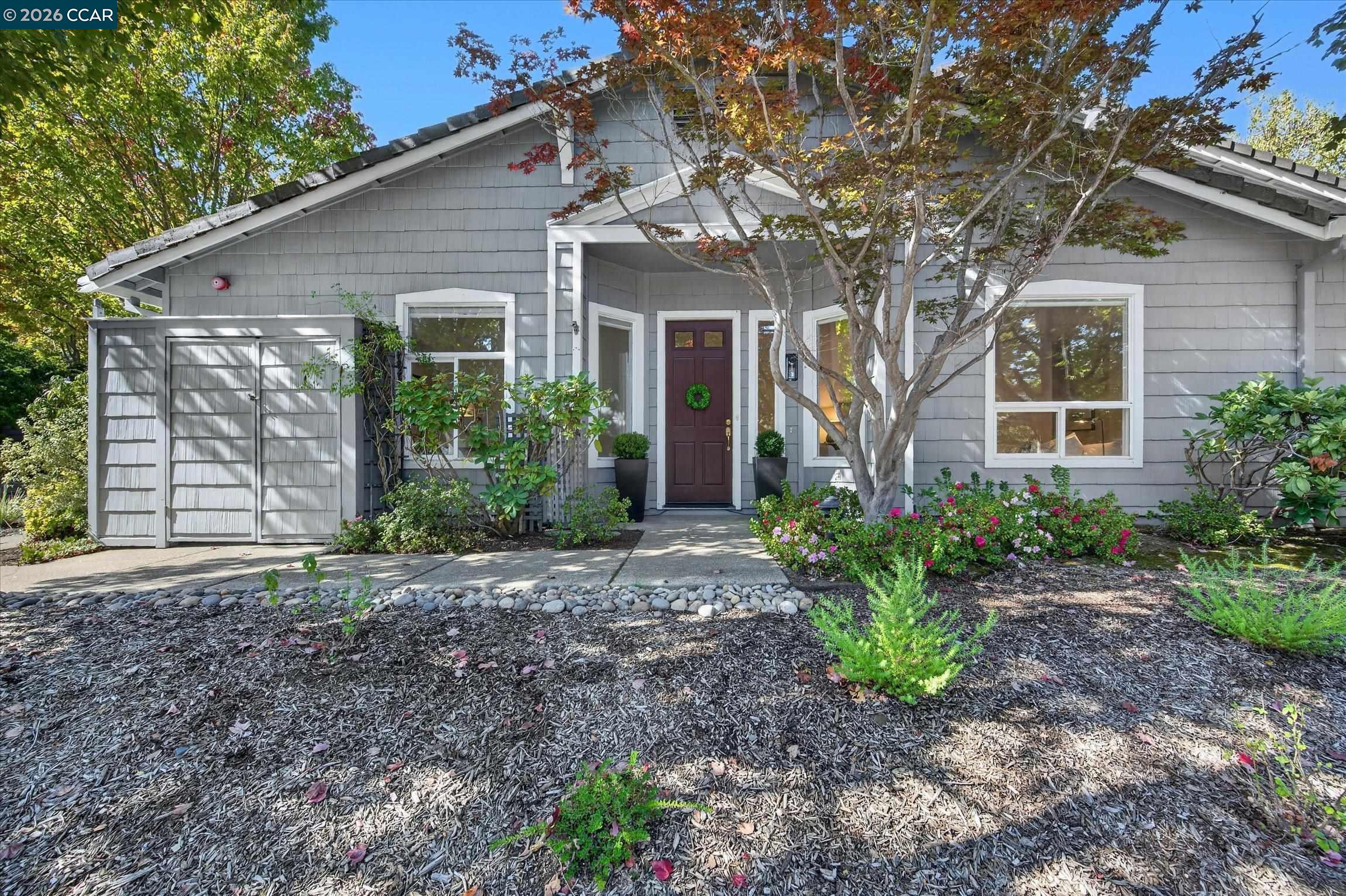
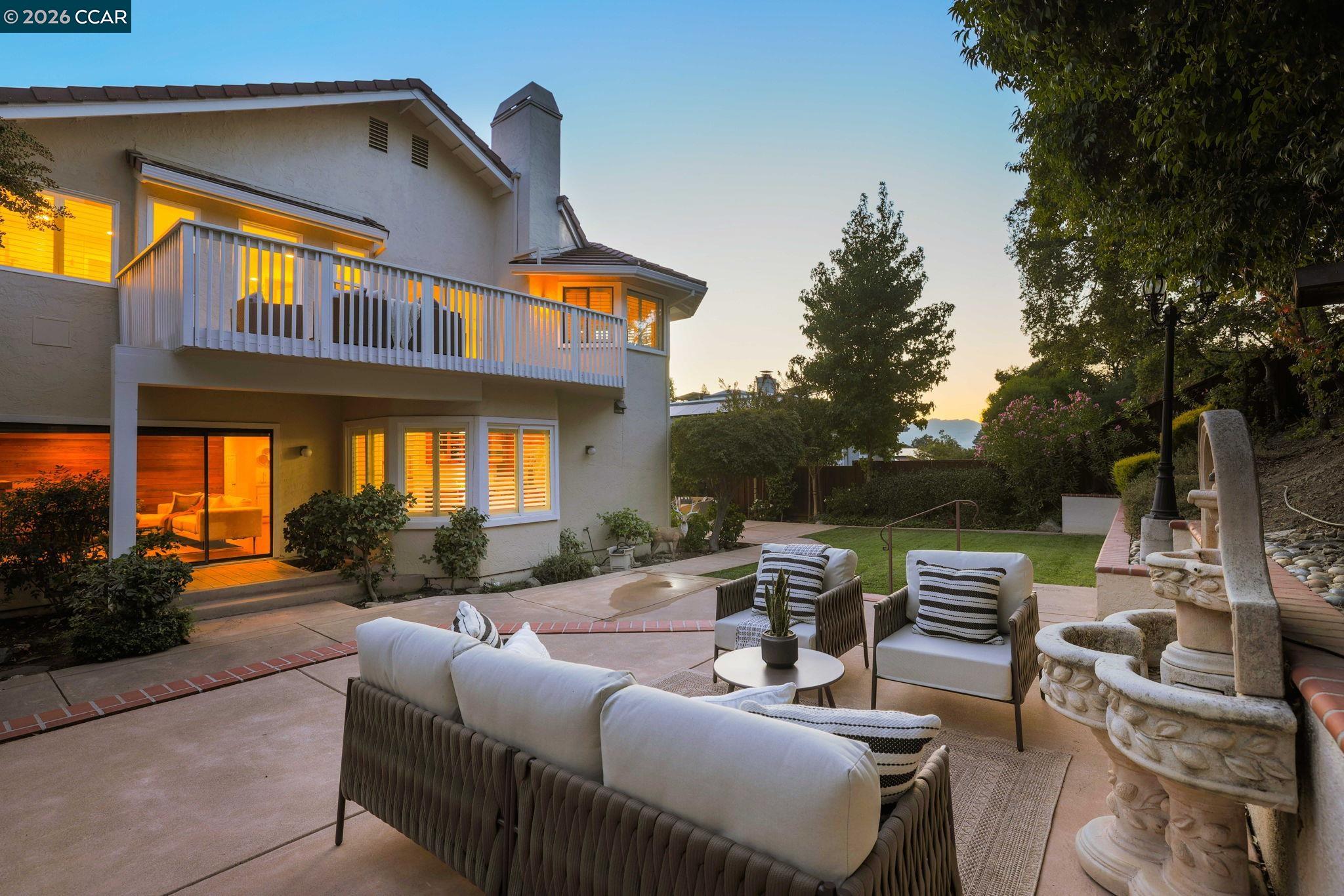
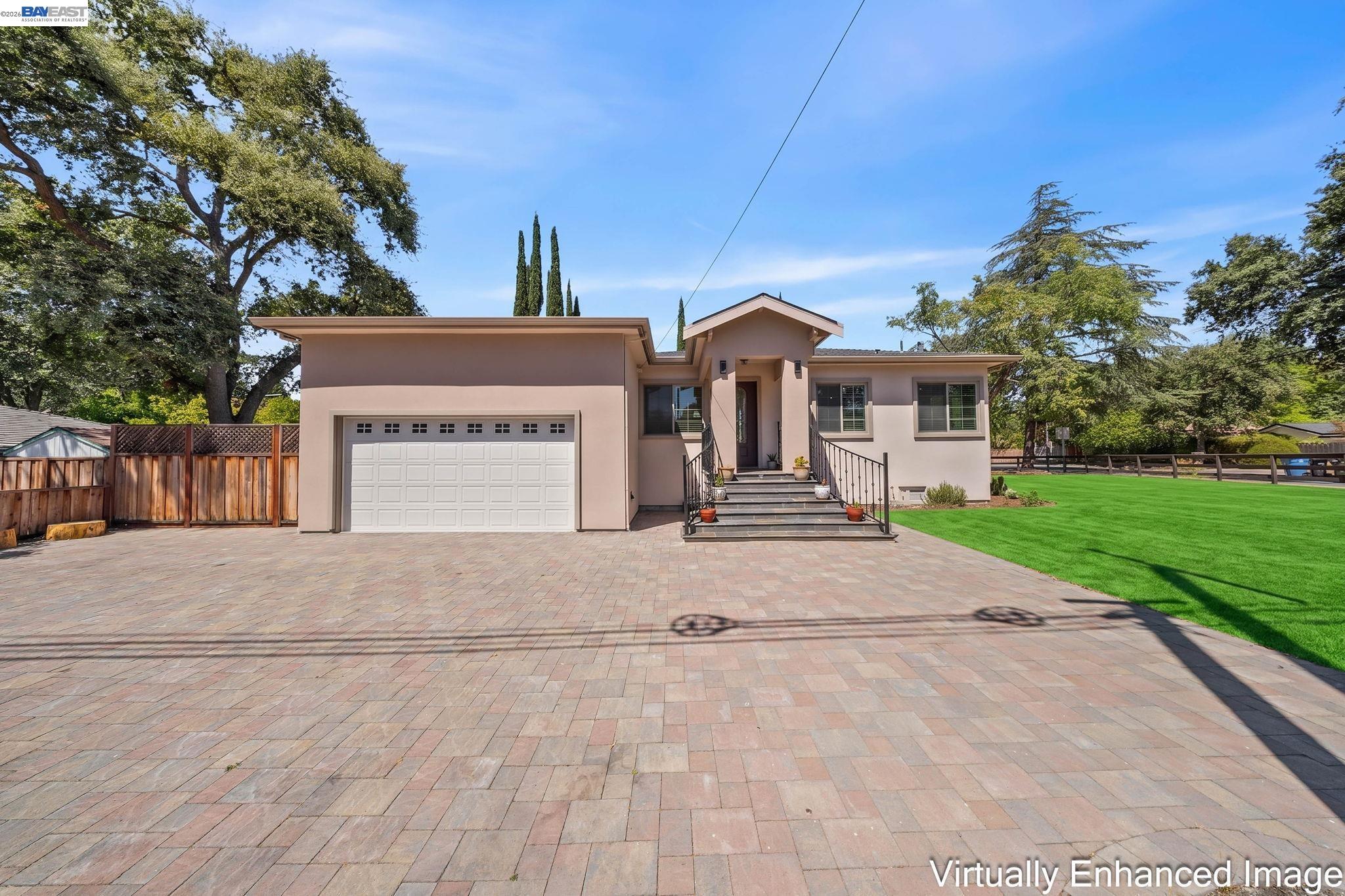
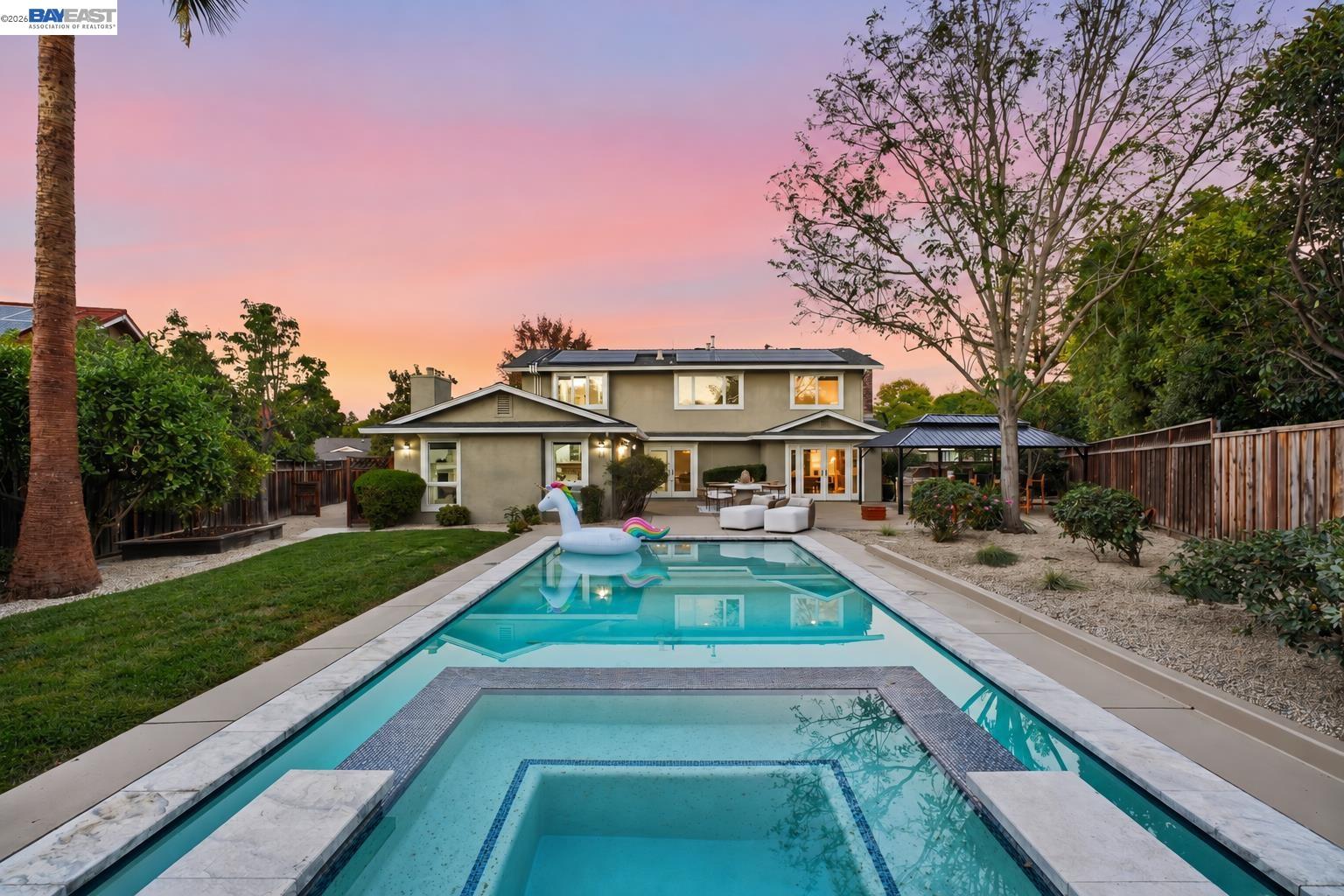
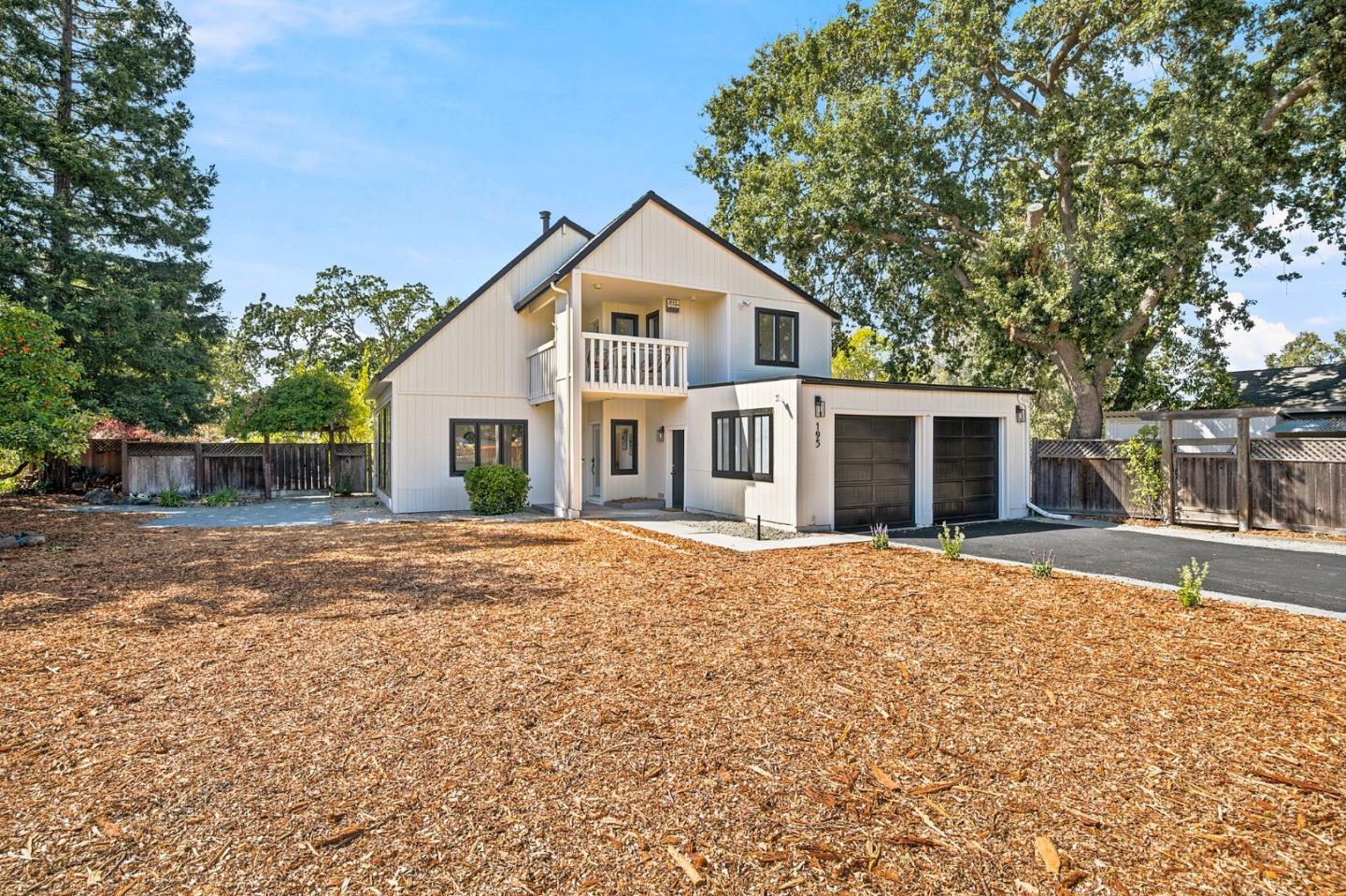
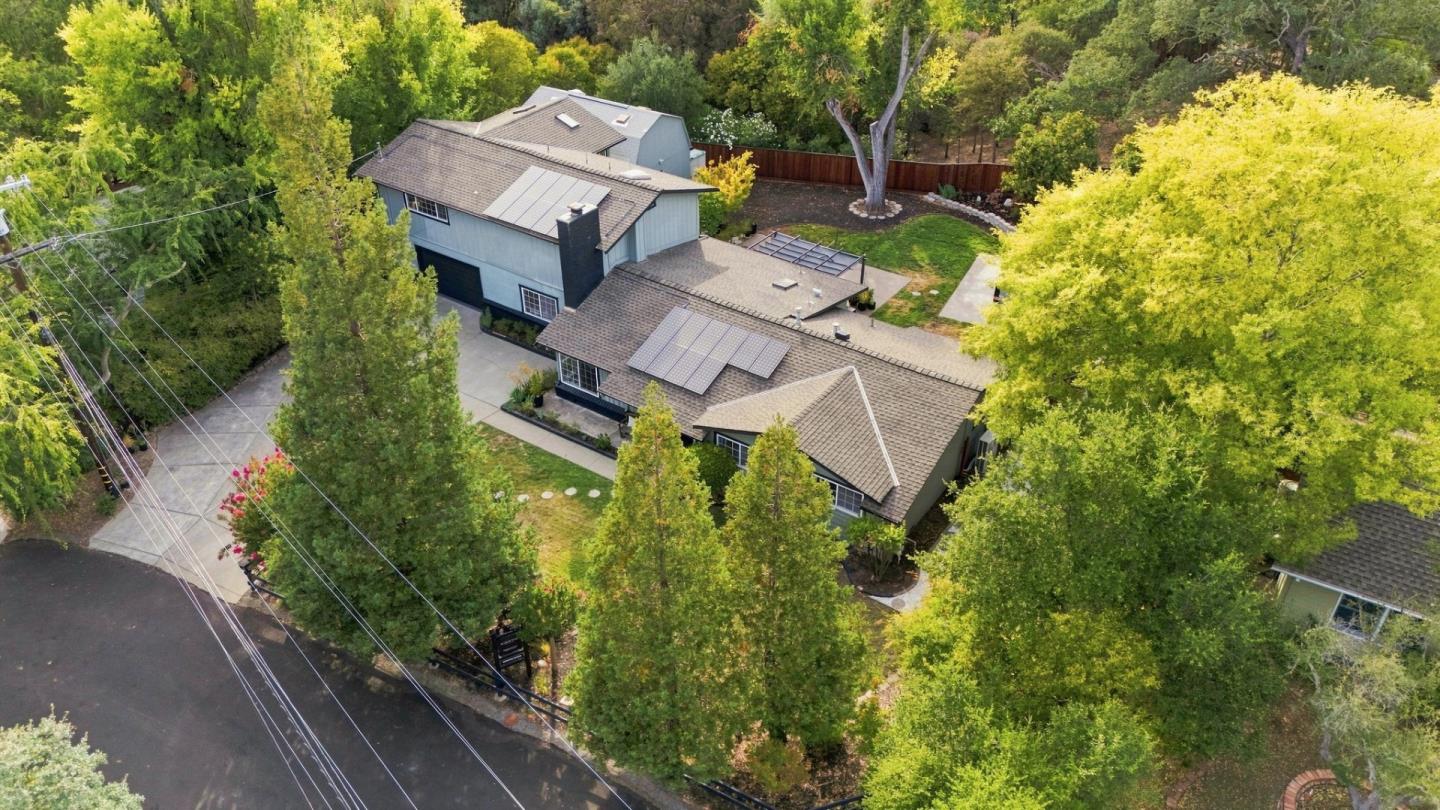
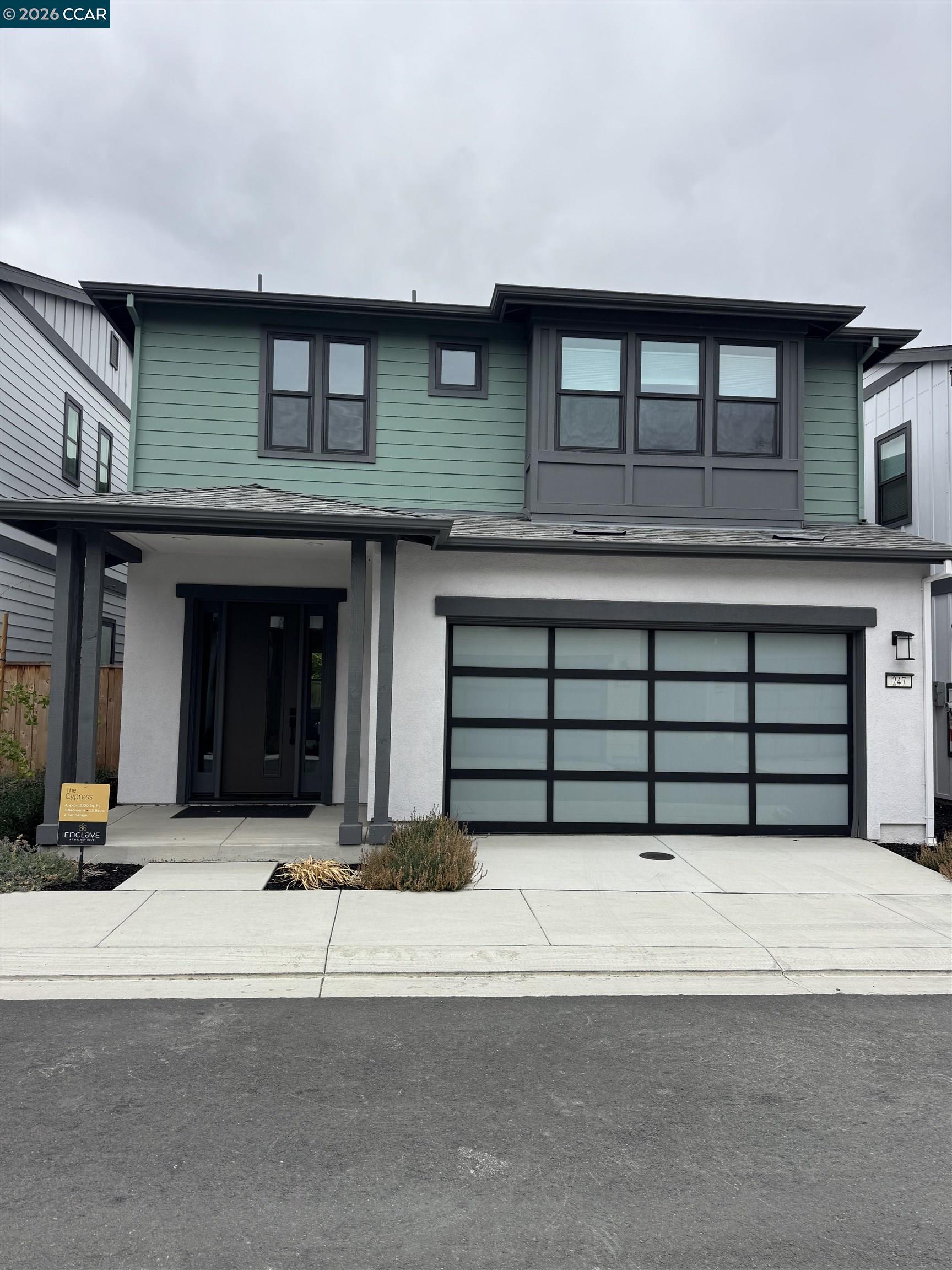
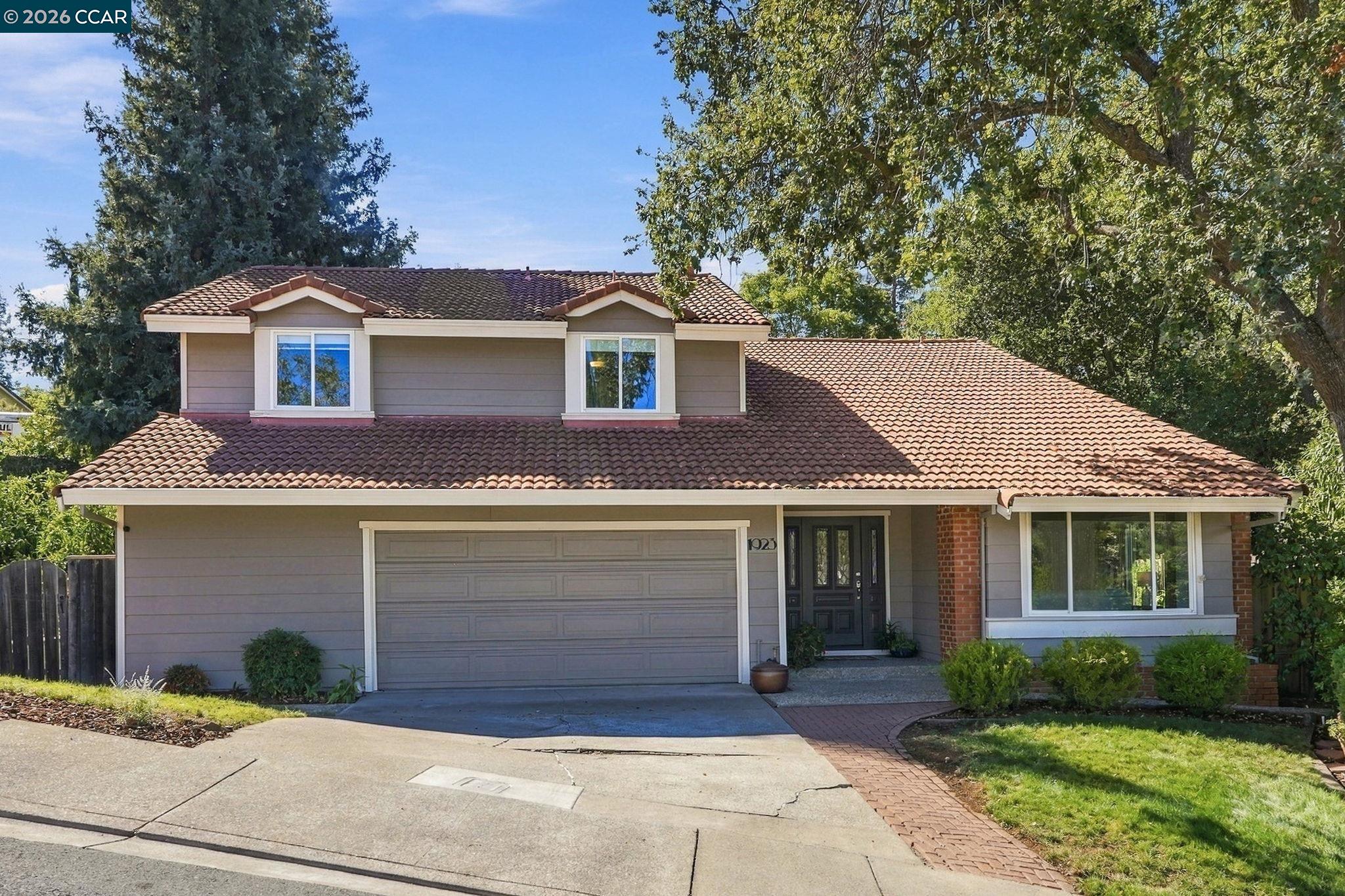
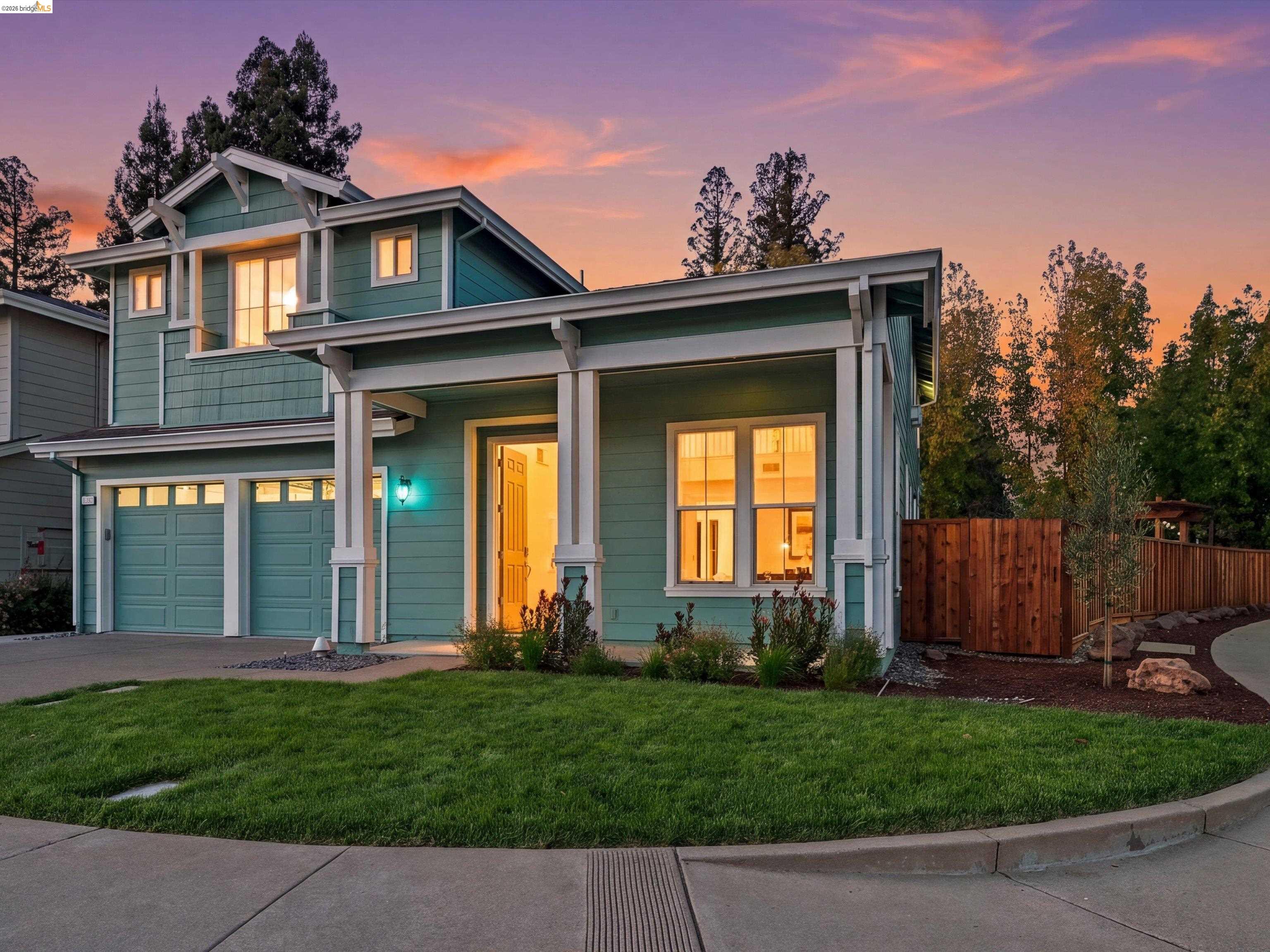
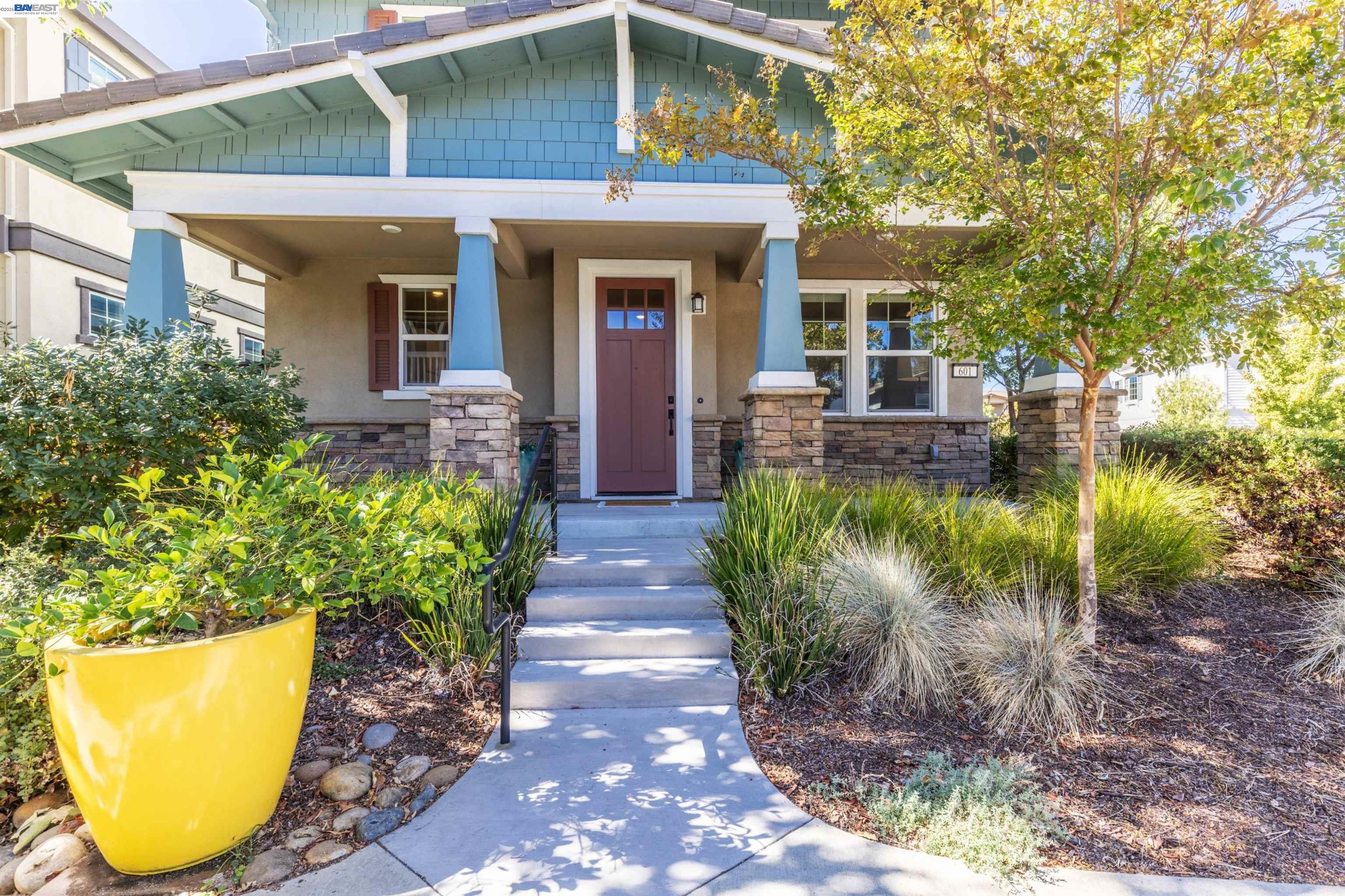
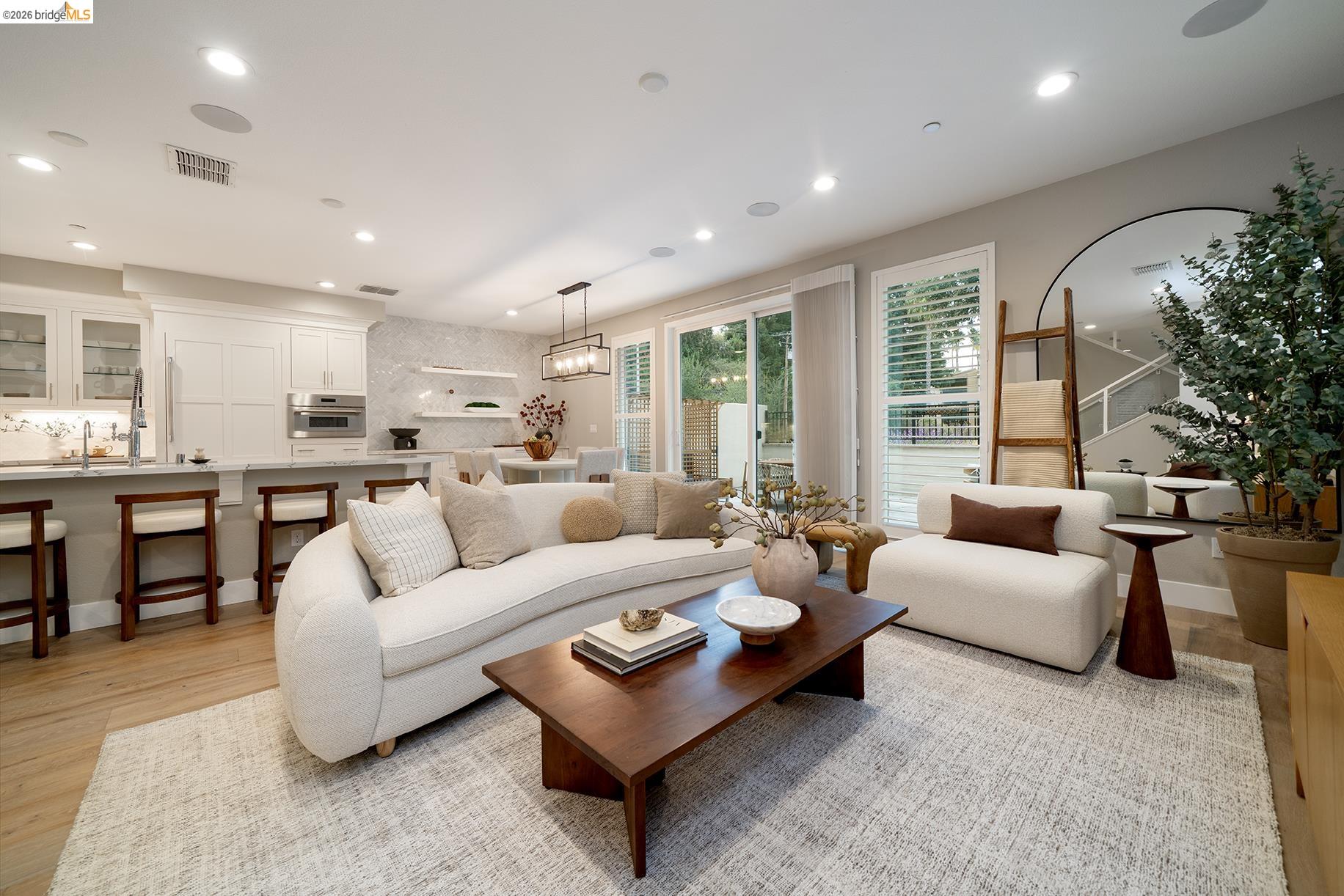
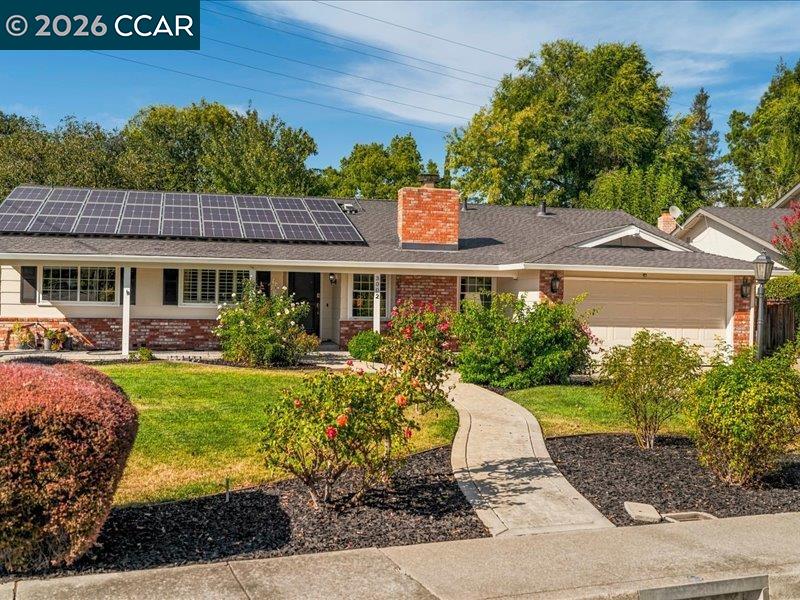
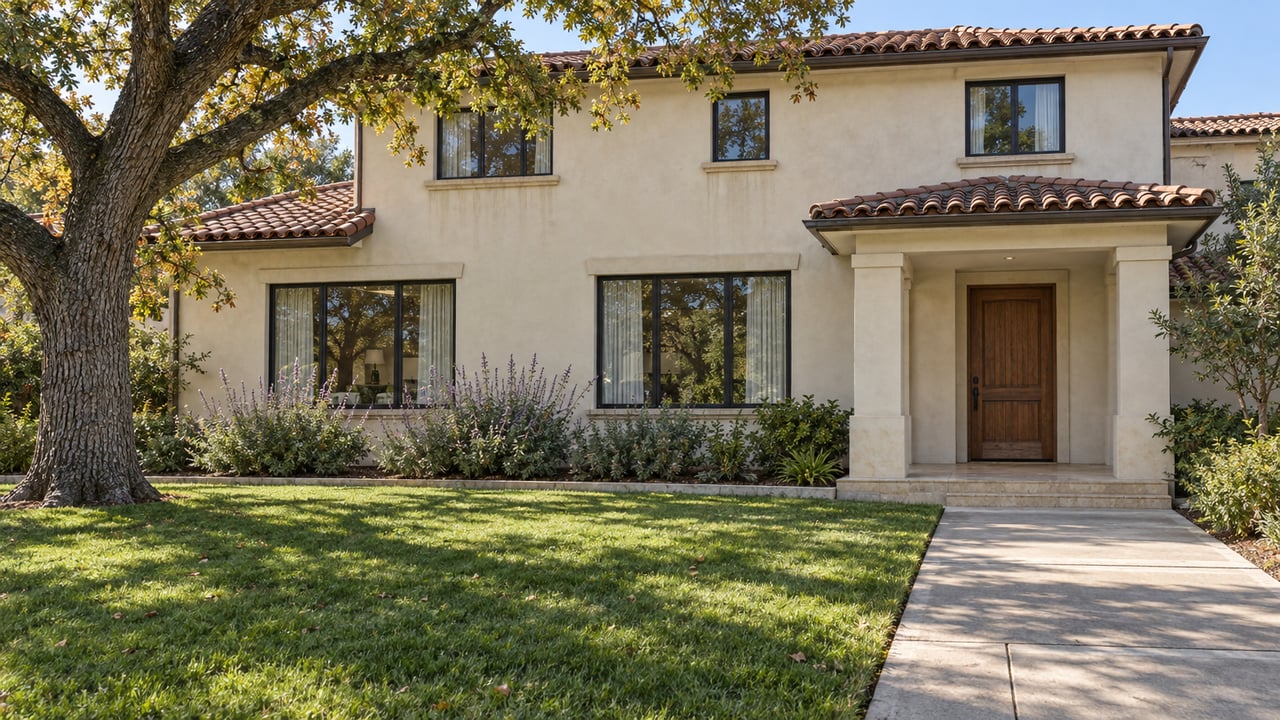
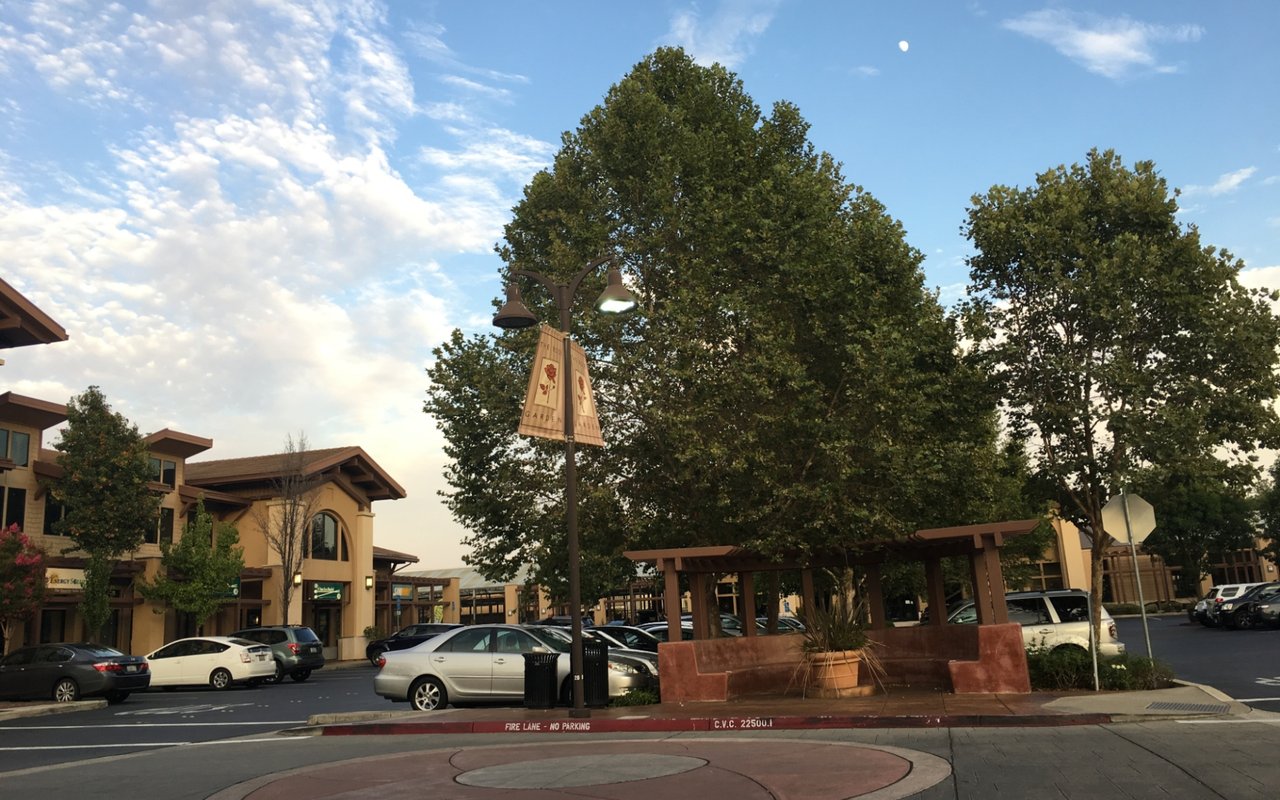
Welcome to Walnut Creek, CA
Walnut Creek sits at the geographic and cultural crossroads of the East Bay, occupying a rare middle ground that most Bay Area communities only aspire to. It is the place where a sophisticated, genuinely walkable downtown meets the open foothills of Mount Diablo, where a thirty-five-minute BART ride to San Francisco coexists with 3,000 acres of protected wilderness. For four decades, buyers relocating from San Francisco, Oakland, and the Peninsula have landed here because it refuses to make them choose between urban energy and suburban breathing room.
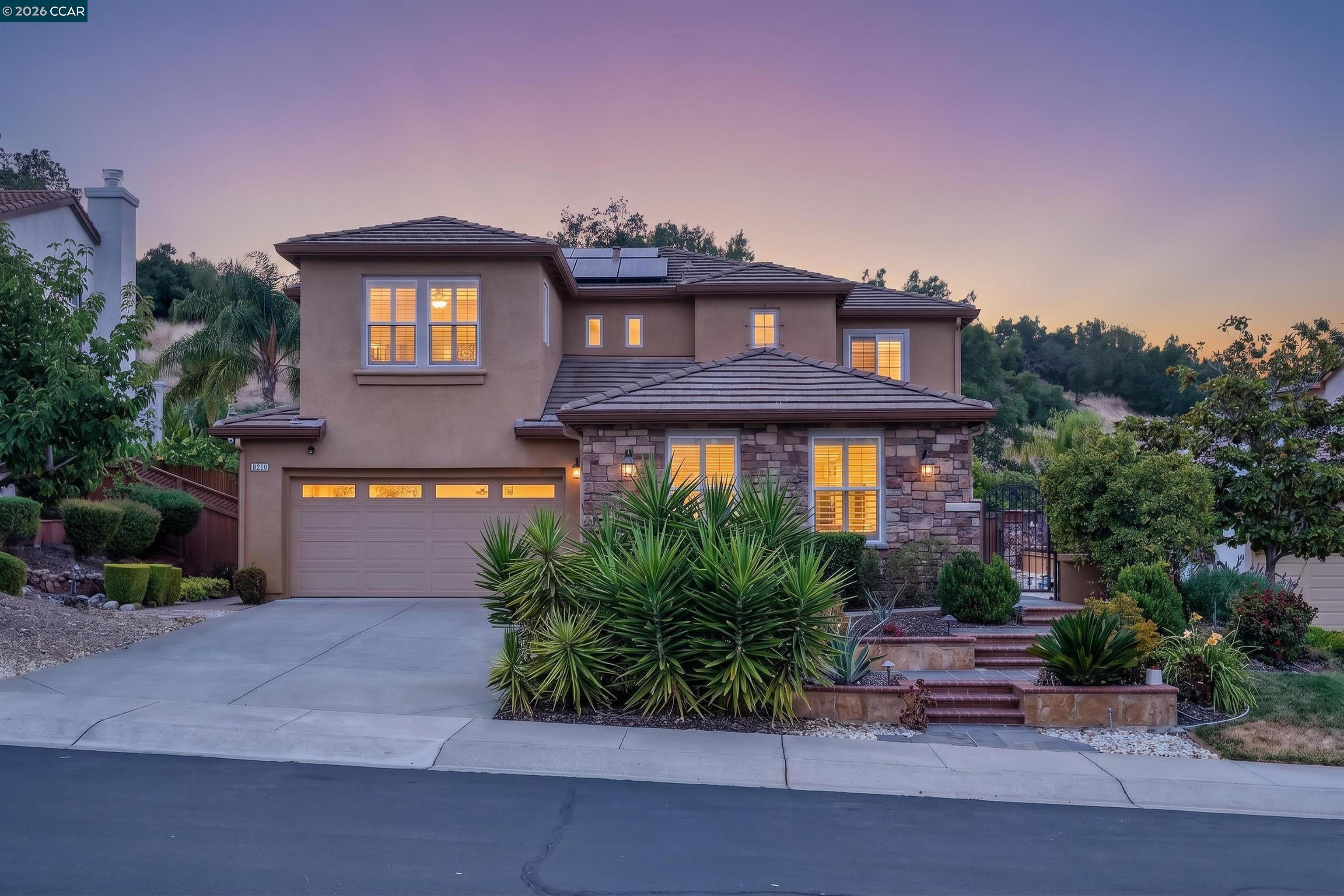
The fundamentals tell a consistent story. The citywide median sale price lands somewhere between $860,000 and $950,000, though that figure is heavily weighted down by a deep inventory of condos and co-ops. Detached single-family homes are a different animal entirely, commanding a median closer to $1,250,000 to $1,475,000. Turnkey homes in the best neighborhoods move in under two weeks and routinely sell over asking, while the luxury tier above $2 million operates at a calmer, more negotiable pace. Understanding that split — that Walnut Creek is not one market but several stacked on top of each other — is the single most important thing a buyer or seller can grasp before making a move here.
Why Buyers Are Drawn to Walnut Creek
The pull of Walnut Creek comes down to a combination of advantages that rarely appear together in a single zip code.
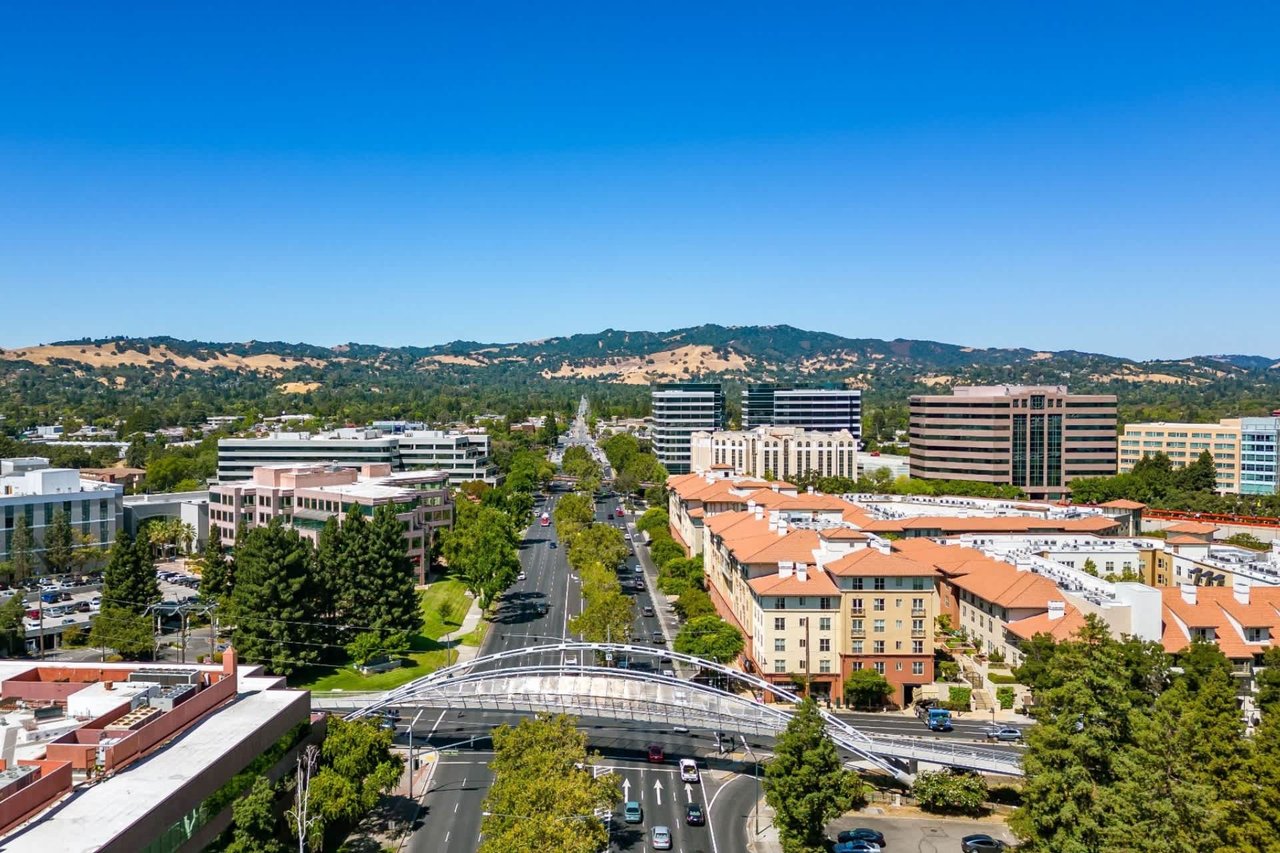
The most distinctive is a true walkable downtown. Most suburbs organize themselves around strip malls and parking lots; Walnut Creek built its center around Broadway Plaza, an open-air luxury shopping district anchored by Nordstrom, Apple, and Tiffany & Co. Buyers consistently fall in love with the idea that they can step out of a downtown condo or a nearby home and walk to world-class dining, premium retail, and a professional arts venue without ever starting their car.
Transit connectivity is the second major draw, and for commuters it is often the deciding factor. The city is served by two dedicated BART stations — Walnut Creek and Pleasant Hill/Contra Costa Centre — both of which sit at the heart of master-planned transit villages. City transplants who want a frictionless commute without giving up lifestyle gravitate here first.
Family demand is anchored by schools. The Walnut Creek Elementary School District and highly rated high schools like Las Lomas and Northgate drive a great deal of buyer behavior, to the point where families will choose one street over another based purely on a school boundary line. Layered on top of all of this is the outdoor lifestyle. Positioned at the foot of Mount Diablo, Walnut Creek offers immediate access to hiking trails, regional parks, and open space that few cities of its sophistication can match. The result is a community that feels green and lush while still operating like a polished small city.
The Walnut Creek Housing Market Today
The Walnut Creek market behaves as a seller's market overall, but that headline obscures more than it reveals. The reality is a highly segmented landscape where the experience of buying a turnkey family home looks nothing like the experience of buying a downtown condo or a hillside estate.
A few core metrics frame the picture. Move-in-ready homes are moving fast, with a median of roughly 12 to 15 days before going pending. Competition stays intense, with homes selling at an average of 102% to 103% of list price, and nearly half of all properties drawing multiple offers and clearing above asking. Mortgage rates hovering in the low-to-mid 6% range have kept buyer demand disciplined rather than frenzied, but chronically tight inventory in the core single-family neighborhoods keeps the market fast and high-value.
Because the market splits so cleanly into distinct tiers, it is worth seeing them side by side:
| Property Segment |
Market Dynamics |
Timeline / Inventory |
| Turnkey Single-Family Homes (Northgate, Parkmead, Tice Valley) |
Extremely competitive; driven by families chasing top school zones. Bidding wars are routine. |
Pending in ~11 days; ~1.5 months of inventory |
| Downtown Condos & Townhomes |
Active and steady; the most accessible entry point for commuters and downsizers who want walkability. |
Pending in ~33 days; ~3.2 months of inventory |
| High-End Luxury Tier ($2.2M+, areas like Rudgear Estates) |
Slower-paced; buyers hold real leverage and price cuts are common. |
Extended days on market; less buyer urgency |
| Properties Needing Work |
Disfavored by buyers prioritizing turnkey homes given elevated renovation costs. |
Stagnates unless priced aggressively |
The takeaway is simple but easy to miss: there is no single "Walnut Creek market rate." Whether you have negotiating power depends almost entirely on which of these four tiers you are operating in.
Pricing by Home Segment
Citywide averages are genuinely misleading in Walnut Creek because the volume of high-density condo inventory drags the typical number well below what most buyers picture when they imagine the city. Breaking pricing down by asset class is the only way to see where real value and real competition live.
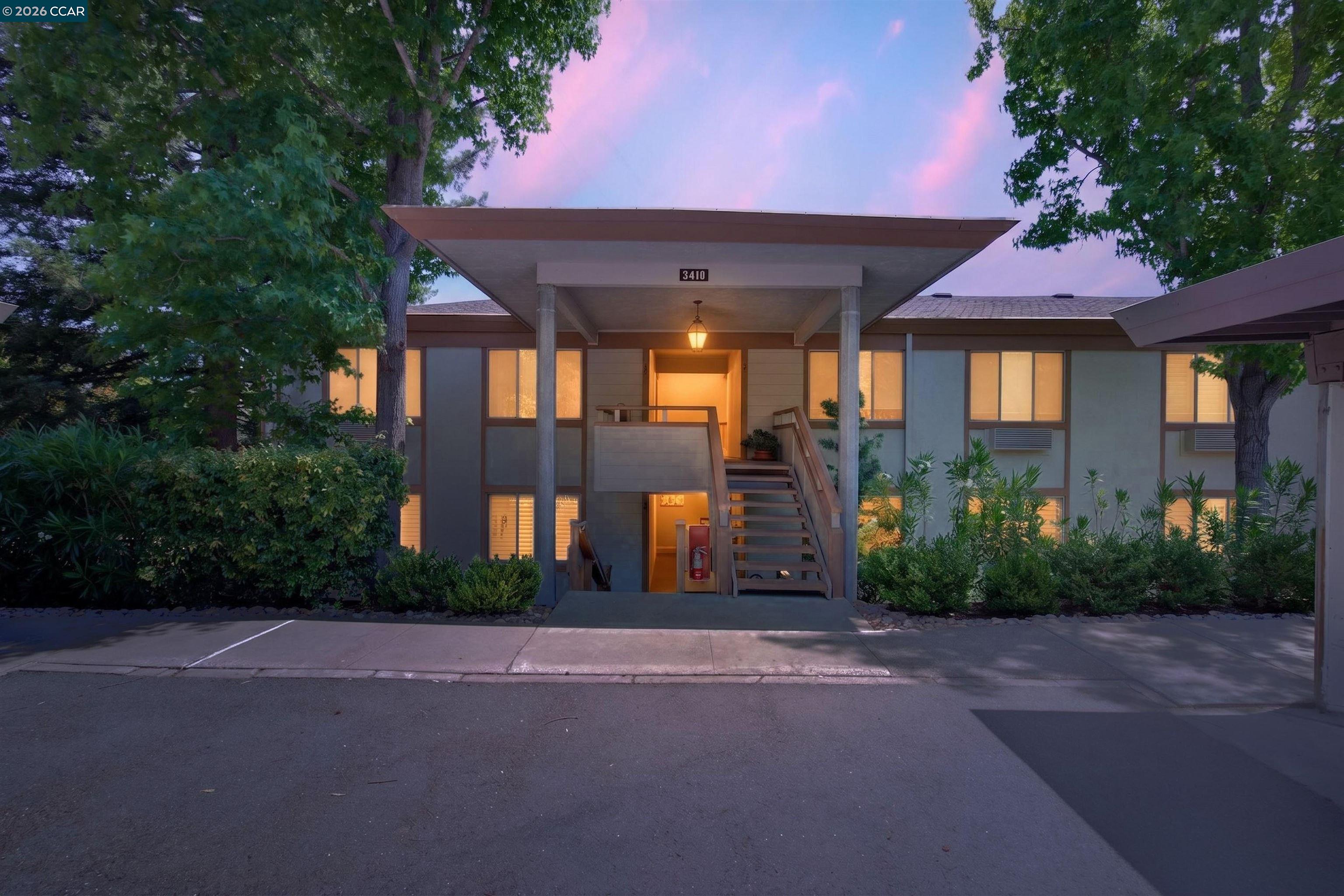
Attached condos and co-ops range roughly from $350,000 to $750,000. The lower end captures units in Rossmoor, the 55+ community, along with older complexes near the city's edges. Modern, updated one- and two-bedroom condos close to downtown or the BART stations trade nearer the $650,000 to $770,000 mark. This is the most patient sub-market in the city, averaging 26 to 33 days on the market.
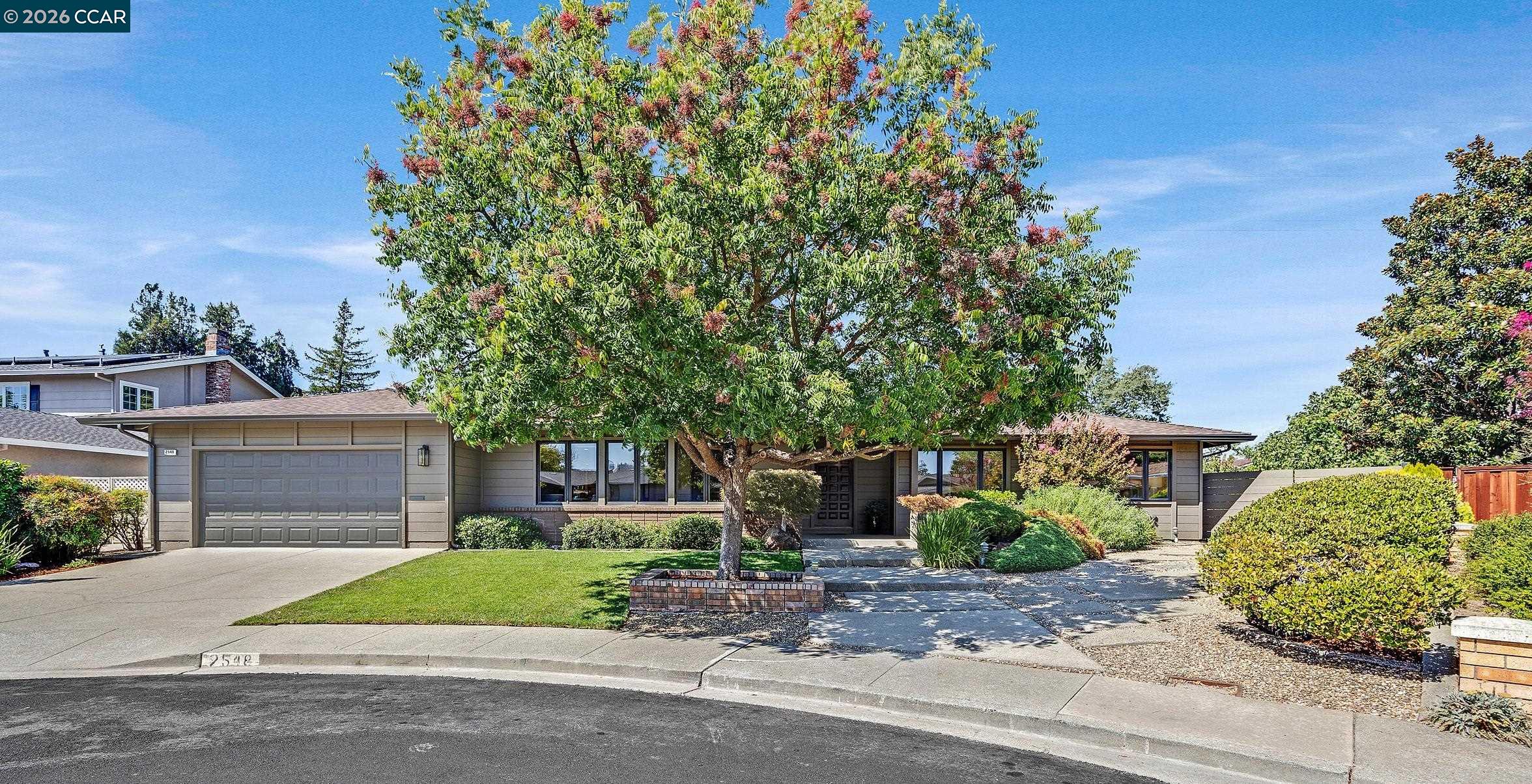
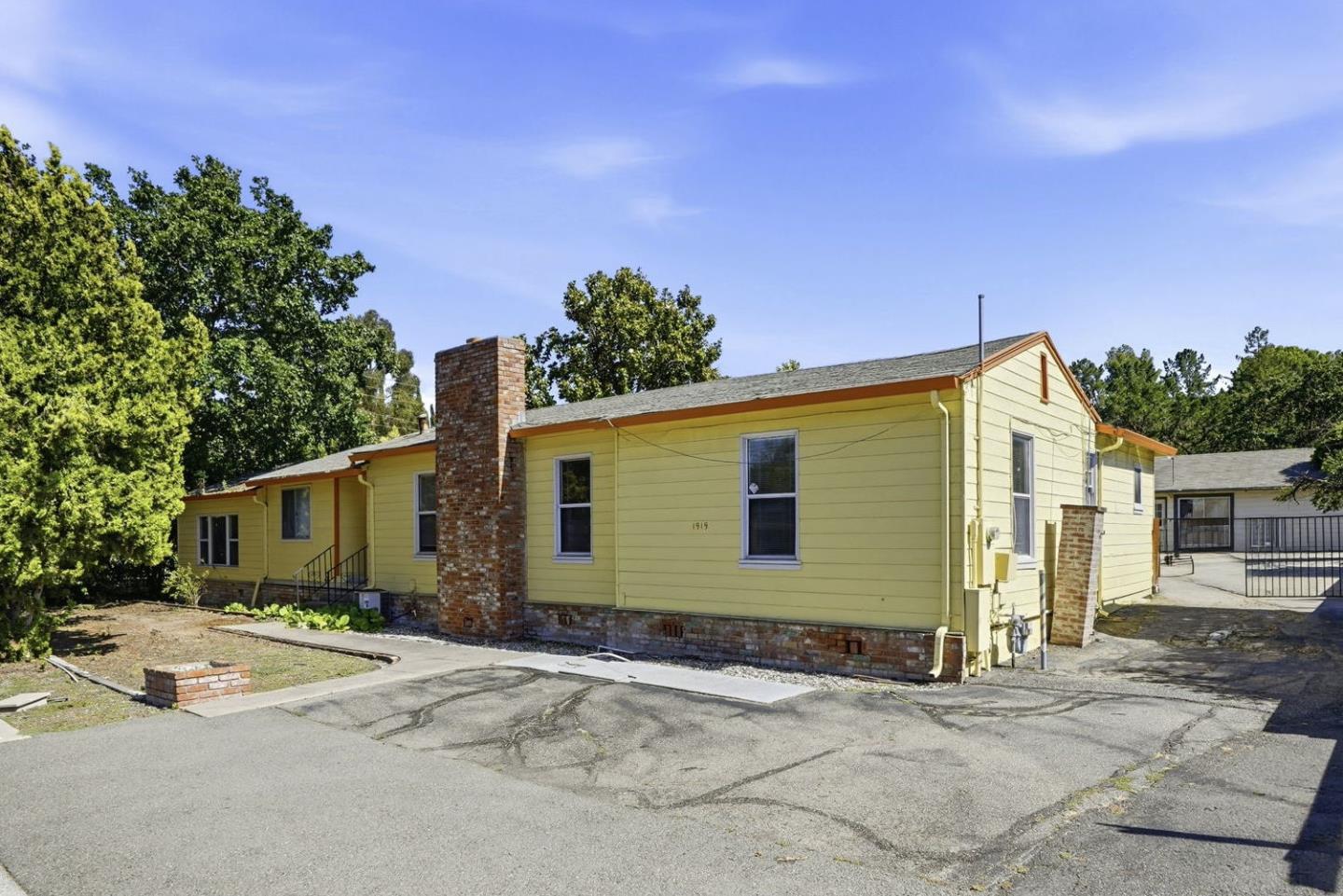
Townhomes and entry-level detached homes sit between $850,000 and $1,200,000. This segment is the critical bridge for first-time buyers and families fleeing the rental markets of San Francisco and Oakland. Premium townhomes near the city center and smaller mid-century starter homes — think three-bed, two-bath ranch styles — both land in this sought-after band.
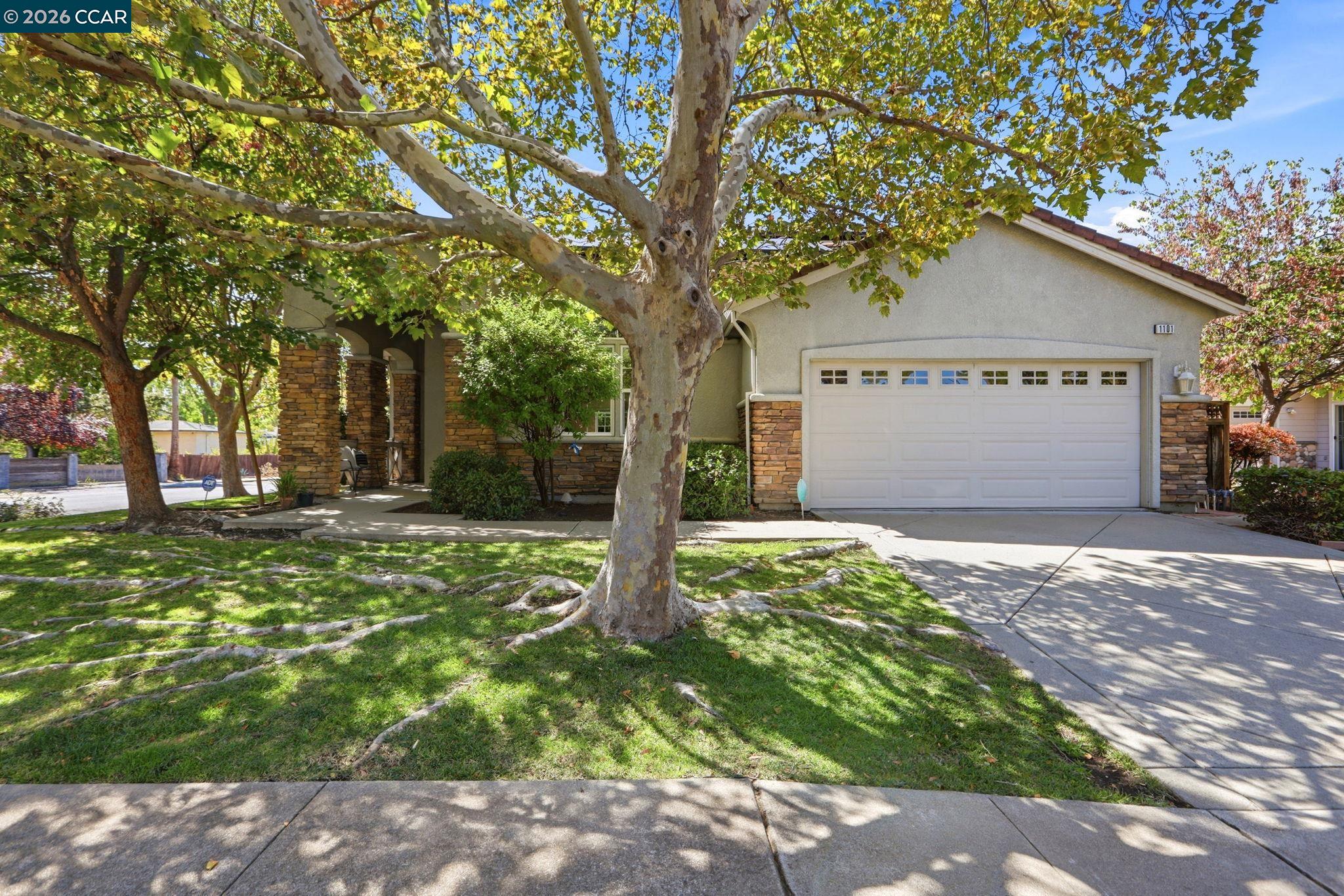
Standard single-family detached homes run $1,250,000 to $1,650,000, and this is the hyper-competitive heart of the market. These are traditional 1,800-to-2,500-square-foot family homes on decent lots, and demand for them is relentless. Inventory stays under 1.7 months, homes move in 11 to 13 days, and multiple offers pushing past 103% of list are the norm rather than the exception.
Luxury and premium estates begin around $1,800,000 and climb past $3,000,000. These are custom hillside builds, sprawling 3,000-plus-square-foot footprints, and homes along the ridges or in prestigious enclaves bordering Lafayette and Alamo. Buyer urgency drops noticeably at this level, which gives purchasers room to negotiate and to keep traditional contingencies in place.
Neighborhoods and Sub-Markets to Know
Walnut Creek is best understood as a collection of micro-markets, each with its own architectural era, school preference, and personality. Choosing the right one matters as much as choosing the right house.
Northgate and The Woodlands form the family heart of the city. Set against the Mount Diablo foothills in the northeast, Northgate is known for wide streets, generous lots, and pristine mid-century ranch and traditional homes. The Woodlands, a tight-knit enclave within this zone, is famous for its community swim clubs. The vibe is classic suburban Americana, and the primary draw is access to top-ranked schools like Northgate High along with a quiet atmosphere insulated from highway noise. Homes here typically start in the $1.4M to $1.8M range.
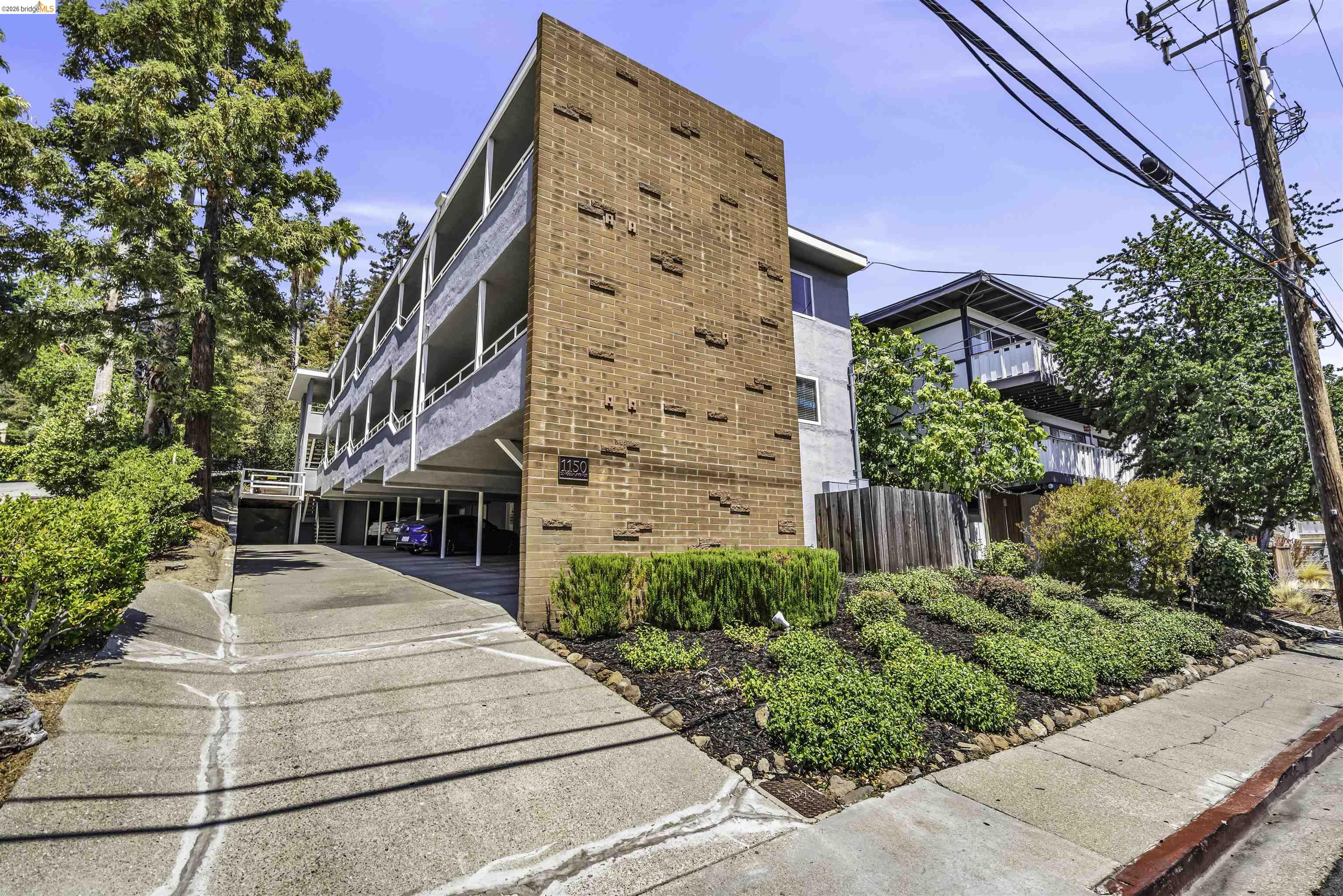
Downtown and the BART Corridor is the walkable urban oasis. Hugging Broadway Plaza and spreading toward the two BART stations, this area is dominated by mid-rise luxury condos, sleek townhomes, and pockets of historic bungalows. The energy is sophisticated and commuter-centric, and the appeal is low-maintenance living. Buyers here are young professionals and empty-nesters who want to walk to dinner, hop a train to the city, or catch a theater production without touching their car.
Saranap is the eclectic borderland. An unincorporated pocket pressed against the Lafayette line, it holds an unusually varied mix of architecture, from historic cottages to ultra-modern custom rebuilds. It feels rustic and charmingly semi-rural despite its proximity to major corridors. Its quiet superpower: certain parcels fall within the highly prized Lafayette school districts, which makes it a strategic target for family buyers willing to do their homework.
Larkey Park offers the commuter advantage. Tucked into the northwest corner near the I-680/Highway 24 junction, it centers on the expansive Larkey Park, the Lindsay Wildlife Experience, and the public pool. Relaxed and practical, its calling card is unbeatable highway access and proximity to shopping, with prices that tend to run slightly more accessible than Northgate — a frequent landing spot for first-time single-family buyers.
Rossmoor is a world unto itself. A nationally renowned, gated 55+ active adult community in scenic Tice Valley, it sprawls across 1,800 acres of golf courses, tennis courts, pools, and thousands of co-ops and condos. Pricing runs from the $300,000s to over $1M for luxury free-standing models, making it the premier destination for downsizers seeking resort-style country club living.
Luxury and Estate Properties
The luxury market here occupies its own atmosphere, decoupled from the synchronized bidding wars at the city's entry points. It trades on vast private parcels, scenic foothill positioning, and custom craftsmanship that mirrors the high-end appeal of neighboring Lafayette and Alamo.
Pricing breaks into two broad bands. Entry-level luxury, roughly $1.8M to $2.3M, generally buys a heavily renovated mid-century modern home or newer construction with tighter lot lines closer to downtown — four bedrooms, updated finishes, and somewhere around 2,500 to 3,000 square feet. The premium estate tier, $2.5M to $4M and beyond, moves into grand custom homes in Mediterranean, Craftsman, or contemporary styles, often hidden in private canyons or perched on ridgelines. Buyers at this level expect multi-acre layouts, 3,500-plus square feet, private pools, outdoor kitchens, and unobstructed Mount Diablo views.
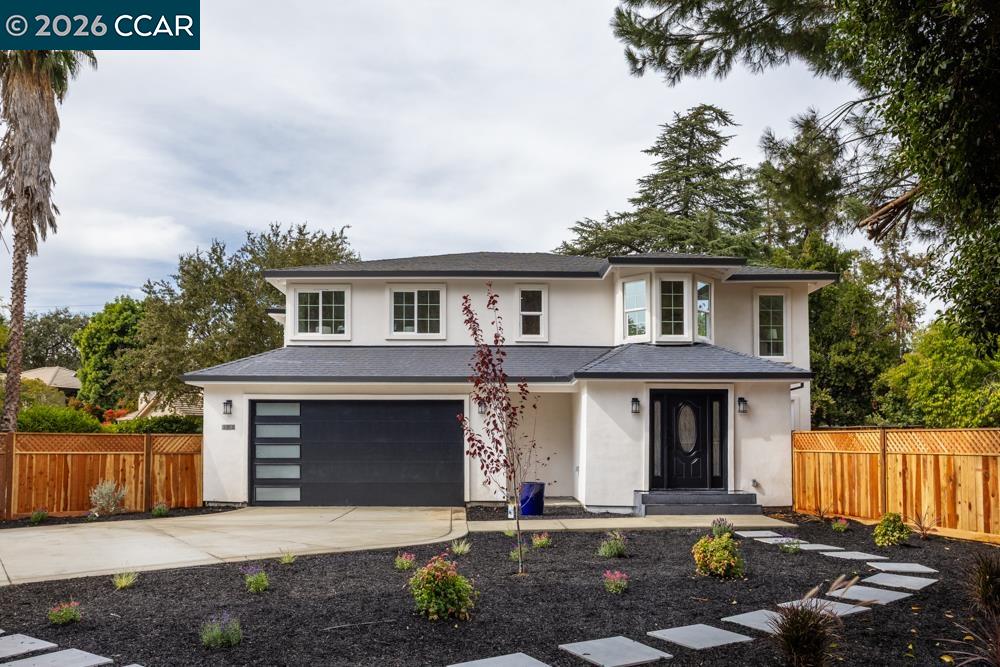
The elite enclaves are worth knowing by name. The deeper recesses of Northgate hold private lanes and gated drives with custom estates backing onto Shell Ridge Open Space. Walnut Heights and Rudgear Estates, tucked into the wooded southern hills, offer rare privacy and panoramic valley views. And Saranap has become a magnet for high-end developers who buy older properties and replace them with multi-million-dollar modern farmhouse and contemporary estates.
The dynamics at this level reward patience. While the broader market vanishes in under two weeks, luxury homes average 30 to 50 days on the market. Buyers exposed to broader financial assets and jumbo mortgage rates exercise real leverage, inspection and appraisal contingencies are commonplace, and sellers should expect to negotiate rather than simply select from a stack of offers.
Schools and Education
For family buyers, schools are often the economic engine behind property appreciation in Walnut Creek — and the district map is more complicated than the city limits suggest.
At the high school level, Walnut Creek's public schools rank in the top 20% statewide, with an average graduation rate near 95% and math and reading proficiencies well above state averages. Las Lomas High School, part of the Acalanes Union High School District near downtown, is an academic powerhouse with strong college-prep and athletic programs and an A+ Niche rating; homes feeding into it carry a built-in premium. Northgate High School, in the Mt. Diablo Unified School District, rivals Las Lomas with a 97% graduation rate and a strong STEM and AP focus on the northeast side of the city.
Then there is what locals quietly call the "Lafayette loophole." A handful of streets on the western edge of Walnut Creek, particularly in parts of Saranap, fall under Lafayette or Moraga boundaries and unlock access to some of the highest-ranked schools in Northern California. Properties on those specific streets trade at a substantial premium for exactly that reason.
The most important thing to understand before you buy: a Walnut Creek zip code does not guarantee a specific school assignment. The city is split between multiple administrative bodies. The Walnut Creek School District handles highly rated K-8 schools for the central and downtown zones, which then feed into Acalanes Union for high school. Mt. Diablo Unified operates the north and east sides, where flagship schools like Northgate High are exceptional but other schools across the district's large footprint vary in test scores and funding. Verifying the exact assignment for a specific address is non-negotiable.
For families looking beyond public schools, the private ecosystem is robust. Berean Christian High School and Contra Costa Christian School provide prominent faith-based options, while Fusion Academy Walnut Creek offers a one-on-one model for specialized learning needs.
Downtown Walnut Creek: Dining, Shopping, and Arts
Downtown Walnut Creek functions as the cultural and commercial heartbeat of the East Bay, with a walkability that rivals major metro centers and a character that blends a village-like historic core with polished modern districts.
Retail revolves around Broadway Plaza, an award-winning open-air luxury center that draws shoppers from across the region. Its anchors read like a flagship list — Nordstrom, Macy's, Apple, Louis Vuitton, Lululemon, Vuori, and Anthropologie — and the district keeps pushing upmarket. Recent and incoming additions include a SKIMS boutique and a massive RH (Restoration Hardware) Gallery design compound complete with a 30-foot glass atrium garden restaurant and an outdoor wine experience.
The dining scene has matured from suburban convenience into a genuine culinary destination, drawing chefs who choose Walnut Creek over San Francisco. Experiential venues like Stereo41 pair a music-first design and hi-fi sound system with a menu from a Michelin-trained chef. North Italia runs an expansive 8,500-square-foot indoor-outdoor space in Plaza Escuela, and a downtown "ramen corridor" has emerged around Ramen Hiroshi, Marufuku Ramen, and the Michelin-listed Mensho Ramen.
Culture centers on the Lesher Center for the Arts, a three-stage complex hosting professional theater, ballet, touring comedians, and classical music year-round. It keeps the streets alive well past store hours and anchors a calendar of community events like the Walnut Creek Uncorked wine festival and the Locust Street Festival.
Parks, Open Space, and Outdoor Recreation
What truly separates Walnut Creek from other dense suburban centers is its commitment to land preservation. Thanks to forward-thinking environmental bonds passed in the 1970s, the city protects more than 3,000 acres of open space alongside 16 master-planned neighborhood parks.
That open space is organized into four major parcels, each laced with multi-use trails for hiking, trail running, mountain biking, and horseback riding. Shell Ridge, the largest at 1,420 acres, offers 31 miles of trails through oak woodlands and ridgelines, houses the fully operational 1899 Old Borges Ranch with its family education programs, and connects directly into Mount Diablo State Park. Lime Ridge, 1,226 acres straddling the Concord border, gives technical mountain bikers 25 miles of track and serves as critical habitat for the California quail. Acalanes Ridge, 201 acres on the western edge, rewards a steeper climb with 360-degree views of Mount Diablo, San Pablo Bay, and the Carquinez Strait. And Sugarloaf, a more intimate 177 acres, preserves a rare old-growth black walnut grove around an active ranger station and shaded picnic areas.
For structured recreation, Heather Farm Park is the crown jewel. Across 102 acres it brings together the Clarke Swim Center's competitive pools, a multi-field sports complex, a skate park, an off-leash dog park, and a tennis center, plus the six-acre nonprofit Gardens at Heather Farm overlooking a fishing pond. Cyclists and runners also benefit from direct access to the Iron Horse Regional Trail, a paved path running uninterrupted for more than 30 miles down the San Ramon Valley — you can ride from Concord to Pleasanton without ever crossing traffic.
Commute, Transit, and BART Access
Walnut Creek is, arguably, the premier transit hub of the East Bay, and that status is a meaningful slice of its real estate value. Its position at the intersection of major freeways and heavy rail makes it a favorite of hybrid workers and corporate commuters who need fluid access to San Francisco, Oakland, and beyond.
The backbone is BART. Two stations on the Antioch–SFO/Millbrae line deliver a direct, one-seat ride into downtown San Francisco in roughly 35 to 40 minutes. The Walnut Creek station has grown into a major transit-oriented development; the master-planned Walnut Creek Transit Village folds hundreds of luxury apartments, public plazas, and retail directly onto the station footprint, letting residents walk from front door to platform. The Pleasant Hill/Contra Costa Centre station anchors its own successful transit village on the northern border and serves as a heavy commuter draw for the Northgate and Larkey Park neighborhoods. Parking demand at the Walnut Creek garage stays strong enough that daily and reserved rates use dynamic, demand-based pricing.
For drivers, the city sits where Interstate 680 (running north-south toward Concord and San Jose) meets Highway 24 (running west through the Caldecott Tunnel into Oakland and San Francisco). The trade-off is the notorious I-680/Highway 24 interchange — the "Walnut Creek Split" — where peak congestion is heavy enough that savvy locals lean hard on carpool and express lanes.
Lifestyle and Community Character
The clearest way to describe Walnut Creek is suburban luxury with an urban heartbeat. It has shed the sleepy, isolated stigma of the traditional suburb in favor of a polished, social, and active civic culture.
The demographic mix is affluent and highly educated, anchored by three groups. Tech and corporate transplants — young families and mid-career professionals — move outward from San Francisco, Silicon Valley, and Berkeley to secure schools and backyards without surrendering cultural amenities. Active empty-nesters downsize from larger estates in Lafayette and Alamo into walkable downtown condos for a low-maintenance retirement. And the country club set, centered on Rossmoor's gated acreage, feeds the city's robust volunteer networks and its philanthropic support of the arts.
Underpinning all of it is a strong civic spirit and an emphasis on safety. Streets are clean, well-lit, and well-patrolled, and neighborhoods are knit together by swim clubs, youth soccer, and active parent-teacher networks. On a typical weekend, the city's energy flows seamlessly from morning youth sports to afternoon trail hikes to upscale outdoor dining and evening theater. It is built for people who want the security of a suburban valley without giving up a cosmopolitan life.
Buyer Strategy in the Walnut Creek Market
With detached single-family inventory hovering near 1.5 months and median prices for those homes pushing past $1.4 million, buyers cannot afford to be passive. Success here comes from speed, financial positioning, and reading seller psychology correctly.
Start by closing the gap between pre-approval and underwriting. A standard pre-approval letter does not stand out in a multi-offer situation. The most competitive buyers obtain fully underwritten pre-approvals in advance, clearing the file through underwriting before an offer is even written, which lets them shorten or fully waive a financing contingency — a powerful signal to sellers.
If your budget is under $1 million, lean into the condo and townhome market deliberately. Attached housing carries over three months of inventory and roughly 33 days on market, which means you actually have leverage to negotiate price, keep inspection contingencies, or request seller-paid rate buy-downs — none of which is realistic in the detached frenzy.
Consider targeting the cosmetic fixer. Because rates sit in the mid-6% range, buyers are payment-sensitive and steering clear of homes that demand immediate renovation. If you have cash reserves or can handle paint, floors, and landscaping yourself, structurally sound but dated homes face far fewer competing offers and far better negotiating odds.
Finally, write clean, structured offers, because price is only one lever. In a market this fast, sellers will frequently choose a slightly lower offer that comes with strong terms: a substantial earnest money deposit of 3% or more, a shortened escrow of 21 days or fewer, or a flexible rent-back that gives the seller time to move.
Seller Strategy and Positioning
Sellers hold the upper hand in the detached market, but buyers remain disciplined — and aspirational pricing or weak presentation will cause a home to sit. In a market where the average home sells in under two weeks, lingering past 30 days actively stigmatizes a property.
The biggest mistake is pricing at the absolute peak of what you hope to get. The more effective approach is to price right at or slightly below comparable sales — listing at $1,295,000 when you expect $1,350,000, for instance. That strategy works as a magnet, pulling the full pool of qualified buyers through your first-weekend open houses and sparking the multi-offer competition that pushes the final number above list.
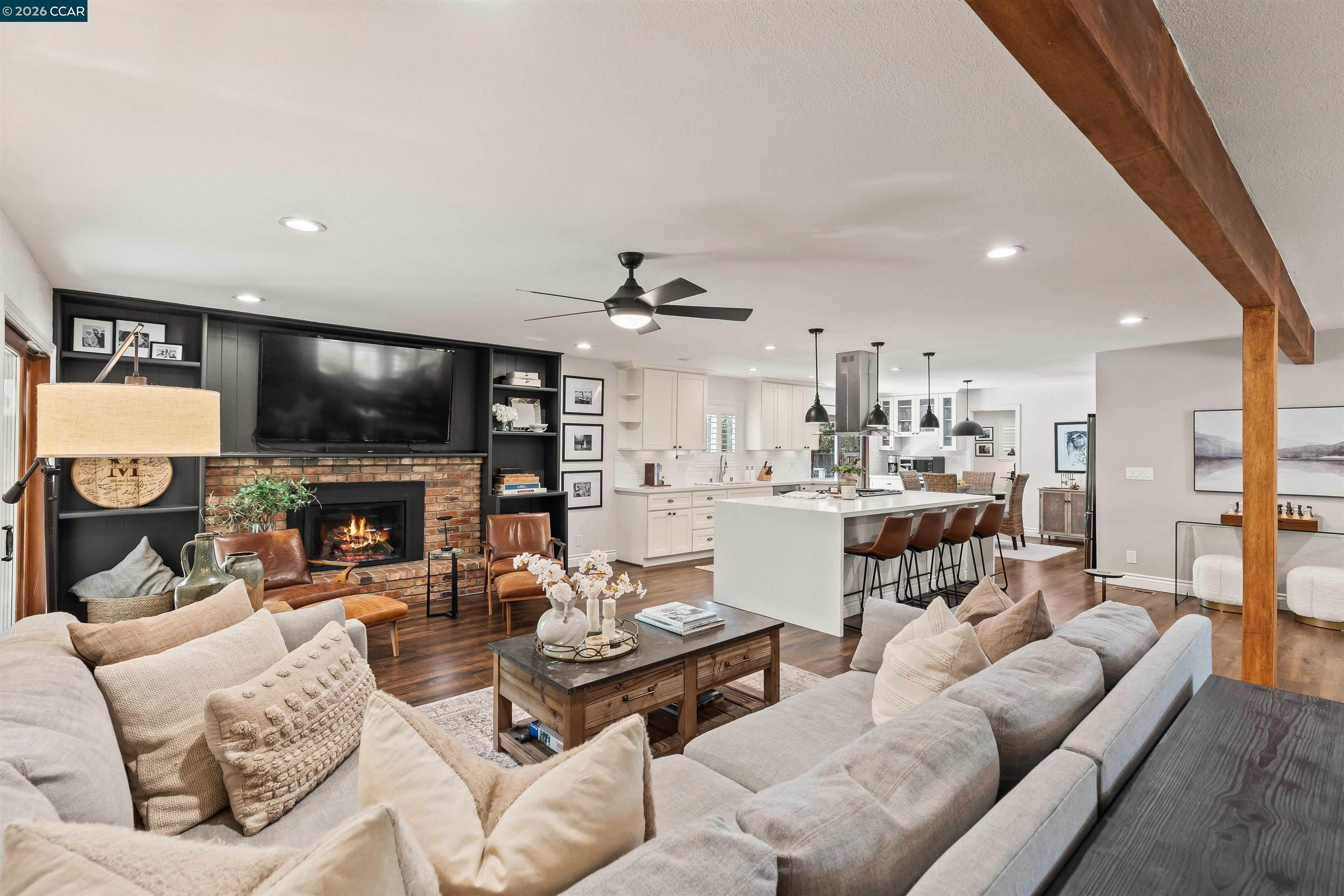
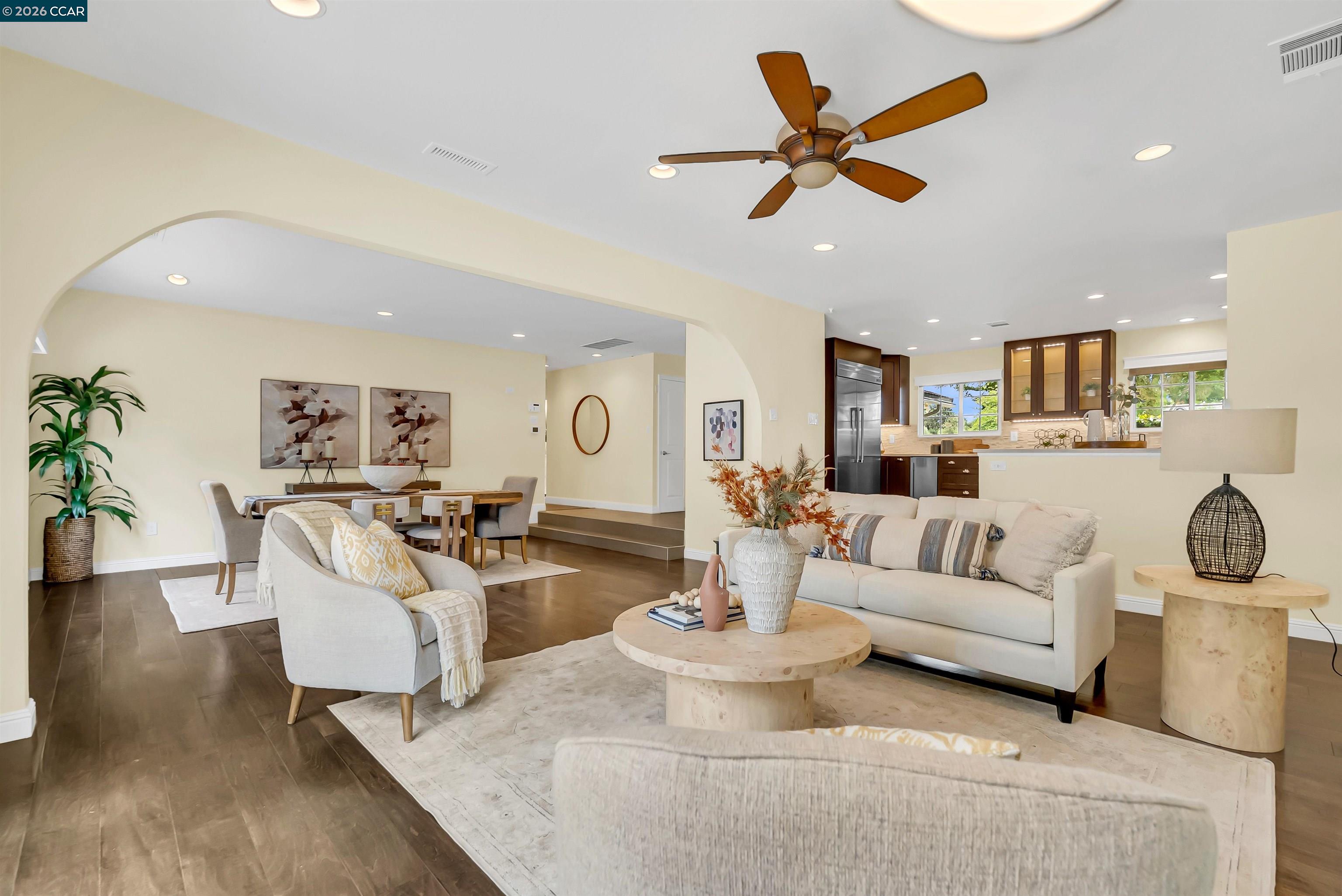
Preparation pays for itself several times over because turnkey homes command such a premium. Professional staging is effectively mandatory; it sells a lifestyle rather than square footage. Direct your budget toward high-visibility wins: deep cleaning, neutral interior paint, and refreshed curb appeal with fresh sod, bark, and potted color. Pre-inspections are an elite move — ordering and paying for property, roof, and pest inspections before listing, then providing them in the disclosure packet, removes buyer fear and encourages non-contingent offers on your deadline.
Strategy should also flex with the asset class:
| If You Are Selling... |
Your Primary Strategy Should Be... |
| A Turnkey Detached Home |
Set a firm offer deadline 7–10 days after listing to maximize exposure, build urgency, and review bids simultaneously. |
| A Downtown Condo |
Sell the lifestyle — walkability, low maintenance, proximity to BART and Broadway Plaza. Expect a normal 30-day cycle. |
| A Luxury Estate ($2M+) |
Skip rapid deadlines. Invest in cinematic video and drone marketing, and be ready to negotiate contingencies with patient, vetted buyers. |
Work With a Walnut Creek Local Expert
Navigating a market this segmented is far easier with someone who has lived its cycles firsthand. Joujou Chawla Real Estate brings more than four decades of experience across the San Ramon Valley and greater East Bay, with over $2.1 billion in lifetime sales volume and more than 1,535 homes transacted — depth that translates directly into sharper pricing strategy, stronger negotiation, and a clear read on where each micro-market is heading. Whether you are a buyer searching for the right entry point into Walnut Creek or a seller timing a transition for maximum return, the Chawla team pairs hands-on guidance with full-service marketing, professional staging, and an extensive local network.
If you are ready to talk strategy for a specific neighborhood, budget, or property, reach out to Joujou Chawla directly at (510) 406-4836 or [email protected], or visit chawlarealestate.com to begin. The goal is simple: to help you make one of the most important decisions of your life with confidence, clarity, and an expert in your corner.